Oil leaks — valve cover gasket and camshaft seals
high- Typically appears
- 100k–200k mi
- Estimated repair
- $80 – $250
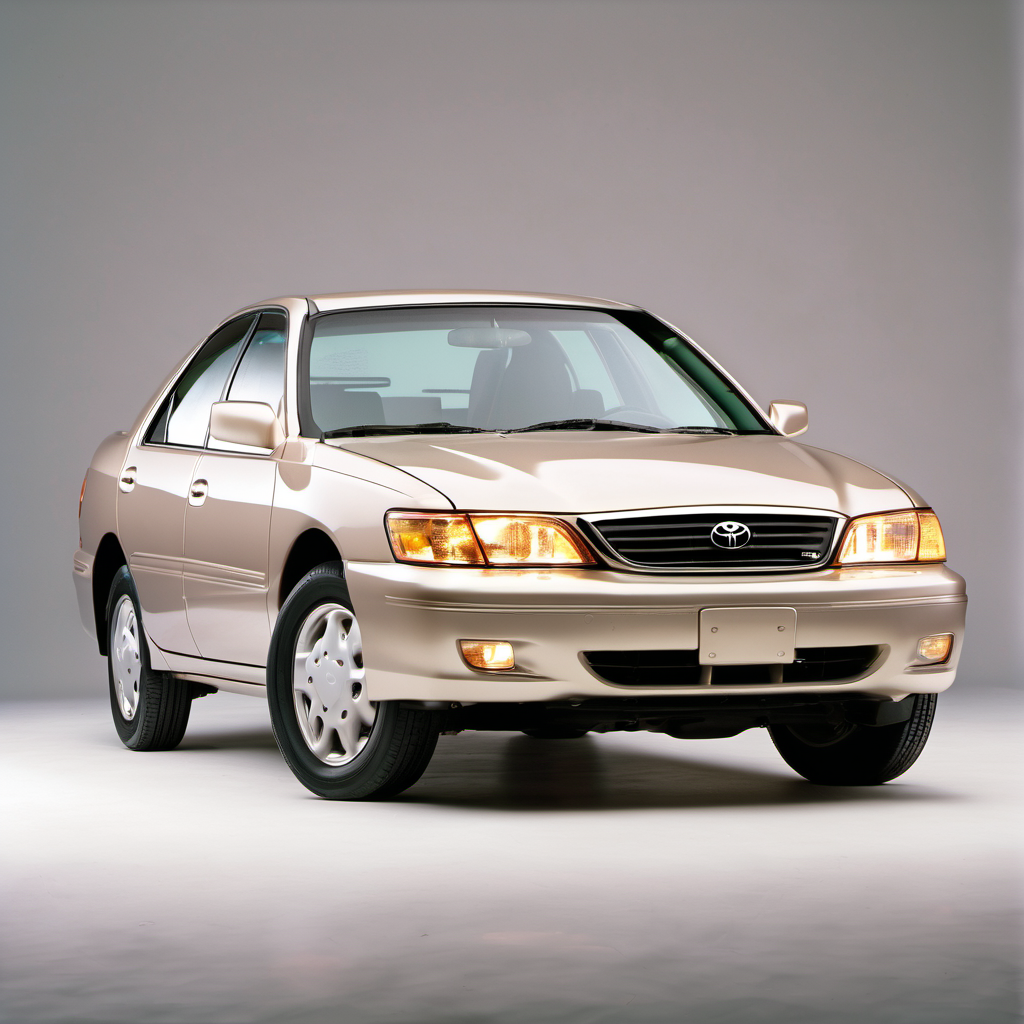
1999 Toyota
Sedan
The 1999 Toyota Camry is the fourth-generation (XV20) version of Toyota's best-selling mid-size sedan, representing the final model year of that generation. It earned its reputation the hard way — through decade after decade of owners putting 200,000+ miles on largely stock engines and transmissions. The base 2.2L four-cylinder is a workhorse: simple, oil-sipping, and nearly bulletproof when maintained on schedule. By 1999, the Camry had already become the benchmark for family sedan reliability. It's not exciting to drive, but it starts every morning, handles Wisconsin winters without complaint, and holds its value even at high mileage. Parts are plentiful and cheap, and any independent shop in the country knows this engine inside and out. At 25+ years old, these cars are now squarely in high-mileage, budget-daily-driver territory. The ones still on the road are survivors — but they need scrutiny. Rust (especially underneath), aging rubber, and deferred maintenance are the things that kill these otherwise immortal cars.
The 1999 Toyota Camry is the fourth-generation (XV20) version of Toyota's best-selling mid-size sedan, representing the final model year of that generation. It earned its reputation the hard way — through decade after decade of owners putting 200,000+ miles on largely stock engines and transmissions. The base 2.2L four-cylinder is a workhorse: simple, oil-sipping, and nearly bulletproof when maintained on schedule. By 1999, the Camry had already become the benchmark for family sedan reliability. It's not exciting to drive, but it starts every morning, handles Wisconsin winters without complaint, and holds its value even at high mileage. Parts are plentiful and cheap, and any independent shop in the country knows this engine inside and out. At 25+ years old, these cars are now squarely in high-mileage, budget-daily-driver territory. The ones still on the road are survivors — but they need scrutiny. Rust (especially underneath), aging rubber, and deferred maintenance are the things that kill these otherwise immortal cars.
The 5S-FE is sensitive to sludge from extended drain intervals. At this age, stick to conventional oil at 5k intervals — don't push it.
Toyota used Type T-IV fluid. If you don't know the service history, change it now. Never flush a high-mileage neglected transmission — drain and fill only.
Old coolant loses pH buffering and corrodes the aluminum head and water pump. At 25 years old, this is critical if not recently done.
The 5S-FE is an interference engine. A snapped timing belt means bent valves and a costly repair. If you don't have records, replace it now.
Standard copper plugs for the 5S-FE. Worn plugs cause rough idle and poor fuel economy — common on neglected examples.
Brake fluid absorbs moisture over time, lowering its boiling point. On a 25-year-old car, this is often decades overdue.
Rubber belts degrade with age regardless of mileage. On a 1999 model, any original belts are dangerously overdue.
Wisconsin road salt accelerates corrosion on brake lines, fuel lines, and subframe mounts. Catching rust early saves significant money.
Always defer to the manufacturer's service manual for warranty-mandated intervals.
The 1999 Camry four-cylinder is about as cheap to own as a car gets. Parts are inexpensive and universally available, labor hours are low because the engine is straightforward, and fuel costs are reasonable for the class. The wildcard on older examples is deferred maintenance catch-up — a car that hasn't been properly serviced in years can require $1,000–$2,000 upfront to bring current. Budget for that separately from ongoing costs.
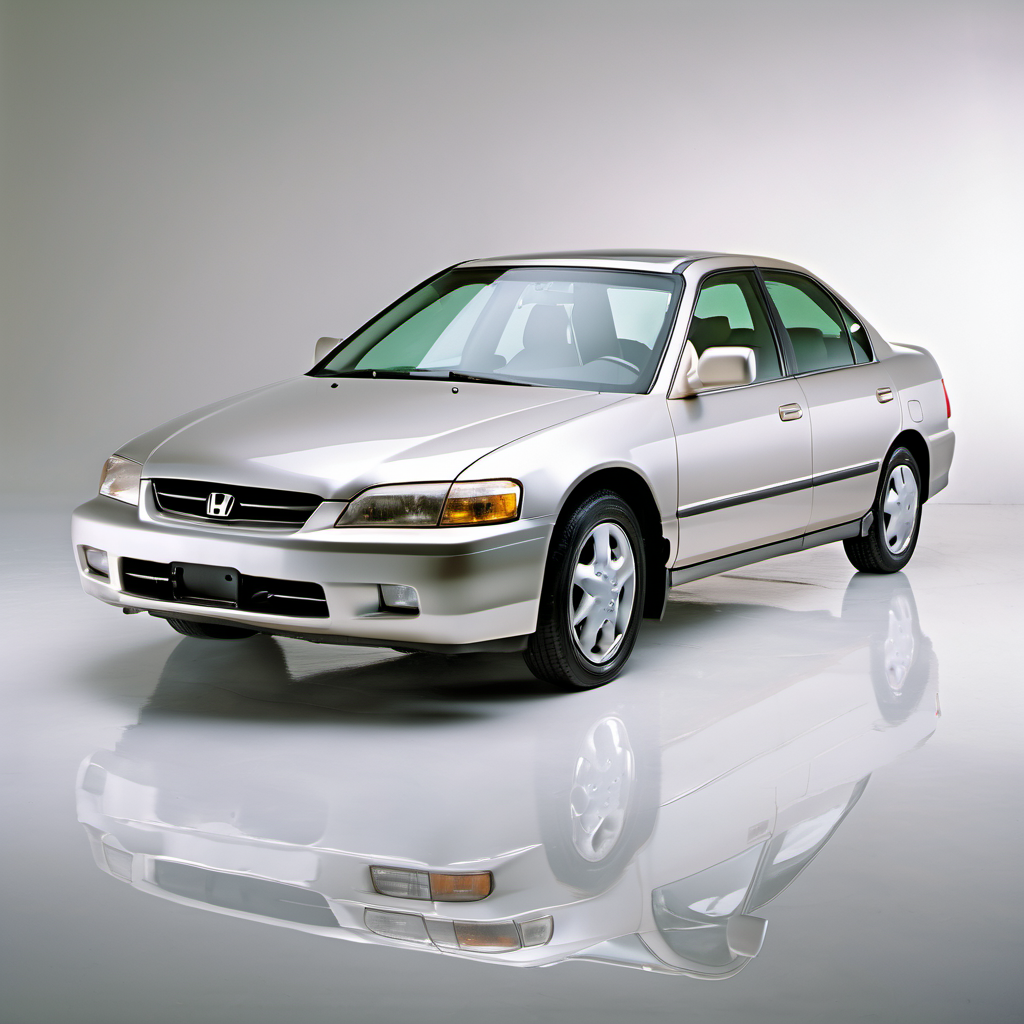
The other gold-standard mid-size sedan of the era. Similar reliability, similar pricing, similar mission. Often comes down to personal preference and service history.
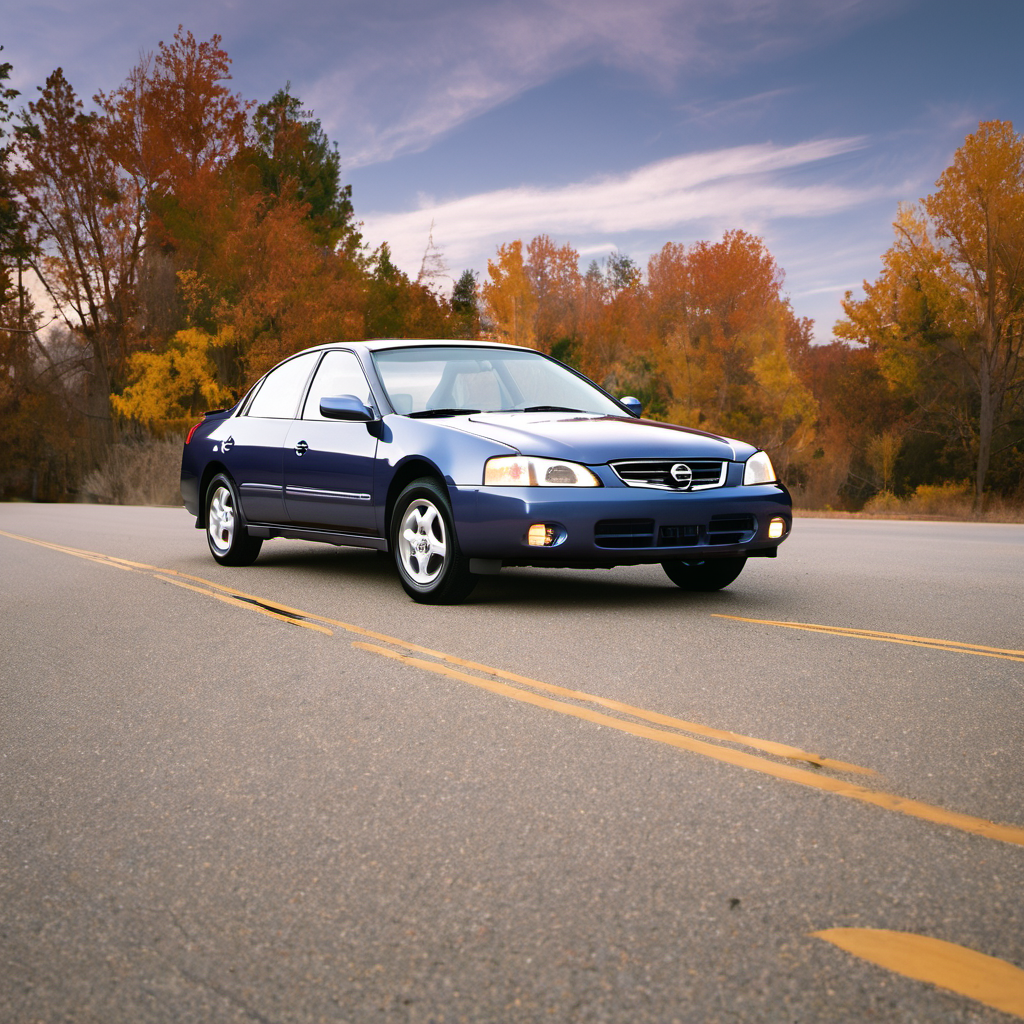
Slightly smaller and cheaper, with the proven KA24DE four-cylinder. Not quite as refined as the Camry but similarly long-lived with maintenance.
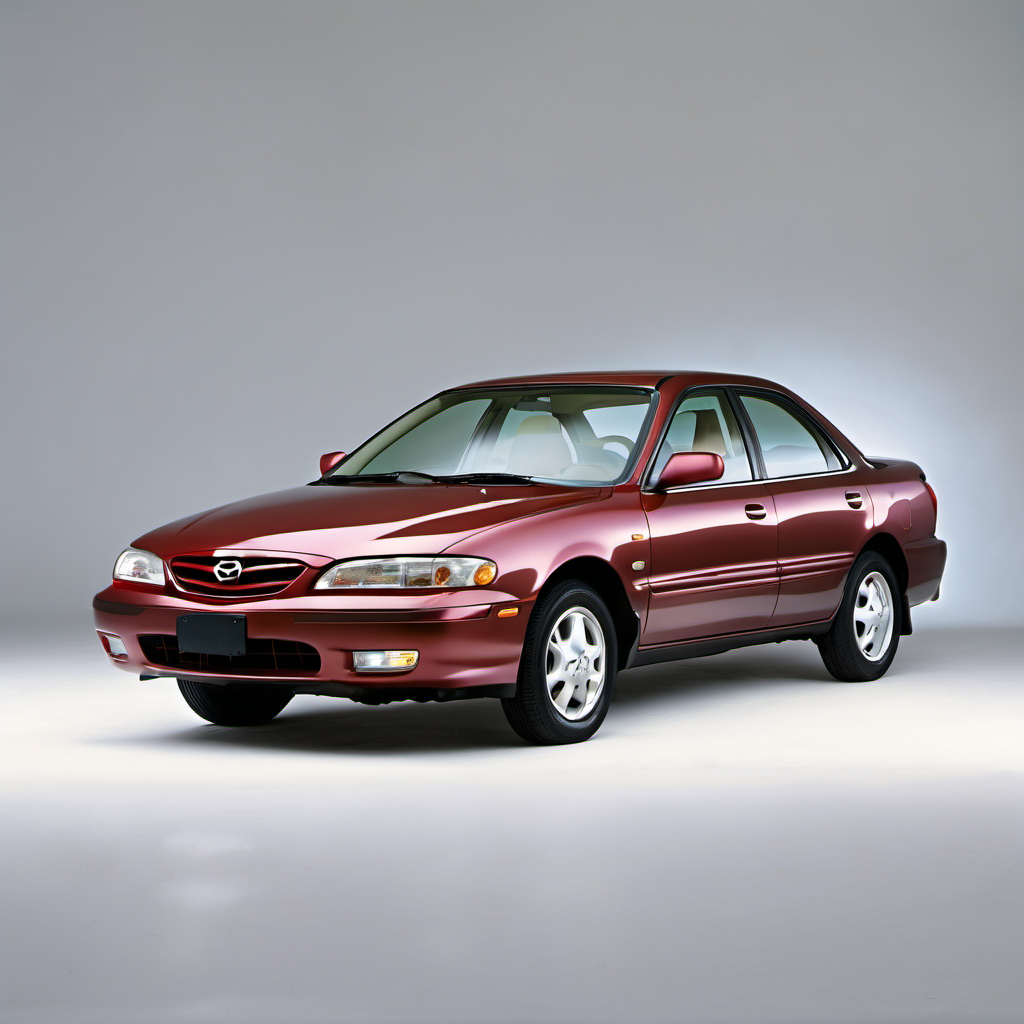
Same FWD mid-size class and price range. The 4-cylinder version is reliable; the V6 with automatic has known transmission issues — pick carefully.
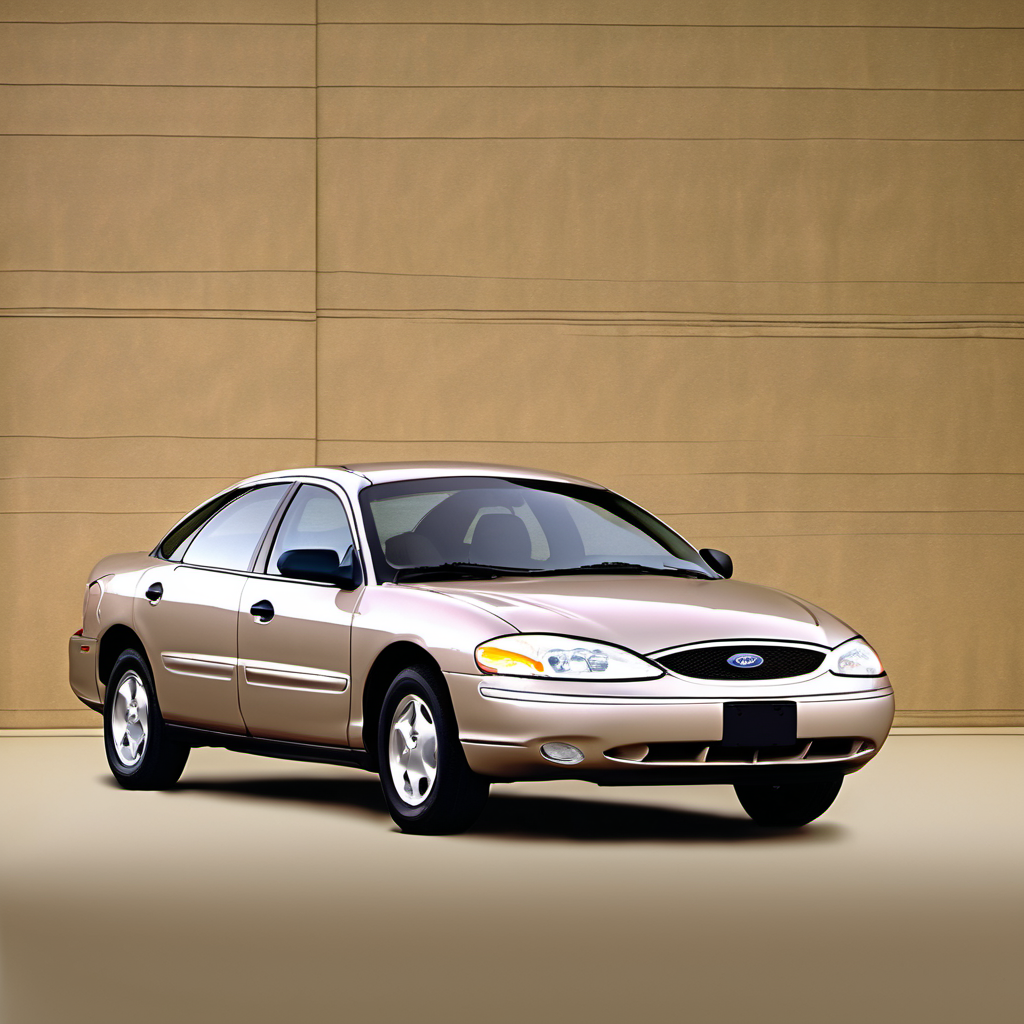
More common on used lots and often cheaper, but long-term reliability doesn't match the Camry. Good for buyers who need more car for the money and accept higher maintenance risk.