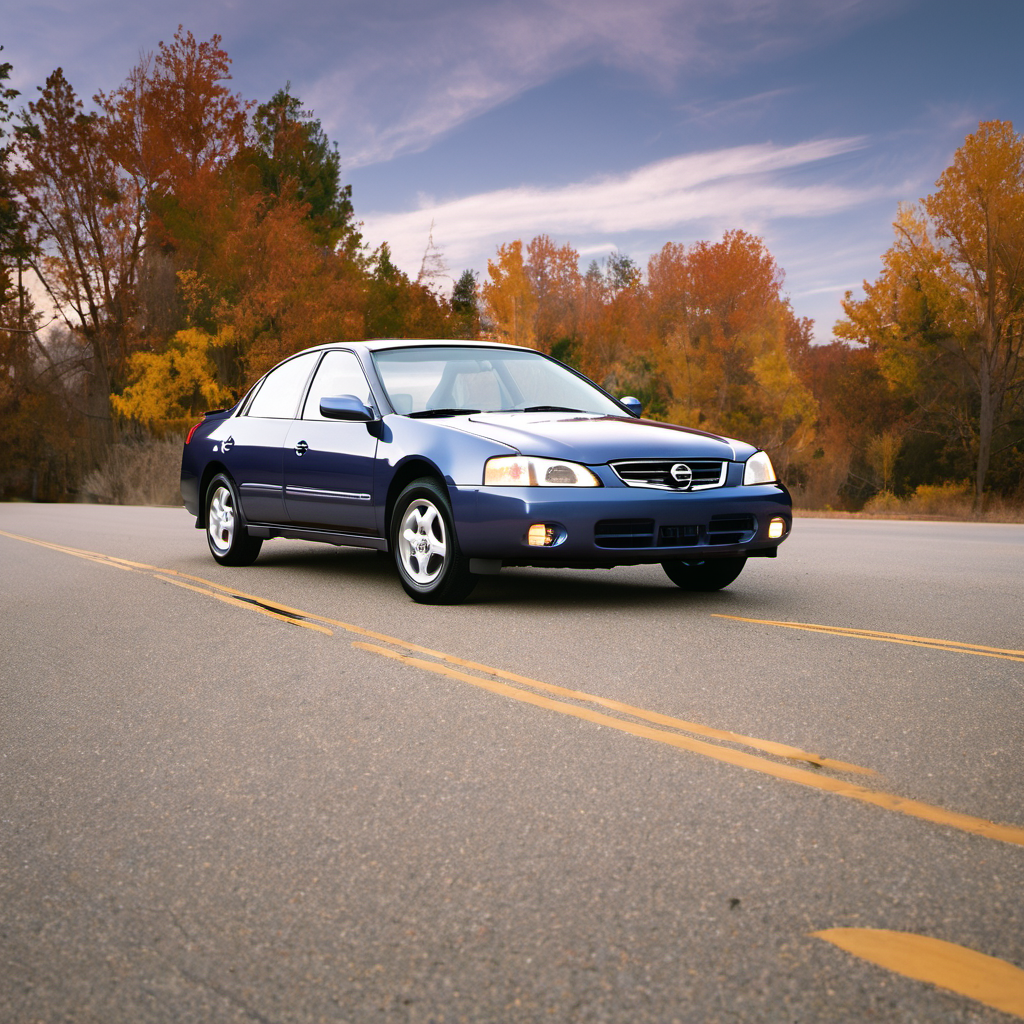
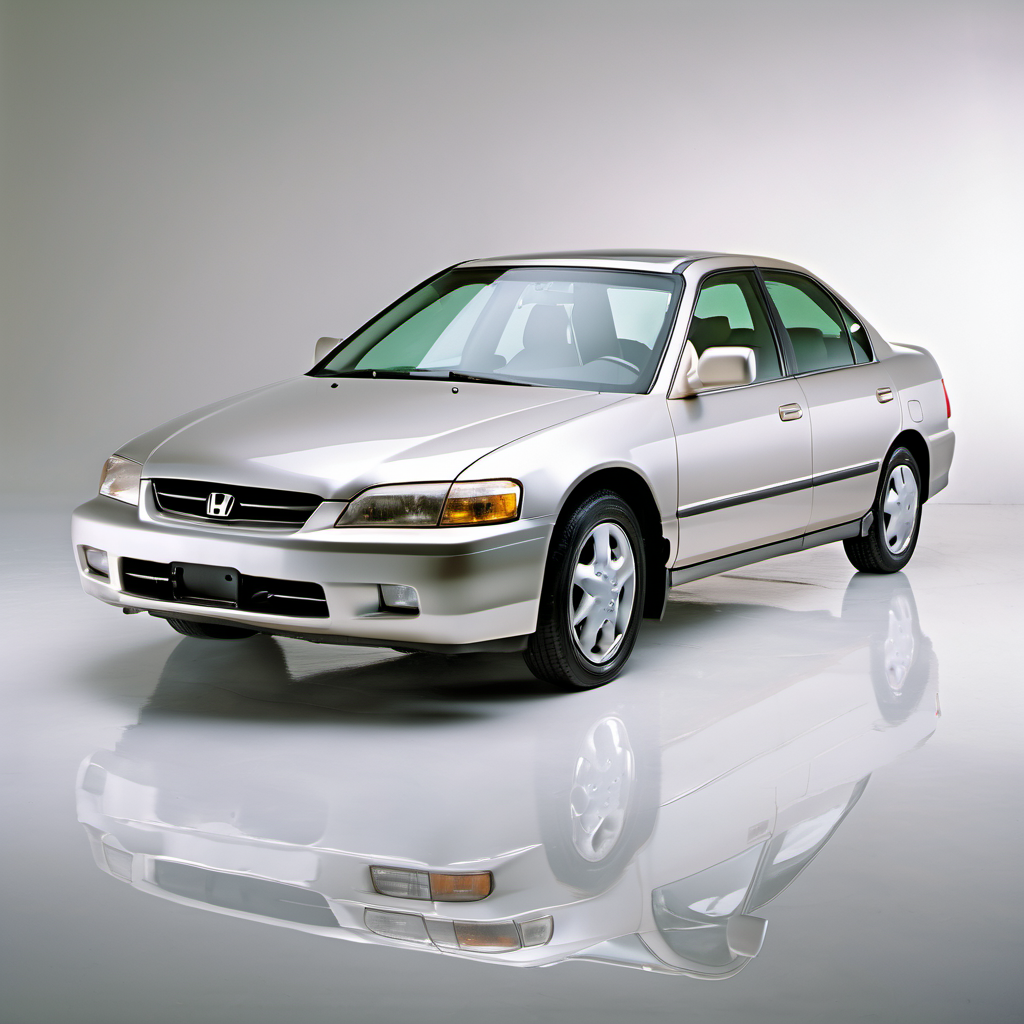
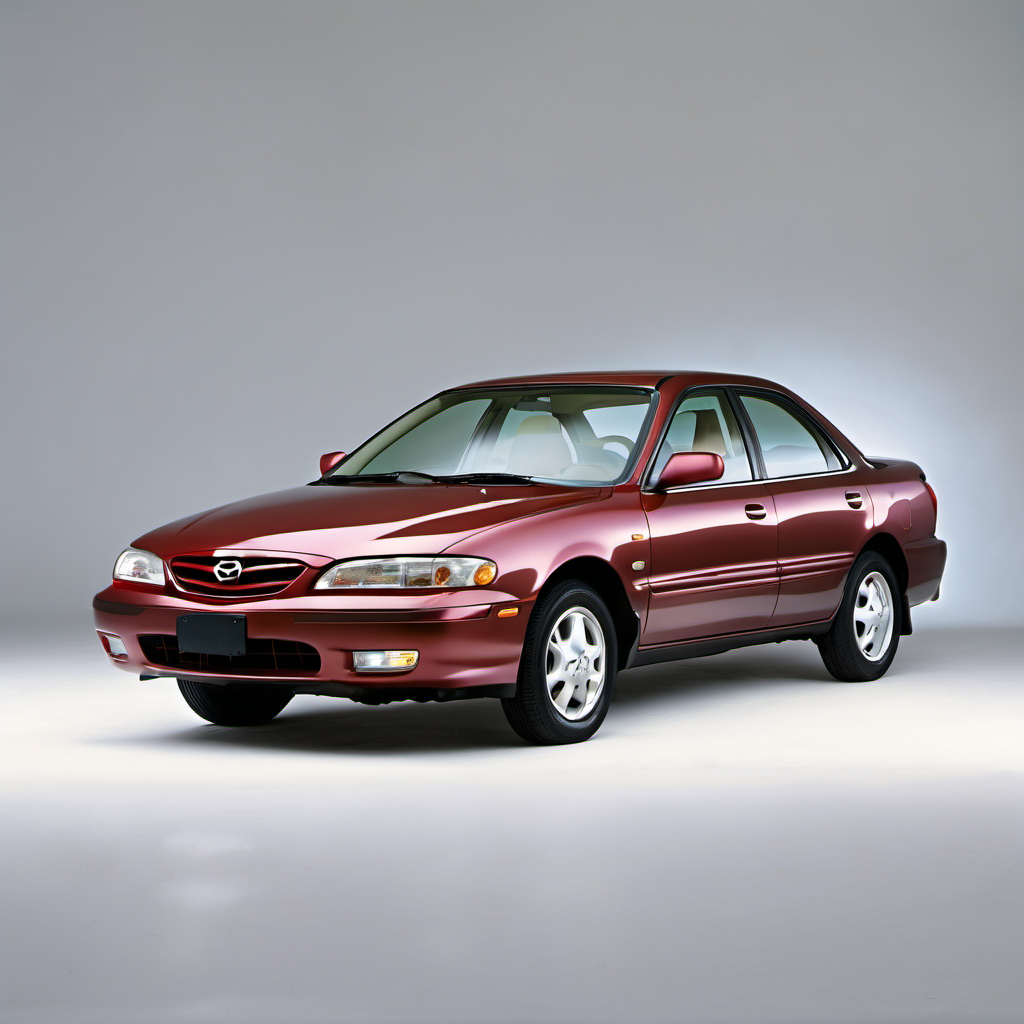
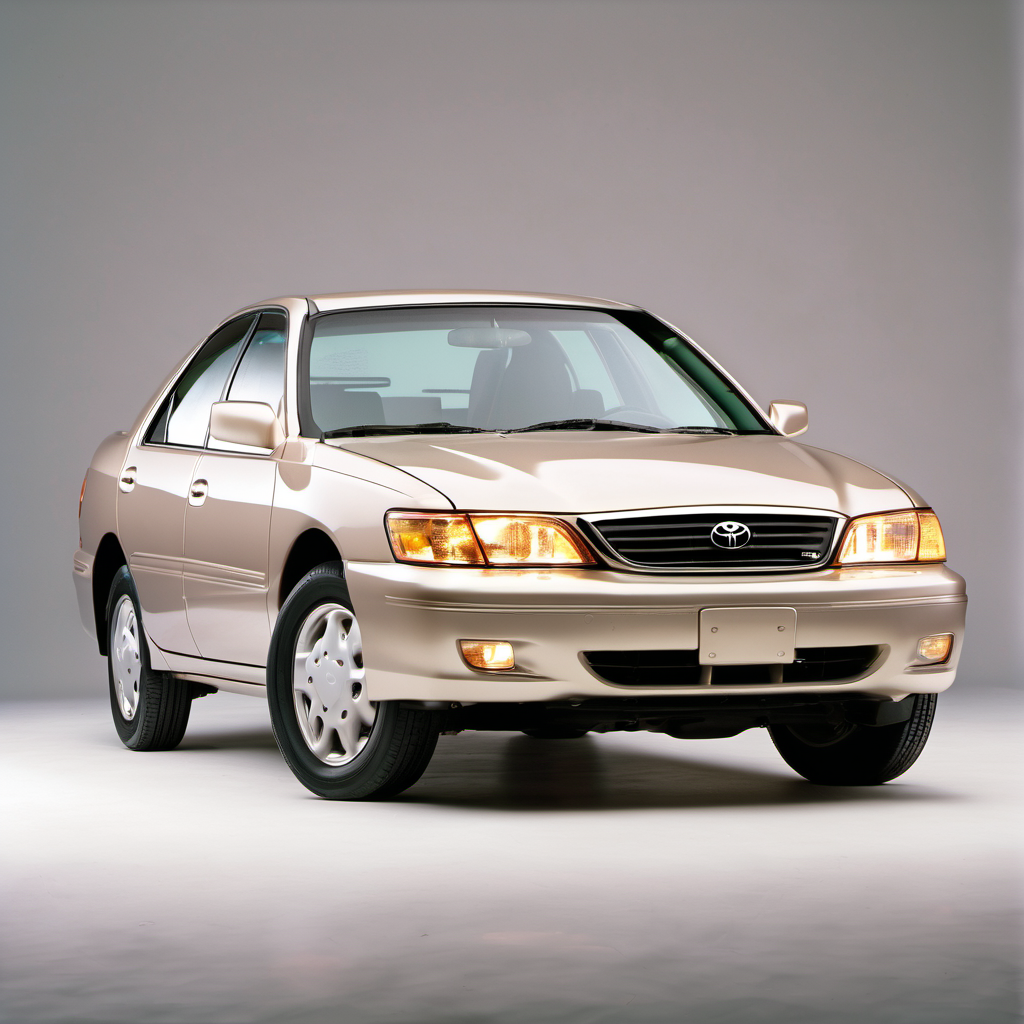
1999 Nissan Altima Sedan

1999 Nissan

AltimaSedan

Sedan

The 1999 Nissan Altima is a second-generation (1993–2001) front-wheel-drive midsize sedan powered by Nissan's proven KA24DE 2.4L inline-4. It was positioned as a practical, affordable alternative to the Camry and Accord, and it delivered on that promise with a roomy interior, decent power for its era, and generally solid mechanicals. By 1999 the platform was well into its run, so major design bugs had been ironed out. The KA24DE engine is a simple, interference-design DOHC unit that responds well to basic maintenance and can last well past 200k miles if the timing chain is respected. The 4-speed automatic is the weak link — it is a known trouble spot if fluid changes were skipped. At 25+ years old, any surviving 1999 Altima is a high-mileage car. Rust is the single biggest enemy in the upper Midwest, and suspension/fuel-system corrosion must be the first thing you evaluate before purchase.

Reliability
3/5
Verified data
Specs shown for Altima — the most common configuration. Other trims may vary in engine, drivetrain, or fuel economy. Sign in to see your vehicle's exact specs.
Engine
[object Object]
Drivetrain
FWD
Fuel
Gasoline
MPG
20 city / 28 hwy / 23 combined
Seats
Doors
Body
Compact Cars

Overview

AI-curated

The 1999 Nissan Altima is a second-generation (1993–2001) front-wheel-drive midsize sedan powered by Nissan's proven KA24DE 2.4L inline-4. It was positioned as a practical, affordable alternative to the Camry and Accord, and it delivered on that promise with a roomy interior, decent power for its era, and generally solid mechanicals. By 1999 the platform was well into its run, so major design bugs had been ironed out. The KA24DE engine is a simple, interference-design DOHC unit that responds well to basic maintenance and can last well past 200k miles if the timing chain is respected. The 4-speed automatic is the weak link — it is a known trouble spot if fluid changes were skipped. At 25+ years old, any surviving 1999 Altima is a high-mileage car. Rust is the single biggest enemy in the upper Midwest, and suspension/fuel-system corrosion must be the first thing you evaluate before purchase.

Known for
  • Durable KA24DE 2.4L engine with a strong track record
  • Spacious cabin for a mid-90s midsize sedan
  • Affordable parts and straightforward DIY maintenance
  • Decent highway fuel economy for a late-1990s 4-cylinder
Best for
  • Budget-conscious commuters who can do their own upkeep
  • Buyers looking for a simple, non-turbocharged older daily driver
  • Owners with access to a lift for regular undercarriage inspections
Watch for
  • Heavy undercarriage and rocker panel rust common on Midwest cars
  • Neglected timing chain — this engine is interference-design
  • 4-speed automatic transmission failure if fluid was never changed
  • Cracked or hardened cooling system hoses and brittle vacuum lines at this age
  • Distributor and ignition component failures on high-mileage examples

Common issues by mileage

6 known

Timing Chain Stretch / Guide Wear

medium
Typically appears
120k+ mi
Estimated repair
$600 – $1,200

4-Speed Automatic Transmission Failure

high
Typically appears
100k–160k mi
Estimated repair
$1,200 – $2,500

Distributor Failure (Ignition System)

high
Typically appears
80k–150k mi
Estimated repair
$200 – $450

Exhaust Manifold Cracks / Studs

medium
Typically appears
100k+ mi
Estimated repair
$300 – $700

Oxygen Sensor Failure (B1S1 / B1S2)

medium
Typically appears
80k–130k mi
Estimated repair
$150 – $350

Undercarriage / Subframe Rust (Midwest)

high
Typically appears
All mileages — age-driven
Estimated repair
$500 – $3,000

Maintenance schedule

  1. 1
    Every 5,000 mi or 6 months Engine Oil & Filter Change

    The KA24DE's timing chain guides depend on clean, full-pressure oil. Sludge from extended intervals is the top cause of premature chain and guide wear on this engine.

  2. 2
    Every 30,000 mi — use Nissan-spec fluid Automatic Transmission Fluid Change

    The RE4F04A 4-speed automatic is sensitive to fluid condition. Many failures trace directly to fluid that was never changed. If fluid is dark brown and smells burnt, a change may not save it, but it buys time.

  3. 3
    Every 2 years or at any ownership change Coolant System Flush & Hose Inspection

    At 25+ years, original or aged hoses are a blowout risk. Inspect upper/lower radiator hoses, heater core hoses, and the thermostat housing for brittleness or seeping. Replace the thermostat and radiator cap at the same time.

  4. 4
    Every 30,000 mi Distributor Cap, Rotor & Spark Plugs

    The KA24DE uses a conventional distributor. Worn caps and rotors cause misfires and hard starts — common complaints on high-mileage examples. Inspect the distributor shaft for play while you're there.

  5. 5
    Every 2 years Brake Fluid Flush

    Hygroscopic fluid in a car this old absorbs moisture and lowers boiling point. Also inspect brake lines and calipers for corrosion — a real concern on salted Wisconsin roads.

  6. 6
    Every fall before road-salt season Undercarriage Rust Inspection & Treatment

    Inspect subframe, rocker panels, brake lines, and fuel lines for rust penetration. Apply rust inhibitor to bare metal. Compromised brake or fuel lines are a safety emergency.

  7. 7
    Inspect every 30,000 mi; replace by 60,000 mi or at first sign of cracking Drive Belt (Serpentine) & Belt Tensioner

    A snapped serpentine belt kills the alternator, power steering, and water pump simultaneously. At this age, replace it on a schedule, not on condition alone.

  8. 8
    Every 30,000 mi Fuel Filter Replacement

    Old fuel tanks accumulate sediment. A clogged filter starves the pump, leading to premature pump failure — an expensive repair relative to the filter cost.

Always defer to the manufacturer's service manual for warranty-mandated intervals.

Cost of ownership

Annual maintenance
$600 – $1,800
Fuel
At 23 MPG combined and ~12,000 mi/year, expect roughly $1,400–$1,700/year at $2.70–$3.30/gal. Highway driving pushes toward 28 MPG.
Insurance
Liability-only coverage on a 25-year-old vehicle typically runs $400–$800/year in the Lake Geneva area depending on driving history. Full coverage rarely makes financial sense at this value.

This is a genuinely cheap car to own IF it is rust-free and the transmission and timing chain are healthy. Parts are inexpensive and widely available. The risk is a surprise transmission or major corrosion repair — either one can exceed the car's market value. Budget a one-time inspection ($150–$200) before purchase to avoid a costly mistake.
Seasonal care

Lake Geneva, WI
Winter
  • Test the battery before first hard freeze — cold-cranking amps drop sharply below 20°F and a 3+ year-old battery should be replaced proactively
  • Switch to a 5W-30 full-synthetic oil if running conventional to improve cold-start lubrication and reduce timing chain wear on frigid mornings
  • Inspect and replace wiper blades with winter-rated blades; keep washer fluid rated to -20°F or colder — Lake Geneva roads get heavy brine
  • Check brake lines and steel fuel lines for rust perforations before salt season begins; treat exposed metal
  • Keep the gas tank at least half full to prevent fuel line moisture and reduce tank-pump condensation
  • Flush and refill coolant to the correct 50/50 mix to ensure freeze protection to at least -34°F
Summer
  • Inspect the cooling system cap, thermostat, and hoses before temperatures climb — a 25-year-old cooling system has little margin for error in July heat
  • Check A/C refrigerant charge and inspect the condenser for road debris buildup; weak A/C on a hot day often means a slow leak, not just age
  • Check tire pressure monthly — ambient temperature swings of 30°F between Wisconsin spring and summer can shift PSI by 3–4 lbs
  • Inspect the serpentine belt for cracking under summer heat stress; heat accelerates rubber degradation

Comparable vehicles

If you're shopping for one

Red flags
  • Any visible rust perforation on rockers, subframe, or floor pan — repair costs will exceed the car's value
  • Burnt or very dark automatic transmission fluid — transmission is likely on its way out
  • Timing chain rattle on startup — interference engine means a jumped chain can destroy pistons and valves
  • White exhaust smoke at operating temperature — head gasket suspect
  • Rusted-through brake or fuel lines — immediate safety hazard, not a negotiating point
  • Evidence of a salvage title or major collision repair — structural integrity is hard to verify on a 25-year-old car
What to inspect
  • Lift the car and probe the rocker panels, subframe mounting points, and rear wheel wells with a screwdriver — soft metal is a deal-breaker
  • Check brake lines and steel fuel lines along the entire undercarriage for rust perforation or heavy scale
  • Pull the transmission dipstick: fluid should be pink/red and not smell burnt. Dark brown fluid with a burnt odor signals a stressed or failing transmission
  • Warm the engine fully and listen for timing chain rattle at idle, especially on cold start — a rattling chain needs immediate attention
  • Check the distributor cap for carbon tracking or shaft wobble; a worn distributor is a common no-start cause
  • Inspect all coolant hoses for brittleness, bulging at clamps, or seepage; feel the heater core hoses for firmness
  • Test the A/C for cold output and inspect the condenser fins for corrosion
  • Check for oil in the coolant reservoir (milky residue) or coolant smell at the oil dipstick — signs of a head gasket problem
AI profile generated 8 days ago · claude-sonnet-4-6 · v2.