AX4N Automatic Transmission Failure
high- Typically appears
- 80–130k mi
- Estimated repair
- $1,400 – $2,800
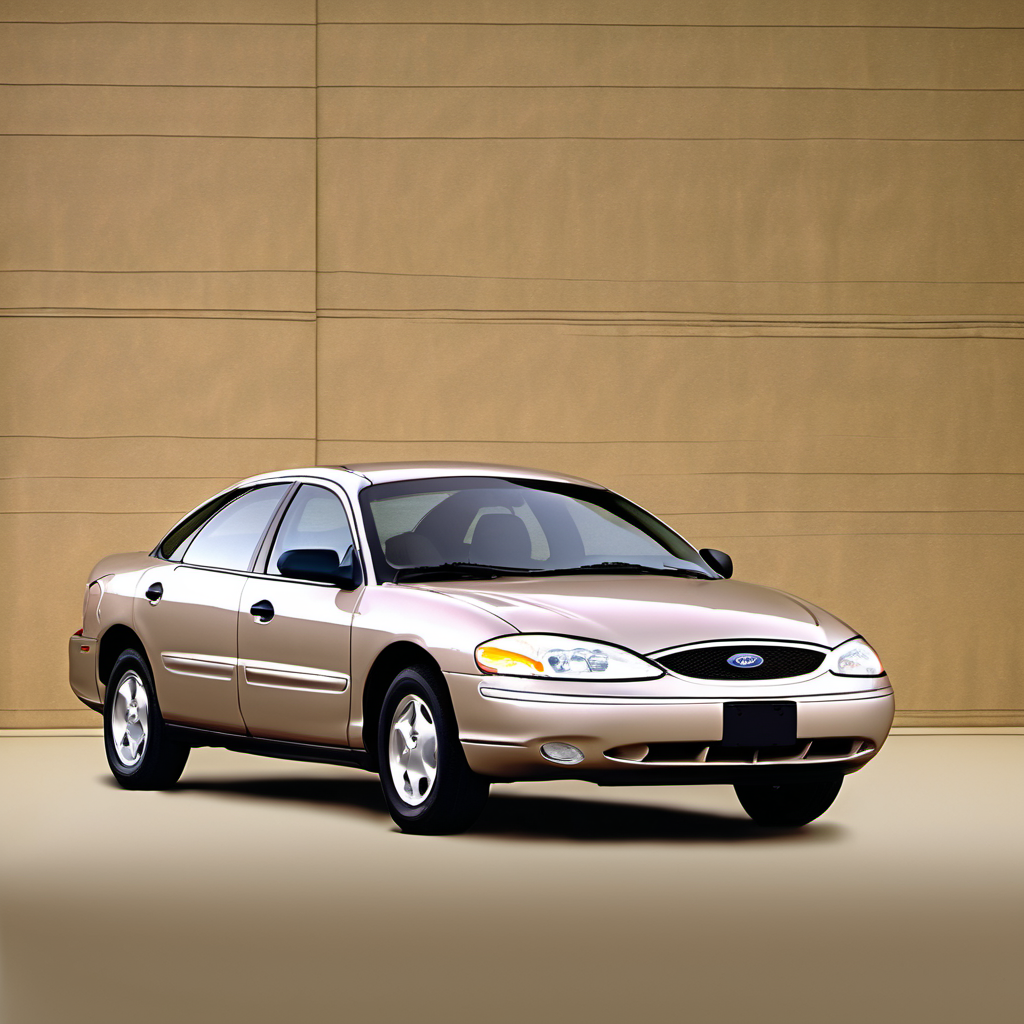
1999 Ford
Sedan
The 1999 Ford Taurus was one of America's best-selling family sedans, and for good reason — it offered a roomy interior, a proven V6 powertrain, and a relatively affordable price tag. By 1999 Ford had ironed out many of the teething issues of the mid-decade redesign, making this a reasonably dependable daily driver for the era. That said, it's now a 25-year-old vehicle, and age-related wear on cooling systems, gaskets, and rubber components is the dominant concern rather than design flaws. The standard 3.0L Vulcan V6 is a bulletproof, low-tech pushrod engine that will run reliably well past 200k miles if oil changes were kept up. The optional 3.0L DOHC Duratec is more powerful but significantly more expensive to repair. Knowing which engine you have is step one when buying or servicing one of these. The AX4N automatic transmission is the Taurus's biggest reliability weak point. It was prone to early failure if the fluid was never serviced, and replacements or rebuilds were common in this generation. A used example in good shape can still be a solid, low-drama commuter — but only if it has a documented history and has been well maintained.
The 1999 Ford Taurus was one of America's best-selling family sedans, and for good reason — it offered a roomy interior, a proven V6 powertrain, and a relatively affordable price tag. By 1999 Ford had ironed out many of the teething issues of the mid-decade redesign, making this a reasonably dependable daily driver for the era. That said, it's now a 25-year-old vehicle, and age-related wear on cooling systems, gaskets, and rubber components is the dominant concern rather than design flaws. The standard 3.0L Vulcan V6 is a bulletproof, low-tech pushrod engine that will run reliably well past 200k miles if oil changes were kept up. The optional 3.0L DOHC Duratec is more powerful but significantly more expensive to repair. Knowing which engine you have is step one when buying or servicing one of these. The AX4N automatic transmission is the Taurus's biggest reliability weak point. It was prone to early failure if the fluid was never serviced, and replacements or rebuilds were common in this generation. A used example in good shape can still be a solid, low-drama commuter — but only if it has a documented history and has been well maintained.
The AX4N is the Taurus's biggest failure point. Ford originally called it 'lifetime' fluid; independent experience shows this kills transmissions. Fresh Mercon V fluid at regular intervals is cheap insurance.
The Vulcan V6 is prone to intake manifold coolant crossover gasket leaks. Old coolant accelerates gasket deterioration. Inspect all hoses for cracking — at 25 years old, many are overdue.
A snapped belt at highway speed disables the alternator, power steering, and water pump simultaneously. At this vehicle's age, replace it regardless of appearance.
The Vulcan uses conventional spark plugs (not platinum/iridium long-life). Worn plugs cause misfires and poor fuel economy. Rear bank access is tight but manageable.
Wisconsin road salt aggressively corrodes steel brake lines on vehicles of this era. A line failure is a safety emergency. Inspect the full run from master cylinder to each wheel every year.
Cold cranking demand spikes in Wisconsin winters. A battery showing 70% capacity in October will often fail by January. Test and replace proactively.
FWD vehicles wear front tires faster. Uneven wear also points to worn suspension components, which are common at this age and mileage.
Rack leaks are common on high-mileage Tauruses. Check fluid level and look for residue around the rack boots and pump. Catching a slow leak early avoids a full rack replacement.
Always defer to the manufacturer's service manual for warranty-mandated intervals.
Day-to-day costs are low when nothing breaks. The risk is one large repair — a transmission rebuild or head gasket job — that can easily exceed the car's market value. Budget accordingly and keep an emergency repair fund. Deferred maintenance on this generation Taurus compounds quickly.
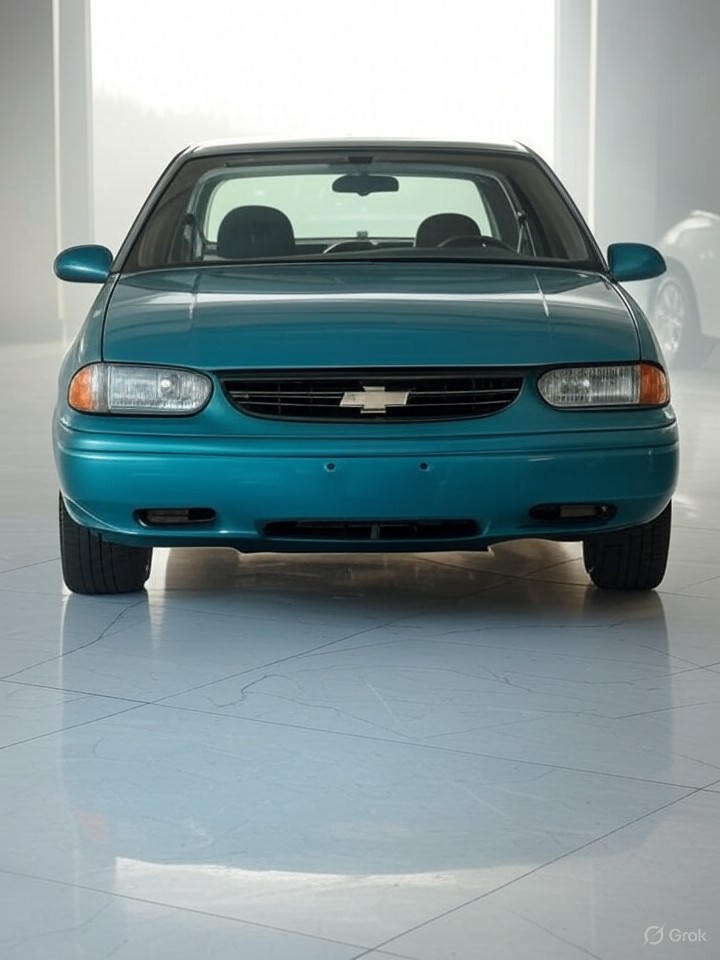
Same era, same FWD family sedan mission, similar price point. The 3.1L V6 Malibu is comparable in reliability — both have known cooling system issues at age.
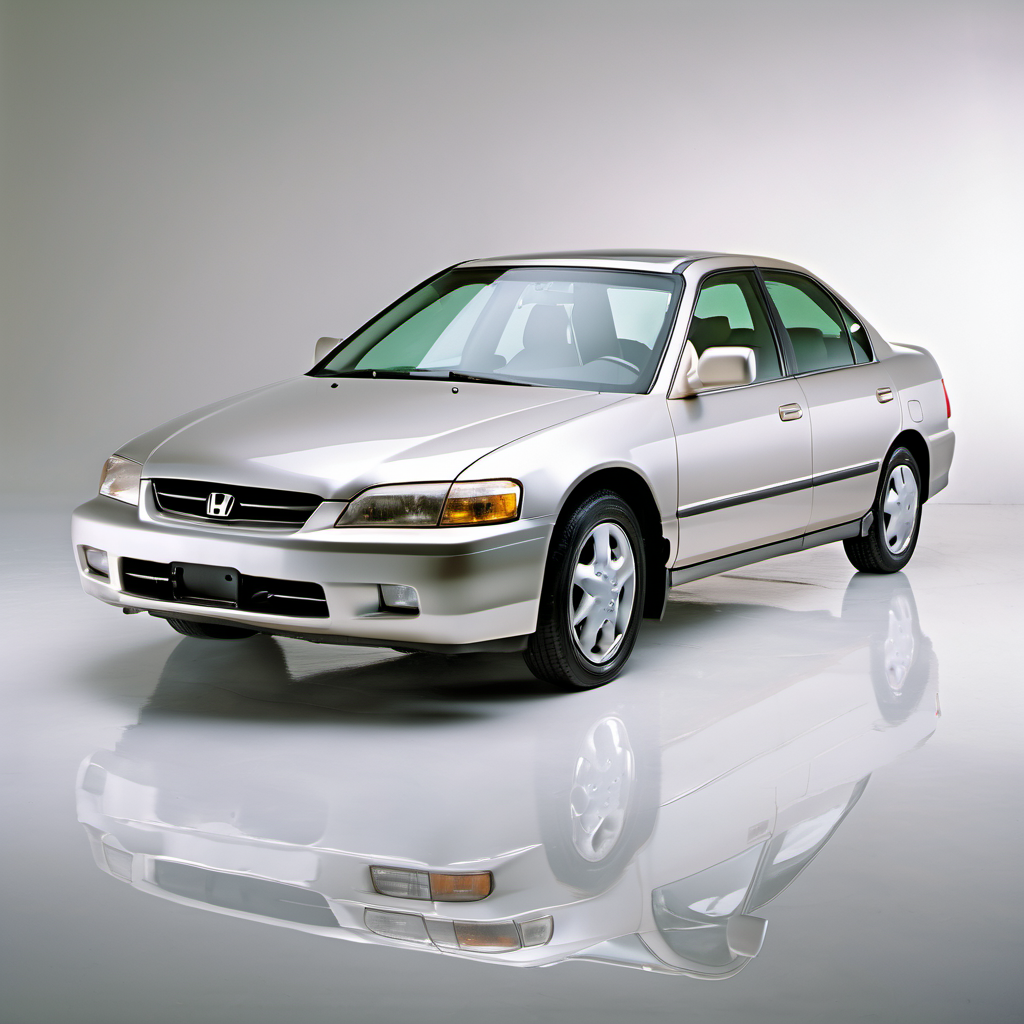
Direct competitor in the mid-size family sedan segment. The Accord edges the Taurus on long-term reliability and resale but commands a higher used price for the same mileage.
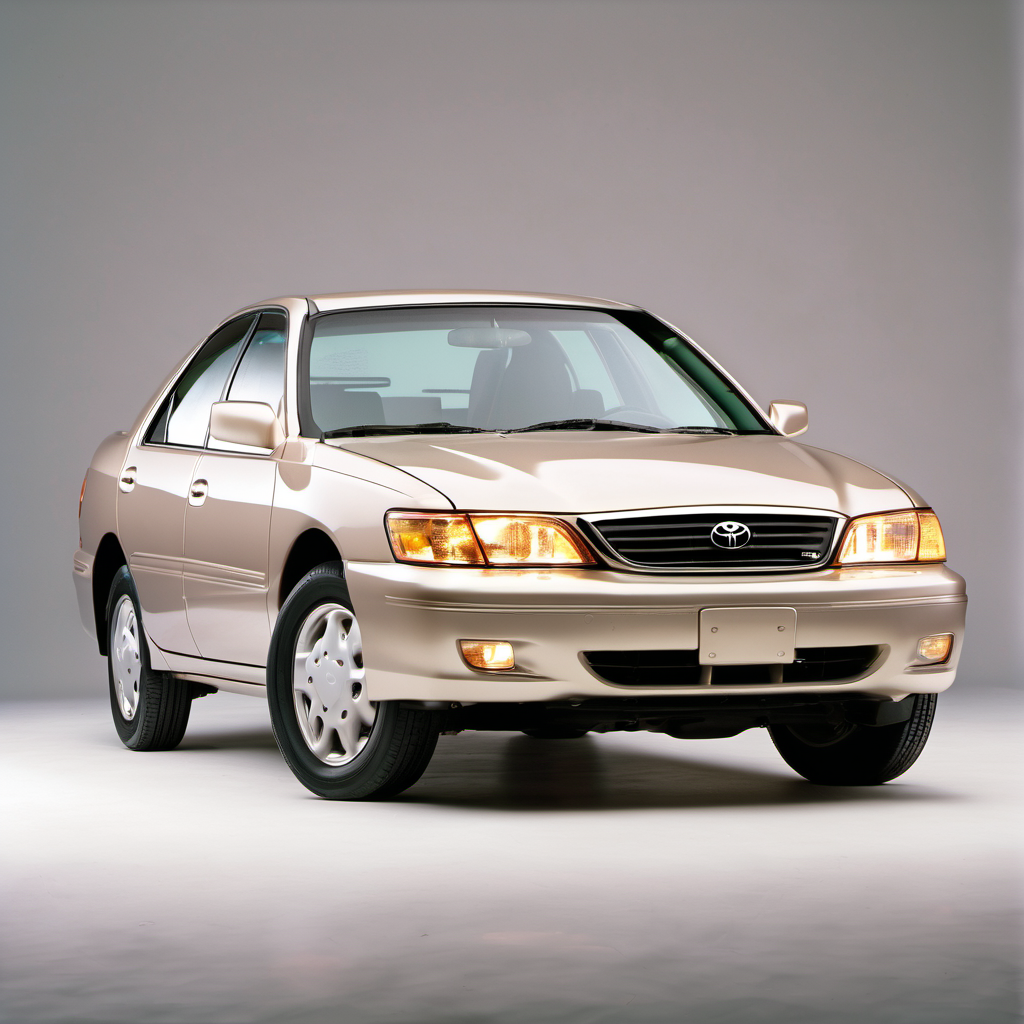
The benchmark mid-size sedan of the era. More expensive used than the Taurus, but the 2.2L I4 and 3.0L V6 Camry typically demand less repair investment at equivalent mileage.
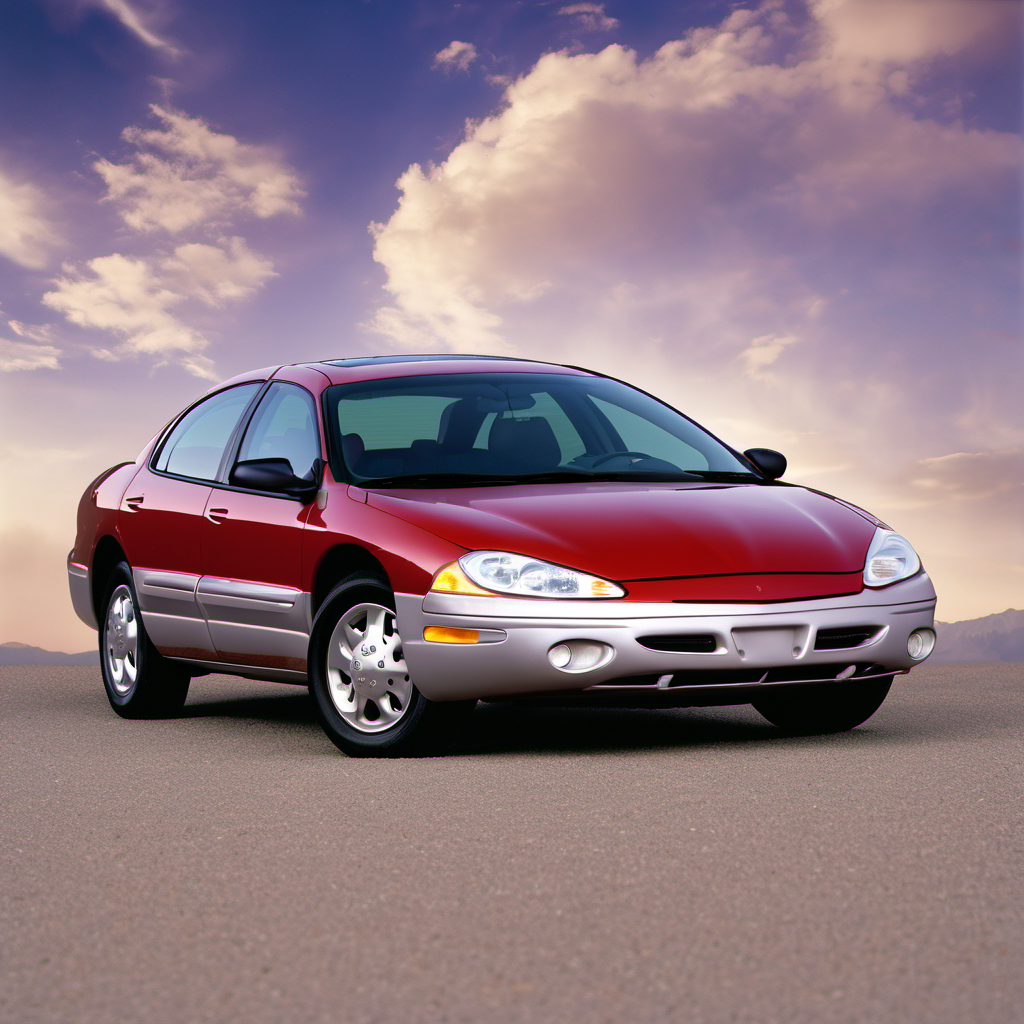
Another domestic FWD V6 family sedan in the same price range. Larger interior than the Taurus but the 2.7L V6 Intrepid has a notably worse reputation for engine sludge — favor the Taurus over that specific engine.