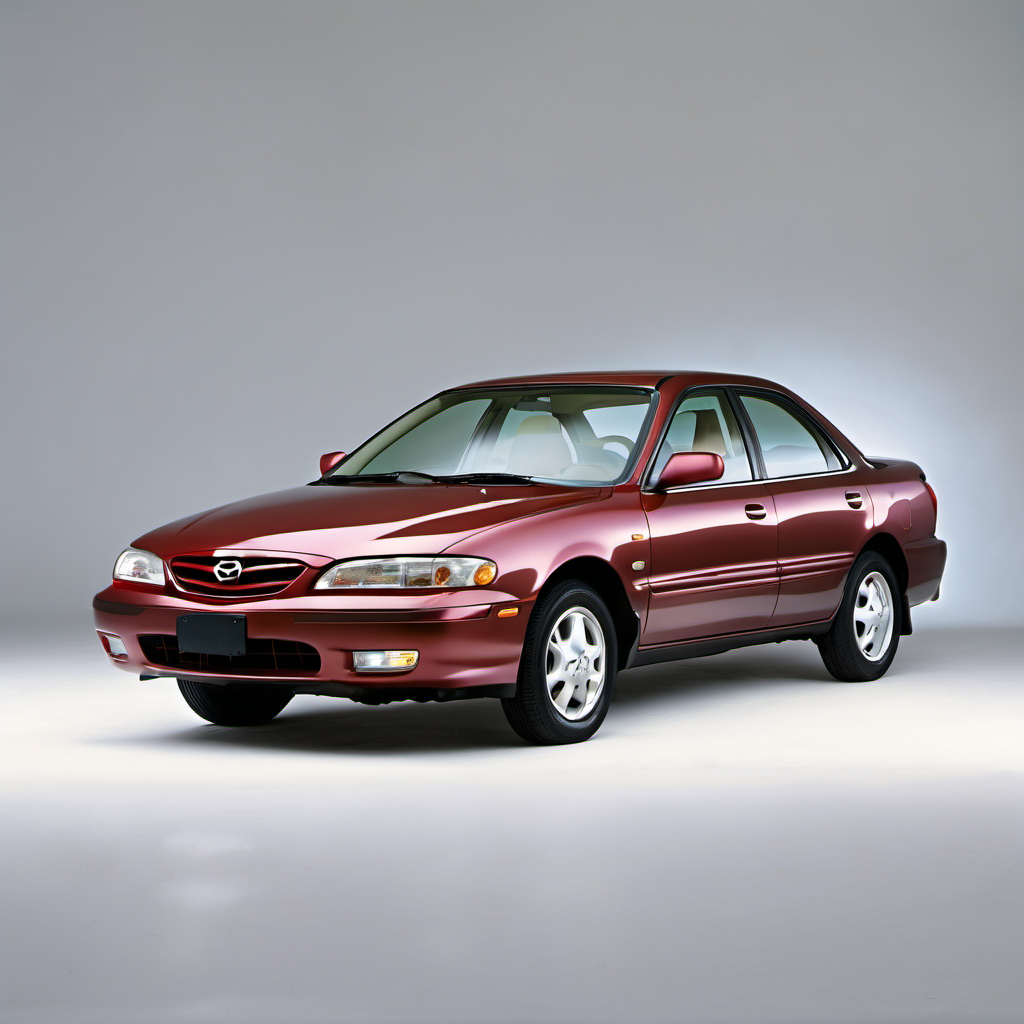
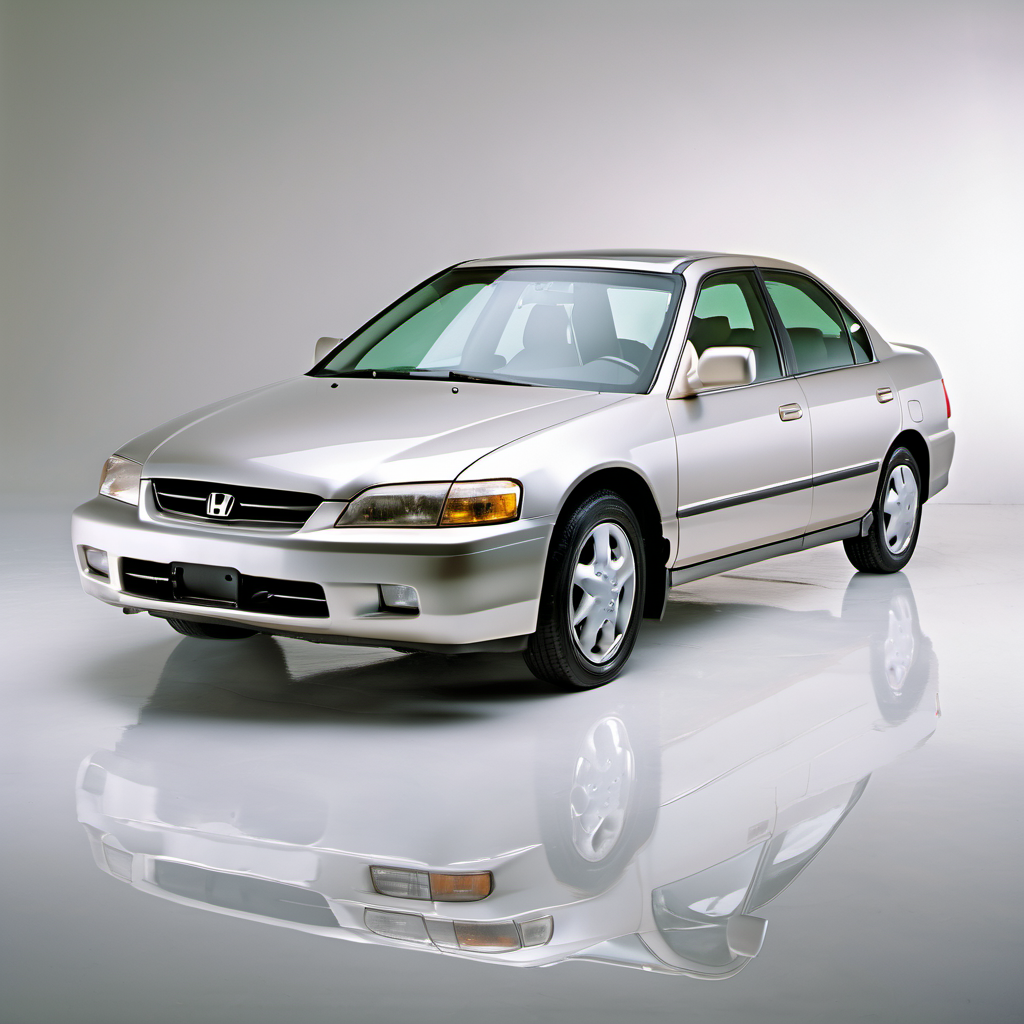
1999 MAZDA 626 Sedan

1999 MAZDA

626Sedan

Sedan

The 1999 Mazda 626 is a mid-size front-wheel-drive sedan that represented Mazda's mainstream family car through much of the 1990s. It earned a reputation for a car-like, involving driving feel that stood out in the segment, paired with a comfortable interior and reasonable fuel economy for its era. The fourth-generation 626 (1993–2002) came with either a 2.0L four-cylinder or an optional 2.5L V6. The four-cylinder cars are significantly more reliable than the V6 models due to transmission problems that plagued the six-cylinder variants. At 25 years old, any surviving 626 is a high-mileage veteran — rust, worn suspension bushings, and deferred maintenance are the primary concerns at this point. Parts availability has thinned out considerably. This is an enthusiast-tolerant daily driver at best, not a long-term investment. Expect to hunt for some components and budget for the age-related wear that's unavoidable on a vehicle this old.

Reliability
3/5
Verified data
Specs shown for 626 — the most common configuration. Other trims may vary in engine, drivetrain, or fuel economy. Sign in to see your vehicle's exact specs.
Engine
[object Object]
Drivetrain
FWD
Fuel
Gasoline
MPG
19 city / 26 hwy / 22 combined
Seats
Doors
Body
Midsize Cars

Overview

AI-curated

The 1999 Mazda 626 is a mid-size front-wheel-drive sedan that represented Mazda's mainstream family car through much of the 1990s. It earned a reputation for a car-like, involving driving feel that stood out in the segment, paired with a comfortable interior and reasonable fuel economy for its era. The fourth-generation 626 (1993–2002) came with either a 2.0L four-cylinder or an optional 2.5L V6. The four-cylinder cars are significantly more reliable than the V6 models due to transmission problems that plagued the six-cylinder variants. At 25 years old, any surviving 626 is a high-mileage veteran — rust, worn suspension bushings, and deferred maintenance are the primary concerns at this point. Parts availability has thinned out considerably. This is an enthusiast-tolerant daily driver at best, not a long-term investment. Expect to hunt for some components and budget for the age-related wear that's unavoidable on a vehicle this old.

Known for
  • Engaging, sporty driving feel for a family sedan
  • Smooth and willing 2.0L four-cylinder engine
  • Comfortable, well-finished interior for its class and era
  • Notorious automatic transmission problems on V6 models
  • Thinning parts availability as the model ages out
Best for
  • Budget-conscious drivers who do their own maintenance
  • Owners wanting a simple, older daily driver with good handling
  • Someone who already knows this car and its quirks
  • Short-trip urban or suburban commuting
Watch for
  • Automatic transmission failure on V6 models — a well-documented chronic issue
  • Rust on rocker panels, subframe, and undercarriage — critical in Wisconsin
  • Head gasket seepage on higher-mileage four-cylinders
  • Coolant system neglect leading to overheating
  • Electrical gremlins from aging wiring and connectors

Common issues by mileage

6 known

Automatic Transmission Slipping / Failure

high
Typically appears
80–150k mi
Estimated repair
$1,200 – $3,200

Head Gasket Seepage / Coolant Loss

medium
Typically appears
100–160k mi
Estimated repair
$800 – $1,600

Oxygen Sensor Failure (Bank 1, Sensor 1)

medium
Typically appears
80–130k mi
Estimated repair
$150 – $350

Suspension Bushings / Front End Wear (Control Arms, Tie Rods)

high
Typically appears
100k+ mi
Estimated repair
$300 – $900

Cooling System Deterioration (Hoses, Thermostat, Radiator)

high
Typically appears
Any age above 15 years
Estimated repair
$200 – $700

Undercarriage / Rocker Panel Rust

high
Typically appears
Any mileage — age and road salt driven
Estimated repair
$500 – $3,000

Maintenance schedule

  1. 1
    Every 5,000 miles or 6 months Engine oil and filter change

    The 2.0L I4 is oil-change sensitive. Extended intervals on an engine this old accelerate sludge buildup and accelerate wear on already-tired seals.

  2. 2
    Every 2 years or immediately if not documented Coolant flush and hose inspection

    A 25-year-old cooling system almost certainly has original or near-original hoses and a tired radiator. Overheating on this engine leads directly to head gasket failure. Inspect hoses for cracking and softness at every oil change.

  3. 3
    Every 30,000 miles or immediately if unknown Transmission fluid service (automatic)

    Mazda automatic transmissions from this era are sensitive to fluid condition. Dark, burnt-smelling fluid is a warning sign that damage may already be underway. Do not flush if you suspect internal damage — a drain-and-fill is safer on a high-mileage unit.

  4. 4
    Every 60,000 miles or 5 years — check service history immediately Timing belt and water pump replacement

    The 2.0L FS engine is an interference engine. A snapped timing belt destroys the engine. At 25 years old, this is a critical safety-of-ownership item to document.

  5. 5
    Every 30,000 miles Spark plugs and ignition wires

    Aged plug wires cause misfires, rough cold starts, and poor fuel economy. On a high-mileage 626, fresh plugs and wires make a noticeable difference.

  6. 6
    Every 2–3 years Brake fluid flush

    Brake fluid absorbs moisture over time. On a vehicle this old, degraded fluid lowers boiling point and accelerates internal corrosion in the ABS modulator and calipers.

  7. 7
    Every spring after winter Undercarriage rust inspection

    Lake Geneva road salt is brutal. Check rocker panels, subframe mounting points, brake lines, and fuel lines annually. Soft or bubbling metal on structural points changes the ownership calculus entirely.

  8. 8
    Every fall before winter Battery load test

    Cold cranking demand in Wisconsin winters exposes a marginal battery fast. A battery more than 4–5 years old should be load-tested before the first hard freeze.

Always defer to the manufacturer's service manual for warranty-mandated intervals.

Cost of ownership

Annual maintenance
$600 – $1,800
Fuel
At 22 MPG combined and typical driving, expect roughly $1,400–$1,800/year at current Wisconsin gas prices. The 2.0L takes regular 87 octane.
Insurance
Liability-only insurance is common on a vehicle this age and value — typically $500–$900/year depending on driver profile. Full coverage rarely makes financial sense given the car's market value.

On a good year with no major failures, maintenance costs are low — oil changes, filters, and consumables. But this vehicle is 25 years old. Budget a separate $500–$1,500 repair reserve annually, because something will need attention — whether it's suspension, cooling, or electrical. The real ownership risk is a surprise $1,500+ repair on a car worth $1,500–$3,000. Know your exit number before you commit.
Seasonal care

Lake Geneva, WI
Winter
  • Load-test the battery every fall — cold starts at -10°F will kill a weak battery immediately, and 25-year-old charging systems can be marginal.
  • Switch to a full-synthetic 5W-30 oil if you haven't already — it flows better on sub-zero cold starts and reduces wear during the critical warm-up period.
  • Inspect and replace wiper blades before the first snowfall; use winter-rated blades designed to clear ice without lifting.
  • Fill the washer fluid reservoir with a -20°F or colder rated fluid — do not use summer formula or it will freeze solid in the nozzles.
  • Inspect brake lines and rubber hoses for salt corrosion and cracking before winter; hydraulic failures in freezing temps are dangerous.
  • Rinse the undercarriage frequently through winter — road salt accelerates rust on the already-vulnerable rocker panels, subframe, and brake lines of this era Mazda.
Summer
  • Check coolant level and condition before summer heat arrives — overheating is the primary engine killer on this car and a worn cooling system won't tolerate a hot Wisconsin August.
  • Inspect the A/C system for refrigerant charge and compressor clutch engagement; R-134a systems this old frequently have slow leaks.
  • Check tire pressure monthly — summer heat increases pressure by 4–6 PSI and underinflation accelerates wear and reduces fuel economy.
  • Inspect the radiator for debris, bent fins, and external corrosion — restricted airflow causes heat soak at idle in traffic.
  • Check drive belt condition for cracking and glazing — heat accelerates rubber deterioration significantly.

Comparable vehicles

If you're shopping for one

Red flags
  • No timing belt service records on any 2.0L I4 — walk away or negotiate a significant discount to cover immediate replacement.
  • Rust through the rocker panels or soft spots near subframe mounting points — structural rust makes the car unsafe and uneconomical to repair.
  • Slipping, flaring, or shuddering automatic transmission — expect $1,500–$3,000 to address it.
  • Overheating history or a coolant reservoir with a milky, foamy residue — head gasket failure is expensive relative to the car's value.
  • A check engine light that the seller can't explain or recently cleared — have it scanned before purchase.
  • Any sign of flood damage: musty smell, water stains on carpet, corroded fuse box or wiring.
What to inspect
  • Timing belt service history — this is a non-negotiable inspection item on an interference engine this old.
  • Undercarriage: crawl under and look at rocker panels, subframe, brake lines, and fuel lines for Wisconsin salt damage before anything else.
  • Transmission behavior — test for slipping, shuddering, or delayed engagement in all gears, especially cold.
  • Coolant condition — brown or oily coolant signals a head gasket problem.
  • All rubber: hoses, belts, CV axle boots — brittle or cracked rubber on a 25-year-old car means deferred maintenance.
  • Check for any oil leaks around the valve cover gasket and front crankshaft seal — common on high-mileage FS engines.
AI profile generated 8 days ago · claude-sonnet-4-6 · v2.