Head gasket failure (DOHC SC2)
high- Typically appears
- 80–150k mi
- Estimated repair
- $900 – $1,600
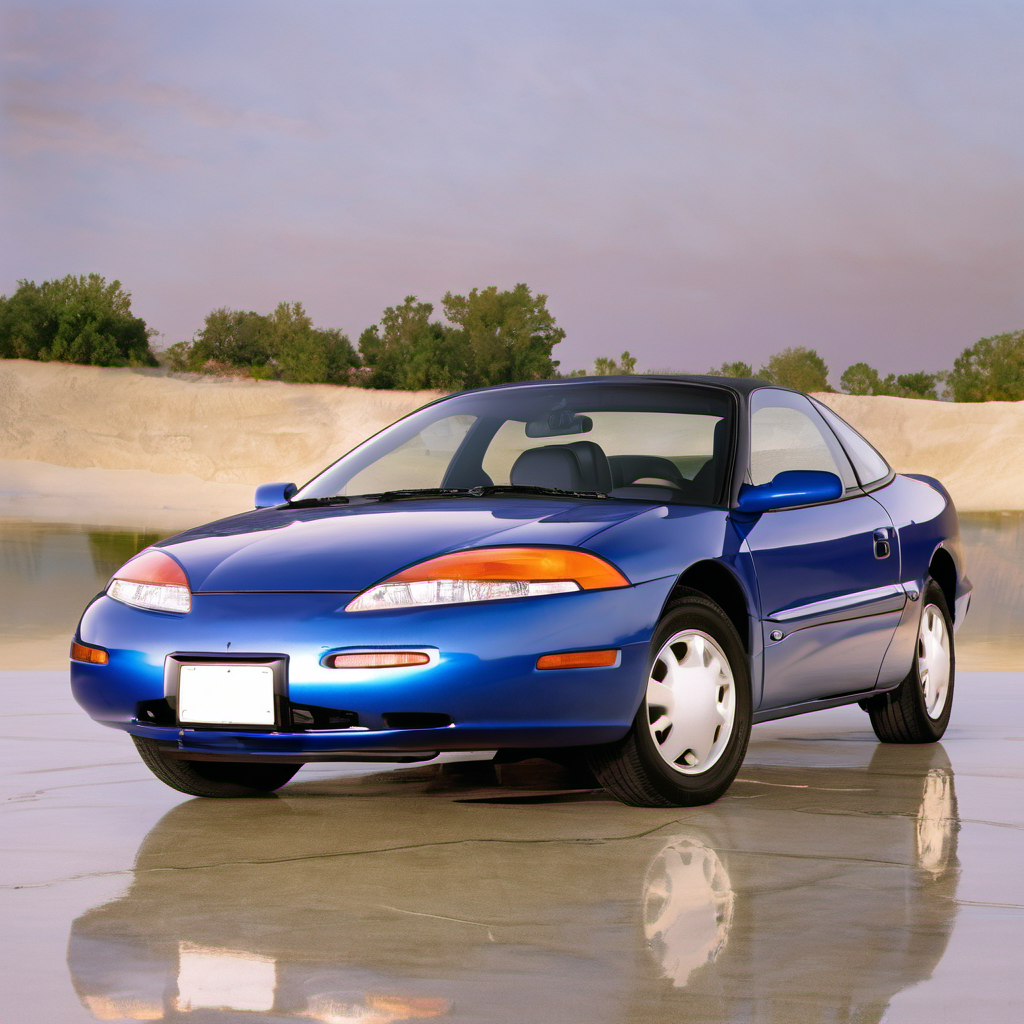
1999 Saturn
1.9L I4 SOHC (SC1) / 1.9L I4 DOHC (SC2) · Coupe
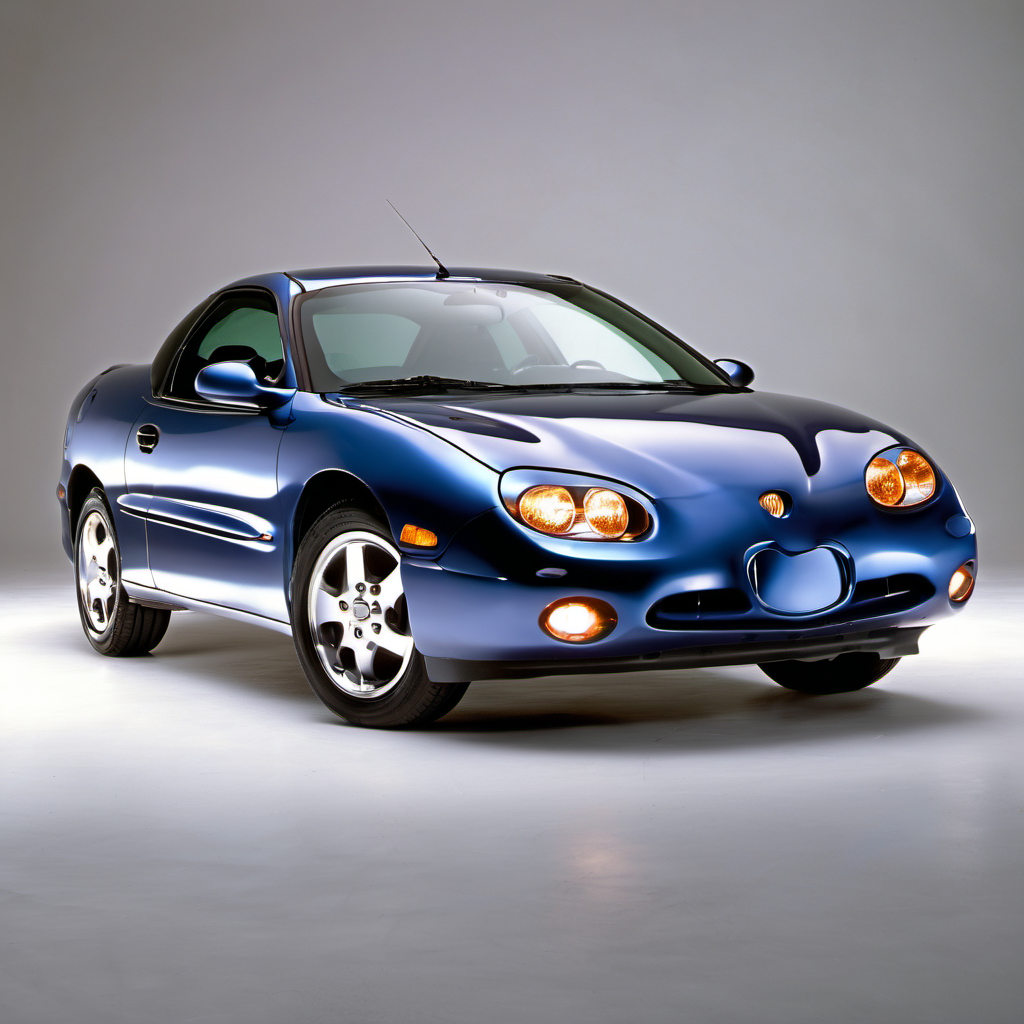
The 1999 Saturn SC (S-Series Coupe) was GM's answer to small, affordable, sporty coupes from Japanese brands. Built at Saturn's Spring Hill, Tennessee plant, it came in two flavors: the SC1 with a 1.9L single-cam four-cylinder, and the SC2 with a dual-cam version of the same engine. Saturn's big selling points at the time were its dent-resistant polymer body panels and a no-haggle dealership model — neither of which helped much with mechanical longevity. The S-Series drivetrain is simple and mostly proven, but by 1999 these cars were already showing the limits of Saturn's under-investment in engineering updates. The SOHC engine in the SC1 is the more durable of the two; the DOHC in the SC2 has a more finicky cooling system and a head gasket that's earned a reputation. Either way, the engines are not sophisticated — which means a competent independent shop can work on them without much drama. At 25+ years old, every surviving 1999 Saturn SC is a used car with significant age on its side. Parts availability is shrinking as the brand has been dead since 2010. Buy one because it's cheap transportation, not because it's an investment.
The 1999 Saturn SC (S-Series Coupe) was GM's answer to small, affordable, sporty coupes from Japanese brands. Built at Saturn's Spring Hill, Tennessee plant, it came in two flavors: the SC1 with a 1.9L single-cam four-cylinder, and the SC2 with a dual-cam version of the same engine. Saturn's big selling points at the time were its dent-resistant polymer body panels and a no-haggle dealership model — neither of which helped much with mechanical longevity. The S-Series drivetrain is simple and mostly proven, but by 1999 these cars were already showing the limits of Saturn's under-investment in engineering updates. The SOHC engine in the SC1 is the more durable of the two; the DOHC in the SC2 has a more finicky cooling system and a head gasket that's earned a reputation. Either way, the engines are not sophisticated — which means a competent independent shop can work on them without much drama. At 25+ years old, every surviving 1999 Saturn SC is a used car with significant age on its side. Parts availability is shrinking as the brand has been dead since 2010. Buy one because it's cheap transportation, not because it's an investment.
The 1.9L engines — especially the DOHC — are sensitive to oil quality. Dirty oil accelerates timing chain and valve train wear. Use the correct viscosity (5W-30) year-round in Wisconsin.
Cooling system failure is the #1 killer of these engines. Check hoses, water pump weep hole, thermostat, and coolant condition. Old green coolant turns acidic and eats the aluminum head.
Belt failure leaves you stranded. On the 1.9L, the belt also drives the water pump on some configurations — a snap means immediate overheating.
Original equipment plugs and aged ignition wires cause misfires and stress the ignition module. Fresh plugs and wires are cheap insurance.
Wisconsin road salt is brutal on these lightweight steel brake lines. External rust can cause sudden brake line rupture. Catch it before it becomes an emergency.
The 5-speed manual is reasonably robust but shift quality suffers with old fluid, especially in sub-zero starts. Use the spec fluid — do not substitute ATF.
The 1.9L's marginal cold-cranking demands on an aged battery become a real problem below 0°F. A weak battery that starts fine in September can fail in January.
Check subframe mounts, floor pans, and suspension attachment points. Salt-belt Saturn coupes frequently develop structural rust that makes them unsafe or uneconomical to repair.
Always defer to the manufacturer's service manual for warranty-mandated intervals.
On paper this is one of the cheapest vehicles to own. In practice, a 25-year-old Saturn SC requires a maintenance budget that often exceeds the car's resale value in a single repair event. A head gasket job or brake line replacement can cost more than the car is worth. Plan for surprises, keep a repair fund, and don't deferred maintenance pile up.
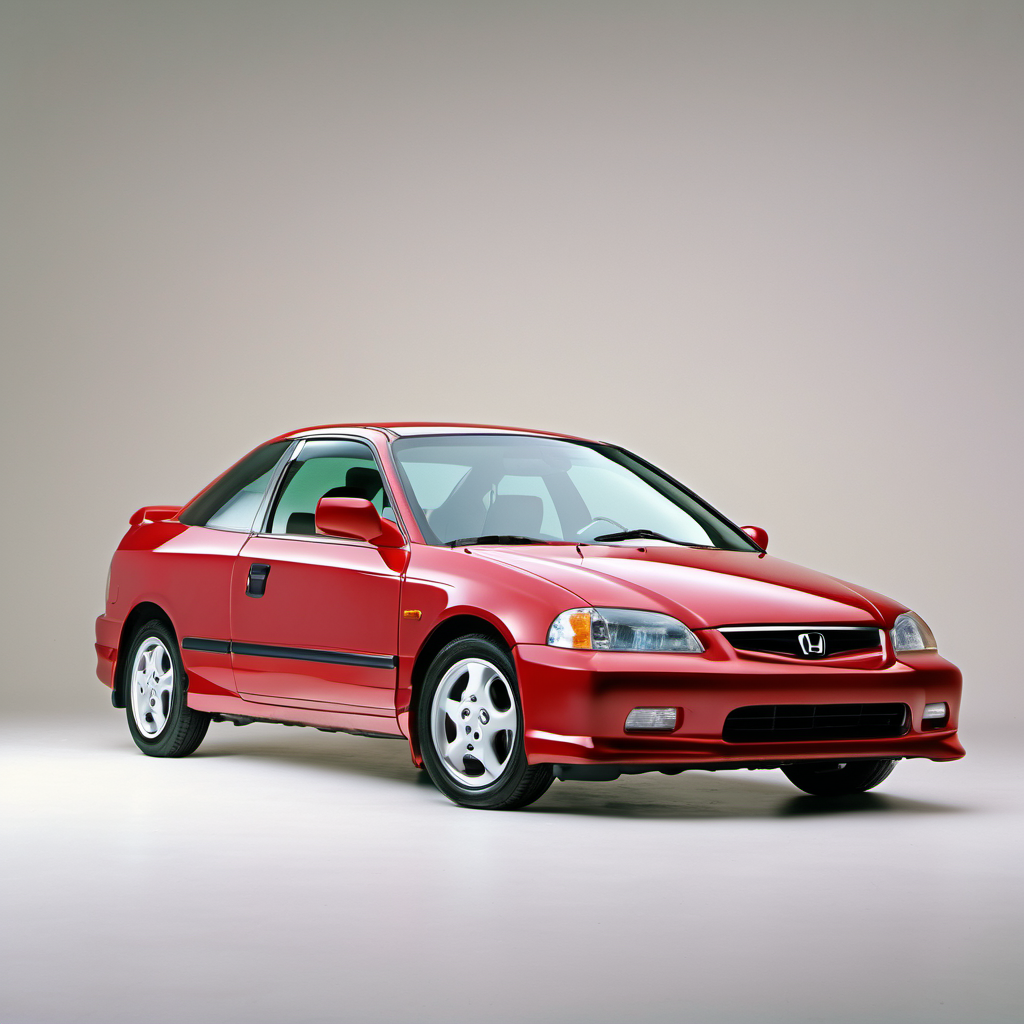
Same era, same FWD economy coupe mission. Far superior long-term reliability and parts availability. A same-year Civic with similar mileage is typically a better used buy.
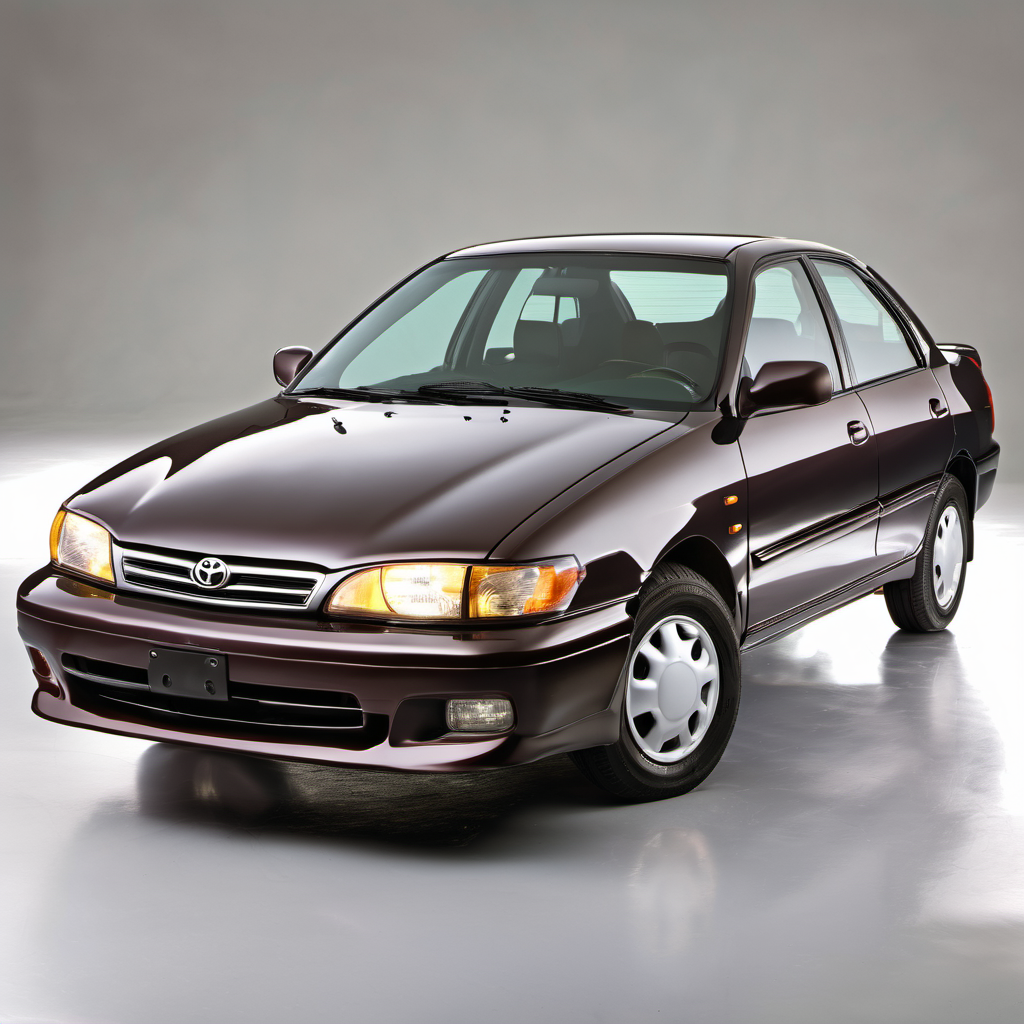
Sedan vs. coupe, but the same commuter budget segment. The 1ZZ engine is more durable than the Saturn 1.9L DOHC and Toyota parts remain widely available.
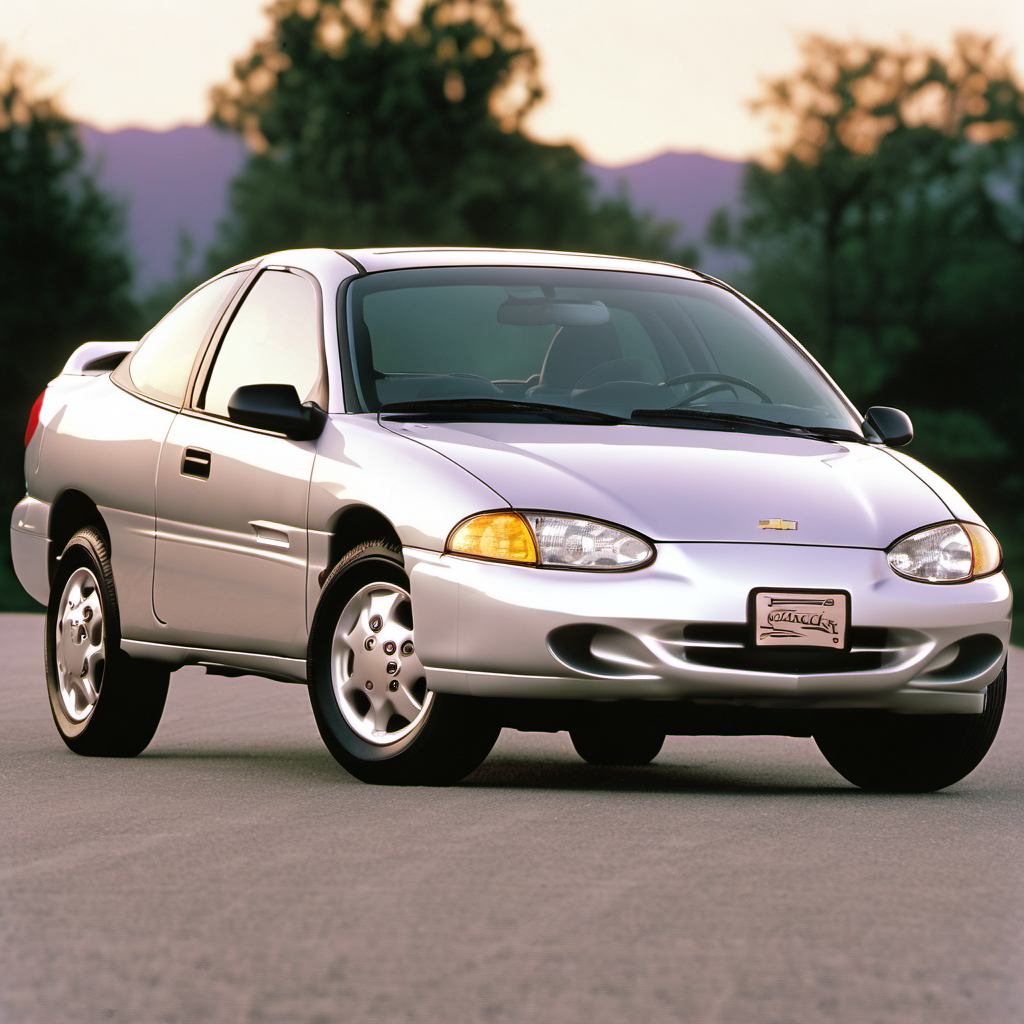
GM stablemate at the same price point and mission. More parts commonality with GM dealer network and still widely available used parts. Roughly equal reliability, slightly better support infrastructure.
Platform cousin to the Cavalier, coupe body style available. Very similar ownership cost and reliability profile, with better parts availability than the Saturn today.