Timing belt failure (interference engine)
high- Typically appears
- 90k+ mi or 7+ years since last replacement
- Estimated repair
- $300 – $550
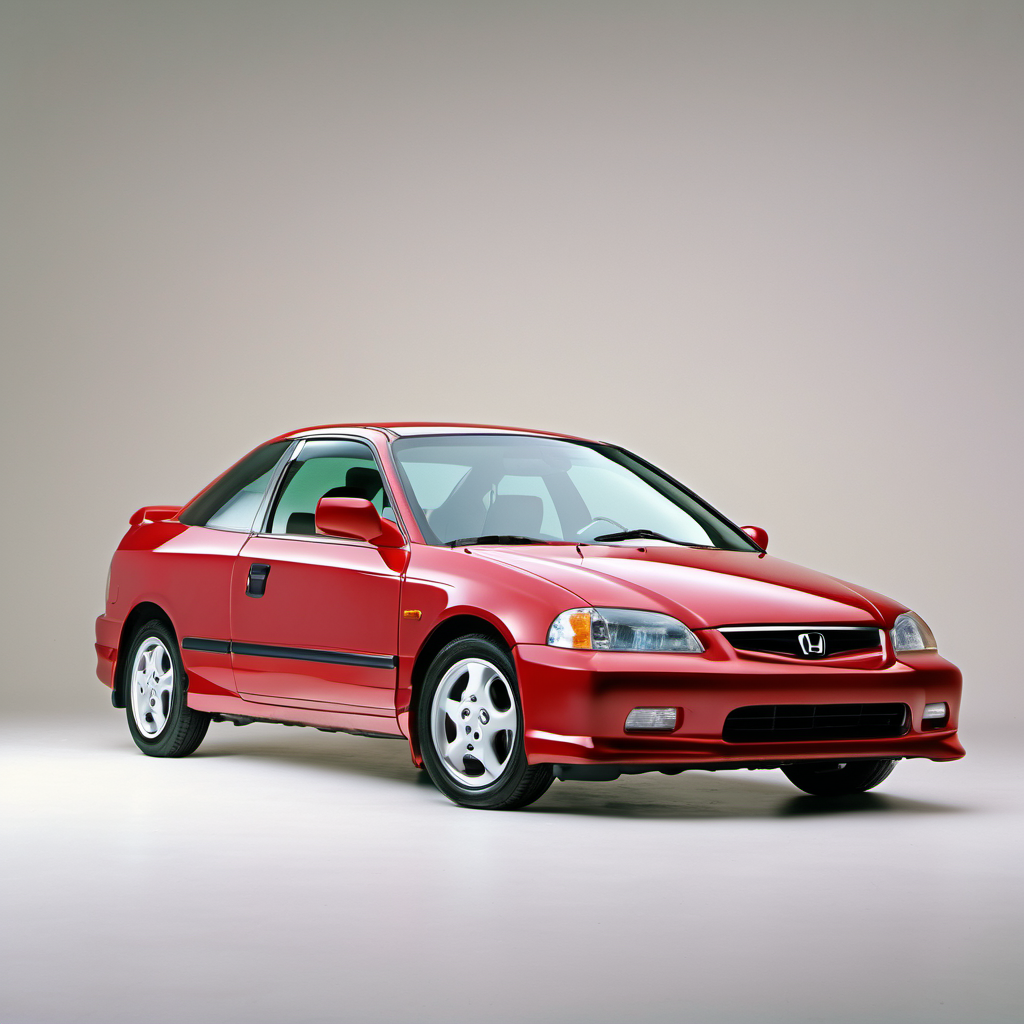
1999 Honda
Coupe
The 1999 Honda Civic Coupe is part of the sixth-generation Civic (1996–2000), widely regarded as one of the most dependable compact cars ever built. Honda refined the platform thoroughly by '99, delivering a light, efficient, and easy-to-maintain two-door that punches well above its price class for longevity. With a curb weight under 2,500 lbs and a dead-simple 1.6L four-cylinder, there's very little here to go wrong when basic maintenance is respected. This generation's coupe body is sporty without sacrificing practicality — it seats four adults with reasonable comfort and has a proper trunk. The base D16Y7 and performance-oriented D16Y8 engines are both proven units that routinely reach 200,000+ miles with oil changes and timing belt replacements on schedule. Parts availability is excellent and independent-shop labor rates are low because these cars are so well understood. For a vehicle now 25+ years old, condition varies enormously. A well-kept example is a genuinely great daily driver. A neglected or modified one can become a money pit. In Wisconsin specifically, rust is the single biggest factor determining remaining useful life — always inspect the frame rails, floor pans, and rocker panels before buying.
The 1999 Honda Civic Coupe is part of the sixth-generation Civic (1996–2000), widely regarded as one of the most dependable compact cars ever built. Honda refined the platform thoroughly by '99, delivering a light, efficient, and easy-to-maintain two-door that punches well above its price class for longevity. With a curb weight under 2,500 lbs and a dead-simple 1.6L four-cylinder, there's very little here to go wrong when basic maintenance is respected. This generation's coupe body is sporty without sacrificing practicality — it seats four adults with reasonable comfort and has a proper trunk. The base D16Y7 and performance-oriented D16Y8 engines are both proven units that routinely reach 200,000+ miles with oil changes and timing belt replacements on schedule. Parts availability is excellent and independent-shop labor rates are low because these cars are so well understood. For a vehicle now 25+ years old, condition varies enormously. A well-kept example is a genuinely great daily driver. A neglected or modified one can become a money pit. In Wisconsin specifically, rust is the single biggest factor determining remaining useful life — always inspect the frame rails, floor pans, and rocker panels before buying.
This is an interference engine — if the belt snaps, valves meet pistons and you're looking at an engine replacement. Always replace the water pump at the same time since it's driven by the same belt and labor is already paid for.
The D-series engine's longevity is almost entirely dependent on clean oil. At this age, many of these engines have been through multiple owners — don't push intervals.
The distributor is a known weak point on this generation. Inspect the cap and rotor at every plug change and replace proactively at 100k mi if not already done.
Old coolant loses its corrosion inhibitors and attacks the aluminum head — especially important in Wisconsin's freeze-thaw cycles.
Brake fluid is hygroscopic and absorbs moisture over time, lowering boiling point and promoting corrosion in the ABS modulator and calipers.
Wisconsin road salt is the primary long-term killer of this generation Civic. Annual inspection of subframe, rocker panels, and floor pans — with undercoating touch-ups where needed — can add years of life.
Torn CV boots expose the joint to dirt and moisture. Catching a torn boot early saves you from replacing the entire axle shaft.
Cold-cranking amps drop sharply in sub-zero temperatures. A battery that seems fine in summer can fail to start the car at -10°F.
Always defer to the manufacturer's service manual for warranty-mandated intervals.
The '99 Civic is one of the cheapest cars to own that you can still daily drive reliably. Parts are inexpensive and widely available, independent shops know these cars cold, and fuel costs are low. The main financial wildcard on a 25-year-old example is rust remediation — budget accordingly if buying used.
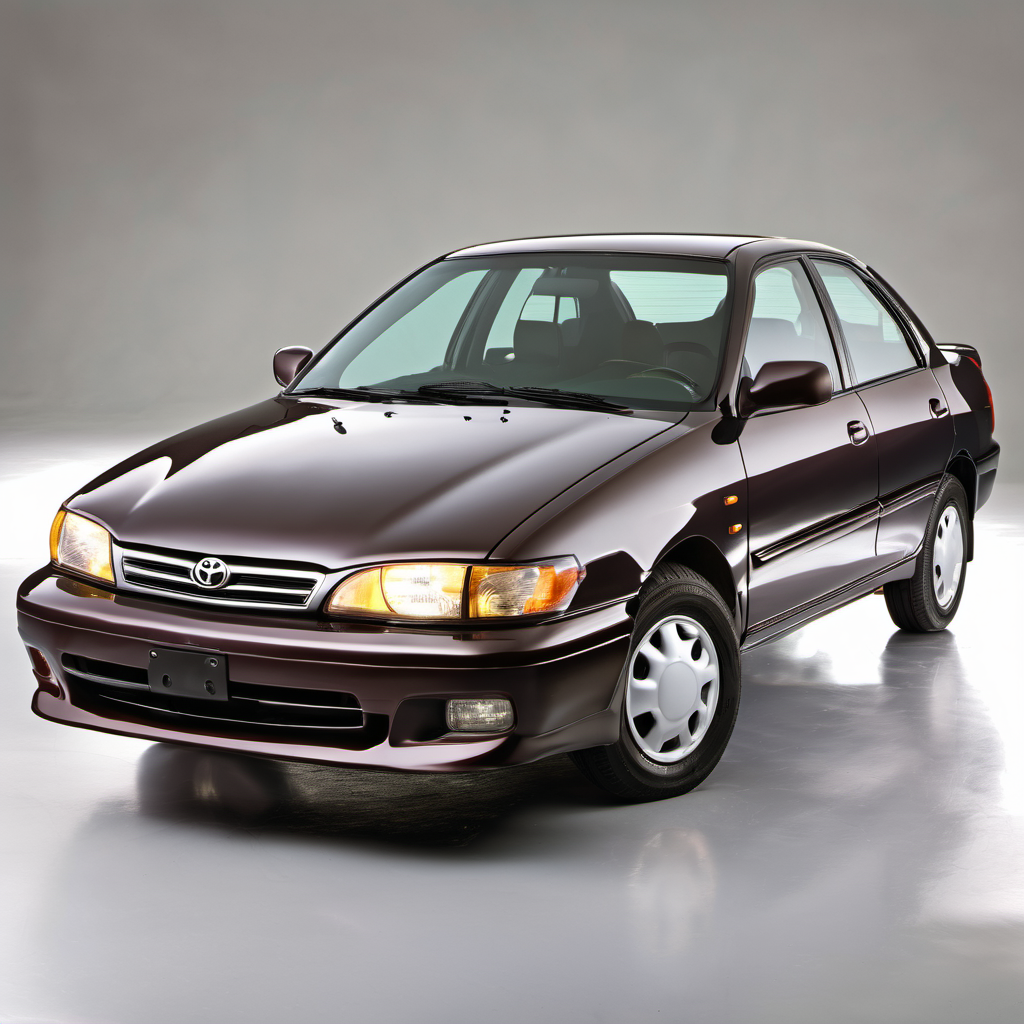
Same reliability tier, same price range, same FWD compact mission. Slightly more conservative to drive but equally long-lived. Good alternative if you want a sedan instead of a coupe.
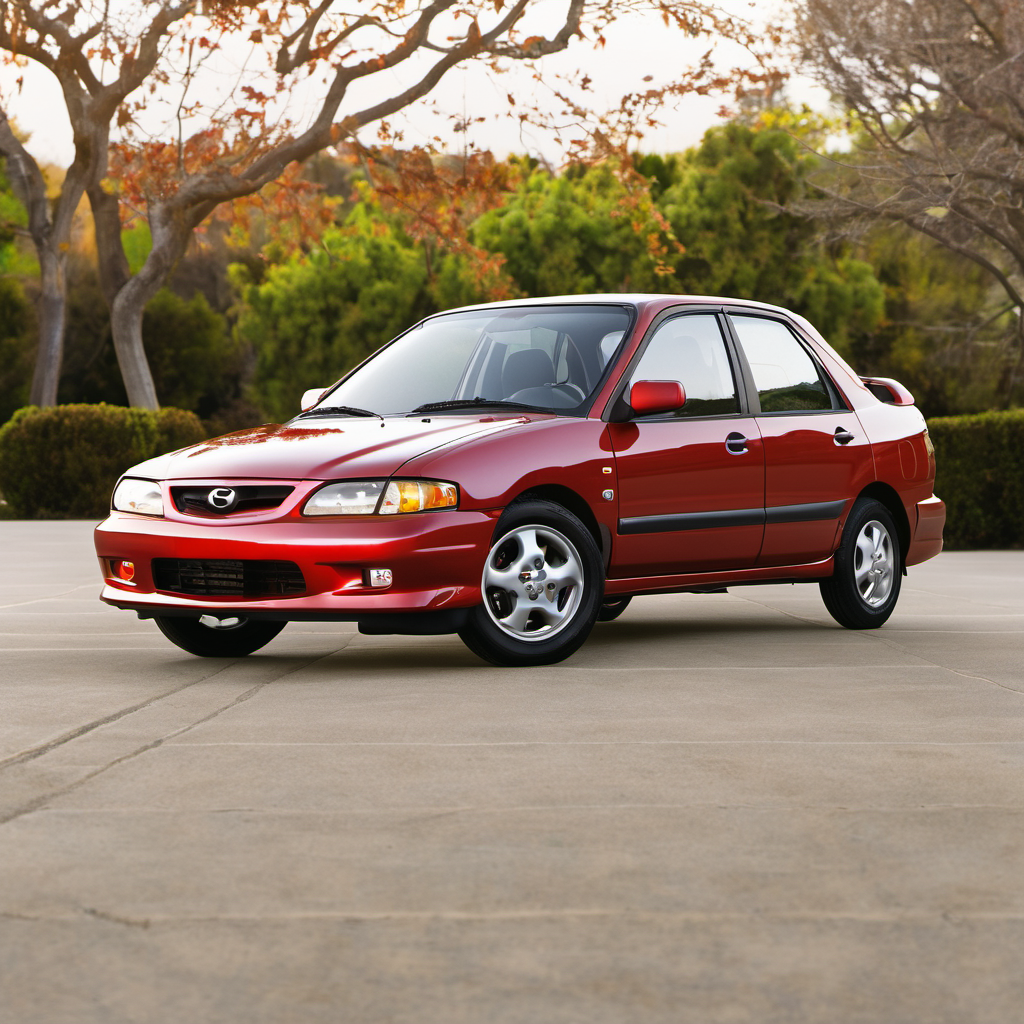
Similar size, price, and fun-to-drive character. Slightly sportier feel than the Corolla. Parts availability is lower than Civic but it's a solid reliable platform.
Two-door compact coupe at a similar price point. Plastic body panels resist rust better than the Civic — a real advantage in Wisconsin. Less refined mechanically but rust-resistance is meaningful here.
No catalog match
Two-door compact coupe, similar horsepower and MPG. Cheaper to buy used but reliability and parts support trail the Civic noticeably. A budget alternative if price is the top priority.