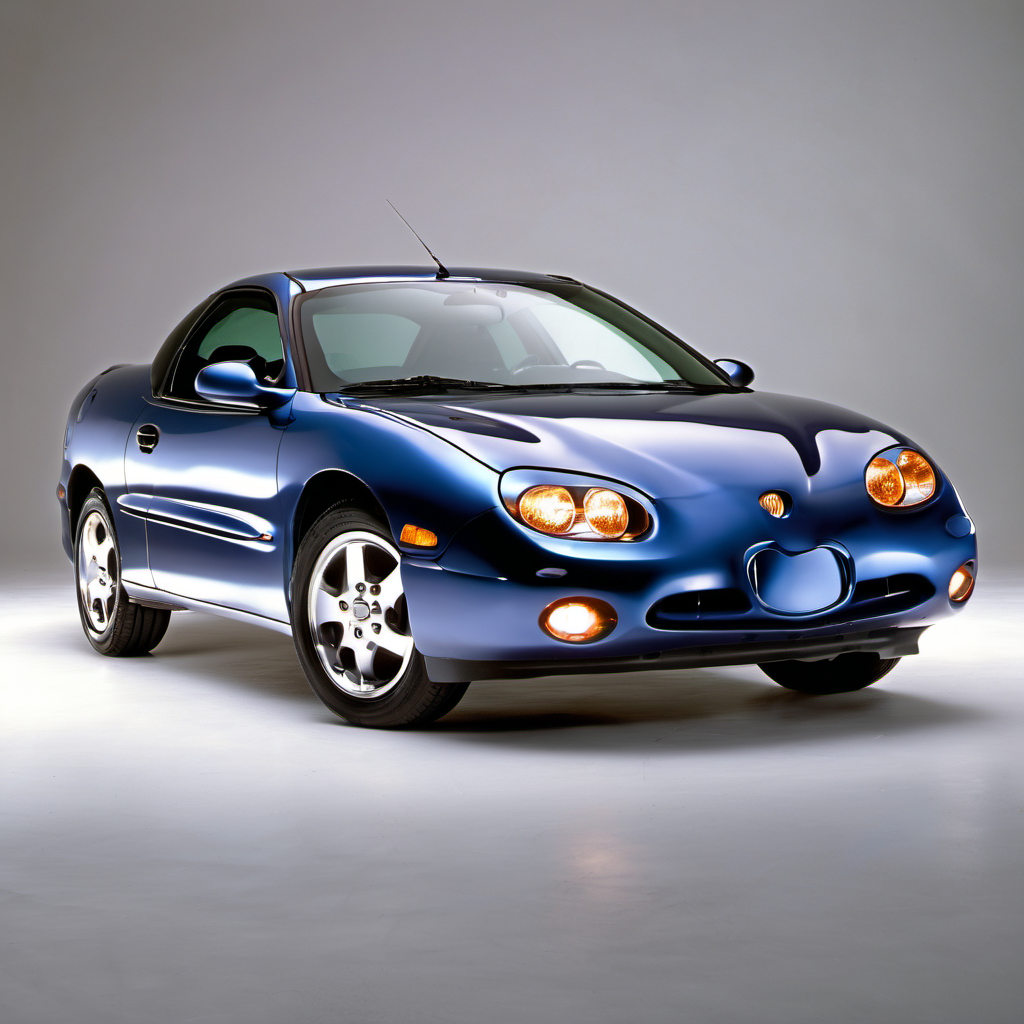
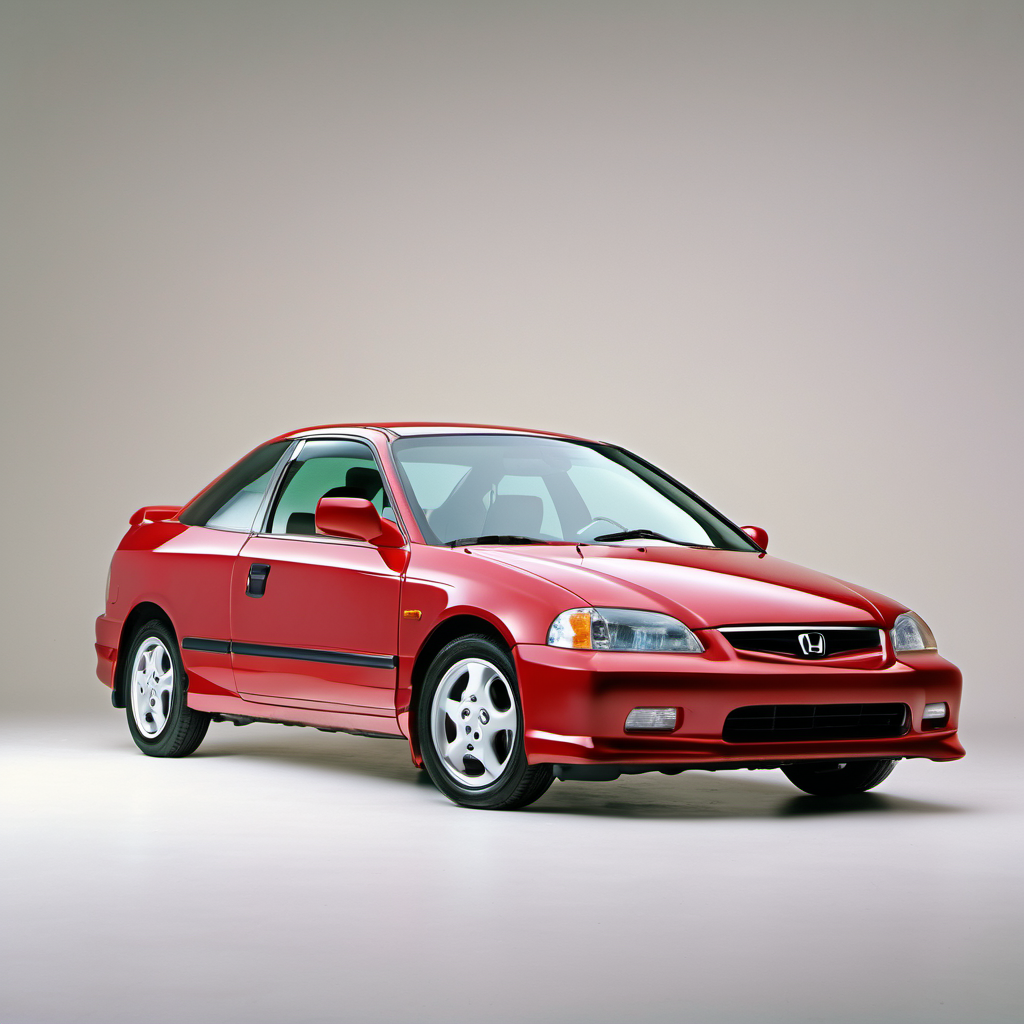
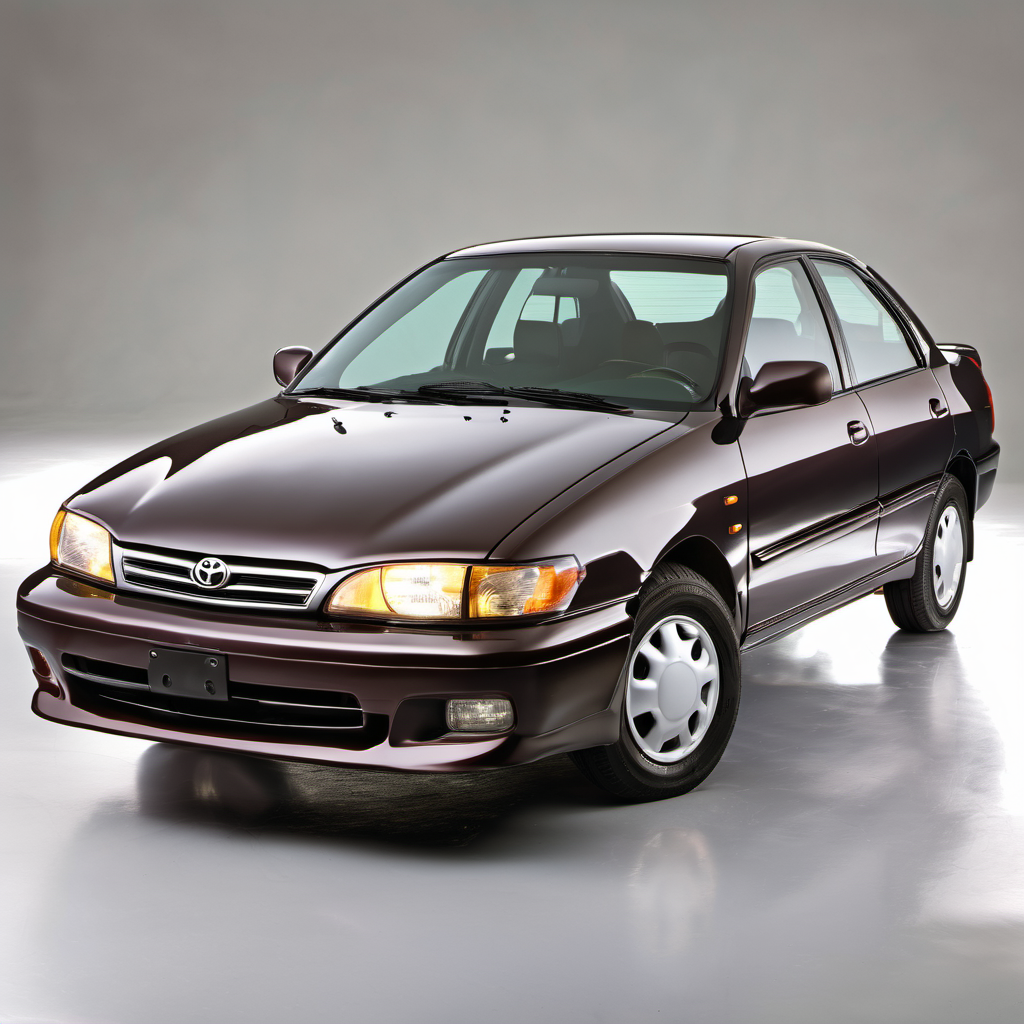
1999 Pontiac Sunfire Coupe

1999 Pontiac

SunfireCoupe

Coupe

The 1999 Pontiac Sunfire Coupe is a front-wheel-drive compact from GM's J-body platform, sold alongside the nearly identical Chevrolet Cavalier. It was aimed squarely at budget-conscious buyers who wanted basic, reliable transportation with low purchase and insurance costs. Power comes from GM's iron-block 2.2L pushrod four-cylinder — not exciting, but proven over millions of miles. By 1999, the Sunfire had been on the market for several years without major updates, which means parts are cheap and every independent shop knows this engine cold. The flip side is that the interior materials and rust protection were economy-grade, and a 25-year-old example will show its age. These cars made it to 150k–180k miles regularly when maintained; neglected examples rarely survive that long. If you're looking at a used example today, set expectations accordingly: this is a high-mileage economy car from the late '90s, not a modern-reliability benchmark. The right one — rust-free, maintained, with receipts — can still be a sensible cheap commuter. The wrong one is a money pit.

Reliability
3/5
Verified data
Specs shown for Sunfire — the most common configuration. Other trims may vary in engine, drivetrain, or fuel economy. Sign in to see your vehicle's exact specs.
Engine
[object Object]
Drivetrain
FWD
Fuel
Gasoline
MPG
20 city / 26 hwy / 22 combined
Seats
Doors
Body
Subcompact Cars

Overview

AI-curated

The 1999 Pontiac Sunfire Coupe is a front-wheel-drive compact from GM's J-body platform, sold alongside the nearly identical Chevrolet Cavalier. It was aimed squarely at budget-conscious buyers who wanted basic, reliable transportation with low purchase and insurance costs. Power comes from GM's iron-block 2.2L pushrod four-cylinder — not exciting, but proven over millions of miles. By 1999, the Sunfire had been on the market for several years without major updates, which means parts are cheap and every independent shop knows this engine cold. The flip side is that the interior materials and rust protection were economy-grade, and a 25-year-old example will show its age. These cars made it to 150k–180k miles regularly when maintained; neglected examples rarely survive that long. If you're looking at a used example today, set expectations accordingly: this is a high-mileage economy car from the late '90s, not a modern-reliability benchmark. The right one — rust-free, maintained, with receipts — can still be a sensible cheap commuter. The wrong one is a money pit.

Known for
  • Ultra-low cost of ownership when maintained
  • Bulletproof 2.2L pushrod engine with widely available parts
  • Simple mechanicals any shop can work on
  • Low insurance costs
Best for
  • Budget-minded first-time car buyers
  • Short city and suburban commutes
  • Owners who do their own basic maintenance
  • Low-mileage, rust-free examples only
Watch for
  • Severe rust on rocker panels, floor pans, and wheel wells — especially in Wisconsin
  • Head gasket failures on the 2.2L OHV engine
  • Neglected timing chain and cooling system on high-mileage examples
  • Electrical gremlins from aging wiring and connectors
  • Worn-out suspension and steering components typical of the era

Common issues by mileage

6 known

Head Gasket Failure

high
Typically appears
80–140k mi
Estimated repair
$700 – $1,400

Intake Manifold Gasket Leak (coolant or oil seep)

high
Typically appears
75–130k mi
Estimated repair
$250 – $550

Oxygen Sensor Failure (upstream/downstream)

medium
Typically appears
80–150k mi
Estimated repair
$150 – $300

Worn Struts and Front Suspension Bushings

high
Typically appears
70–120k mi
Estimated repair
$300 – $700

Rust — Rocker Panels, Floor Pans, Subframe

high
Typically appears
Any mileage on road-salted examples
Estimated repair
$500 – $3,000

Cooling System Deterioration (thermostat, hoses, water pump)

medium
Typically appears
90–160k mi
Estimated repair
$150 – $600

Maintenance schedule

  1. 1
    Every 5,000 mi or 6 months Engine oil and filter change

    The 2.2L OHV is sensitive to oil sludge from extended intervals. Fresh oil is the single best way to extend this engine's life.

  2. 2
    Every 2 years or 30,000 mi Coolant flush and system inspection

    Degraded coolant accelerates head gasket and water pump wear — the most expensive failures on this engine.

  3. 3
    Every 30,000 mi Spark plugs and plug wires

    Worn plugs and cracked wires cause misfires and poor fuel economy on this non-coil-on-plug system.

  4. 4
    Every 60,000 mi or at first sign of cracking Serpentine belt inspection and replacement

    Belt failure leaves you stranded and can cause overheating; cheap insurance on a 25-year-old car.

  5. 5
    Every 2–3 years Brake fluid flush

    Hygroscopic brake fluid absorbs moisture over time, lowering boiling point and corroding calipers — especially important with Wisconsin road salt.

  6. 6
    Every fall before winter Underbody rust inspection and treatment

    At this age and in Wisconsin, rust is the car's biggest threat. Inspect rocker panels, floor pans, brake lines, and fuel lines annually.

  7. 7
    Every fall Battery load test

    A marginal battery that starts fine in October will fail at -10°F in January. At 25 years old, the charging system should also be tested.

  8. 8
    Every 30,000 mi Fuel filter replacement

    An old, restricted fuel filter strains the pump and causes rough running; filters are inexpensive on this platform.

Always defer to the manufacturer's service manual for warranty-mandated intervals.

Cost of ownership

Annual maintenance
$400 – $900
Fuel
At 22 MPG combined and typical Lake Geneva driving, expect roughly $1,500–$2,000/year at current fuel prices for an average 12,000-mile driver.
Insurance
Typically one of the cheapest vehicles to insure — liability-only is common at this age and value, often under $600/year.

The Sunfire's biggest ownership advantage is low cost — cheap parts, cheap insurance, and straightforward labor. The risk on a 25-year-old example is a single large repair (head gasket, rust remediation) that exceeds the car's market value. Budget a contingency fund. If the car is rust-free and recently serviced, annual costs can be very modest.
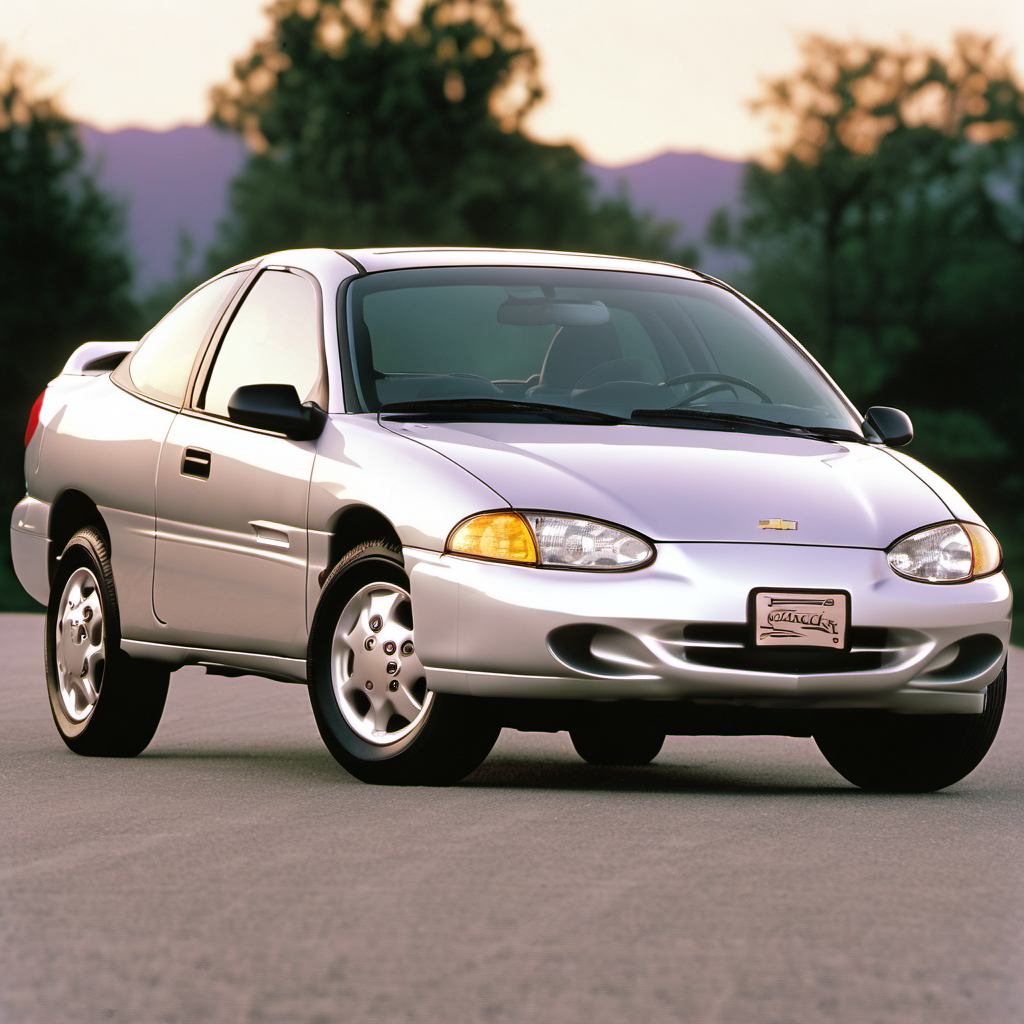
Seasonal care

Lake Geneva, WI
Winter
  • Load-test the battery every fall — cold cranking amps drop sharply below 20°F and this car's charging system is basic.
  • Switch to a winter-rated washer fluid good to at least -20°F; the 2.2L runs coolly at idle and won't clear a frozen windshield quickly.
  • Inspect brake lines and fuel lines for rust-through before winter; salt will find any existing weakness.
  • Check antifreeze concentration — should be good to at least -34°F for Wisconsin winters.
  • Inspect wiper blades and consider winter-style blades to handle ice and packed snow.
  • Let the engine warm up briefly before driving hard in sub-zero temps; the 2.2L OHV benefits from 30–60 seconds of idle before load.
Summer
  • Check tire pressure monthly — tires gain roughly 1 PSI for every 10°F rise in temperature, leading to overinflation in heat.
  • Inspect the A/C system for refrigerant leaks; the system on a 25-year-old car is likely due for an inspection.
  • Monitor coolant temperature closely — a marginal thermostat or water pump that's limping along can cause overheating in summer traffic.
  • Inspect the serpentine belt for heat cracks before summer road trips.

Comparable vehicles

If you're shopping for one

Red flags
  • Any visible rust bubbling on the rocker panels or holes in the floor — structural rust is not economically repairable on a car of this value.
  • Overheating at any point during the test drive.
  • Milky oil or sweet-smelling exhaust — head gasket failure is imminent or already occurred.
  • Seller claims 'just needs a little work' without receipts — on a 25-year-old economy car, deferred maintenance compounds quickly.
  • Accident damage or mismatched body panels — repair costs will exceed the car's value.
  • No title or a salvage/rebuilt title — walk away.
What to inspect
  • Get underneath and inspect the rocker panels, floor pans, front subframe, and brake/fuel lines for rust — this is the make-or-break item on any Wisconsin-driven example.
  • Check for white or gray exhaust smoke and a sweet coolant smell from the tailpipe — classic head gasket warning signs on the 2.2L.
  • Look for oil in the coolant reservoir or coolant in the oil (milky dipstick) — both indicate head gasket failure.
  • Test all electrical accessories: windows, locks, gauge cluster, and A/C — aging wiring makes these unreliable.
  • Drive it at highway speed and listen for suspension noise; worn struts and tie rod ends are common and add to the purchase cost.
  • Ask for any maintenance records — an oil-change history is the best indicator of engine longevity on this platform.
AI profile generated 16 days ago · claude-sonnet-4-6 · v2.