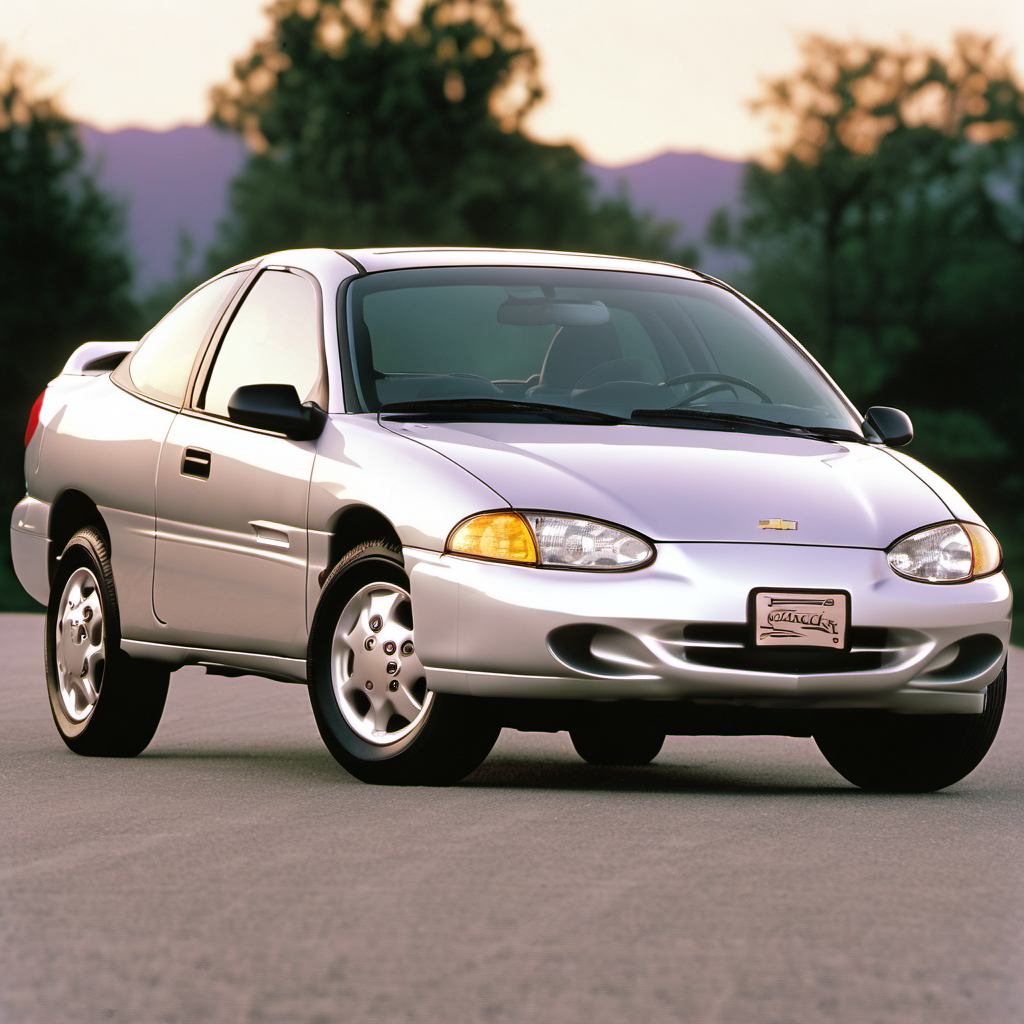
1999 Chevrolet Cavalier Coupe

1999 Chevrolet

CavalierCoupe

Coupe

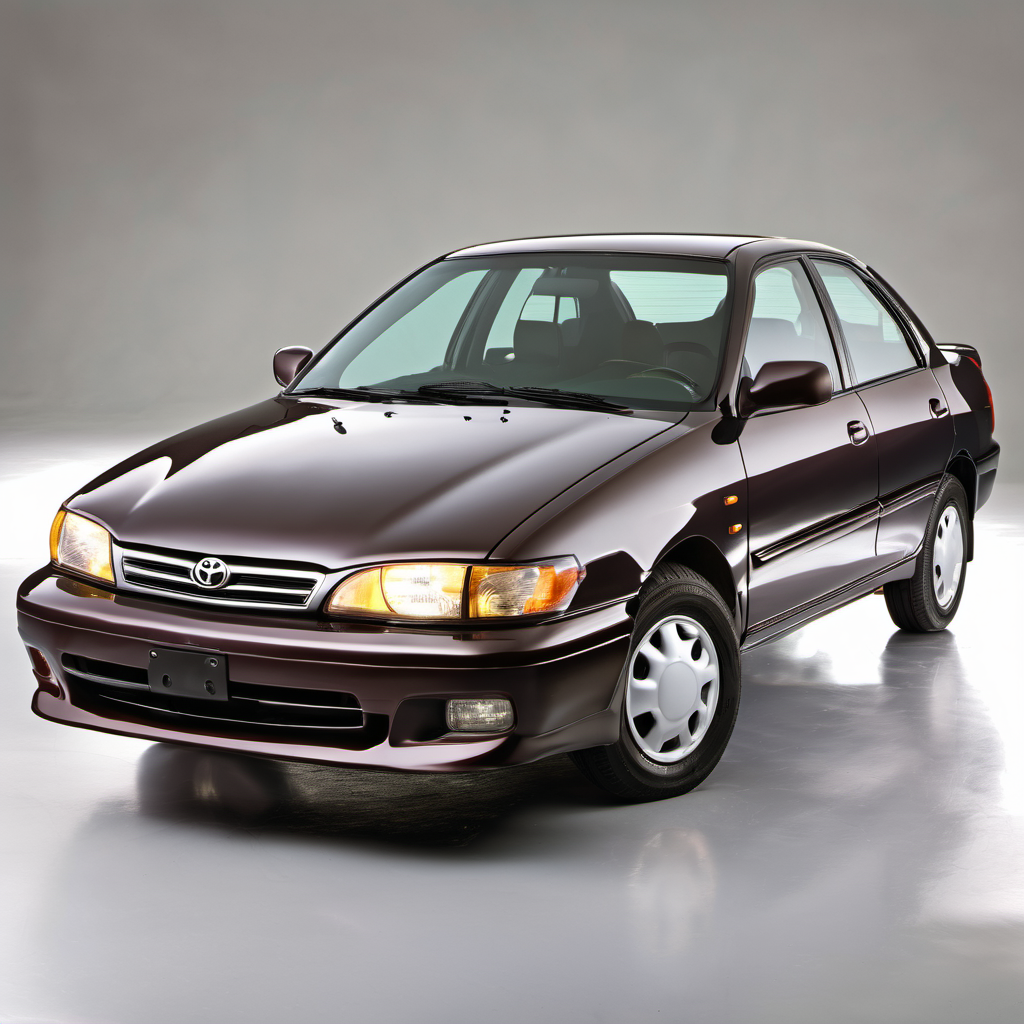
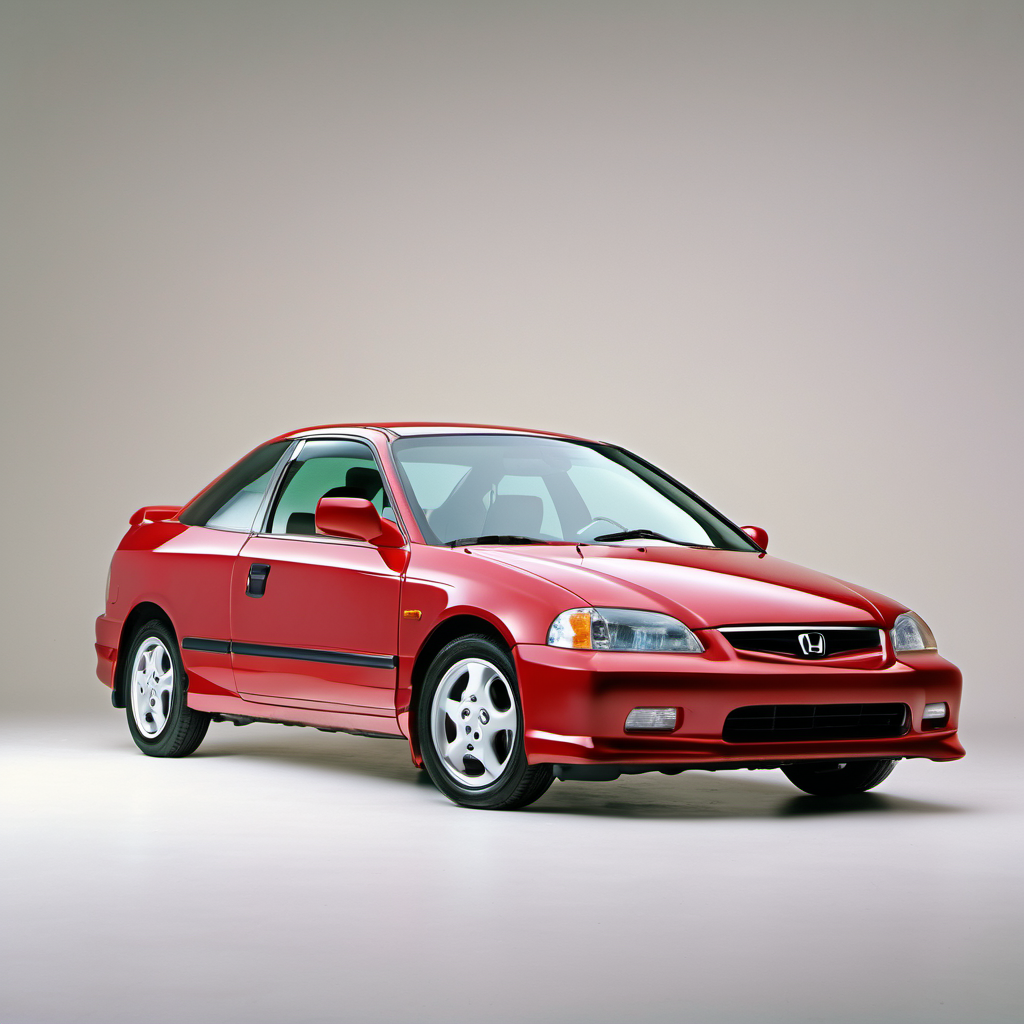
The 1999 Chevrolet Cavalier Coupe is a front-wheel-drive compact that sold by the millions through the 1990s as one of GM's budget-friendly answers to the Honda Civic and Toyota Corolla. Powered by the workhorse 2.2L OHV four-cylinder, it prioritized low purchase price and cheap insurance over driving excitement or premium refinement. By 1999 the platform was already well into its third generation and showing its age against import competition, but it remained a popular first car and daily driver precisely because it was inexpensive to buy and easy to maintain. At 25 years old, surviving examples are almost exclusively high-mileage daily drivers or project cars. The good news is the 2.2L iron-block engine is genuinely tough and parts are abundant. The bad news is that rust, worn suspension, and deferred maintenance are now the norm rather than the exception on these cars. Budget realistically for catch-up work on any used example. For a shop in Lake Geneva, these cars are worth fixing when the body and frame are solid, but Wisconsin salt has claimed a large share of the surviving population. A thorough underbody inspection is non-negotiable before spending money on mechanical repairs.

Reliability
3/5
Verified data
Specs shown for Cavalier — the most common configuration. Other trims may vary in engine, drivetrain, or fuel economy. Sign in to see your vehicle's exact specs.
Engine
[object Object]
Drivetrain
FWD
Fuel
Gasoline
MPG
20 city / 26 hwy / 22 combined
Seats
Doors
Body
Subcompact Cars

Overview

AI-curated

The 1999 Chevrolet Cavalier Coupe is a front-wheel-drive compact that sold by the millions through the 1990s as one of GM's budget-friendly answers to the Honda Civic and Toyota Corolla. Powered by the workhorse 2.2L OHV four-cylinder, it prioritized low purchase price and cheap insurance over driving excitement or premium refinement. By 1999 the platform was already well into its third generation and showing its age against import competition, but it remained a popular first car and daily driver precisely because it was inexpensive to buy and easy to maintain. At 25 years old, surviving examples are almost exclusively high-mileage daily drivers or project cars. The good news is the 2.2L iron-block engine is genuinely tough and parts are abundant. The bad news is that rust, worn suspension, and deferred maintenance are now the norm rather than the exception on these cars. Budget realistically for catch-up work on any used example. For a shop in Lake Geneva, these cars are worth fixing when the body and frame are solid, but Wisconsin salt has claimed a large share of the surviving population. A thorough underbody inspection is non-negotiable before spending money on mechanical repairs.

Known for
  • Low cost of ownership and parts availability
  • Durable 2.2L OHV four-cylinder engine
  • High sales volume — parts are everywhere
  • Simple, wrench-friendly mechanicals
  • Modest but adequate fuel economy
Best for
  • Budget-conscious commuters who do their own maintenance
  • New drivers looking for an inexpensive first car
  • Short-trip city driving on a tight budget
  • Owners comfortable with a no-frills ownership experience
Watch for
  • Severe underbody and subframe rust on Midwest examples
  • Intake manifold gasket failure (2.2L known issue)
  • Worn or broken motor mounts causing vibration and drivetrain stress
  • Aging coolant system components — hoses, thermostat, water pump
  • Electrical gremlins from aging wiring and connectors

Common issues by mileage

6 known

Intake Manifold Gasket Failure

high
Typically appears
80–150k mi
Estimated repair
$200 – $450

Lower Intake / Coolant Leak / Overheating

high
Typically appears
80–150k mi
Estimated repair
$150 – $400

Worn or Broken Engine / Transmission Mounts

high
Typically appears
70–130k mi
Estimated repair
$100 – $300

Strut and Suspension Wear (especially in salt/pothole environment)

high
Typically appears
80k+ mi
Estimated repair
$300 – $700

Rust-Through on Subframe, Rockers, and Rear Wheel Wells

high
Typically appears
Any mileage on Wisconsin cars
Estimated repair
$500 – $3,000

Maintenance schedule

  1. 1
    Every 3,000–5,000 miles (use conventional 5W-30) Engine oil and filter change

    The 2.2L OHV has no variable valve timing and tolerates conventional oil well. At this age, shorter intervals catch sludge early and extend bearing life.

  2. 2
    Every 2 years or 30,000 miles Coolant flush and system inspection

    The 2.2L is prone to intake manifold gasket leaks that allow coolant intrusion. Fresh coolant maintains correct pH and slows internal corrosion; inspect hoses and the thermostat at the same time.

  3. 3
    Every 30,000 miles Spark plug replacement

    The 2.2L uses standard copper plugs. Worn plugs cause misfires and rough idle; replacement is inexpensive and straightforward.

  4. 4
    Every 2–3 years Brake fluid flush

    Brake fluid absorbs moisture over time, lowering boiling point. Critical in a Wisconsin car where brakes are worked hard on winter roads.

  5. 5
    Every spring and fall; wash after heavy salt exposure Underbody wash and inspection

    Road salt is the number-one killer of Wisconsin Cavaliers. Focus on subframe mounting points, rocker panels, and rear wheel wells.

  6. 6
    Every fall before winter season Battery load test

    A marginal battery will fail in sub-zero temps. The 2.2L is easy to start when healthy, but a weak battery compounds every other electrical problem.

  7. 7
    Every 60,000 miles or if cracking/fraying is visible Serpentine belt inspection and replacement

    A broken belt leaves you stranded and kills the water pump/alternator function simultaneously. Cheap insurance at this age.

  8. 8
    Every 30,000–45,000 miles Transmission fluid change (automatic)

    The 3-speed automatic is simple but not bulletproof. Fresh fluid prevents shudder and extends clutch pack life on a high-mileage unit.

Always defer to the manufacturer's service manual for warranty-mandated intervals.

Cost of ownership

Annual maintenance
$400 – $1,200
Fuel
At 22 MPG combined and typical Lake Geneva driving, expect roughly $1,400–$1,800/year at current mid-grade pump prices, depending on how much highway vs. city driving you do.
Insurance
One of the cheapest vehicles to insure in its class — liability-only coverage on a 25-year-old car is often under $600/year. Full coverage rarely makes financial sense at current resale values.

The Cavalier's biggest ownership advantage is low acquisition cost and dirt-cheap parts. Routine maintenance runs $400–$800/year on a well-kept example. Budget an extra $500–$1,200 in the first year of ownership for catch-up items (intake gasket, struts, belts, hoses) on any high-mileage car. Rust repair is the wild card — minor cosmetic rust is tolerable, but structural rust on the subframe can make repairs cost more than the car is worth.
Seasonal care

Lake Geneva, WI
Winter
  • Load-test the battery every October — sub-zero temps can kill a marginal battery overnight with no warning.
  • Switch to 5W-30 conventional or 0W-30 synthetic if temps regularly drop below -10°F; the 2.2L starts easier with thinner cold-weather oil.
  • Fill the washer fluid reservoir with a rated -20°F or colder solution; the stock reservoir cap seal is known to leak if overfilled and frozen.
  • Inspect and replace wiper blades before first snowfall; consider winter-specific blades to prevent ice packing under the arm.
  • Rinse the underbody, wheel wells, and subframe mounting points every 1–2 weeks during heavy salt season — rust is the primary cause of total loss on these cars.
  • Check tire tread depth and inflate to the door-placard spec (cold inflation); tire pressure drops roughly 1 PSI for every 10°F drop in temperature.
Summer
  • Inspect the cooling system thoroughly — hoses, clamps, and the thermostat; the 2.2L intake manifold gasket failure often first shows up as overheating in summer heat.
  • Check A/C refrigerant charge and cabin filter; a 25-year-old system likely has slow leaks or a degraded compressor clutch.
  • Verify tire pressure after a hot day — heat can push pressures above spec and cause uneven wear.
  • Check the power steering fluid level and hose condition; heat accelerates deterioration of rubber lines on this generation.
  • Inspect the serpentine belt for heat cracking before summer road trips — a failure in summer heat is just as stranding as a winter breakdown.

Comparable vehicles

If you're shopping for one

Red flags
  • Any visible rust perforation on the subframe or rocker panels — structural rust makes repair cost exceed vehicle value.
  • Overheating history or a recently replaced thermostat with no explanation — likely masking an intake gasket problem.
  • Milky oil or coolant loss with no visible external leak — internal coolant leak, budget $200–$450 minimum to fix.
  • Smoke from the exhaust on startup that clears quickly — could indicate valve stem seal wear or early ring wear on a high-mileage engine.
  • Asking price significantly above $2,500 for an unverified example — the market for 1999 Cavaliers is thin; overpaying is easy without a pre-purchase inspection.
What to inspect
  • Subframe and subframe mounting points — poke with a screwdriver and look for rust perforation, not just surface rust.
  • Rocker panels and rear wheel arches — common rust-through points on Wisconsin cars; check from underneath with a flashlight.
  • Coolant condition and oil filler cap — milky or foamy residue under the cap indicates a failing intake manifold gasket mixing coolant with oil.
  • Motor mount condition — with the engine running, have someone rev it briefly while you watch for excessive engine movement; broken mounts are a safety and drivetrain issue.
  • Transmission shift quality — the 3-speed auto should shift smoothly without slipping, flaring, or harsh banging.
  • Brake rotor thickness and caliper slide condition — calipers seize on high-mileage cars, especially those that sat through multiple Wisconsin winters.
AI profile generated 17 days ago · claude-sonnet-4-6 · v2.