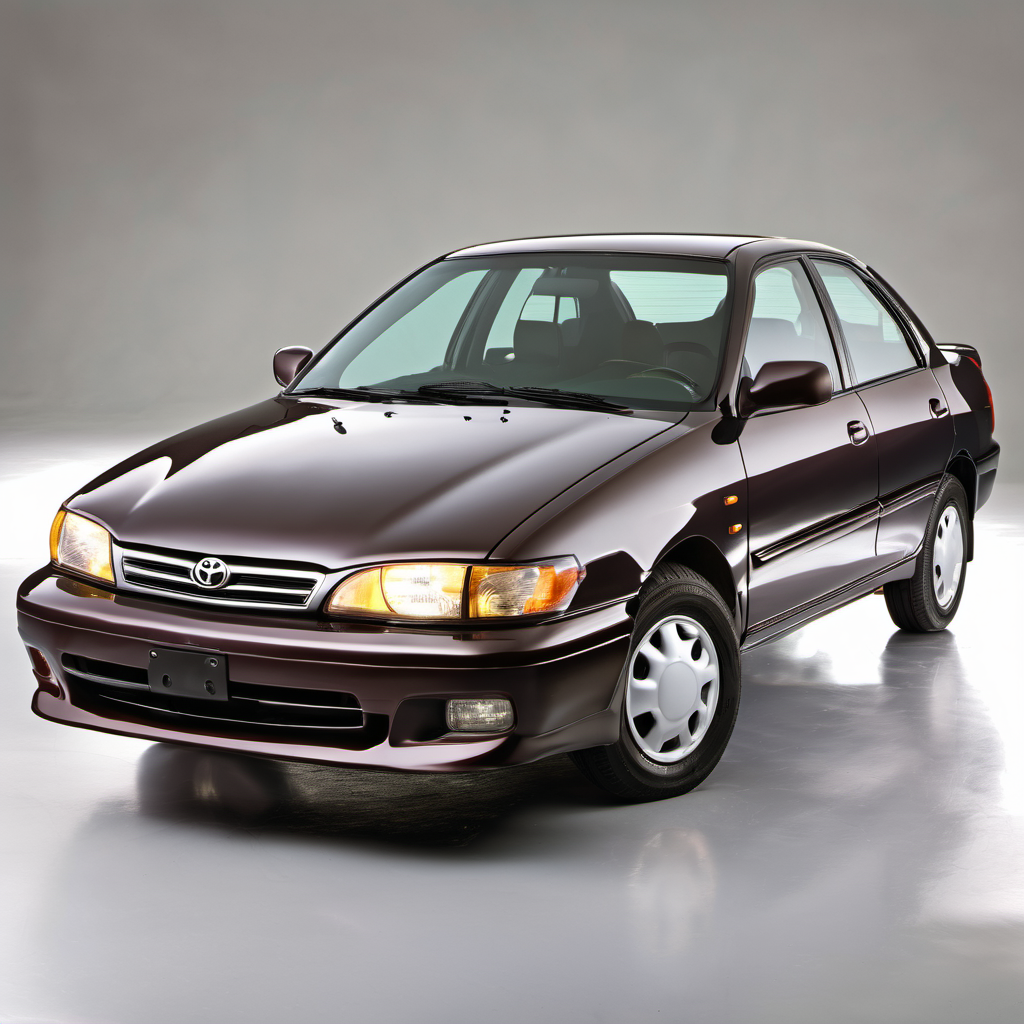
1999 Toyota Corolla Sedan

1999 Toyota

CorollaSedan

Sedan

The 1999 Toyota Corolla is an eighth-generation (E110) compact sedan that earned its reputation the hard way — by simply refusing to break down. Powered by Toyota's rock-solid 1ZZ-FE 1.8L four-cylinder and paired with either a 3-speed automatic or 5-speed manual, it delivers respectable fuel economy and a smooth, if unexciting, driving experience. At 25 years old, survivors of this generation are genuine workhorses that regularly cross 200,000 miles with basic upkeep. This generation represented a size and refinement step up from the prior E100 Corolla. The cabin is simple and functional — not luxurious — but the mechanicals underneath are some of the most durable Toyota ever produced. Parts are cheap and widely available, and any competent independent shop can service them without special tooling. The biggest challenge with a 1999 Corolla today is its age. You're not buying a car with known reliability from new — you're buying 25 years of unknown maintenance history, potential rust (especially critical in the Wisconsin salt belt), and wear on rubber components that degrade with time regardless of mileage. A thorough pre-purchase inspection matters more than the odometer reading on one of these.

Reliability
4/5
Verified data
Specs shown for Corolla — the most common configuration. Other trims may vary in engine, drivetrain, or fuel economy. Sign in to see your vehicle's exact specs.
Engine
[object Object]
Drivetrain
FWD
Fuel
Gasoline
MPG
24 city / 30 hwy / 26 combined
Seats
Doors
Body
Compact Cars

Overview

AI-curated

The 1999 Toyota Corolla is an eighth-generation (E110) compact sedan that earned its reputation the hard way — by simply refusing to break down. Powered by Toyota's rock-solid 1ZZ-FE 1.8L four-cylinder and paired with either a 3-speed automatic or 5-speed manual, it delivers respectable fuel economy and a smooth, if unexciting, driving experience. At 25 years old, survivors of this generation are genuine workhorses that regularly cross 200,000 miles with basic upkeep. This generation represented a size and refinement step up from the prior E100 Corolla. The cabin is simple and functional — not luxurious — but the mechanicals underneath are some of the most durable Toyota ever produced. Parts are cheap and widely available, and any competent independent shop can service them without special tooling. The biggest challenge with a 1999 Corolla today is its age. You're not buying a car with known reliability from new — you're buying 25 years of unknown maintenance history, potential rust (especially critical in the Wisconsin salt belt), and wear on rubber components that degrade with time regardless of mileage. A thorough pre-purchase inspection matters more than the odometer reading on one of these.

Known for
  • Exceptional long-term reliability — 200k+ miles is routine with proper maintenance
  • Low cost of ownership: cheap parts, easy DIY servicing
  • Efficient 1ZZ-FE 1.8L engine that's proven and well-understood
  • Comfortable highway cruiser for a compact sedan
  • Strong resale retention even at high mileage
Best for
  • Budget-conscious drivers wanting a dependable daily driver
  • First-time car owners or high-school/college students
  • High-mileage commuters who prioritize cost per mile
  • Owners who want to do their own basic maintenance
Watch for
  • Rust — especially rocker panels, rear wheel wells, and subframe on Wisconsin/salt-belt cars
  • 1ZZ-FE oil consumption issues (common after 100k mi if maintenance was neglected)
  • Age-related failures: cooling hoses, brake lines, and rubber suspension bushings
  • Unknown or spotty maintenance history on high-mileage examples
  • Automatic transmission (3-speed) can be sluggish and may slip if fluid was never changed

Common issues by mileage

6 known

Oil Consumption — 1ZZ-FE Engine

medium
Typically appears
100k–200k mi
Estimated repair
$500 – $2,500

Rust — Rocker Panels, Wheel Wells, and Subframe

high
Typically appears
Any mileage on salt-belt cars
Estimated repair
$300 – $3,000

Oxygen Sensor Failure (Bank 1, Sensors 1 & 2)

medium
Typically appears
100k–175k mi
Estimated repair
$120 – $320

Cooling System Leaks — Hoses, Radiator, Water Pump

high
Typically appears
100k+ mi or 15+ years old
Estimated repair
$150 – $800

Automatic Transmission Slipping or Rough Shifts

medium
Typically appears
120k–200k mi
Estimated repair
$200 – $1,800

Worn Struts and Suspension Bushings

high
Typically appears
80k–150k mi
Estimated repair
$300 – $900

Maintenance schedule

  1. 1
    Every 5,000 miles or 6 months Engine oil and filter change

    The 1ZZ-FE is prone to oil consumption as it ages. More frequent changes keep sludge from forming and help you catch consumption early. Use the manufacturer-specified viscosity (5W-30).

  2. 2
    Every 2 years or 30,000 miles Coolant flush and hose inspection

    At 25 years old, cooling system hoses, the radiator, and the water pump are all wear items. A failure here can cause overheating and serious engine damage. Replace hoses proactively if original.

  3. 3
    Every 2–3 years Brake fluid flush

    Brake fluid absorbs moisture over time, lowering its boiling point and accelerating corrosion in brake lines — a real concern on Wisconsin salt-belt cars.

  4. 4
    Every 30,000 miles on used vehicles with unknown history Transmission fluid change (automatic)

    Many owners never change transmission fluid. Old, degraded fluid accelerates wear in the 3-speed automatic. If the fluid smells burnt or looks dark, change it immediately.

  5. 5
    Every 30,000 miles (conventional plugs) Spark plugs replacement

    The 1ZZ-FE uses conventional plugs at this vintage. Fresh plugs improve cold starts — especially important in Wisconsin winters — and fuel economy.

  6. 6
    Inspect at 150k mi; replace if rattle or stretch is evident Timing chain inspection

    The 1ZZ-FE uses a timing chain (not a belt), so it doesn't have a scheduled replacement interval. However, low oil levels or infrequent oil changes can accelerate chain wear.

  7. 7
    Every fall before winter / every spring after Undercarriage rust inspection

    Wisconsin road salt aggressively attacks brake lines, fuel lines, and the subframe on cars this age. Catching rust early is far cheaper than emergency repairs.

  8. 8
    Every 60,000–75,000 miles or if cracking is visible Serpentine belt replacement

    A broken belt leaves you stranded and can kill the alternator and power steering pump. On a 25-year-old car, replace it regardless of appearance if history is unknown.

Always defer to the manufacturer's service manual for warranty-mandated intervals.

Cost of ownership

Annual maintenance
$400 – $900
Fuel
At 26 MPG combined and ~15,000 miles/year, expect roughly $1,700–$2,000/year at current Wisconsin gas prices.
Insurance
One of the cheapest vehicles to insure in its class. Expect $600–$1,100/year depending on driver history and coverage level.

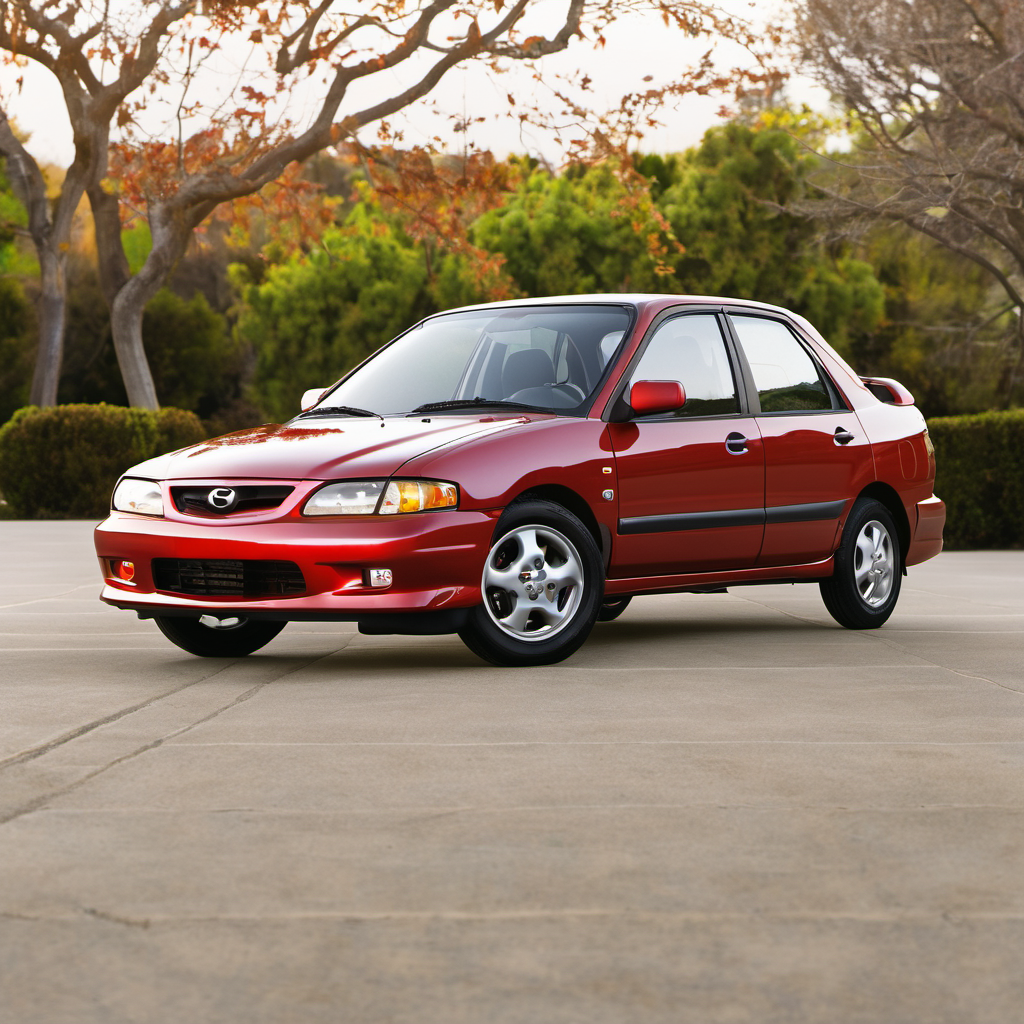
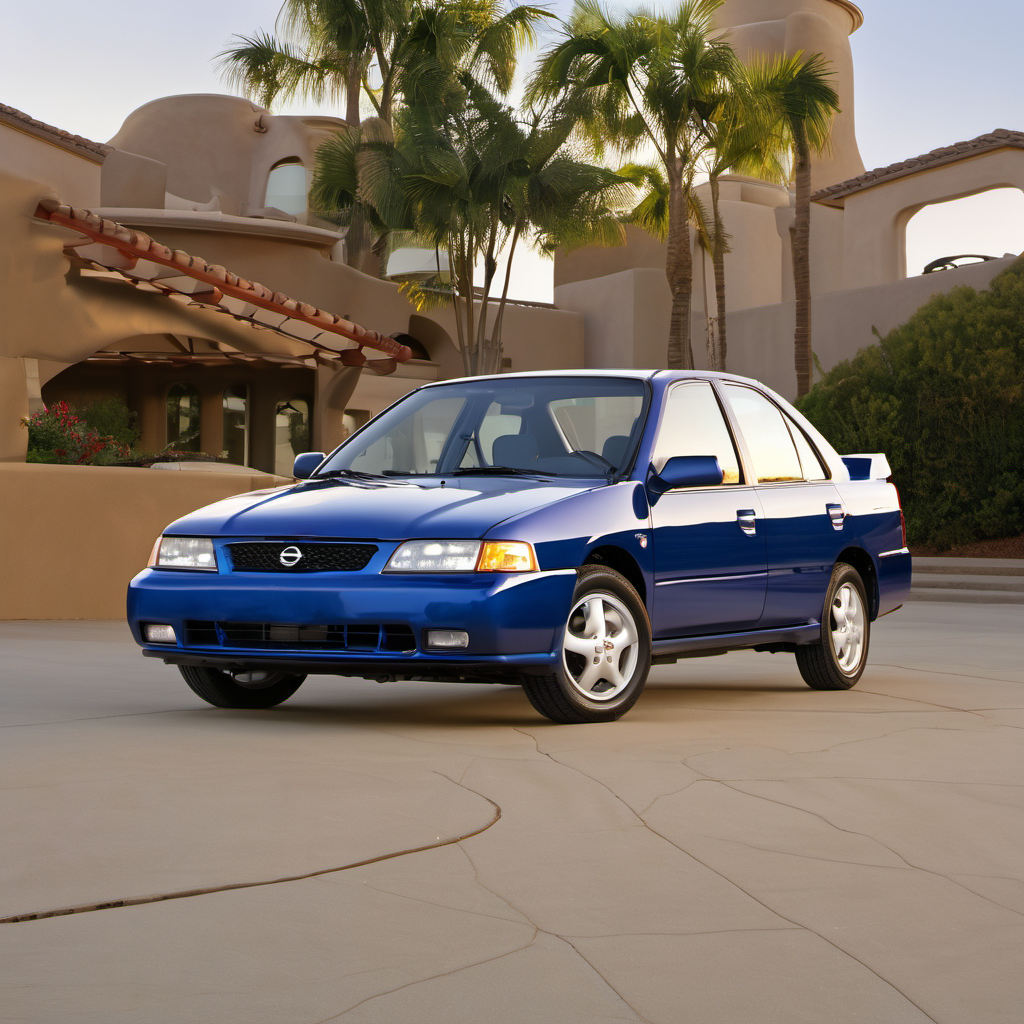
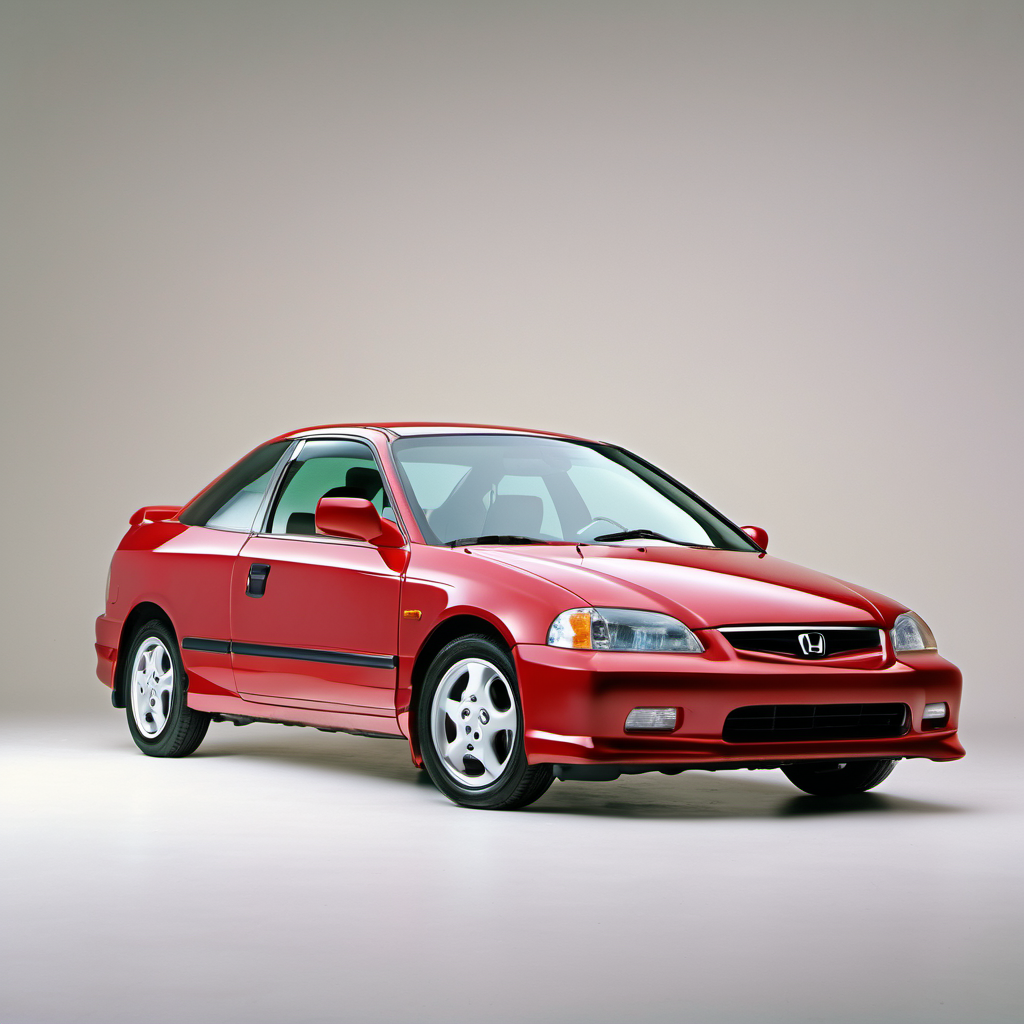
The 1999 Corolla is one of the lowest-cost vehicles to own if it's been reasonably maintained. Parts are inexpensive and widely available. The main wildcard on a 25-year-old car is deferred maintenance — a neglected example can surprise you with $1,500–$3,000 in catch-up work (cooling system, brakes, tires, hoses). Budget accordingly if history is unclear.
Seasonal care

Lake Geneva, WI
Winter
  • Test the battery before first hard freeze — a battery this age (even if replaced in recent years) loses significant cold-cranking amps below 0°F. Wisconsin winters will expose a weak battery fast.
  • Switch to winter-grade washer fluid rated to at least -25°F and keep the reservoir full. Road salt spray is relentless.
  • Inspect the undercarriage for rust on brake lines, fuel lines, and subframe before winter — salt accelerates any existing corrosion dramatically.
  • Check coolant freeze protection with a tester — it should be good to at least -34°F. A 25-year-old cooling system may have diluted or degraded coolant.
  • Consider winter tires. The stock all-season tires on a 25-year-old car are almost certainly worn or age-cracked and will perform poorly on Lake Geneva ice.
  • Allow 30–60 seconds of idle before driving hard in sub-zero temps to allow oil to circulate — don't rev it cold.
Summer
  • Check tire pressure monthly — heat causes pressure to rise, but Wisconsin-aged tires may already be at the edge of their wear or age limit (check the DOT date code).
  • Inspect the A/C system — the refrigerant charge and cabin filter on a car this age are often neglected. A recharge and filter swap makes a big difference in summer comfort.
  • Watch coolant temp closely in stop-and-go traffic. Aging cooling systems on the 1ZZ-FE can run warm when the thermostat, water pump, or radiator is marginal.
  • Check rubber hoses and belts visually in spring — UV and heat cycles from the previous summer accelerate cracking on a car this age.

Comparable vehicles

If you're shopping for one

Red flags
  • Any rust holes or bubbling on the subframe, rocker panels, or floor — structural rust can make the car unsafe and uneconomical to repair.
  • Blue smoke from the exhaust on startup or under acceleration — indicates oil burning, which means significant engine wear or the early stages of 1ZZ-FE piston ring failure.
  • A check engine light the seller can't or won't explain — get a code scan before buying.
  • Coolant or oil leaks visible under the car after it's been parked — not normal on a well-maintained engine of any age.
  • No maintenance records whatsoever on a high-mileage example — assume the worst and price accordingly.
  • Automatic transmission with burnt-smelling or very dark fluid — suggests the fluid was never changed and the transmission has been running degraded.
What to inspect
  • Undercarriage: rocker panels, rear wheel arches, subframe, brake lines, and fuel lines for rust perforation — this is the #1 concern on any Wisconsin-region car this age.
  • Engine oil: pull the dipstick and check for milky or foamy oil (head gasket concern) and check the level — low oil on a 1ZZ-FE suggests active oil consumption.
  • Coolant: look for brown or rusty coolant, which signals a neglected cooling system that may have unseen internal corrosion.
  • Transmission behavior: on the automatic, check for smooth, firm upshifts. Any slipping, shuddering, or delay is a red flag.
  • Suspension: push down on each corner — more than one bounce means worn struts. Check for clunks over bumps indicating worn control arm bushings.
  • Interior and body gaps: uneven panel gaps or mismatched paint can reveal prior accident repairs not disclosed by the seller.
AI profile generated 17 days ago · claude-sonnet-4-6 · v2.