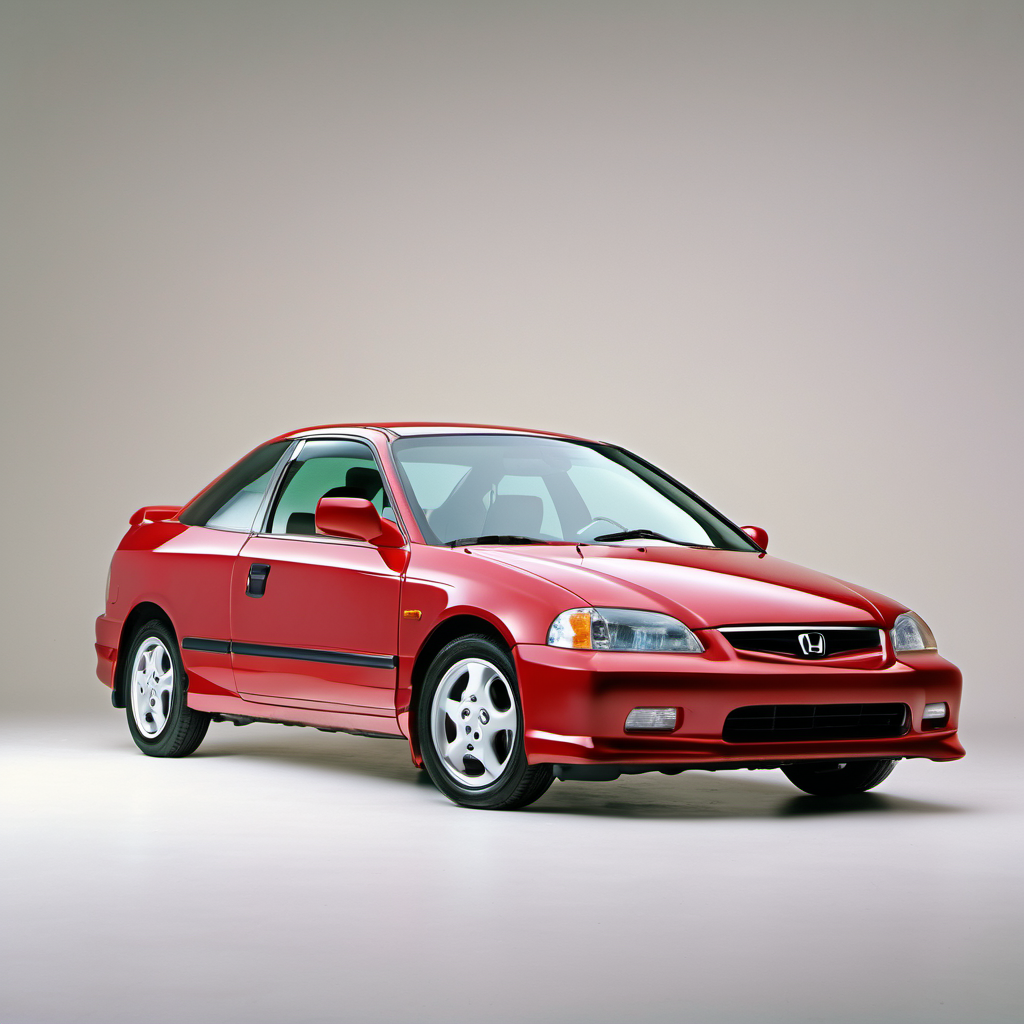
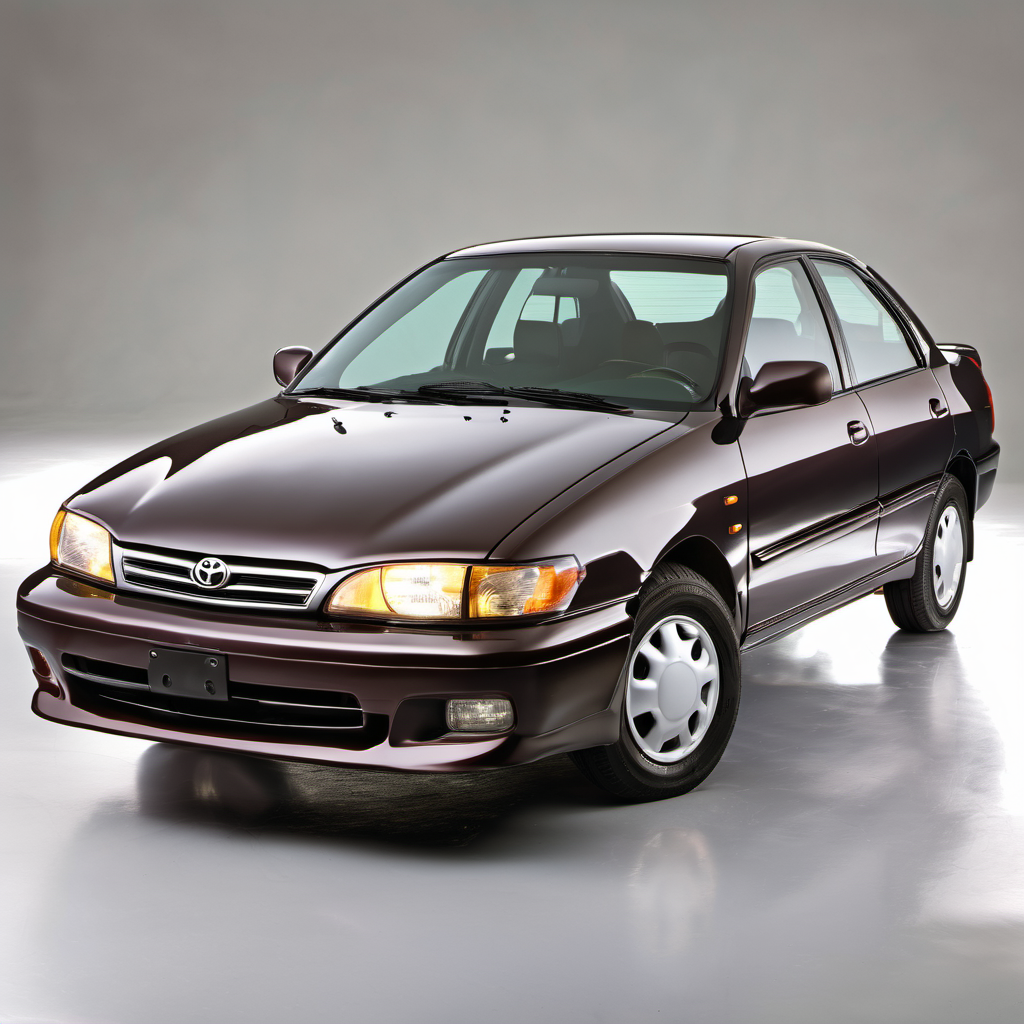
1999 Ford Escort Sedan

1999 Ford

EscortSedan

Sedan

The 1999 Ford Escort is a compact front-wheel-drive sedan that wrapped up the Escort's long run in North America before the Focus replaced it in 2000. It's a no-frills economy car built around simplicity: a 2.0L inline-4, a choice of manual or automatic, and a cabin that seats five in a pinch. Don't expect excitement — expect cheap transportation. By 1999, Ford had ironed out most of the early-90s Escort gremlins, making this a reasonably dependable used economy car when it has been maintained. Parts are inexpensive and plentiful, independent shops can work on it without specialty tooling, and fuel economy remains respectable by any era's standards. The flip side is that a 25-year-old Escort is unlikely to have escaped rust (especially in Wisconsin), and many examples have accumulated deferred maintenance. Buy one that has been cared for, or walk away.

Reliability
3/5
Verified data
Specs shown for Escort ZX2 — the most common configuration. Other trims may vary in engine, drivetrain, or fuel economy. Sign in to see your vehicle's exact specs.
Engine
[object Object]
Drivetrain
FWD
Fuel
Gasoline
MPG
22 city / 30 hwy / 25 combined
Seats
Doors
Body
Subcompact Cars

Overview

AI-curated

The 1999 Ford Escort is a compact front-wheel-drive sedan that wrapped up the Escort's long run in North America before the Focus replaced it in 2000. It's a no-frills economy car built around simplicity: a 2.0L inline-4, a choice of manual or automatic, and a cabin that seats five in a pinch. Don't expect excitement — expect cheap transportation. By 1999, Ford had ironed out most of the early-90s Escort gremlins, making this a reasonably dependable used economy car when it has been maintained. Parts are inexpensive and plentiful, independent shops can work on it without specialty tooling, and fuel economy remains respectable by any era's standards. The flip side is that a 25-year-old Escort is unlikely to have escaped rust (especially in Wisconsin), and many examples have accumulated deferred maintenance. Buy one that has been cared for, or walk away.

Known for
  • Low purchase and operating costs
  • Simple, mechanic-friendly drivetrain
  • Decent fuel economy for a late-1990s compact
  • Easy parts availability even 25 years later
Best for
  • Budget-conscious commuters needing basic reliable transportation
  • New drivers or second-car duty
  • Buyers comfortable doing their own basic maintenance
Watch for
  • Heavy underbody and rocker-panel rust from Wisconsin road salt
  • Neglected cooling systems leading to head gasket failure
  • Worn CV axles and front struts at high mileage
  • Automatic transmission longevity on poorly maintained examples

Common issues by mileage

6 known

Rust — underbody, rockers, and floor pans

high
Typically appears
All mileages; age-driven
Estimated repair
$500 – $3,000

Cooling system failure — thermostat, radiator hoses, water pump

high
Typically appears
80k–150k mi
Estimated repair
$150 – $600

Head gasket leak (often a result of overheating)

medium
Typically appears
100k–160k mi
Estimated repair
$800 – $1,500

CV axle wear and clicking on turns

high
Typically appears
80k–130k mi
Estimated repair
$150 – $400

Front strut and strut mount wear

medium
Typically appears
80k–120k mi
Estimated repair
$250 – $550

Oxygen sensor heater circuit fault

medium
Typically appears
80k–150k mi
Estimated repair
$100 – $300

Maintenance schedule

  1. 1
    Every 5,000 miles or 6 months Engine oil and filter change

    The 2.0L SPI engine has modest oil capacity; extended intervals accelerate sludge buildup and shorten engine life on a 25-year-old motor.

  2. 2
    Every 2 years or 30,000 miles Coolant flush and hose inspection

    Aging coolant loses its corrosion inhibitors, attacking the aluminum head and steel cooling passages. Hoses on a '99 are at high risk of cracking in Wisconsin cold.

  3. 3
    Every 30,000 miles Spark plugs and spark plug wires

    Standard copper plugs and aging wires cause misfires and rough cold starts, especially in sub-zero temps.

  4. 4
    Every 2 years Brake fluid flush

    Brake fluid absorbs moisture over time, lowering its boiling point and promoting internal corrosion — accelerated in humid Wisconsin summers and salty winters.

  5. 5
    Every oil change CV axle boots inspection

    Torn boots let grease escape and salt/grit in, rapidly destroying the joint. Catching a torn boot early saves the cost of a full axle replacement.

  6. 6
    Every 60,000 miles Timing belt inspection (if equipped) / serpentine belt replacement

    The 2.0L SPI uses a timing belt. A snapped belt causes engine damage. Replace on schedule and inspect the serpentine belt for cracking at the same time.

  7. 7
    Every 30,000 miles Fuel filter replacement

    A clogged fuel filter causes rough running and stresses the fuel pump. Inexpensive insurance on a vehicle this age.

  8. 8
    Every fall before salt season Undercarriage rust inspection and treatment

    Wisconsin road salt is the single biggest threat to a 25-year-old Escort's longevity. Annual inspection and touch-up of any bare metal prevents structural rust from making the car unsafe or unrepairable.

Always defer to the manufacturer's service manual for warranty-mandated intervals.

Cost of ownership

Annual maintenance
$400 – $1,200
Fuel
At 25 MPG combined and ~12,000 miles/year, expect roughly $1,440–$1,680/year at $3.00–$3.50/gal.
Insurance
Typically $600–$900/year for full coverage in Wisconsin on a vehicle this age; many owners carry liability only given the low market value.

The Escort is one of the cheapest cars to own when it's healthy. Parts are inexpensive, any shop can work on it, and fuel costs are modest. The risk is that age-related repairs — rust remediation, a head gasket, or transmission work — can easily exceed the car's market value in a single repair event. Budget conservatively and set a repair-cost ceiling before you commit.
Seasonal care

Lake Geneva, WI
Winter
  • Test and replace the battery if it's more than 3 years old — cold cranking amps drop sharply below 0°F and the Escort's charging system is modest.
  • Switch to a 5W-30 or 0W-30 oil if using conventional oil; cold-start lubrication is critical on a high-mileage engine.
  • Fill the washer reservoir with fluid rated to at least -20°F and keep a spare jug in the trunk — Wisconsin winters will empty it fast.
  • Inspect and replace wiper blades before first snowfall; use winter-rated blades to handle ice and heavy wet snow.
  • Check antifreeze concentration — it should protect to at least -34°F. A 25-year-old cooling system is a liability if the mix is off.
  • Rinse the undercarriage at a touchless car wash every 2–3 weeks during salt season to slow rust progression on this already vulnerable vehicle.
Summer
  • Inspect the A/C system for refrigerant charge and compressor clutch operation — the R-134a system on a '99 Escort is prone to slow leaks at aged o-rings.
  • Check tire pressure monthly; heat causes pressure to rise ~1 PSI per 10°F, and underinflated tires on a light car overheat quickly.
  • Inspect radiator hoses and the radiator cap under summer heat load — a cracked hose or weak cap causes overheating that can quickly lead to head gasket damage.
  • Confirm the cooling fan operates correctly at idle in traffic; a failed fan relay is a common cause of heat-soak overheating at low speeds.

Comparable vehicles

If you're shopping for one

Red flags
  • Any rust penetrating through the floor pan or rocker panels — structural integrity and repair costs make the car not worth buying.
  • Coolant smell from the heater vents or visible white exhaust smoke on a warm engine — likely head gasket failure.
  • Oil that looks like chocolate milk under the cap — coolant contamination, walk away.
  • A check engine light the seller can't explain, or evidence the light bulb has been removed.
  • Mismatched paint or body filler on lower body panels suggesting rust has already been cosmetically hidden.
What to inspect
  • Get under the car and inspect rocker panels, frame rails, floor pans, and subframe mounting points for rust perforation — not just surface rust.
  • Check for a white or milky residue under the oil cap, which signals coolant mixing with oil (head gasket failure).
  • Listen for clicking from the front axles during slow turns with the wheel at full lock — CV joint wear is common.
  • Push down on each corner of the car and release — more than one bounce means worn struts.
  • With the engine warm, verify the A/C blows cold and the heater blows hot; heater core replacement on this car is labor-intensive.
  • Road test the automatic transmission for smooth 1-2 and 2-3 shifts; harsh or delayed shifts indicate worn clutch packs.
AI profile generated 15 days ago · claude-sonnet-4-6 · v2.