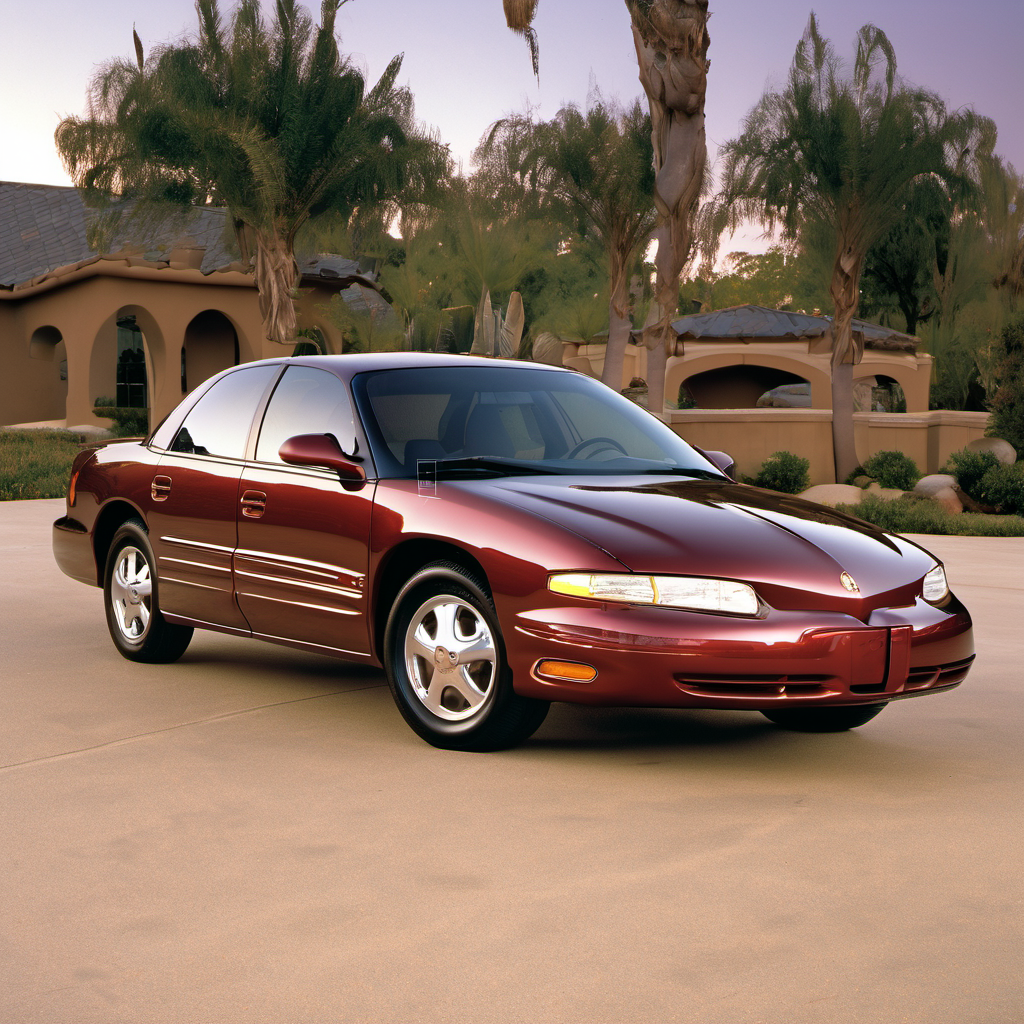
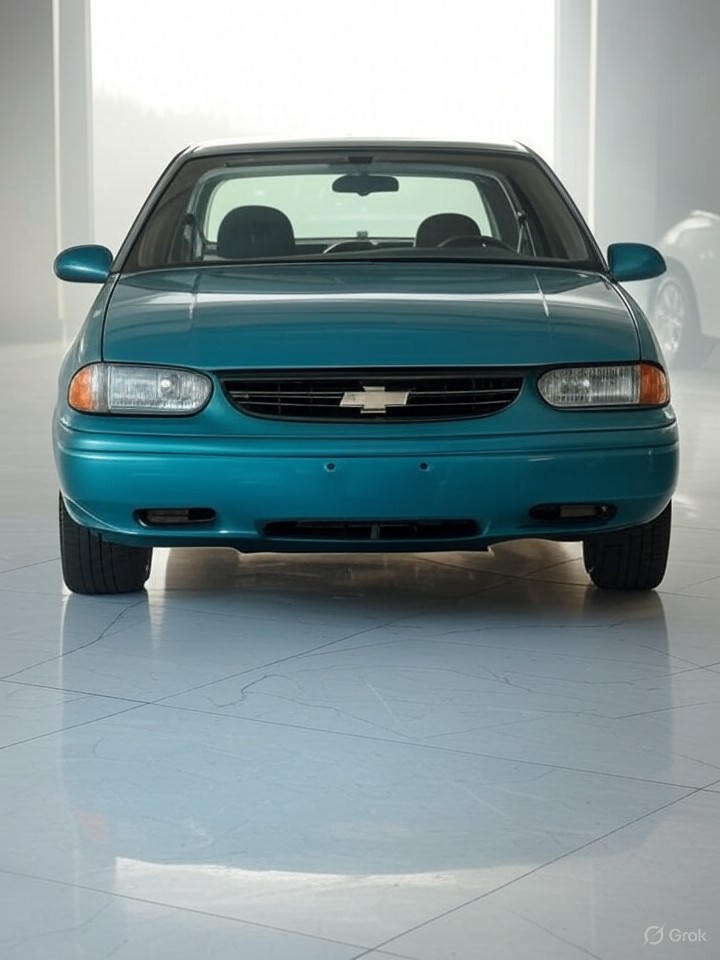
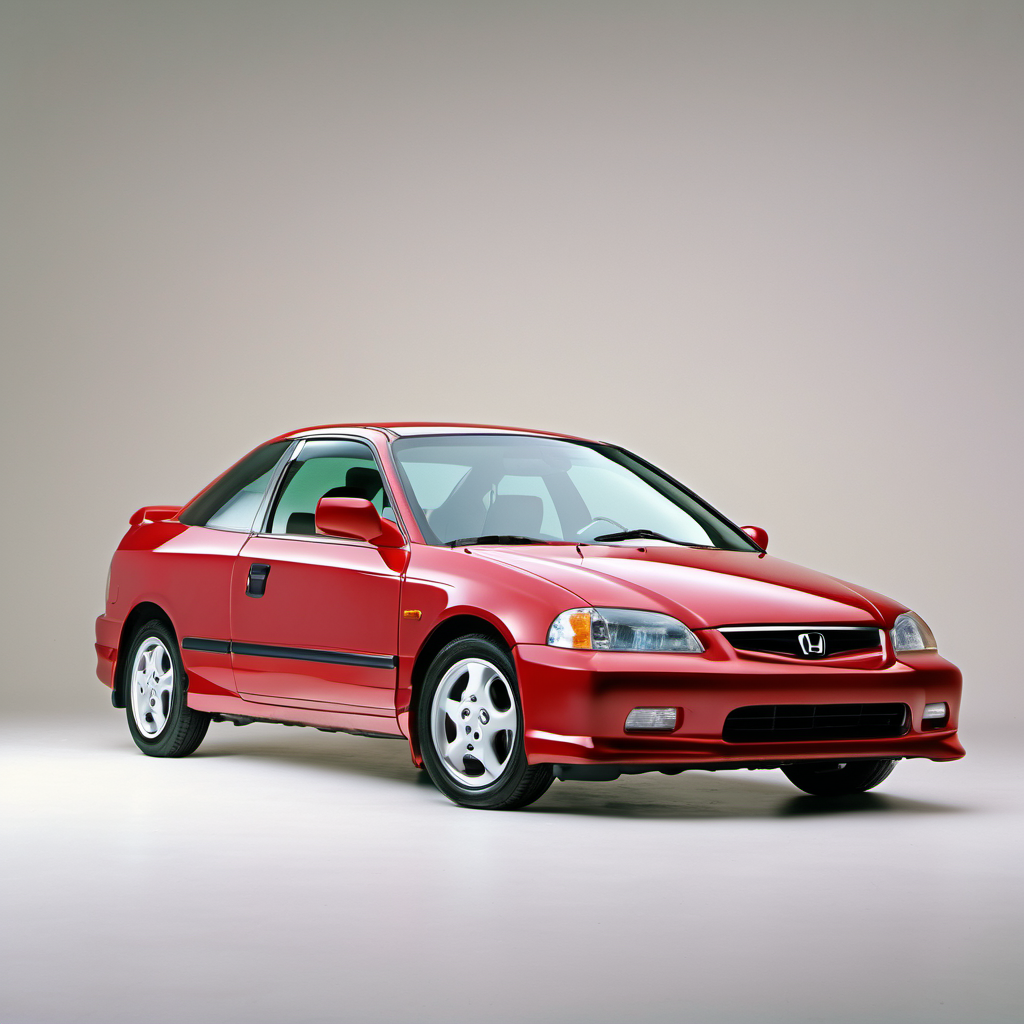
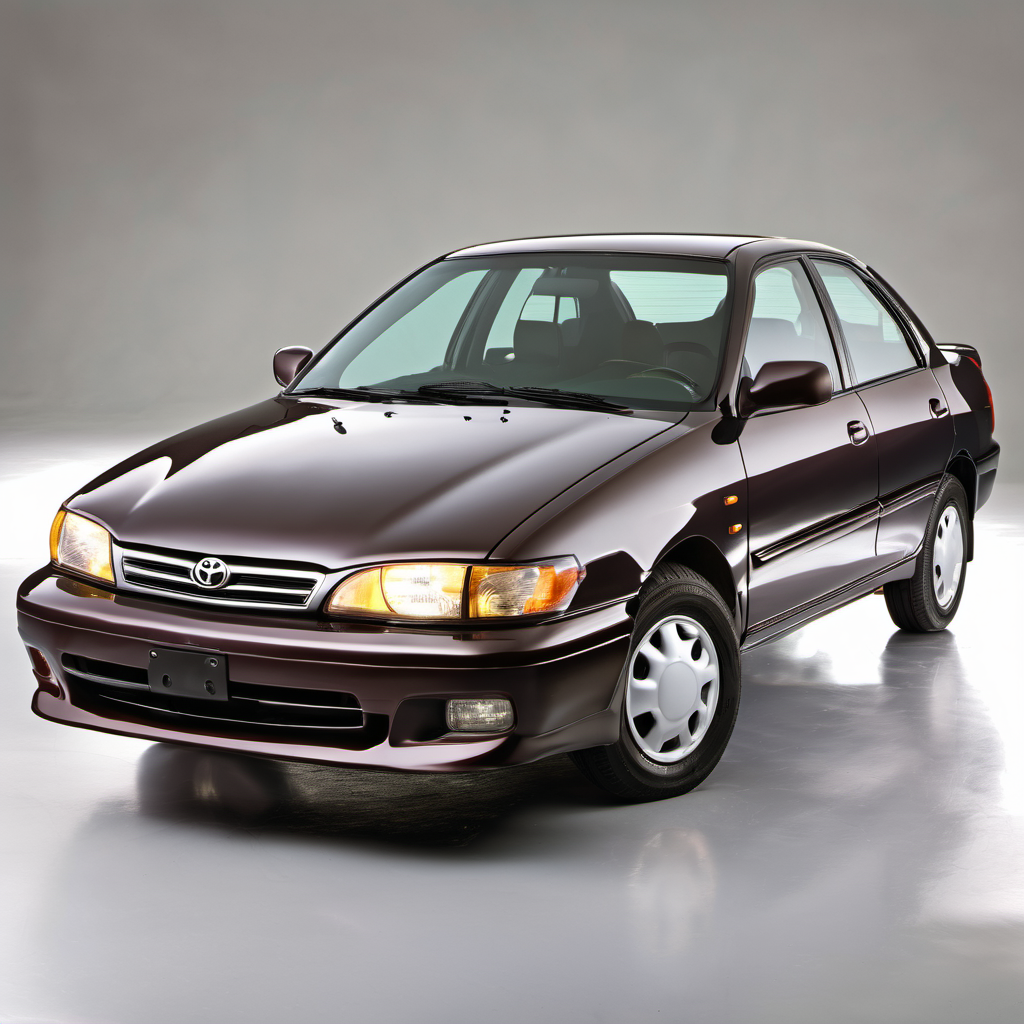
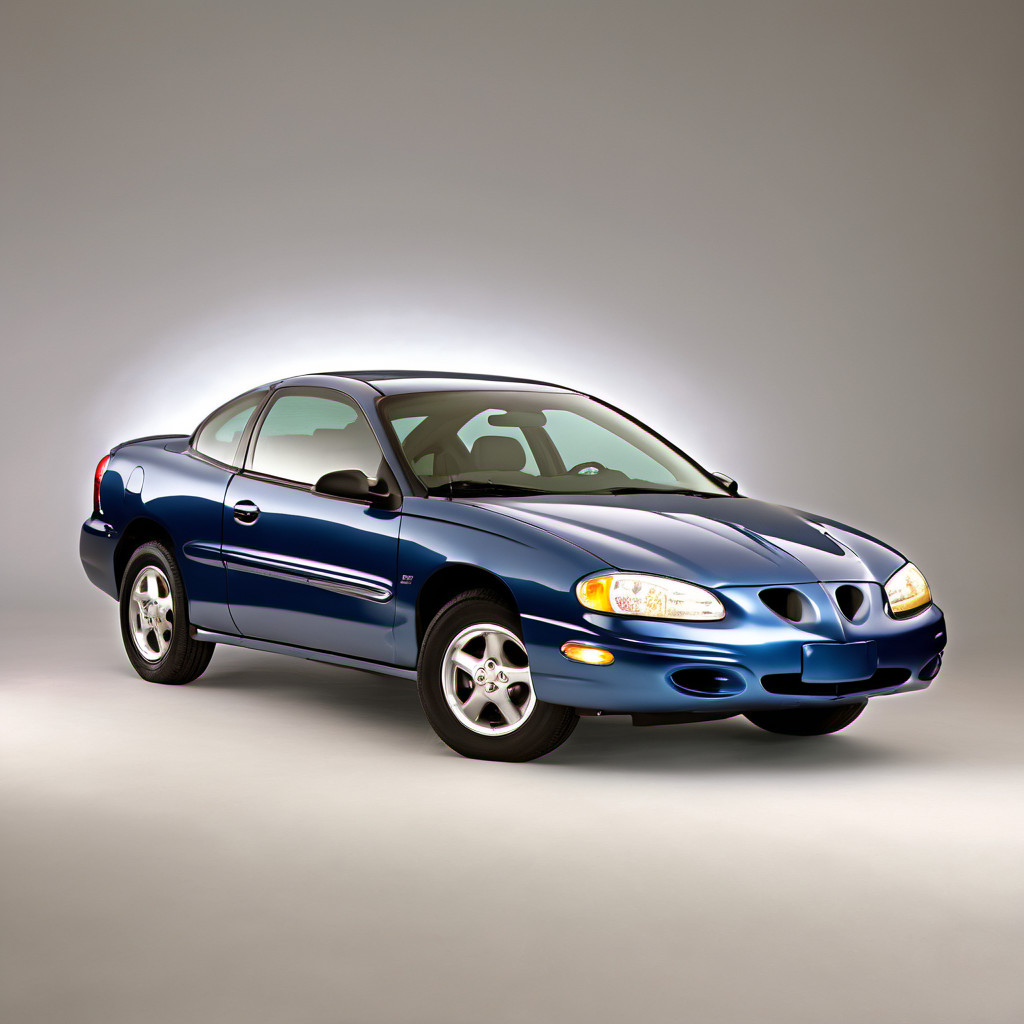
1999 Oldsmobile Cutlass Sedan

1999 Oldsmobile

CutlassSedan

Sedan

The 1999 Oldsmobile Cutlass is a front-wheel-drive compact sedan that served as one of GM's bread-and-butter economy cars in the late 1990s. Built on the N-body platform shared with the Pontiac Grand Am and Chevrolet Malibu, it was positioned as an affordable, practical commuter with a modest 2.4L four-cylinder engine. Oldsmobile had actually discontinued the Cutlass name after 1999, making this the final model year for the nameplate. The Cutlass was never a performance car or a luxury car — it was a value-priced daily driver. It offered decent fuel economy for its era and a reasonably comfortable cabin, but it was assembled during a period when GM's quality control was inconsistent. Parts are generally affordable and widely available through the used-parts market, though some trim-specific pieces can be harder to source given the model's discontinuation. At 25+ years old, any surviving 1999 Cutlass is a high-mileage, high-age vehicle. Rust is the dominant concern in the upper Midwest, and deferred maintenance is nearly universal on cars of this age and value. Treat it as a project car or budget beater, not a long-term investment.

Reliability
2/5
Verified data
Specs shown for Cutlass — the most common configuration. Other trims may vary in engine, drivetrain, or fuel economy. Sign in to see your vehicle's exact specs.
Engine
[object Object]
Drivetrain
FWD
Fuel
Gasoline
MPG
19 city / 28 hwy / 23 combined
Seats
Doors
Body
Midsize Cars

Overview

AI-curated

The 1999 Oldsmobile Cutlass is a front-wheel-drive compact sedan that served as one of GM's bread-and-butter economy cars in the late 1990s. Built on the N-body platform shared with the Pontiac Grand Am and Chevrolet Malibu, it was positioned as an affordable, practical commuter with a modest 2.4L four-cylinder engine. Oldsmobile had actually discontinued the Cutlass name after 1999, making this the final model year for the nameplate. The Cutlass was never a performance car or a luxury car — it was a value-priced daily driver. It offered decent fuel economy for its era and a reasonably comfortable cabin, but it was assembled during a period when GM's quality control was inconsistent. Parts are generally affordable and widely available through the used-parts market, though some trim-specific pieces can be harder to source given the model's discontinuation. At 25+ years old, any surviving 1999 Cutlass is a high-mileage, high-age vehicle. Rust is the dominant concern in the upper Midwest, and deferred maintenance is nearly universal on cars of this age and value. Treat it as a project car or budget beater, not a long-term investment.

Known for
  • Affordable purchase price — one of the cheapest running cars on the used market
  • GM N-body platform shared with Grand Am and Malibu — parts are widely cross-compatible
  • 2.4L Twin Cam four-cylinder with decent low-end torque
  • Final year of the Cutlass nameplate — end-of-run production model
  • Simple mechanical layout that independent shops can service easily
Best for
  • Budget-conscious buyers who need reliable basic transportation
  • Short urban commutes where fuel economy matters more than refinement
  • DIY mechanics comfortable working on late-1990s GM platforms
  • Second or third cars for households with low annual mileage needs
Watch for
  • Heavy rust on rockers, subframe, and brake lines — especially critical in Wisconsin
  • Cooling system neglect leading to head gasket and intake manifold failures
  • Electrical gremlins common on high-age GM vehicles of this era
  • Parts scarcity for Cutlass-specific trim and body components
  • Deferred maintenance is nearly guaranteed on a car this age and value

Common issues by mileage

6 known

Intake manifold coolant leak

high
Typically appears
80–150k mi
Estimated repair
$350 – $700

Oxygen sensor failure (upstream heater circuit)

high
Typically appears
80–130k mi
Estimated repair
$120 – $280

Automatic transmission slipping or delayed engagement (4T40-E)

medium
Typically appears
100–160k mi
Estimated repair
$800 – $2,200

Brake line corrosion and failure

high
Typically appears
Any age in Midwest salt states
Estimated repair
$300 – $900

Subframe and rocker panel rust

high
Typically appears
Any — age-dependent in Wisconsin
Estimated repair
$500 – $3,000

Cooling fan or thermostat failure causing overheating

medium
Typically appears
90–140k mi
Estimated repair
$150 – $450

Maintenance schedule

  1. 1
    Every 2 years regardless of mileage Flush and replace engine coolant

    The 2.4L is highly sensitive to degraded coolant. Old coolant turns acidic and attacks the intake manifold gaskets and aluminum surfaces — the single most common cause of serious engine damage on this platform.

  2. 2
    Every year, ideally before winter Inspect brake lines for corrosion

    Steel brake lines on 25-year-old Midwest cars are prime candidates for rust-through. A failed brake line is a safety emergency. Catching it early means a patch or section replacement; catching it late means a full-line failure.

  3. 3
    Every 30,000 miles or if fluid is dark/burnt-smelling Change automatic transmission fluid

    The 4T40-E does not handle neglected fluid well. Fresh Dexron fluid is cheap insurance against a transmission job that can easily exceed the car's market value.

  4. 4
    Every 60,000 miles or at first sign of cracking Inspect and replace serpentine belt and tensioner

    At this age, rubber belts harden and crack regardless of mileage. A snapped belt disables the alternator, power steering, and cooling fan simultaneously.

  5. 5
    Every 3–4 years; test every fall Test and replace battery

    Wisconsin winters are hard on batteries. A battery that barely starts the car in October will often fail to start it at all in January. Cold-cranking amps degrade with age and cold cycles.

  6. 6
    Every 30,000 miles Inspect CV axle boots and joints

    FWD CV joints take a beating in Wisconsin winters with salt and potholes. A torn boot lets grease out and grit in — catching a torn boot early saves the joint.

  7. 7
    Every 15,000–20,000 miles Replace engine air filter

    Simple and cheap, but a clogged filter robs the 2.4L of power and fuel economy. On a budget car this age, fuel economy matters.

  8. 8
    Every year Inspect exhaust system for rust and holes

    Exhaust systems on salt-belt cars of this age commonly develop holes at the flex pipe and muffler. Beyond noise, exhaust leaks can allow CO into the cabin — a health and safety issue.

Always defer to the manufacturer's service manual for warranty-mandated intervals.

Cost of ownership

Annual maintenance
$600 – $2,000
Fuel
At 23 MPG combined and ~12,000 miles/year, expect roughly $1,400–$1,700/year in fuel at current Midwest gas prices.
Insurance
Liability-only insurance on a vehicle this age and value typically runs $400–$800/year in Wisconsin depending on driver history.

The Cutlass has a very low purchase price, but don't mistake that for low total cost. On a 25-year-old car, deferred maintenance bills arrive fast. A single cooling system job or brake line replacement can exceed $700. If the transmission goes, it will cost more than the car is worth. Budget at least $600/year for routine upkeep and maintain a $1,500 emergency repair fund. The car makes economic sense only if the purchase price was very low (under $2,000) and structural rust is minimal.
Seasonal care

Lake Geneva, WI
Winter
  • Test the battery every October — a battery below 450 CCA will struggle to start in sub-zero temps. Replace proactively rather than getting stranded.
  • Switch to a full-synthetic 5W-30 oil if not already using it; it flows better on cold starts and reduces wear during the critical first minutes of a Wisconsin winter morning.
  • Inspect and replace wiper blades with winter-rated blades, and fill the washer reservoir with a -20°F or lower rated fluid. Frozen washer lines are a common and avoidable problem.
  • Check antifreeze concentration to ensure protection to at least -34°F. Degraded coolant on this engine is a double threat: freezing and gasket damage.
  • Inspect brake lines carefully before road salt season begins. Salt accelerates corrosion on already-marginal steel lines.
  • After driving on salted roads, rinse the undercarriage when temps are above freezing. The subframe and rocker panels on this car are already at high rust risk.
Summer
  • Watch the temperature gauge closely — the 2.4L's cooling system can struggle in stop-and-go traffic in hot weather, especially if the fan switch or thermostat is weak.
  • Check tire pressure monthly; pressure drops roughly 1 PSI for every 10°F temperature swing, and underinflated tires wear faster and reduce fuel economy.
  • Have the A/C system checked for refrigerant level and compressor condition before peak summer — recharging a slow leak is far cheaper than replacing a seized compressor.
  • Inspect rubber coolant hoses for softness, swelling, or cracking; summer heat accelerates rubber degradation on aging hoses.

Comparable vehicles

If you're shopping for one

Red flags
  • Any visible rust holes in the floorboards, rockers, or subframe mounting points
  • Milky or foamy oil or coolant — indicates internal coolant leak, likely head gasket or intake manifold
  • Transmission slipping, shuddering, or refusing to engage — rebuild cost exceeds car value
  • Check engine light with no explanation from the seller — scan it before buying
  • Mismatched paint panels suggesting prior collision repair on a car with no disclosed accident history
  • Evidence of overheat history: warped hood, discolored coolant reservoir, or a replaced thermostat with no other recent maintenance
What to inspect
  • Get under the car and poke the subframe, rocker panels, and floor with a screwdriver — soft or flaking metal is a deal-breaker in Wisconsin
  • Check all brake lines from front to rear for rust bubbling, pinhole leaks, or soft spots
  • Pull the oil dipstick and radiator cap (cold engine only): milky or foamy fluid indicates a head gasket or intake manifold leak — walk away
  • Check the transmission fluid: dark brown or burnt-smelling fluid signals neglect and possible near-term failure
  • Start the engine cold and listen for ticking or knocking — the 2.4L should idle smoothly within 30 seconds of a cold start
  • Test the A/C, heater, and all power accessories — electrical repairs on a 25-year-old GM are often more expensive than the car warrants
  • Look for coolant stains around the intake manifold and below the radiator — this engine leaks from the top down
AI profile generated 55 min ago · claude-sonnet-4-6 · v2.