Intake Manifold Gasket Failure (coolant or oil leak)
high- Typically appears
- 60–120k mi
- Estimated repair
- $400 – $750
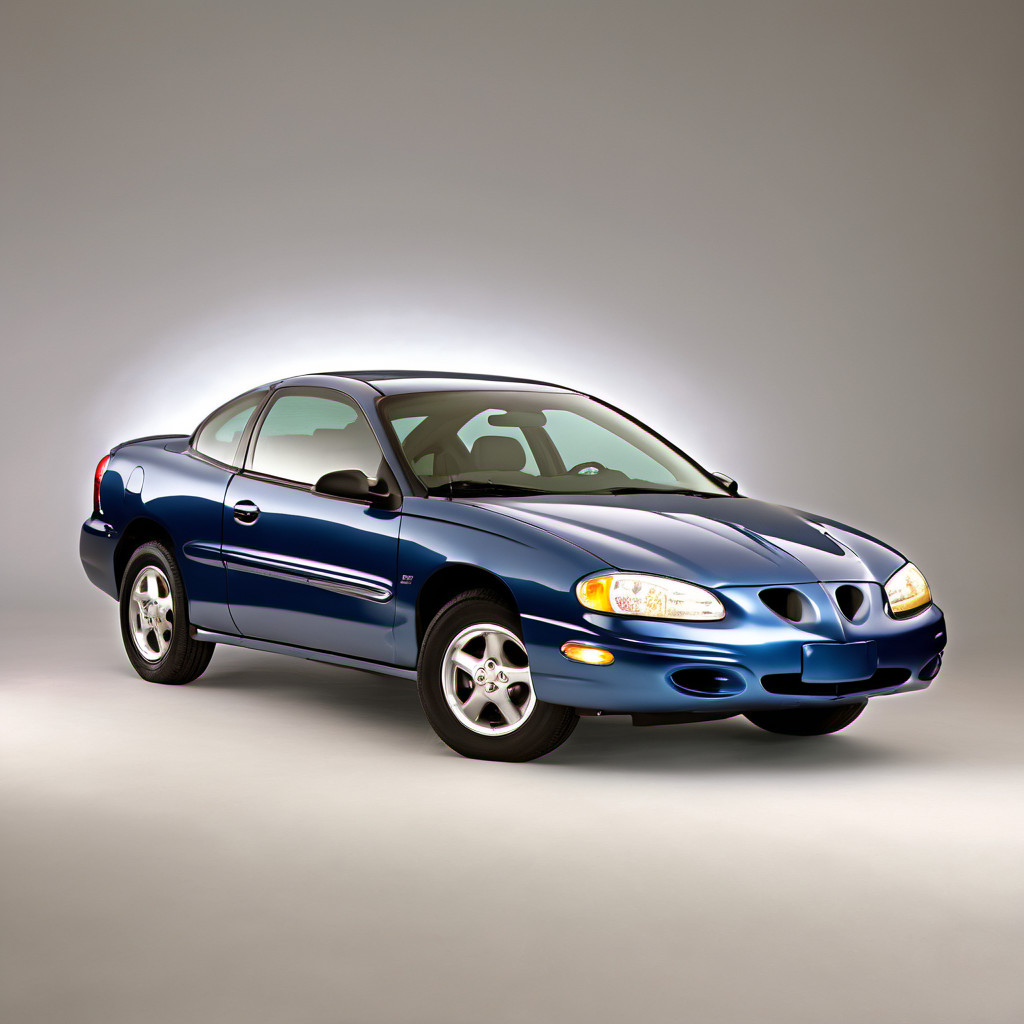
1999 Pontiac
Sedan
The 1999 Pontiac Grand Am was one of GM's best-selling front-wheel-drive sport sedans through the late '90s, riding on the N-body platform shared with the Oldsmobile Alero and Buick Skylark. It hit a sweet spot of affordable sporty styling, reasonable practicality, and relatively low sticker price — making it a popular choice for younger buyers and families alike. Under the hood this year's base four-cylinder is the 2.4L Twin Cam inline-four, a smooth-revving unit with decent power for the class. The optional 3.4L V6 was available for buyers wanting more punch. The 4T40-E four-speed automatic was the standard transmission pairing with the 2.4L. By 1999 the Grand Am was deep into its fourth generation (1992–1998 body carried into the refresh), and reliability reputation had settled into a mixed pattern — the engines and transmissions generally held up, but trim, electrical, and suspension components showed their age faster than the competition. At 25+ years old today, any surviving example needs a thorough pre-purchase inspection.
The 1999 Pontiac Grand Am was one of GM's best-selling front-wheel-drive sport sedans through the late '90s, riding on the N-body platform shared with the Oldsmobile Alero and Buick Skylark. It hit a sweet spot of affordable sporty styling, reasonable practicality, and relatively low sticker price — making it a popular choice for younger buyers and families alike. Under the hood this year's base four-cylinder is the 2.4L Twin Cam inline-four, a smooth-revving unit with decent power for the class. The optional 3.4L V6 was available for buyers wanting more punch. The 4T40-E four-speed automatic was the standard transmission pairing with the 2.4L. By 1999 the Grand Am was deep into its fourth generation (1992–1998 body carried into the refresh), and reliability reputation had settled into a mixed pattern — the engines and transmissions generally held up, but trim, electrical, and suspension components showed their age faster than the competition. At 25+ years old today, any surviving example needs a thorough pre-purchase inspection.
The 2.4L Twin Cam is known for intake gasket weeping; catching early coolant loss prevents a much more expensive head gasket job.
A 25-year-old engine benefits from more frequent oil changes; fresh oil helps keep the valve train clean on the Twin Cam.
These wear faster than average on N-body cars, and failure can cause sudden handling loss, especially on icy Wisconsin roads.
Moisture-absorbed brake fluid lowers boiling point and can corrode ABS components — important for reliable winter stopping.
A worn ignition cylinder is the most common trigger for Passlock no-start events; catching wear early avoids being stranded.
Road salt accelerates subframe, floor pan, and brake line corrosion. Annual inspection is essential in Lake Geneva-area driving.
Belt failure leaves you stranded; the 2.4L tensioner can wear and allow belt slippage before the belt itself looks bad.
The original-era batteries in these cars are long gone; even newer replacements lose significant cranking amps below 0°F — a weak battery will fail on a January morning.
Always defer to the manufacturer's service manual for warranty-mandated intervals.
The Grand Am is cheap to buy and cheap to insure, but its age means you should budget $600–$1,800/year for maintenance and unexpected repairs. Rust remediation or a major suspension overhaul on a high-mileage example can push costs significantly higher in a single year. Keep a repair fund — this is not a set-it-and-forget-it vehicle at this age.
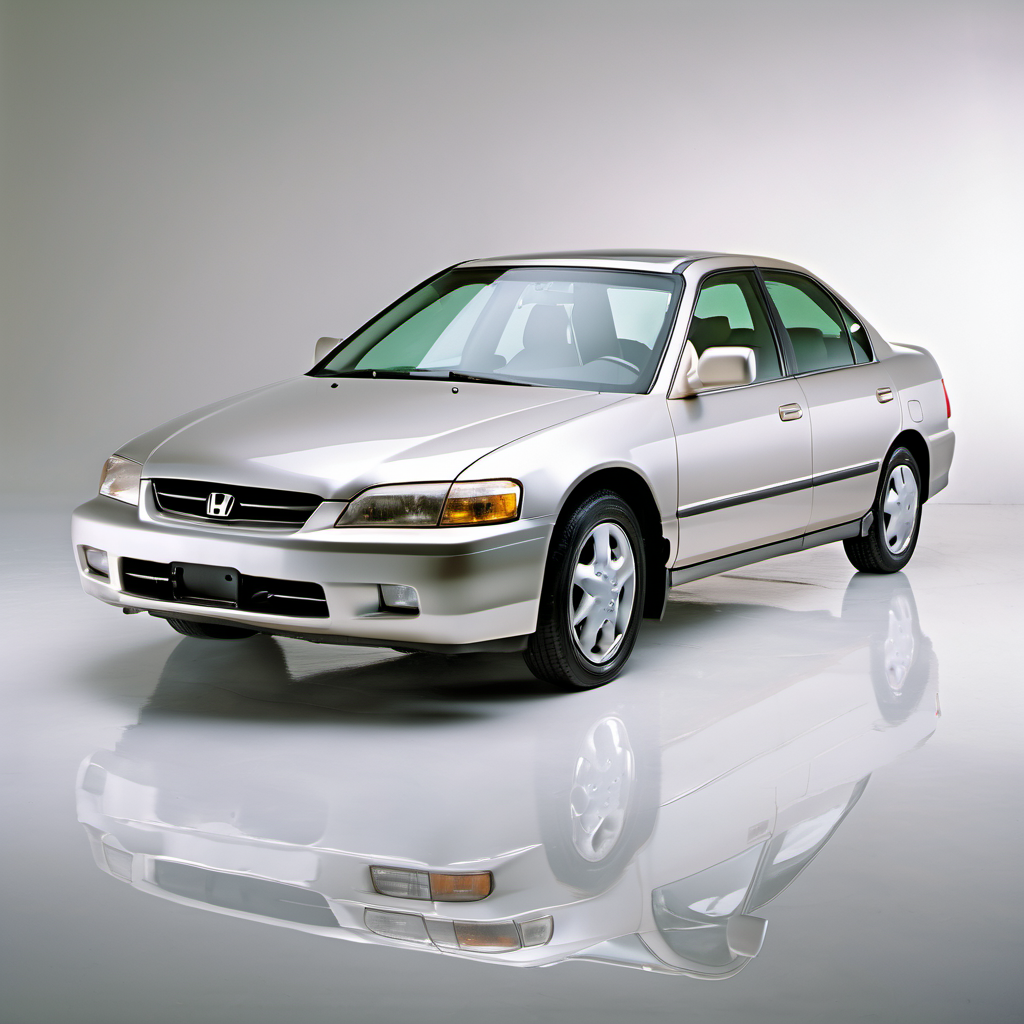
Similar size and price point, but substantially better long-term reliability, resale value, and rust resistance — a stronger choice if you can find a clean example.
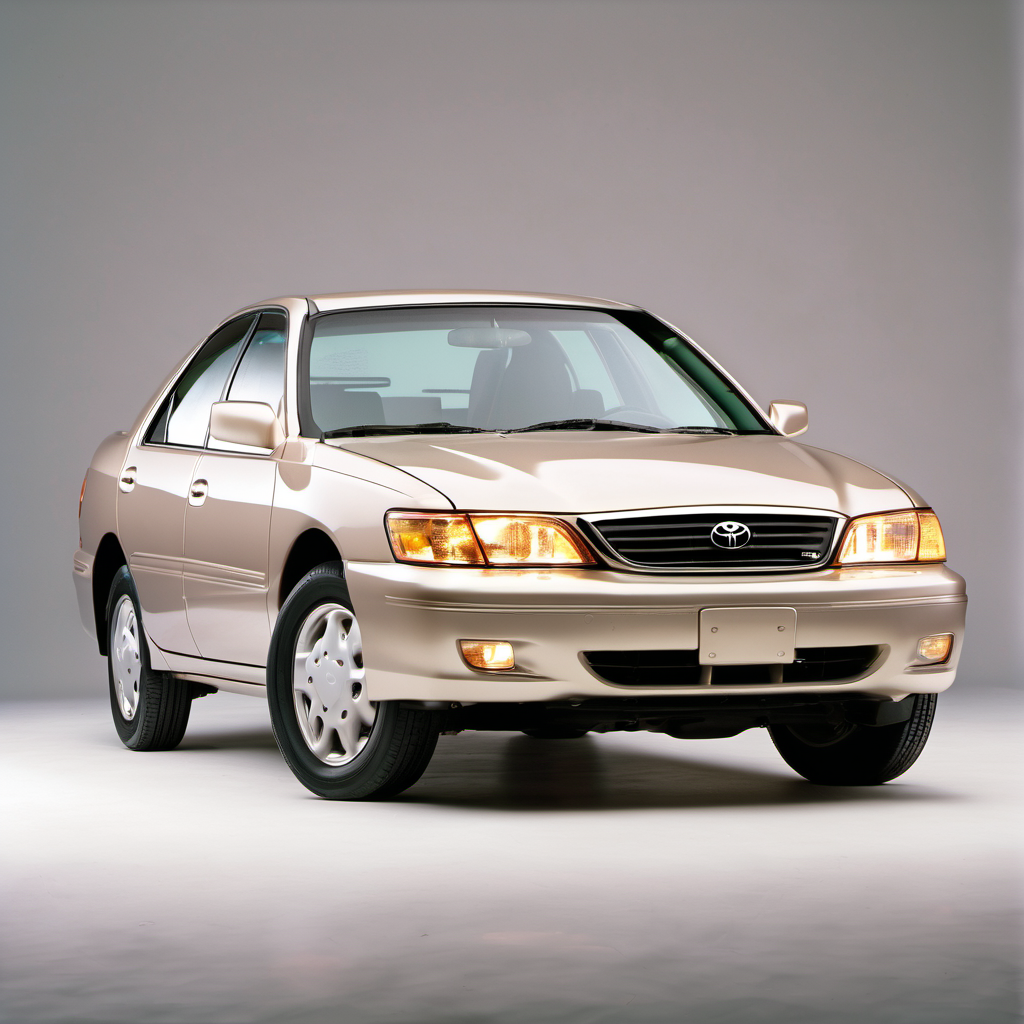
Same FWD midsize class, comparable fuel economy, and Toyota's well-documented durability advantage over GM N-body cars of this era.
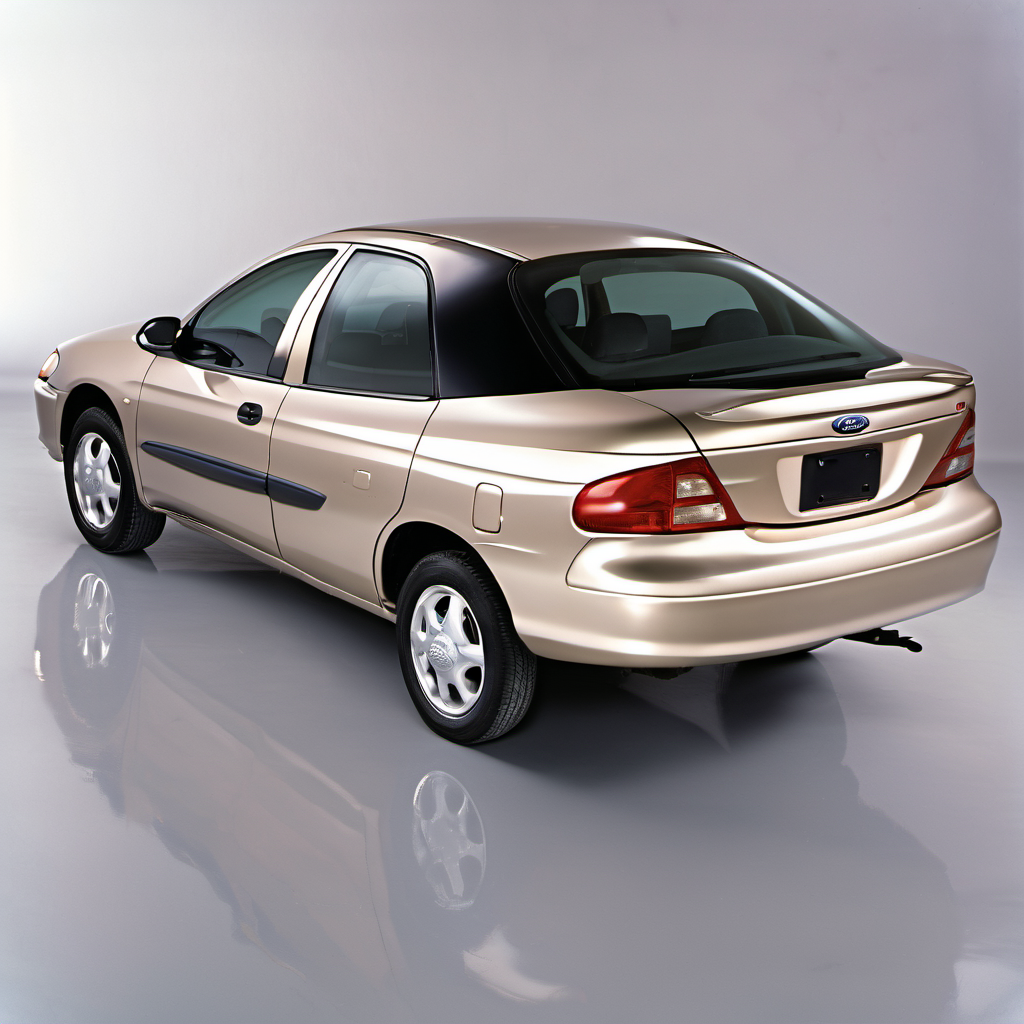
Direct competitor in the sporty FWD sedan segment at a similar price; different set of quirks but comparable ownership cost in this price range.
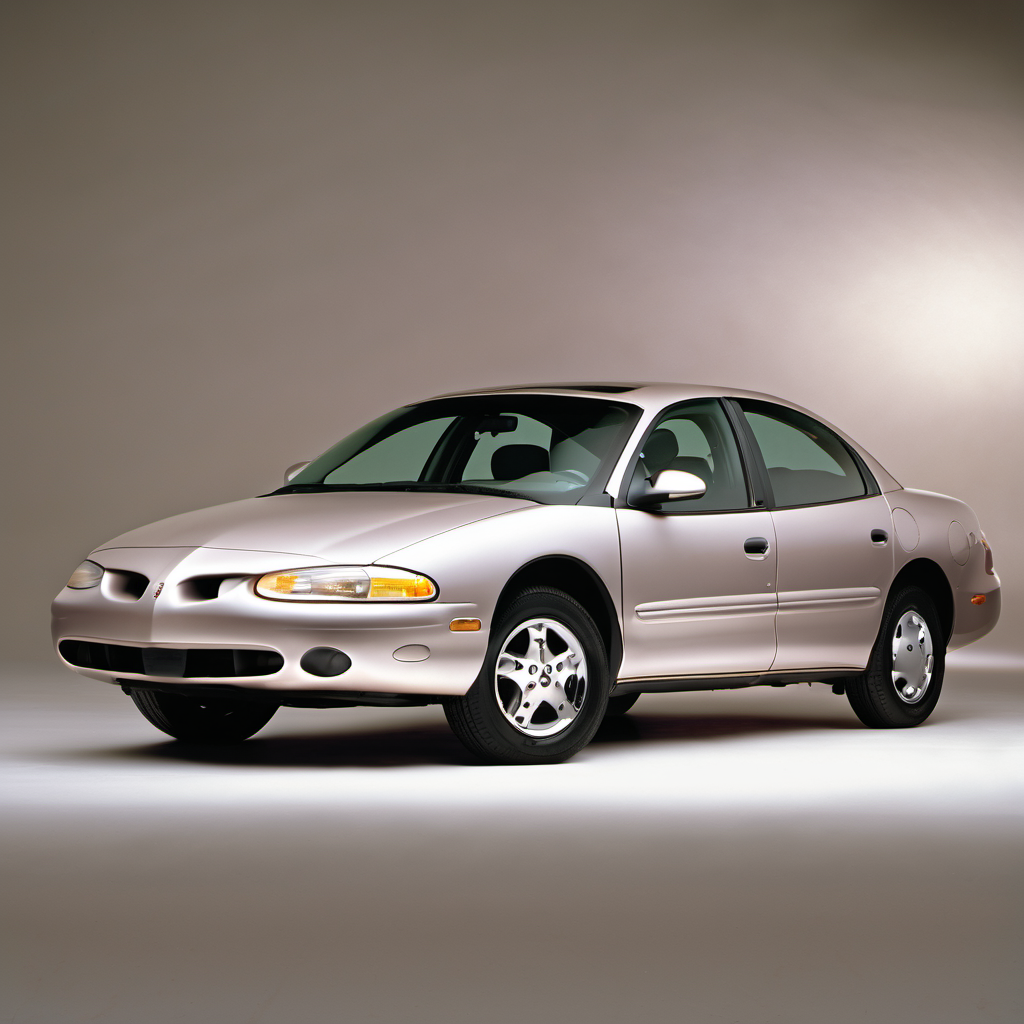
Shares the exact GM N-body platform and most mechanical components — if you prefer GM and want platform familiarity, the Alero is the closest alternative with slightly different styling.