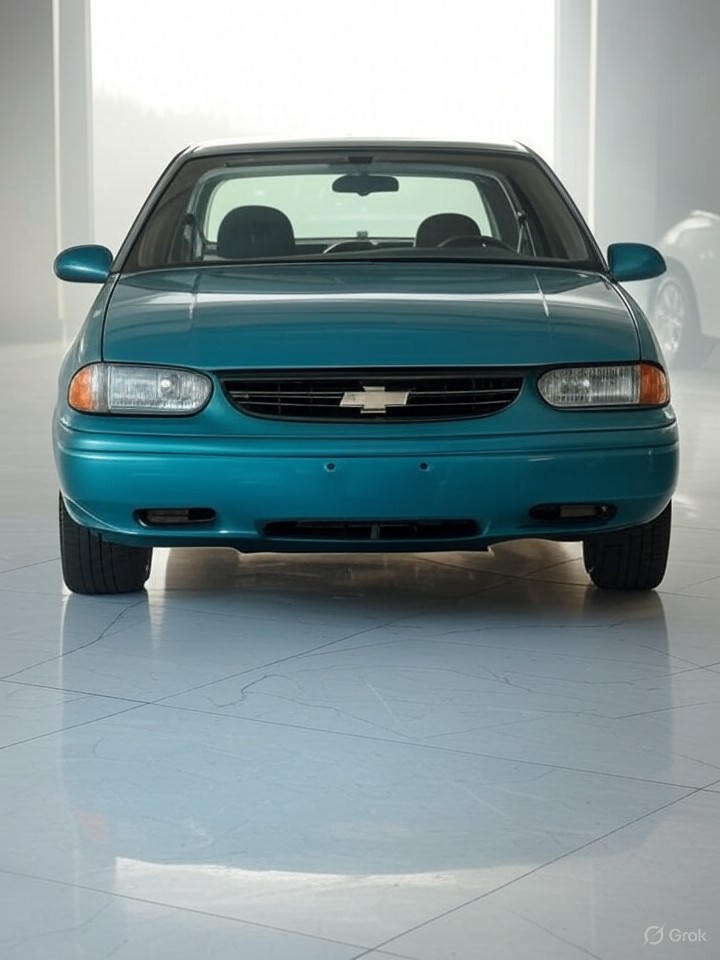
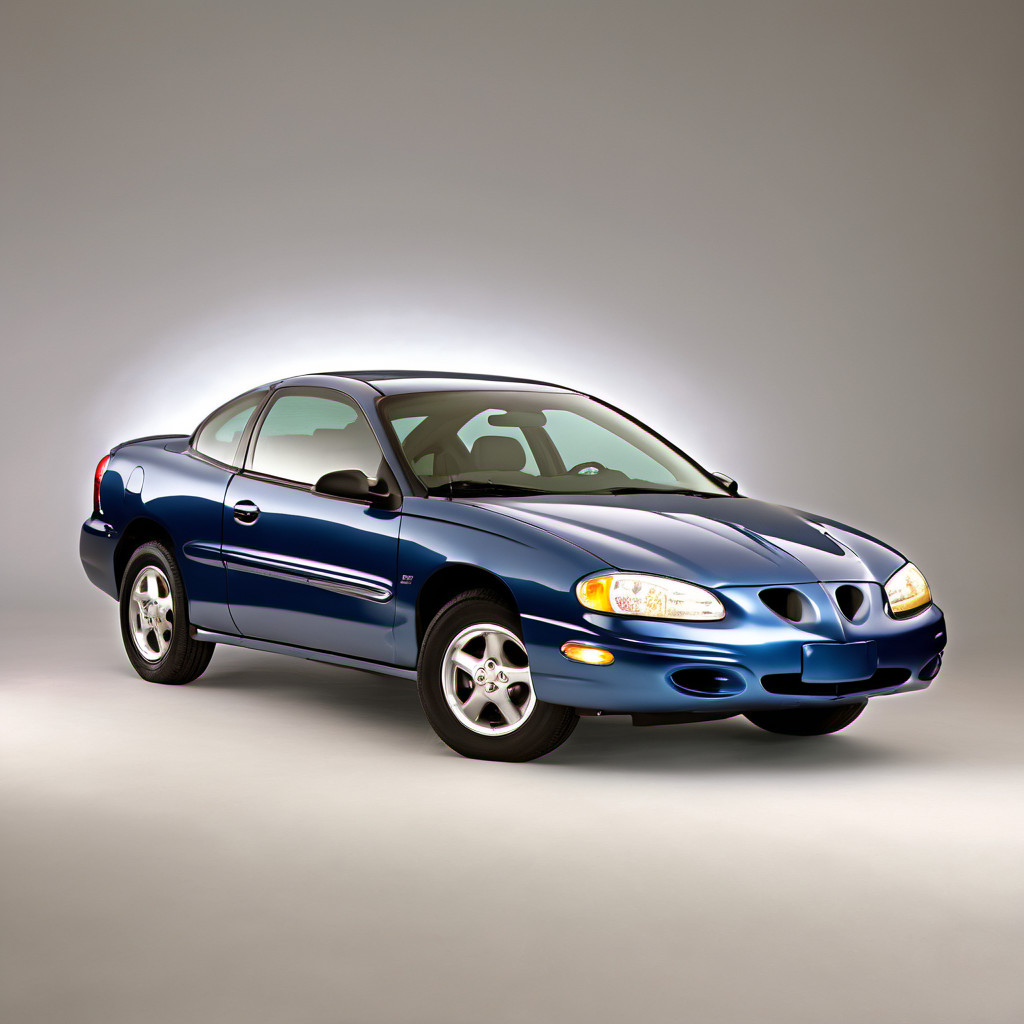
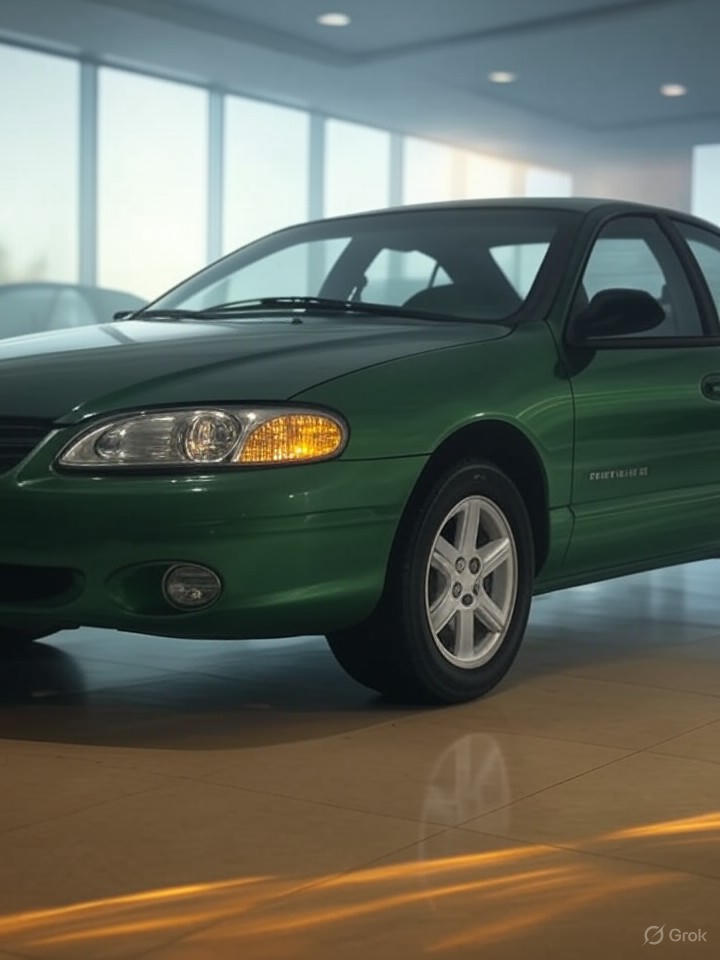
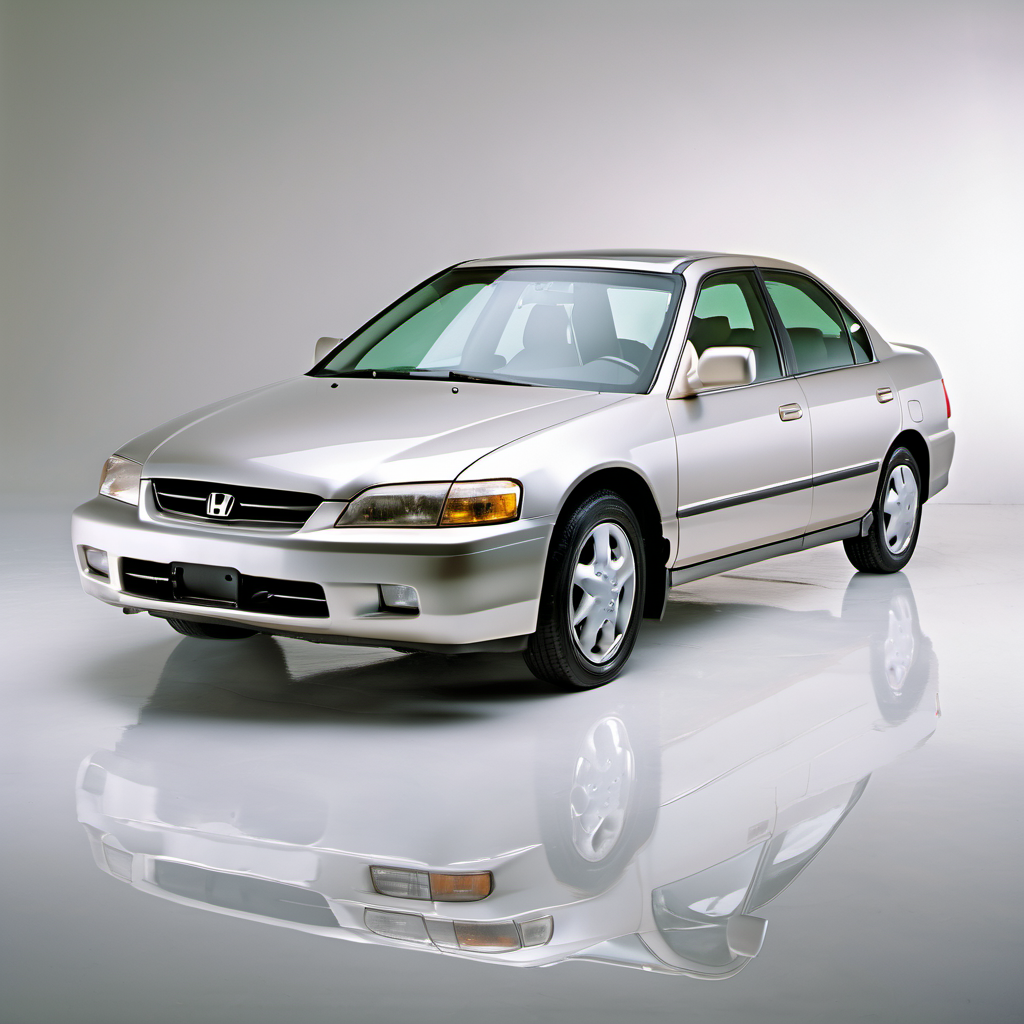
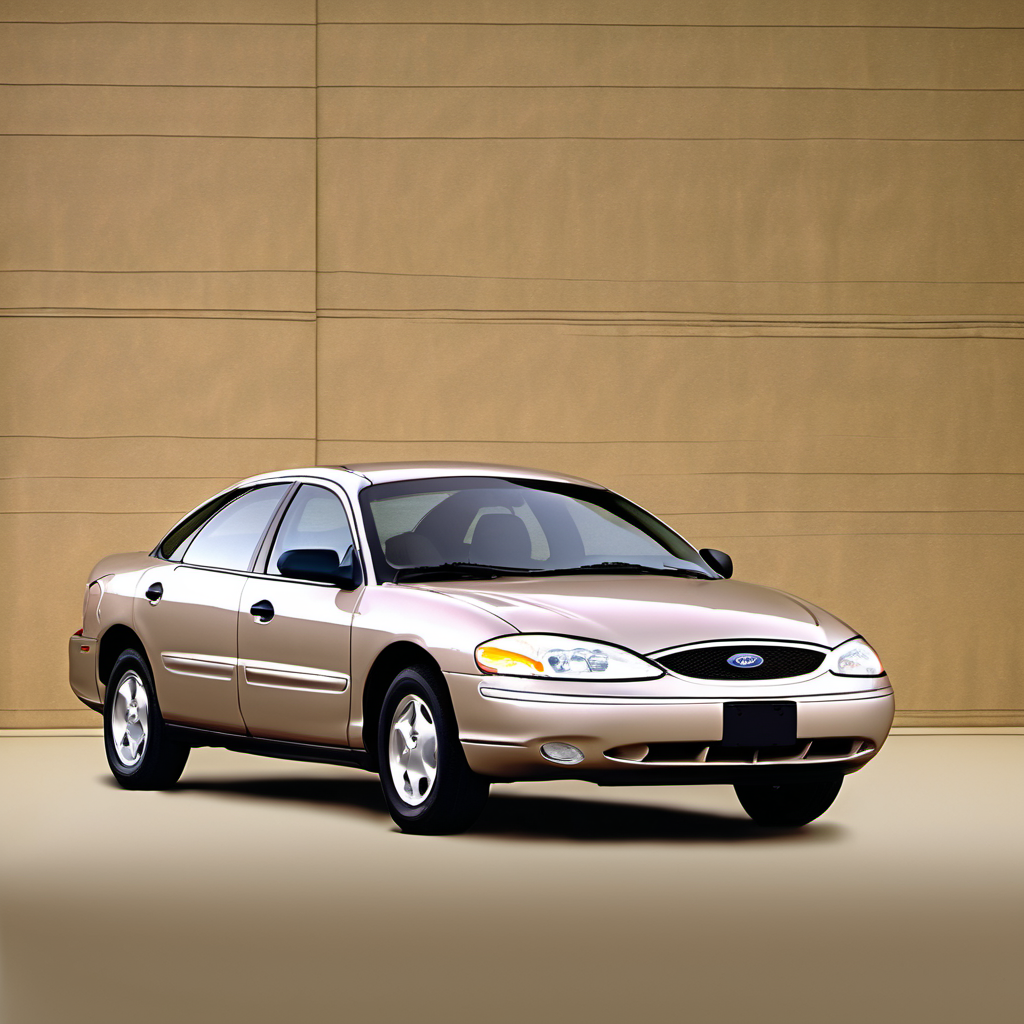
1999 Chevrolet Malibu Sedan

1999 Chevrolet

MalibuSedan

Sedan

The 1999 Chevrolet Malibu marked the rebirth of the Malibu nameplate after a long hiatus, riding on GM's N-body platform shared with the Oldsmobile Cutlass. It was positioned as an affordable, practical front-wheel-drive family sedan competing with the Honda Accord and Toyota Camry. The 2.4L Twin Cam four-cylinder was the top engine option for the '99 model year and offered reasonably brisk performance for its class. By 1999, the first-gen reborn Malibu (1997–2003) was a well-settled design — more refined than the early launch cars but still showing the cost-cutting that plagued GM sedans of the era. It was a popular fleet and budget family car that could be reliable with diligent maintenance, though it lagged behind Japanese competitors in long-term durability. At 25+ years old, any surviving 1999 Malibu is well into high-mileage territory. Rust is the dominant concern in Wisconsin — more so than mechanical issues. Treat this vehicle as a high-maintenance proposition and budget accordingly.

Reliability
2/5
Verified data
Specs shown for Malibu — the most common configuration. Other trims may vary in engine, drivetrain, or fuel economy. Sign in to see your vehicle's exact specs.
Engine
[object Object]
Drivetrain
FWD
Fuel
Gasoline
MPG
19 city / 28 hwy / 23 combined
Seats
Doors
Body
Midsize Cars

Overview

AI-curated

The 1999 Chevrolet Malibu marked the rebirth of the Malibu nameplate after a long hiatus, riding on GM's N-body platform shared with the Oldsmobile Cutlass. It was positioned as an affordable, practical front-wheel-drive family sedan competing with the Honda Accord and Toyota Camry. The 2.4L Twin Cam four-cylinder was the top engine option for the '99 model year and offered reasonably brisk performance for its class. By 1999, the first-gen reborn Malibu (1997–2003) was a well-settled design — more refined than the early launch cars but still showing the cost-cutting that plagued GM sedans of the era. It was a popular fleet and budget family car that could be reliable with diligent maintenance, though it lagged behind Japanese competitors in long-term durability. At 25+ years old, any surviving 1999 Malibu is well into high-mileage territory. Rust is the dominant concern in Wisconsin — more so than mechanical issues. Treat this vehicle as a high-maintenance proposition and budget accordingly.

Known for
  • Affordable, spacious N-body family sedan
  • Smooth-riding for its class and era
  • 2.4L Twin Cam four-cylinder with decent power
  • Budget-friendly acquisition cost
Best for
  • Budget-minded buyers who can do basic maintenance themselves
  • Short-distance urban and suburban commuters
  • Buyers who need cheap, basic A-to-B transportation
Watch for
  • Heavy underbody rust on Wisconsin examples — frame rails, subframe, and brake lines
  • Intake manifold gasket failures on the 2.4L engine
  • Aging plastic trim and interior components that are increasingly hard to source
  • Cooling system neglect is extremely common on high-mileage examples

Common issues by mileage

6 known

Intake Manifold Gasket Failure

high
Typically appears
80–150k mi
Estimated repair
$300 – $600

Coolant Leaks / Overheating (Thermostat, Water Pump, Hoses)

high
Typically appears
80–130k mi
Estimated repair
$150 – $500

Front Strut and Strut Mount Wear

high
Typically appears
70–120k mi
Estimated repair
$300 – $650

Severe Underbody / Brake Line Rust (Wisconsin-specific)

high
Typically appears
All mileages on WI vehicles
Estimated repair
$400 – $2,500

Transmission Slipping / Delayed Engagement (4T40E/4T45E)

medium
Typically appears
100–160k mi
Estimated repair
$800 – $2,200

Maintenance schedule

  1. 1
    Every 2 years or 30,000 mi Engine coolant flush and inspection

    The 2.4L is prone to overheating and gasket failure when coolant degrades. Fresh coolant and inspected hoses/thermostat are cheap insurance against a much bigger bill.

  2. 2
    Every 30,000 mi Transmission fluid change

    GM's 4T40E/4T45E transmissions are sensitive to fluid condition. Many failures trace directly to neglected fluid. Use Dexron VI.

  3. 3
    Every 30,000–45,000 mi Spark plugs and wires

    The 2.4L Twin Cam shows noticeable performance and fuel economy degradation with worn plugs. Plug boots can fuse to plug tubes on high-mileage engines — inspect carefully.

  4. 4
    Every year, before winter Brake line inspection

    Salt corrosion attacks steel brake lines aggressively in Wisconsin. A leaking or burst line is a serious safety emergency. Inspect all lines and replace any that show pitting or rust bubbles.

  5. 5
    Every 60,000 mi or at visible cracking Serpentine belt and tensioner inspection

    Belt failure on the 2.4L leaves you stranded and can damage the water pump pulley. Cold Wisconsin winters accelerate belt cracking.

  6. 6
    Every fall before temperatures drop below freezing Battery load test

    A 25-year-old car's charging system and wiring may not fully support a marginal battery in sub-zero temps. Cold-cranking demand spikes when it's -10°F.

  7. 7
    Every 1–2 years Undercarriage rust-proofing / cavity wax

    At this age, proactive rust treatment on seams, frame rails, and wheel wells is the single best investment you can make to extend the life of this vehicle in Wisconsin.

  8. 8
    Every 30,000 mi PCV valve replacement

    A clogged PCV valve on the 2.4L causes oil consumption and sludge buildup. It's a cheap part with an outsized impact on engine longevity.

Always defer to the manufacturer's service manual for warranty-mandated intervals.

Cost of ownership

Annual maintenance
$700 – $2,000
Fuel
At 23 MPG combined and ~12,000 mi/yr, expect roughly $1,400–$1,700/yr at current Wisconsin gas prices.
Insurance
Liability-only coverage is typical at this value. Expect $500–$900/yr depending on your record and ZIP code.

The Malibu's low purchase price is its main draw, but a 25-year-old example in Wisconsin can surprise you with rust remediation, brake line work, and cooling system repairs. Budget at least $700–$1,000/yr for routine upkeep alone, and keep a reserve for the unexpected. Total annual cost of ownership including fuel and insurance can easily reach $3,000–$4,500.
Seasonal care

Lake Geneva, WI
Winter
  • Load-test the battery every fall — cold-cranking demands are high and old wiring may not tolerate a weak battery at sub-zero temps.
  • Switch to a full-synthetic 5W-30 oil if not already used — it flows faster on cold starts and reduces wear during Wisconsin winters.
  • Inspect and replace steel brake lines showing any rust pitting before the first hard freeze — brake fluid absorbs moisture and lines corrode from inside out.
  • Fill the washer fluid reservoir with a -30°F-rated fluid; the 1999 Malibu's wiper system can freeze up quickly in lake-effect conditions.
  • Check antifreeze concentration — it should protect to at least -34°F. A 50/50 mix of fresh Dex-Cool or universal coolant is the minimum.
  • Keep the fuel tank above half when temps drop — a fuller tank reduces condensation in the fuel system and keeps the fuel pump cool.
Summer
  • Inspect the A/C system for refrigerant leaks — on a 25-year-old car, O-rings and hose fittings are aging and R-134a loss is common.
  • Check tire pressure monthly — ambient temperature swings of 40°F+ between Wisconsin winter and summer can shift pressure by 6–8 PSI.
  • Inspect the coolant overflow reservoir and radiator cap for cracks — heat soak at idle (e.g., traffic on Highway 50) can push a marginal cooling system over the edge.
  • Check the serpentine belt for glazing or cracking — summer heat accelerates rubber degradation on an already old belt.

Comparable vehicles

If you're shopping for one

Red flags
  • Any rust on the brake lines — walk away or negotiate a significant allowance for full replacement
  • Coolant that looks brown or oily — likely intake manifold or head gasket contamination
  • Transmission that hesitates, slips, or clunks on engagement — rebuilds cost $800–$2,200
  • Frame rail or subframe rust that has progressed beyond surface scale — structural integrity concern
  • Check engine light or evidence of recent light clearing (scan for pending codes before buying)
What to inspect
  • Full undercarriage inspection — brake lines, fuel lines, subframe mounting points, and floor pan
  • Coolant color and level — pull the radiator cap (cold engine only) and look for discoloration or oil sheen
  • Transmission behavior during a test drive — smooth shifts through all gears, no slipping or surging
  • Oxygen sensor operation — a scanner showing live O2 sensor data costs nothing at a shop and reveals a lot
  • Struts and front-end components — bounce test each corner, listen for clunks over rough pavement
  • All rubber seals, hoses, and belts — 25-year-old rubber cracks and hardens, especially in Wisconsin freeze/thaw cycles
AI profile generated 11 days ago · claude-sonnet-4-6 · v2.