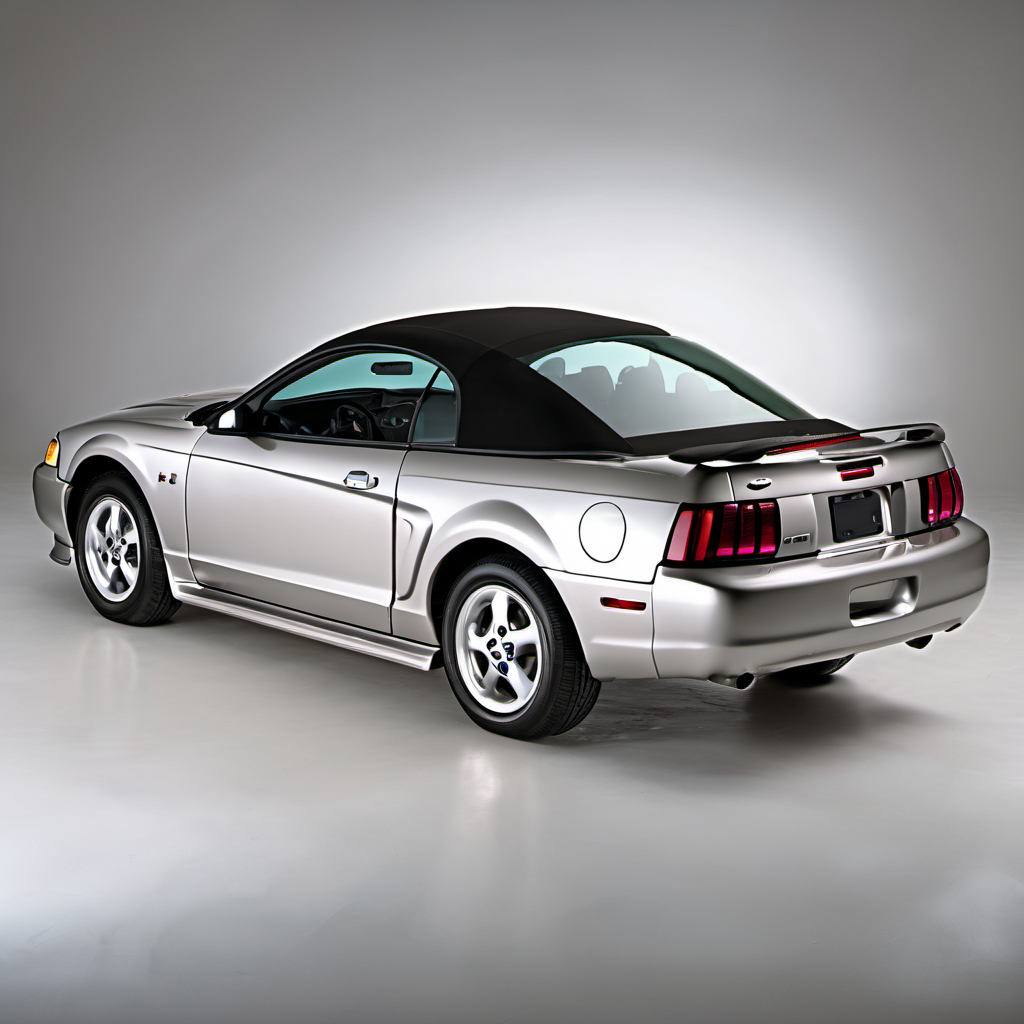
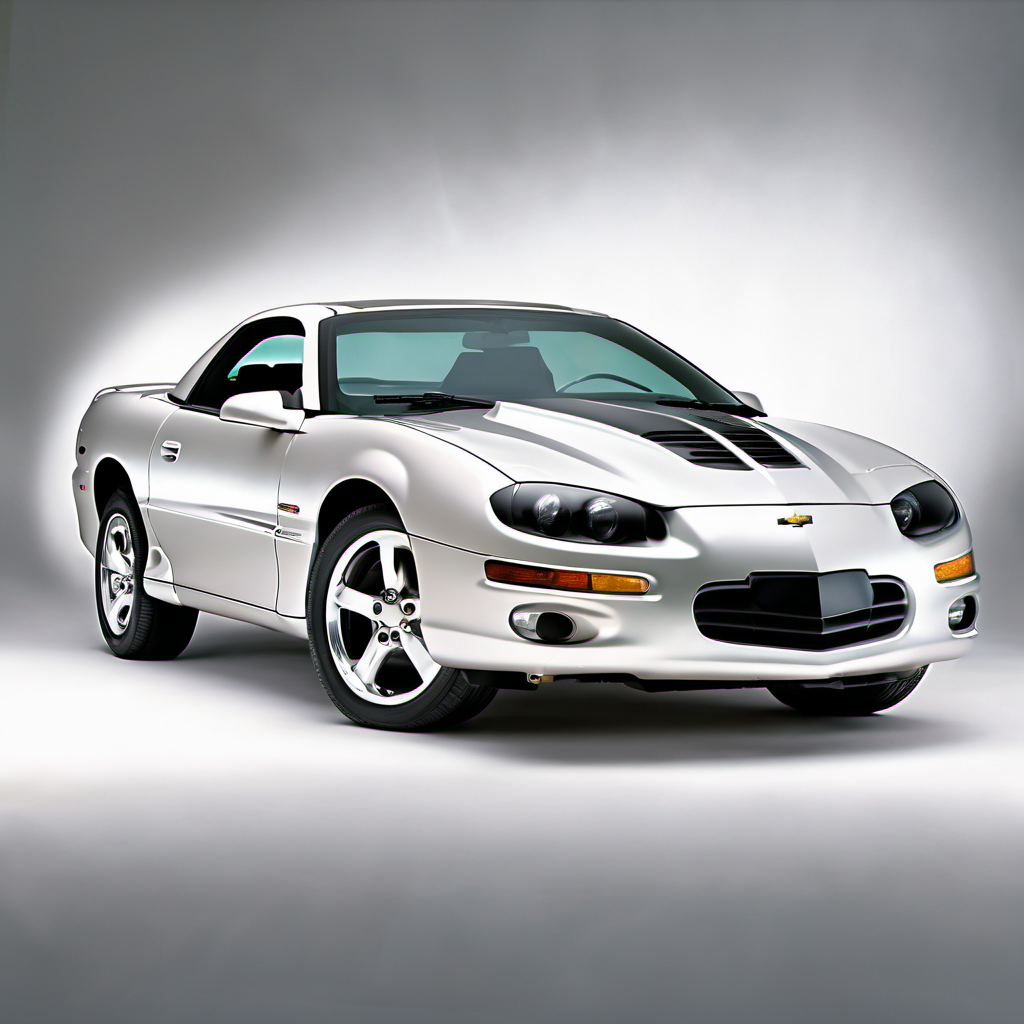
1999 Ford Mustang Coupe

1999 Ford

MustangCoupe

Coupe

The 1999 Ford Mustang is a fourth-generation (SN95) pony car built on Ford's Fox-4 platform — a refined evolution of the legendary Fox Body. This year sits in the final stretch of the SN95 era before the 1999 refresh brought a restyled "New Edge" look with sharper body lines, a new interior, and revised suspension tuning. The base engine is Ford's 3.8L Essex V6, making it an accessible entry point into Mustang ownership with decent highway manners and low running costs. The 3.8L V6 coupe was the volume seller of the lineup, appealing to buyers who wanted the Mustang look and rear-wheel-drive fun without the insurance hit of the GT or Cobra. It's a practical daily driver in good weather, though its RWD layout demands respect — and good tires — once Wisconsin winters arrive. At 25 years old, nearly every example on the road today is a used purchase. Condition varies enormously. Well-maintained survivors are reliable and cheap to keep up; neglected ones with deferred cooling and intake work can turn into money pits quickly.

Reliability
3/5
Verified data
Specs shown for Mustang — the most common configuration. Other trims may vary in engine, drivetrain, or fuel economy. Sign in to see your vehicle's exact specs.
Engine
[object Object]
Drivetrain
RWD
Fuel
Gasoline
MPG
17 city / 25 hwy / 20 combined
Seats
Doors
Body
Subcompact Cars

Overview

AI-curated

The 1999 Ford Mustang is a fourth-generation (SN95) pony car built on Ford's Fox-4 platform — a refined evolution of the legendary Fox Body. This year sits in the final stretch of the SN95 era before the 1999 refresh brought a restyled "New Edge" look with sharper body lines, a new interior, and revised suspension tuning. The base engine is Ford's 3.8L Essex V6, making it an accessible entry point into Mustang ownership with decent highway manners and low running costs. The 3.8L V6 coupe was the volume seller of the lineup, appealing to buyers who wanted the Mustang look and rear-wheel-drive fun without the insurance hit of the GT or Cobra. It's a practical daily driver in good weather, though its RWD layout demands respect — and good tires — once Wisconsin winters arrive. At 25 years old, nearly every example on the road today is a used purchase. Condition varies enormously. Well-maintained survivors are reliable and cheap to keep up; neglected ones with deferred cooling and intake work can turn into money pits quickly.

Known for
  • Iconic American pony car styling with the 1999 New Edge redesign
  • Affordable V6 entry point into Mustang ownership
  • Rear-wheel drive with a live rear axle — characteristically sporty feel
  • Strong aftermarket and parts availability
  • Long production run means mechanics everywhere know this car
Best for
  • Weekend cruisers and car enthusiasts on a budget
  • Drivers who want a fun, affordable RWD coupe
  • DIY mechanics — parts are cheap and the engine bay is accessible
  • Collectors looking for a low-cost classic in the making
Watch for
  • 3.8L V6 is known for intake manifold coolant leaks — a serious and common failure
  • Head gasket failures often follow unaddressed cooling system issues
  • RWD with all-season or worn tires is a real hazard on Wisconsin ice and snow
  • 25-year-old examples may have rust on floorpans, frame rails, and subframe connectors
  • Electrical gremlins (windows, convertible tops on ragtop versions, instrument clusters) are age-related

Common issues by mileage

6 known

Intake Manifold Gasket Coolant Leak

high
Typically appears
60–120k mi
Estimated repair
$400 – $700

Head Gasket Failure (consequence of overheating)

medium
Typically appears
80–150k mi
Estimated repair
$900 – $1,800

Oxygen Sensor Failure (Bank 1 or Bank 2)

medium
Typically appears
60–100k mi
Estimated repair
$100 – $250

Cooling System Thermostat & Housing Failure

high
Typically appears
50–100k mi
Estimated repair
$80 – $200

Power Window Regulator / Motor Failure

medium
Typically appears
80k+ mi
Estimated repair
$120 – $280

Rust — Floorpans, Frame Rails, and Subframe Connectors

high
Typically appears
All mileage (age/climate dependent)
Estimated repair
$300 – $2,500

Maintenance schedule

  1. 1
    At purchase and every 2 years thereafter Inspect and pressure-test the cooling system including intake manifold gaskets

    The 3.8L Essex V6 plastic intake manifold gaskets are a known failure point. Coolant leaks internally and can cause catastrophic overheating before the driver notices. Catching this early is the single most important thing you can do to protect this engine.

  2. 2
    Every 3 years or 30k miles Flush and refill coolant with correct Ford-spec coolant

    Old or incorrect coolant accelerates gasket corrosion and promotes electrolytic degradation of the intake manifold and heater core.

  3. 3
    Every 30k miles Inspect spark plugs and replace if needed

    The 3.8L can develop misfires from worn plugs, and with six cylinders all accessible from the top, this is an easy DIY job on this platform.

  4. 4
    Every 5,000 miles or 6 months Check and change engine oil

    At this age, most examples are driven infrequently or short-trip only. Time-based oil changes matter as much as mileage. Milky or caramel-colored oil signals coolant intrusion — do not drive further until diagnosed.

  5. 5
    Every 30–50k miles or at purchase Inspect rear axle fluid

    The 7.5-inch rear axle is durable but the fluid is often never changed. Fresh fluid reduces wear and helps identify any seal leaks.

  6. 6
    Annually, especially after Wisconsin winters Inspect brake lines and fuel lines for rust and corrosion

    Road salt accelerates underbody corrosion on steel brake and fuel lines. A corroded brake line failure is a safety emergency. Catch it during routine inspection.

  7. 7
    Every fall before winter Test battery and charging system

    Cold cranking a 25-year-old car in sub-zero Wisconsin temperatures stresses a marginal battery. Replace any battery over 4 years old proactively.

  8. 8
    Every 60–75k miles or if cracking/glazing is visible Replace serpentine belt and inspect tensioner/idler

    A snapped belt on a cold Wisconsin morning leaves you stranded and can cause power steering and charging loss simultaneously. Tensioners on this era often weaken with age as much as mileage.

Always defer to the manufacturer's service manual for warranty-mandated intervals.

Cost of ownership

Annual maintenance
$400 – $1,000
Fuel
At 20 MPG combined and ~12,000 miles/year, expect roughly $1,400–$1,700/year at current Midwest gas prices. Highway driving brings this down noticeably.
Insurance
Generally low to moderate for the V6 coupe. Rates rise significantly for younger drivers or if insured as a performance vehicle. Shop around — the V6 is meaningfully cheaper to insure than the GT.

The V6 Mustang is one of the cheaper sports coupes to own day-to-day. Parts are inexpensive and widely available. The big financial risk is deferred cooling system maintenance — an ignored intake manifold gasket job ($400–$700) can cascade into a head gasket repair ($900–$1,800+). Stay ahead of cooling system health and this car is very affordable to run.
Seasonal care

Lake Geneva, WI
Winter
  • Switch to a full winter tire set — RWD + bald or all-season tires on Wisconsin ice is genuinely dangerous. The Mustang's live rear axle makes oversteer easy to provoke on slippery surfaces.
  • Test the battery every fall and replace proactively if it's over 4 years old. Cold cranking amps drop sharply in sub-zero temperatures.
  • Use a winter-rated windshield washer fluid rated to at least -20°F. The stock reservoir is forward-mounted and will freeze with summer fluid.
  • Rinse the undercarriage regularly through winter — road salt from Lake Geneva area roads attacks the already-vulnerable floorpans, brake lines, and fuel lines on this platform.
  • Check coolant freeze protection with a tester. It should be good to at least -34°F. Weak coolant freezes in the block overnight.
  • Consider a battery tender / trickle charger if the car sits for extended periods during winter months.
Summer
  • Monitor the temperature gauge closely during slow traffic — the 3.8L V6 cooling system is marginal and heat soak in stop-and-go can push temps up quickly, especially if the intake gaskets are weeping.
  • Check tire pressure monthly. Ambient temperatures rising from spring to summer can add 3–5 PSI, pushing already-warm pavement tires toward overinflation.
  • Inspect the A/C system early in the season — the refrigerant capacity is small and any leak will be noticeable by July. Recharge if cooling is weak; don't wait until August.
  • Check the serpentine belt for cracking or glazing. Summer heat accelerates belt degradation on older rubber.
  • Keep the coolant reservoir topped and watch for any sweet smell from the engine bay — a telltale sign of intake gasket seepage before a full leak develops.

Comparable vehicles

If you're shopping for one

Red flags
  • Any sign of prior overheating (warped coolant reservoir cap, residue on expansion tank, rust-colored coolant) — walk away or price in a potential head gasket job.
  • Milky oil on the dipstick or oil cap — coolant is in the engine.
  • A freshly replaced thermostat housing with no record of intake gasket work — common band-aid that masks the real leak.
  • Heavy floorpan rust-through — structural integrity is compromised and repair costs exceed typical vehicle value.
  • Smoke from the exhaust on a warm, fully warmed-up engine — possible head gasket failure.
  • Missing or heavily modified emissions or cooling system components — often signals the previous owner was chasing problems rather than fixing them.
What to inspect
  • Pressure-test the cooling system before purchase — look for external coolant leaks at the intake manifold (lower edges of the manifold, below the throttle body) and check the coolant reservoir for oil contamination.
  • Pull the oil dipstick and look for milky or caramel-colored oil — a sign of coolant intrusion from a failed intake or head gasket.
  • Inspect floorpans inside the cabin (pull back the carpet at the driver's heel pad and rear footwells) for rust-through.
  • Check the frame rails and subframe connector area for heavy surface rust or structural corrosion — common on Wisconsin/Illinois cars.
  • Look under the car at brake and fuel lines for heavy rust, pinhole leaks, or repairs done with rubber hose and clamps.
  • Verify the temperature gauge reads in the normal range on a cold start and stays stable at operating temperature — a thermostat that's been removed to mask overheating symptoms is a red flag.
  • Test all power windows, and on convertibles, the top mechanism — motors and regulators are expensive relative to the car's value.
  • Check the rear axle area for gear oil leaks at the pinion seal and axle seals.
AI profile generated 11 days ago · claude-sonnet-4-6 · v2.