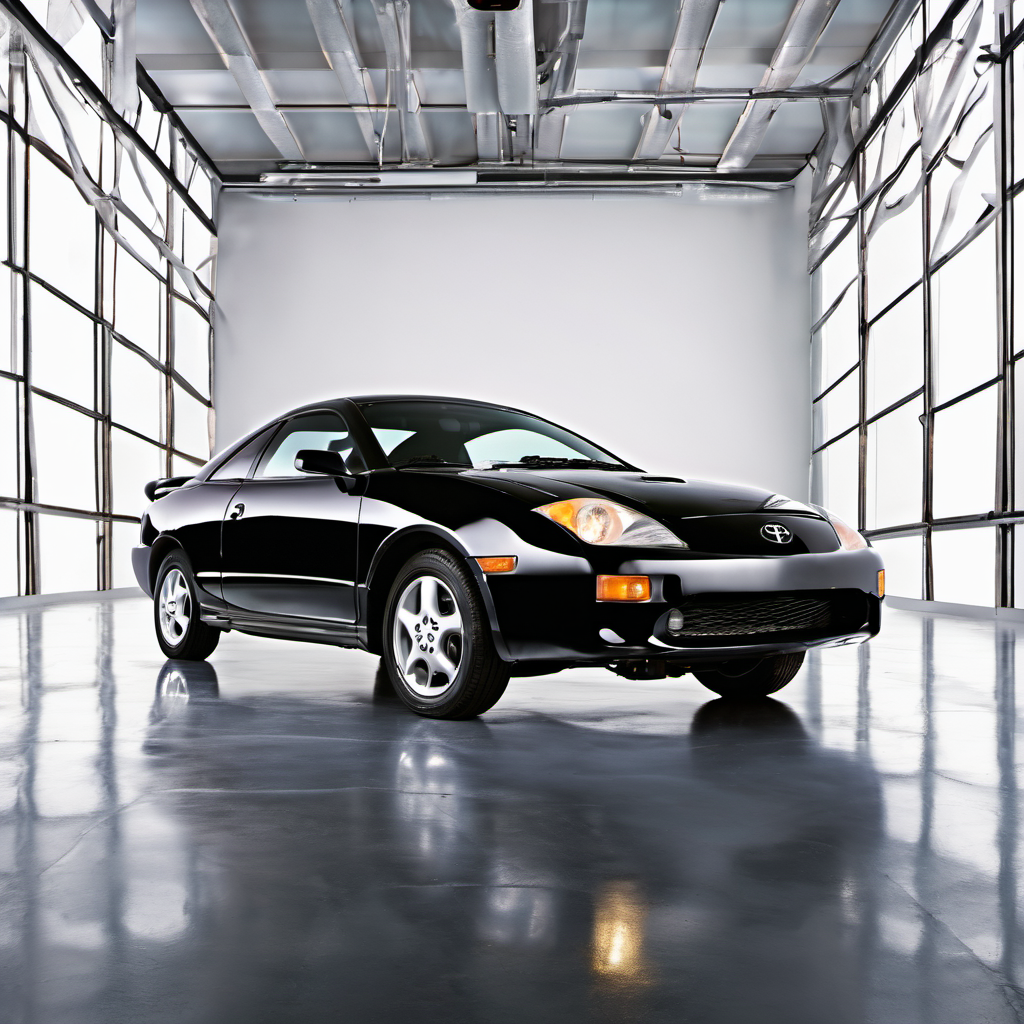
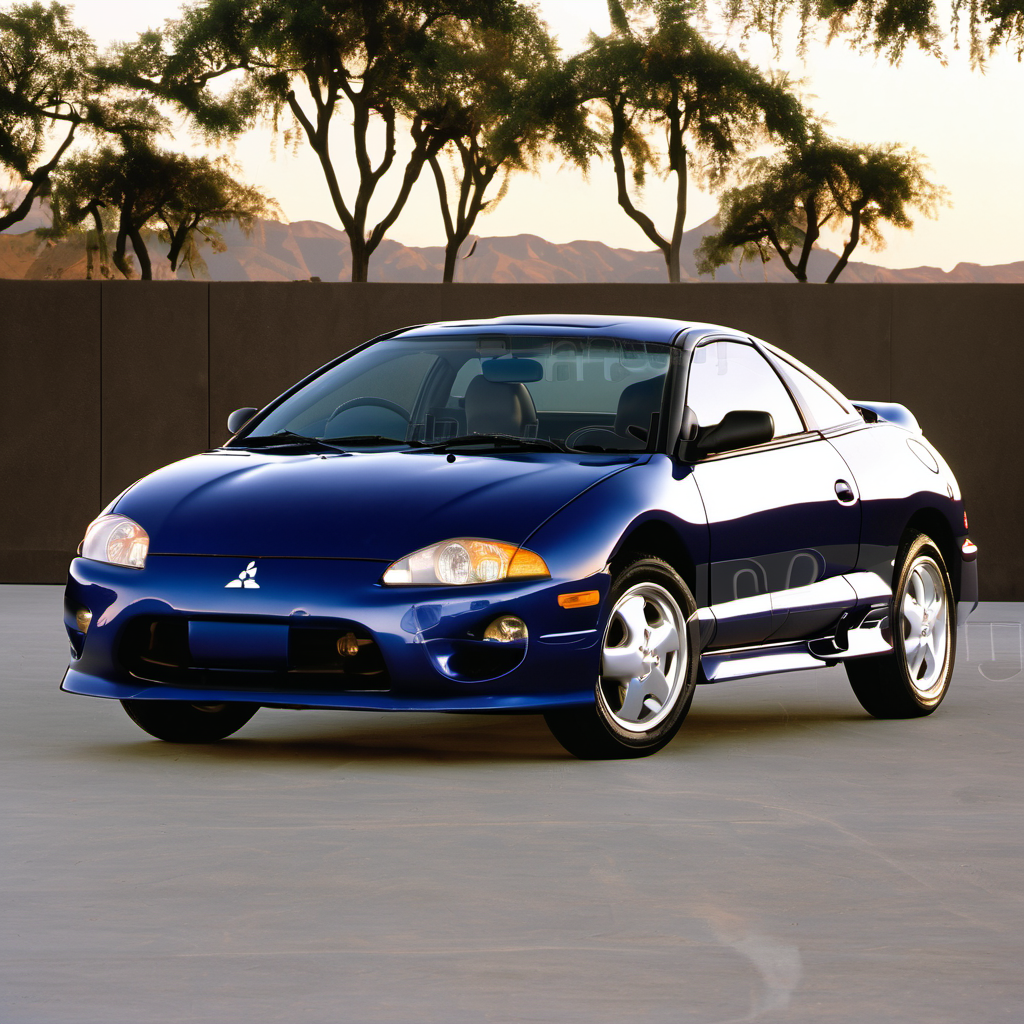
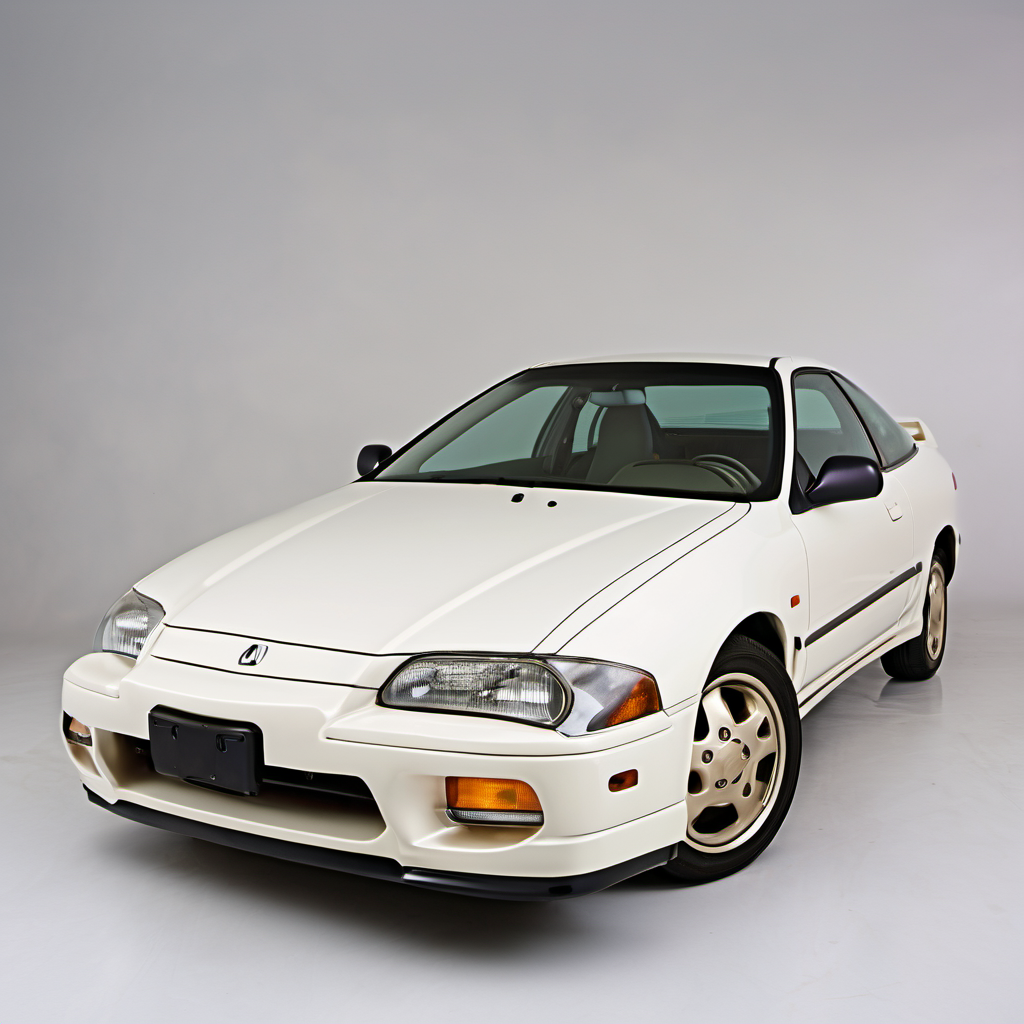
1999 Toyota Celica Hatchback

1999 Toyota

CelicaHatchback

Hatchback

The 1999 Toyota Celica is the last model year of the sixth-generation (T200) body style before the completely redesigned seventh-gen arrived for 2000. It's a front-wheel-drive, 2+2 sport coupe powered by Toyota's proven 5S-FE 2.2L four-cylinder — reliable, smooth, and reasonably peppy without being a fire-breather. At this age, examples are well into their second or third ownership cycle, and condition varies enormously. The Celica's reputation is built on dependability, tight handling, and low running costs. The 5S-FE engine is one of Toyota's bulletproof designs — it's not uncommon to find them running cleanly past 200,000 miles with nothing more than regular oil changes. The platform is simple, parts are affordable, and independent shops can work on it without specialized tooling. That said, any 1999 Celica on the road today is at minimum 25 years old. You're buying the maintenance history (or lack of it) as much as the car itself. Rust from Wisconsin winters is the single biggest threat to longevity on these platforms. A clean, well-documented example is a genuinely rewarding car; a neglected one can become a money pit.

Reliability
4/5
Verified data
Specs shown for Celica Convertible — the most common configuration. Other trims may vary in engine, drivetrain, or fuel economy. Sign in to see your vehicle's exact specs.
Engine
[object Object]
Drivetrain
FWD
Fuel
Gasoline
MPG
20 city / 27 hwy / 23 combined
Seats
Doors
Body
Minicompact Cars

Overview

AI-curated

The 1999 Toyota Celica is the last model year of the sixth-generation (T200) body style before the completely redesigned seventh-gen arrived for 2000. It's a front-wheel-drive, 2+2 sport coupe powered by Toyota's proven 5S-FE 2.2L four-cylinder — reliable, smooth, and reasonably peppy without being a fire-breather. At this age, examples are well into their second or third ownership cycle, and condition varies enormously. The Celica's reputation is built on dependability, tight handling, and low running costs. The 5S-FE engine is one of Toyota's bulletproof designs — it's not uncommon to find them running cleanly past 200,000 miles with nothing more than regular oil changes. The platform is simple, parts are affordable, and independent shops can work on it without specialized tooling. That said, any 1999 Celica on the road today is at minimum 25 years old. You're buying the maintenance history (or lack of it) as much as the car itself. Rust from Wisconsin winters is the single biggest threat to longevity on these platforms. A clean, well-documented example is a genuinely rewarding car; a neglected one can become a money pit.

Known for
  • Bulletproof 5S-FE 2.2L four-cylinder engine longevity
  • Sporty, balanced front-wheel-drive handling
  • Low cost of ownership when maintained
  • Timeless late-'90s sport coupe styling
Best for
  • Enthusiasts looking for an affordable, reliable weekend/daily driver
  • Owners comfortable doing basic maintenance themselves
  • Buyers who prioritize longevity over outright performance
  • City and commuter driving with occasional spirited runs
Watch for
  • Severe undercarriage and rocker panel rust on Midwest/salt-belt cars
  • High-mileage examples with unknown or deferred maintenance history
  • Worn or leaking valve cover gaskets (common at this age)
  • Aging rubber: coolant hoses, belts, and suspension bushings are likely original or past due
  • T-tops (if equipped) with dried seals that leak water into the cabin

Common issues by mileage

6 known

Valve cover gasket oil leak

high
Typically appears
80k–150k mi
Estimated repair
$80 – $180

Oxygen sensor failure / degraded heater circuit

high
Typically appears
100k–175k mi
Estimated repair
$120 – $250

Coolant hose deterioration and thermostat failure

medium
Typically appears
100k+ mi or 15+ years old
Estimated repair
$150 – $350

Timing belt and water pump service overdue

high
Typically appears
Every 60k mi / or unknown on used purchase
Estimated repair
$300 – $550

Suspension bushing wear (control arms, sway bar links)

high
Typically appears
120k–200k mi
Estimated repair
$200 – $600

Underbody and rocker panel rust (salt-belt specific)

high
Typically appears
Any age on Midwest/Northeast cars
Estimated repair
$500 – $3,000

Maintenance schedule

  1. 1
    Every 5,000 miles or 6 months Engine oil and filter change

    The 5S-FE runs conventional oil well, but at this age shorter intervals help catch early sludge buildup and keep seals conditioned.

  2. 2
    Every 60,000 miles — verify last service date before purchase Timing belt and water pump replacement

    The 5S-FE is an interference engine. A snapped timing belt means bent valves and a very expensive repair. If history is unknown, replace it immediately.

  3. 3
    Every 2 years or 30,000 miles Coolant flush and hose inspection

    Hoses on a 25-year-old car are past their expected lifespan. Degraded coolant accelerates corrosion inside the engine block and water pump.

  4. 4
    Inspect at every oil change; replace when seeping Valve cover gasket inspection and replacement

    The factory gasket hardens with age and heat cycles. Oil seeping onto the exhaust manifold is a fire and smoke hazard.

  5. 5
    Every 2 years Brake fluid flush

    Brake fluid absorbs moisture over time, lowering its boiling point and promoting caliper and master cylinder corrosion — especially important in Wisconsin winters.

  6. 6
    Every spring after winter season Undercarriage inspection and rust treatment

    Road salt accelerates frame and rocker rust. Catching it early allows for targeted treatment before structural compromise occurs.

  7. 7
    Every 30,000 miles Spark plugs replacement

    The 5S-FE uses standard copper-tip plugs at OEM spec. Fresh plugs maintain fuel efficiency and clean combustion in this age of engine.

  8. 8
    Every 30,000 miles or annually Drive axle and CV boot inspection

    FWD CV boots crack with age, especially in cold climates. A torn boot lets grease out and grit in, destroying the joint quickly.

Always defer to the manufacturer's service manual for warranty-mandated intervals.

Cost of ownership

Annual maintenance
$400 – $900
Fuel
At 23 MPG combined and average Wisconsin driving (~12,000 mi/yr), expect roughly $1,500–$1,800/year at current mid-grade fuel prices.
Insurance
Typically low — sport coupe classification but low market value keeps premiums modest. Expect $800–$1,400/year depending on driver profile and coverage level.

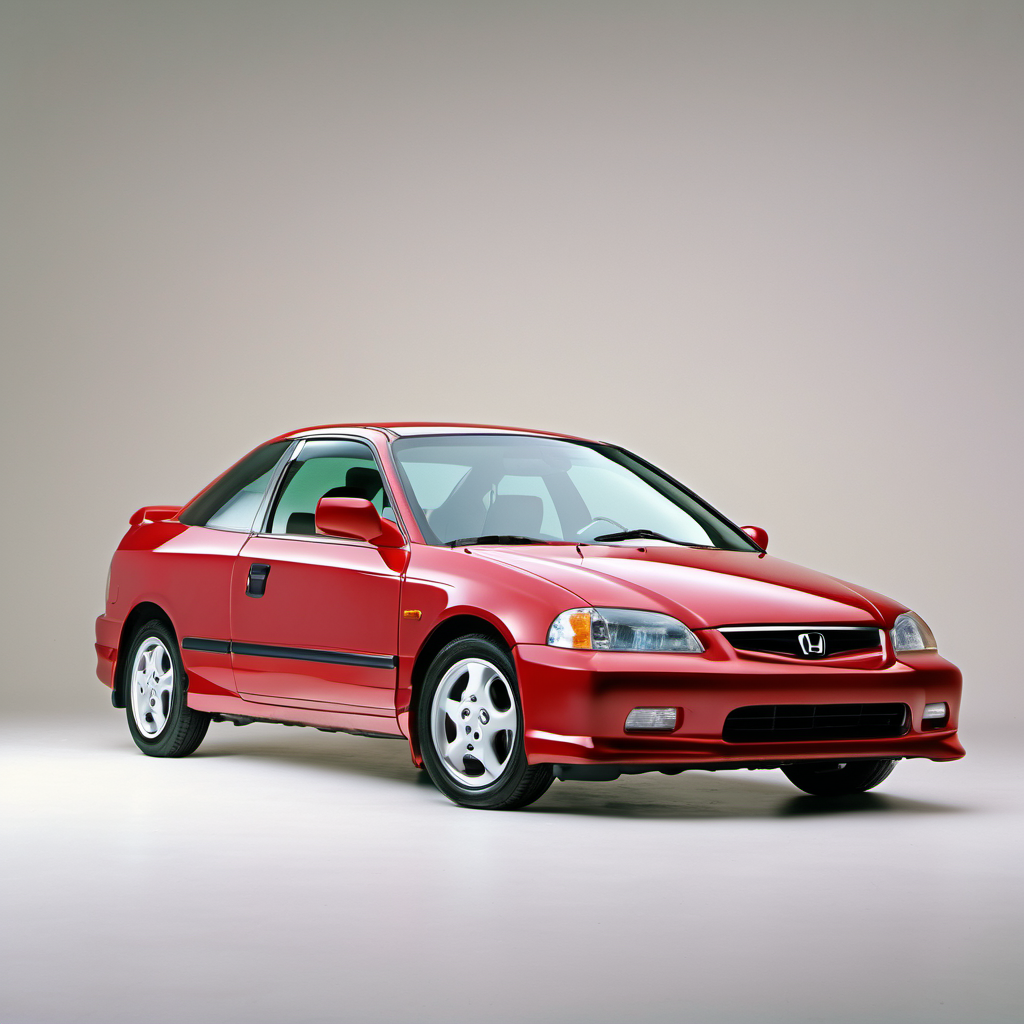
The Celica is one of the cheaper sports coupes to own when it's healthy. Parts are widely available and affordable, and independent shops can service everything without dealer tools. The wildcard is deferred maintenance catch-up on a high-mileage car — a timing belt, water pump, coolant flush, and suspension refresh done all at once can run $1,500–$2,500. Budget for that upfront on any used purchase.
Seasonal care

Lake Geneva, WI
Winter
  • Switch to a full synthetic 5W-30 oil before first hard freeze — it flows immediately at sub-zero temps and reduces cold-start wear on the 5S-FE.
  • Test and replace the battery if it's older than 4 years; cold cranking amps drop sharply below 20°F and this engine needs a strong start.
  • Install a dedicated set of winter tires — the Celica's FWD helps traction but all-seasons on worn tread are genuinely dangerous on Lake Geneva ice.
  • Fill the washer fluid reservoir with a -20°F or lower rated fluid; standard fluid will freeze in the lines and nozzles mid-drive.
  • Spray the door and hatch seals with a rubber protectant to prevent them from freezing shut overnight.
  • Rinse the undercarriage at a touchless car wash every 2–3 weeks during salting season — the Celica's sill and floor pan rust is a known long-term problem on salt-belt cars.
Summer
  • Check tire pressure monthly — ambient heat causes pressure to rise roughly 1 PSI per 10°F, and overinflated tires reduce grip and wear unevenly.
  • Inspect the A/C system for refrigerant charge and verify the cabin filter is clean — the evaporator on a 25-year-old car may have slow leaks.
  • Check coolant level and mixture at the start of summer; a 50/50 mix protects to both extremes and keeps the cooling system clean.
  • Inspect the serpentine and accessory belts for cracking — heat accelerates rubber degradation, and a snapped belt in summer traffic is a bad day.
  • Park in shade when possible — the Celica's hatchback greenhouse traps heat aggressively and UV degrades the aging interior plastics.

Comparable vehicles

If you're shopping for one

Red flags
  • Rust bubbling through paint on rocker panels or rear wheel arches — likely structural underneath
  • No timing belt service records and seller cannot confirm when it was done
  • Oil in the coolant reservoir or white exhaust smoke — signs of head gasket failure
  • Excessive play in the steering wheel or clunking over bumps — worn steering rack or strut mounts
  • Water stains or mold smell in the cabin — roof seal or T-top leak that has been ignored
  • Check engine light present at purchase with no explanation from seller
What to inspect
  • Undercarriage, rockers, and floor pan for rust perforation — this is the make-or-break item on any salt-belt Celica
  • Timing belt service records — treat 'unknown' history as 'never done' on an interference engine
  • Valve cover for oil seepage onto the exhaust manifold
  • All coolant hoses for softness, cracking, or swelling at the clamps
  • T-top seals (if equipped) for dryness and interior water staining on the headliner and carpet
  • CV boot condition on both front axles — cracked boots on a 25-year-old car are common
  • Battery age and cold-cranking amps before a Wisconsin winter
AI profile generated 8 days ago · claude-sonnet-4-6 · v2.