Intake Manifold Gasket Failure
high- Typically appears
- 80–130k mi
- Estimated repair
- $300 – $550
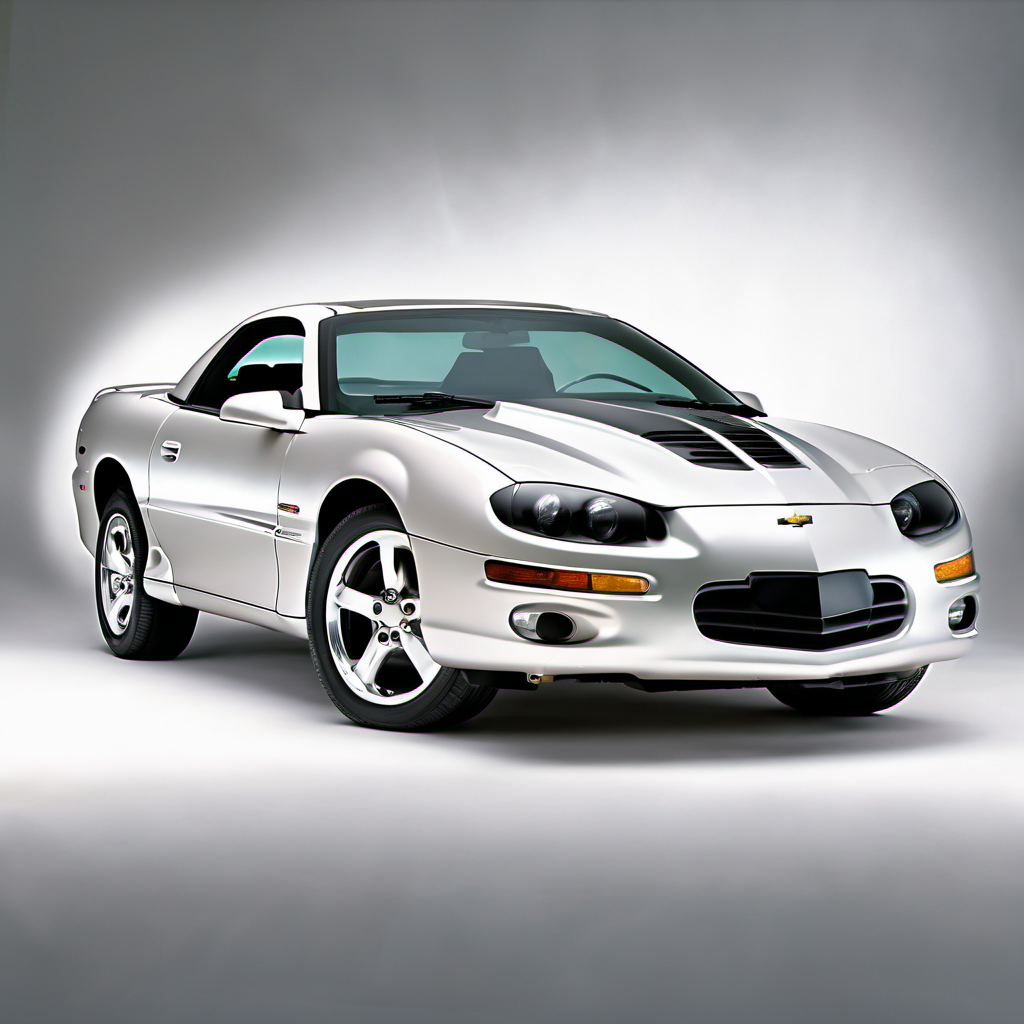
1999 Chevrolet
Coupe
The 1999 Chevrolet Camaro Coupe is a fourth-generation (F-body) pony car built on a platform shared with the Pontiac Firebird. This was the final full decade of the F-body before GM discontinued the nameplate in 2002, and by 1999 the Camaro had settled into a well-sorted — if aging — formula. The base V6 3.8L model covered here is the volume seller: decent straight-line performance, rear-wheel drive character, and coupe styling at an affordable price point. The 3.8L V6 (L36) is a proven GM pushrod engine with a long track record across multiple platforms. It delivers adequate daily-driver performance and is generally durable when maintained, though it lacks the drama of the optional LS1 V8. The 4-speed automatic (or available 5-speed manual) pairing is straightforward to service. By now these cars are 25+ years old, so condition varies enormously. Rust, worn suspension bushings, and deferred maintenance are the primary concerns on any surviving example. Enthusiast communities are active and parts availability is still reasonable through aftermarket channels.
The 1999 Chevrolet Camaro Coupe is a fourth-generation (F-body) pony car built on a platform shared with the Pontiac Firebird. This was the final full decade of the F-body before GM discontinued the nameplate in 2002, and by 1999 the Camaro had settled into a well-sorted — if aging — formula. The base V6 3.8L model covered here is the volume seller: decent straight-line performance, rear-wheel drive character, and coupe styling at an affordable price point. The 3.8L V6 (L36) is a proven GM pushrod engine with a long track record across multiple platforms. It delivers adequate daily-driver performance and is generally durable when maintained, though it lacks the drama of the optional LS1 V8. The 4-speed automatic (or available 5-speed manual) pairing is straightforward to service. By now these cars are 25+ years old, so condition varies enormously. Rust, worn suspension bushings, and deferred maintenance are the primary concerns on any surviving example. Enthusiast communities are active and parts availability is still reasonable through aftermarket channels.
The L36 V6 does not have an oil life monitor on this generation. The intake manifold gaskets are vulnerable to oil sludge — clean oil is cheap insurance.
GM's Dex-Cool degrades over time and becomes acidic, attacking intake gaskets and the radiator. Flush and pressure-test the entire system; inspect all hoses on a vehicle this age.
Original plug wires on a 25-year-old car are almost certainly due. Misfires stress the catalytic converters and can cause rough idle and poor fuel economy.
The 4L60-E is a known weak point under hard use. Fresh fluid extends life; inspect the pan for metallic debris when draining.
Brake fluid absorbs moisture over time, lowering boiling point. On a 25-year-old car, assume it hasn't been done recently.
F-body floor pans and rockers are notorious rust spots in the Midwest. Catching surface rust early and applying rust inhibitor can prevent structural failure.
Original rubber bushings are 25+ years old. Worn bushings cause handling vagueness, tire wear, and clunking — especially noticeable in RWD performance cars.
Wisconsin winters are hard on batteries. A weak battery that starts fine in October may fail at -10°F in January. Load-test and replace if it's more than 3–4 years old.
Always defer to the manufacturer's service manual for warranty-mandated intervals.
Day-to-day costs on the V6 are reasonable, but budget extra in years when age-related items catch up — intake gaskets, cooling system overhaul, suspension refresh, or body work can each run $500–$1,500 when they come due. A well-maintained example is not expensive to own; a neglected one can surprise you quickly.
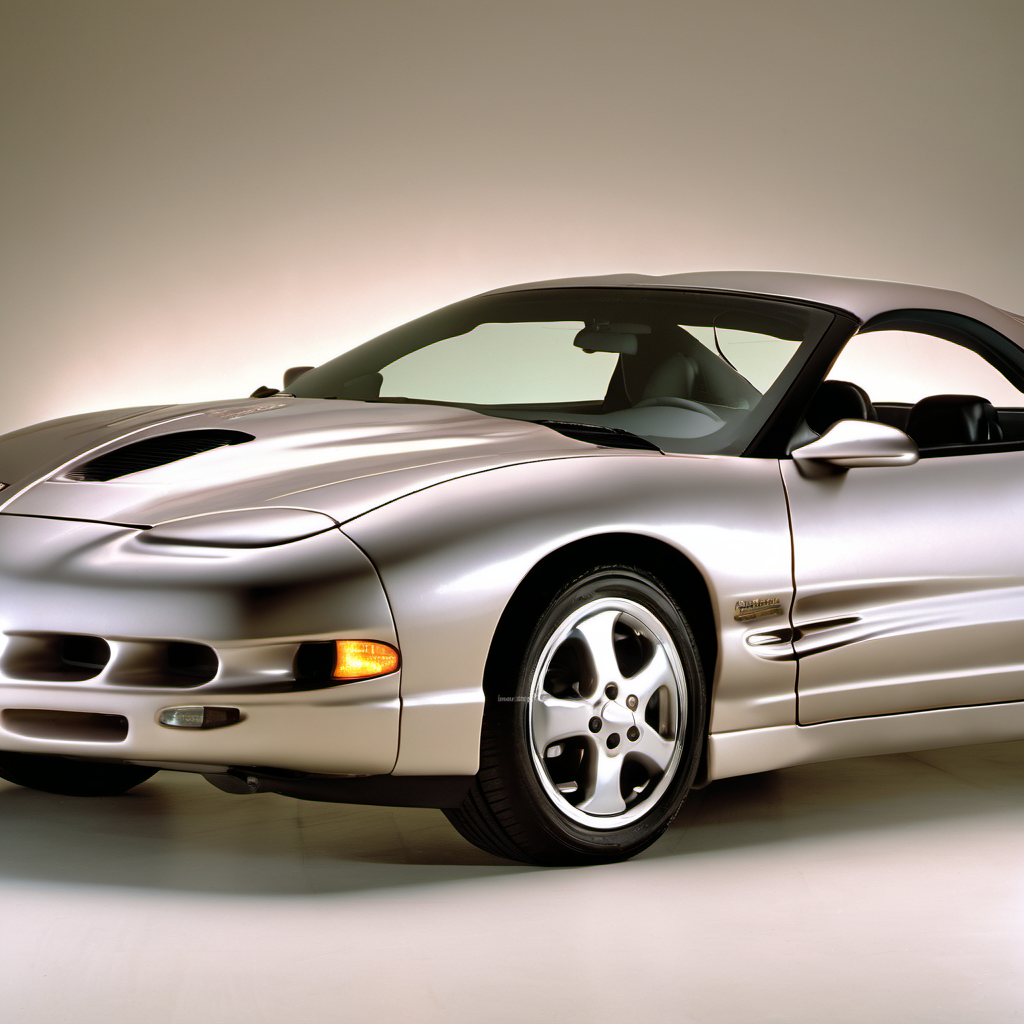
Identical F-body platform, same engine options, same strengths and rust concerns. Often priced similarly; choose based on styling preference.
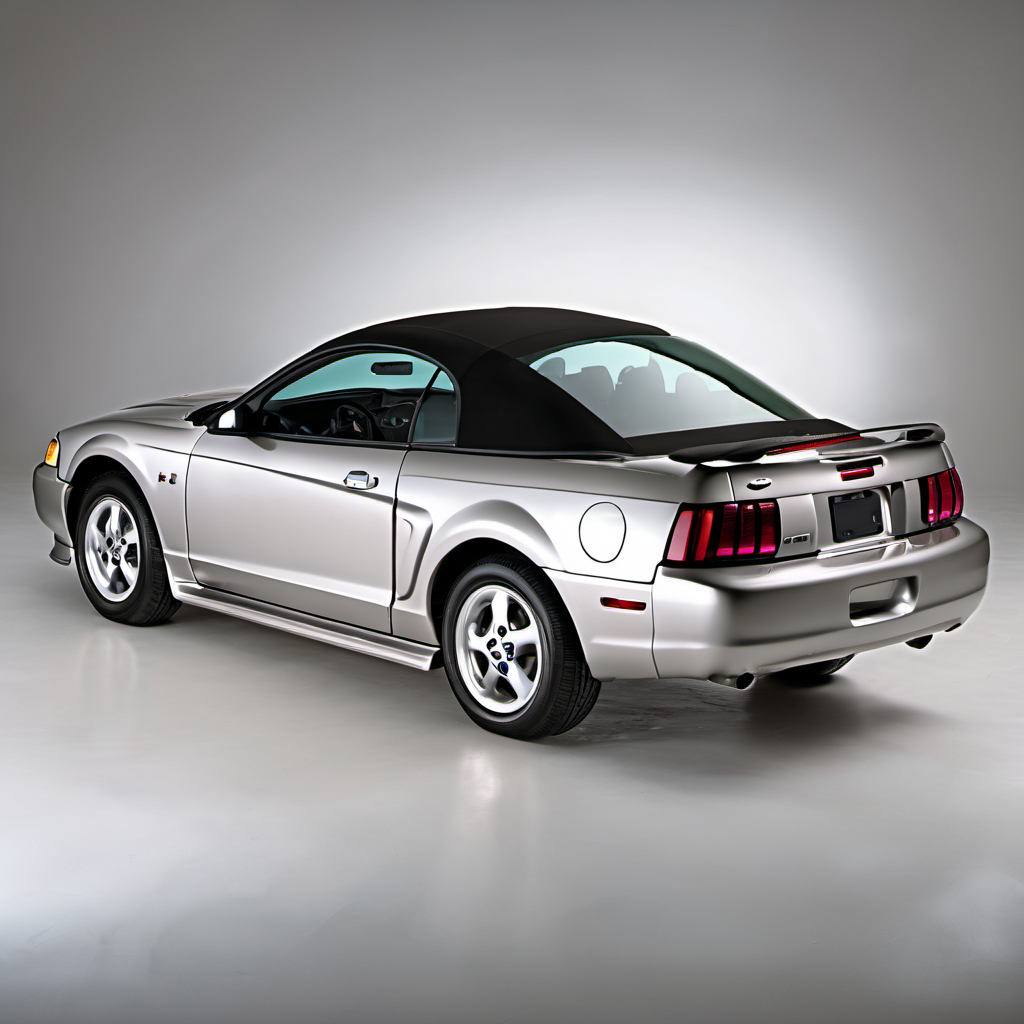
The natural competitor — similar price bracket, rear-wheel drive, coupe body. The 3.8L Mustang V6 is a direct rival; arguably better rust resistance in this era.
Not yet reborn in 1999, so the contemporary rival was the Dodge Avenger/Neon R/T — but for buyers shopping vintage pony cars today, the Challenger is a natural cross-shop.
No catalog match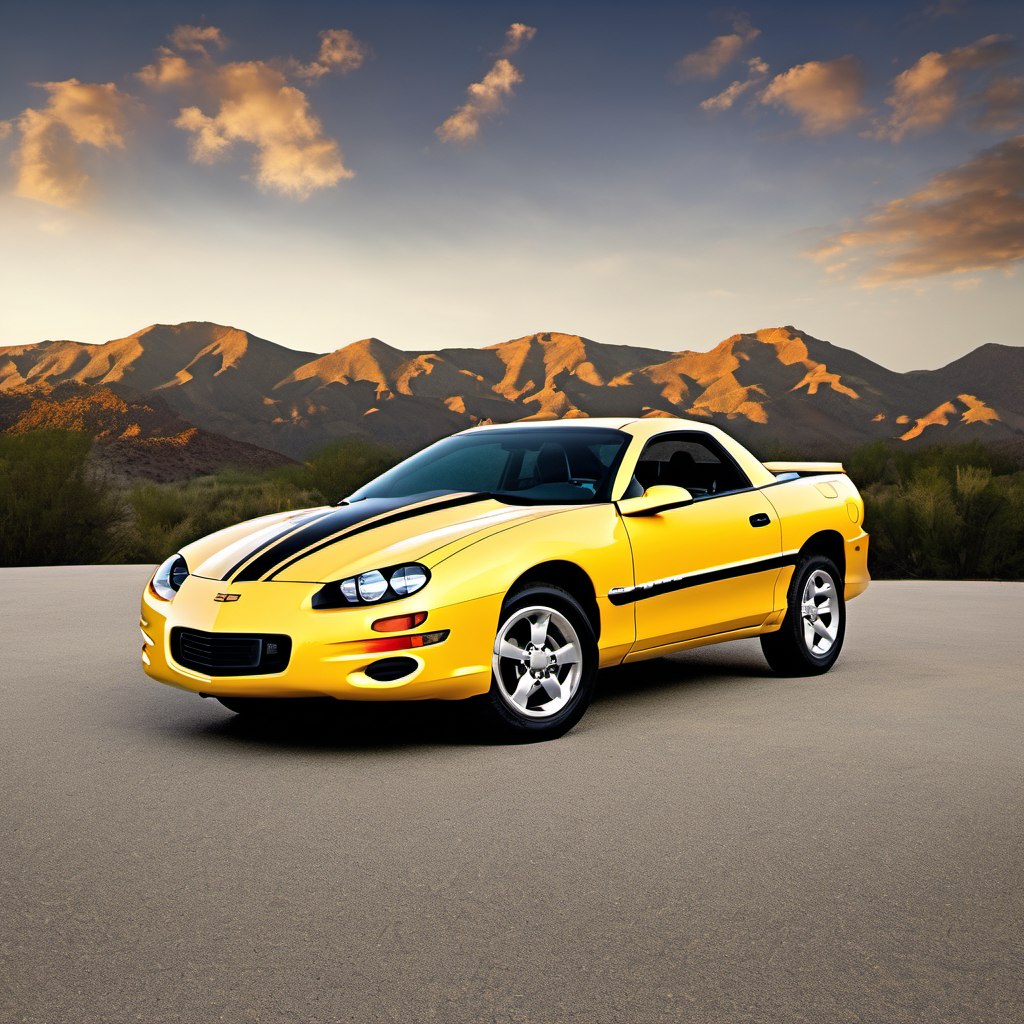
A 2000–2002 example gives you the same platform with slightly less age and more service history to evaluate. Avoids the earlier production year while keeping the same ownership experience.