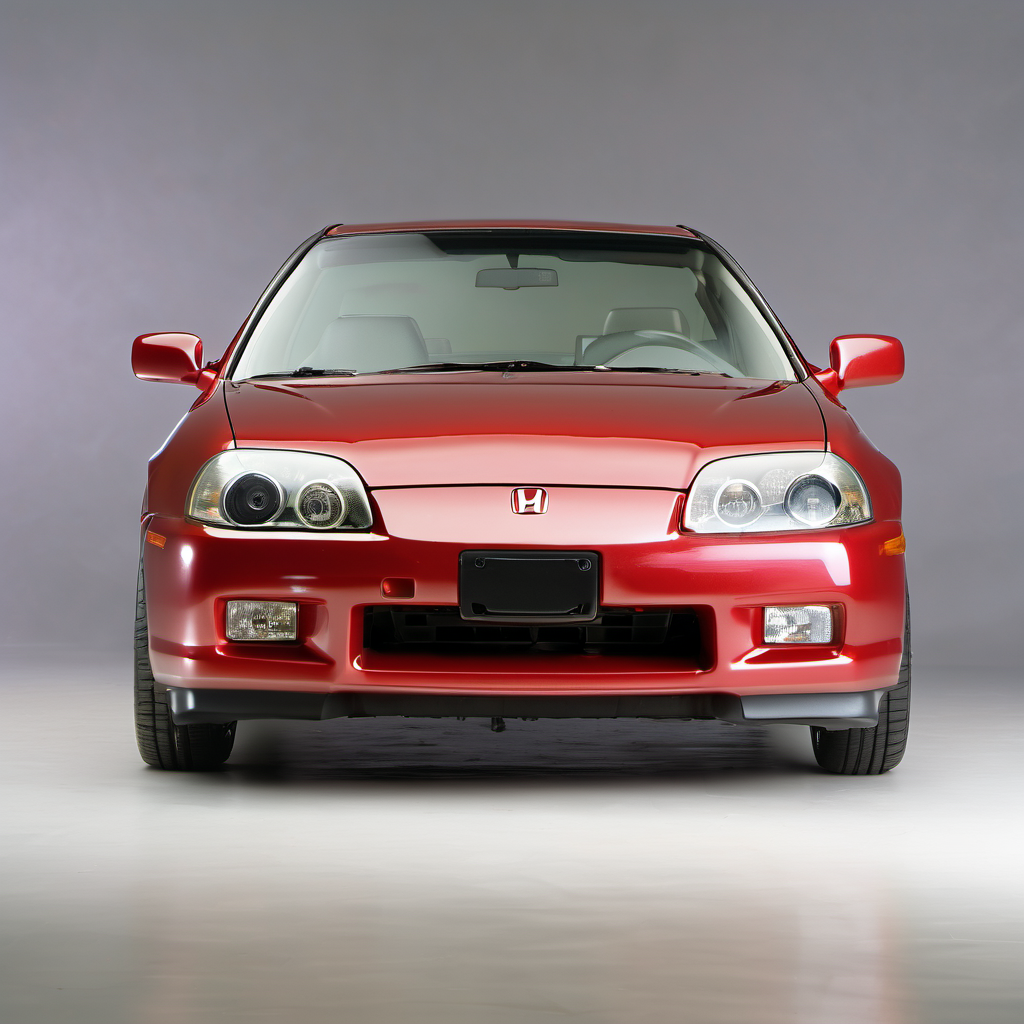
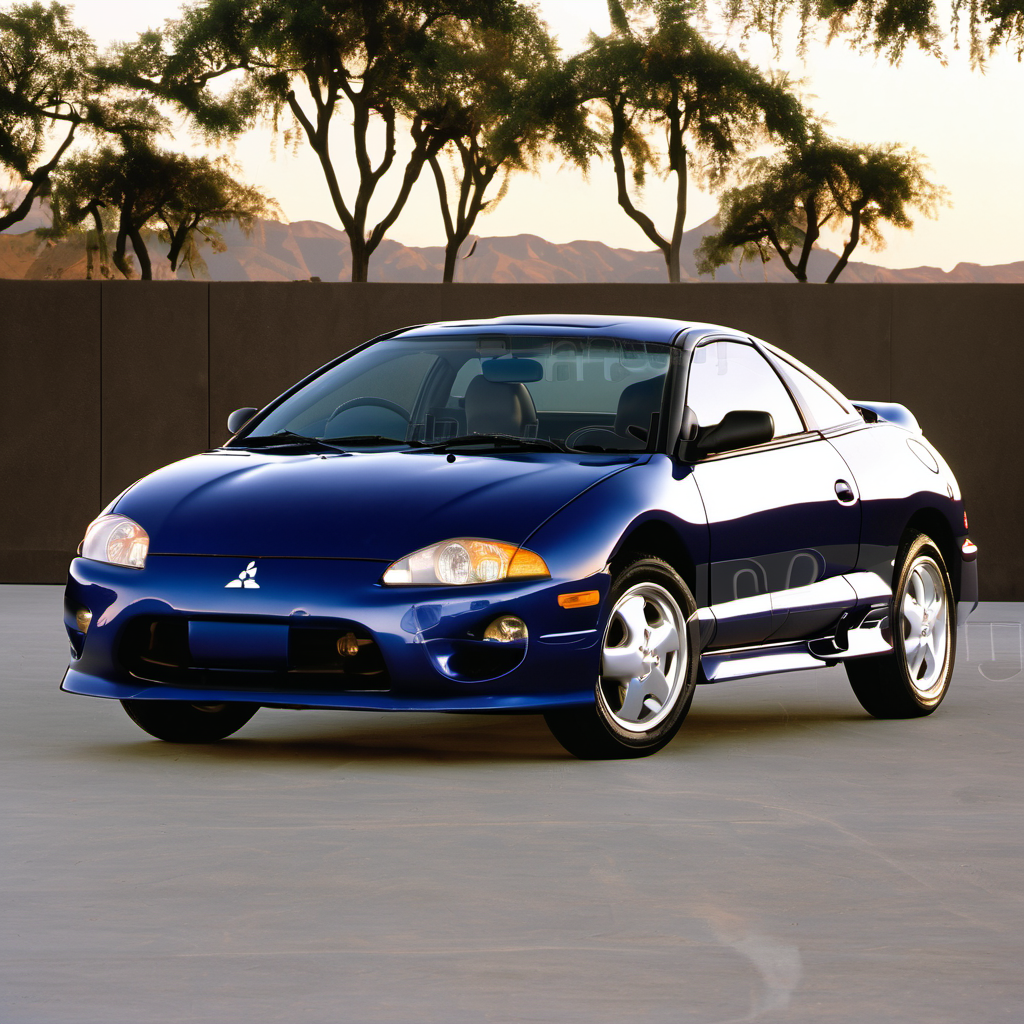
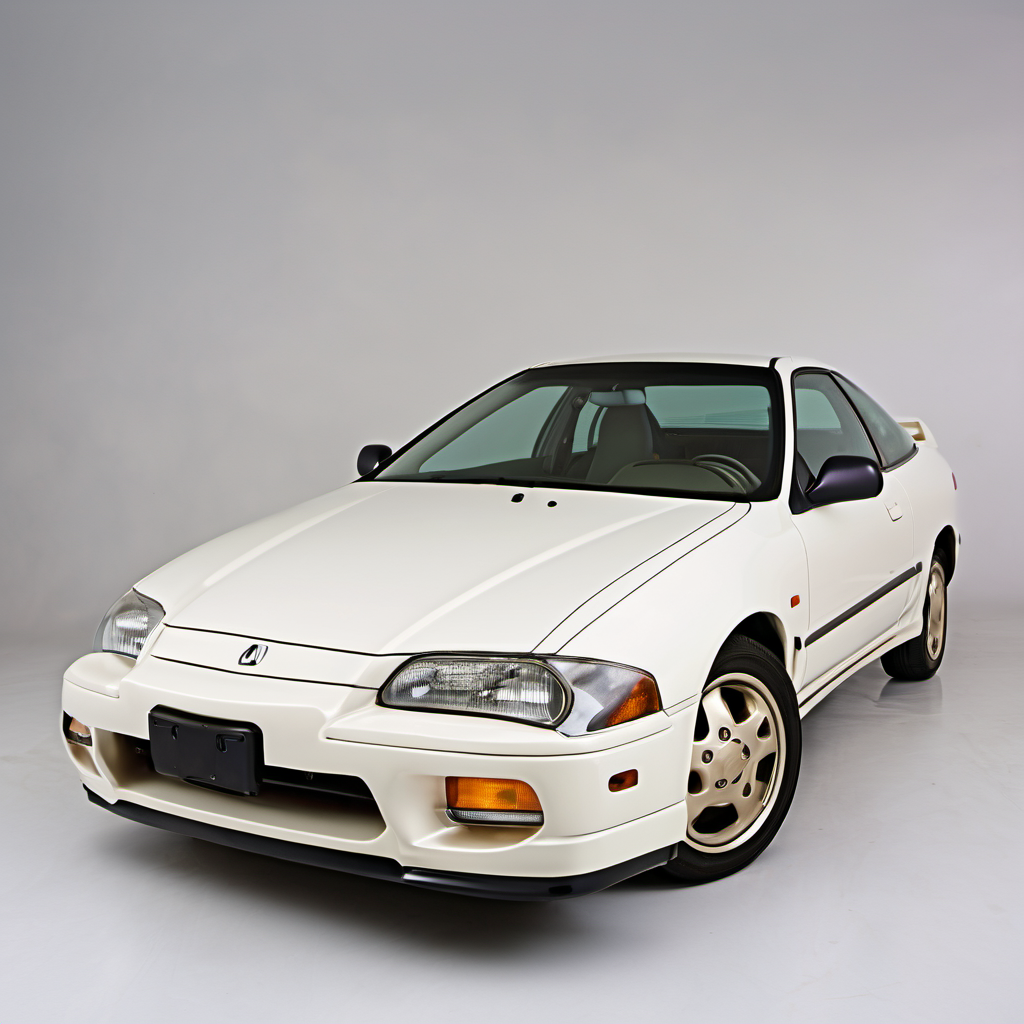
1999 Honda Prelude Coupe

1999 Honda

PreludeCoupe

Coupe

The 1999 Honda Prelude is the fifth and final generation of Honda's long-running sport coupe, sold through the 2001 model year. It's a front-wheel-drive two-door with a rev-happy DOHC VTEC four-cylinder that rewards drivers who like to work through the gears. By 1999, Honda had refined the platform well — the handling is genuinely sporty for a FWD car, and the interior quality holds up better than most late-90s Japanese competitors. The Type SH trim added Honda's ATTS (Active Torque Transfer System), a torque-vectoring front differential that was ahead of its time. The base trim, however, is the volume seller and still delivers a satisfying driving experience. Both share the same H22A4 2.2L VTEC engine, which is known for durability when properly maintained with fresh oil. By 2024 these cars are 25 years old, so any example you find is a used purchase. The Prelude has a loyal enthusiast following, which cuts both ways — well-loved examples are often meticulously maintained, but modified or tracked examples need close scrutiny before purchase.

Reliability
4/5
Verified data
Specs shown for Prelude — the most common configuration. Other trims may vary in engine, drivetrain, or fuel economy. Sign in to see your vehicle's exact specs.
Engine
[object Object]
Drivetrain
FWD
Fuel
Premium gasoline
MPG
19 city / 24 hwy / 21 combined
Seats
Doors
Body
Subcompact Cars

Overview

AI-curated

The 1999 Honda Prelude is the fifth and final generation of Honda's long-running sport coupe, sold through the 2001 model year. It's a front-wheel-drive two-door with a rev-happy DOHC VTEC four-cylinder that rewards drivers who like to work through the gears. By 1999, Honda had refined the platform well — the handling is genuinely sporty for a FWD car, and the interior quality holds up better than most late-90s Japanese competitors. The Type SH trim added Honda's ATTS (Active Torque Transfer System), a torque-vectoring front differential that was ahead of its time. The base trim, however, is the volume seller and still delivers a satisfying driving experience. Both share the same H22A4 2.2L VTEC engine, which is known for durability when properly maintained with fresh oil. By 2024 these cars are 25 years old, so any example you find is a used purchase. The Prelude has a loyal enthusiast following, which cuts both ways — well-loved examples are often meticulously maintained, but modified or tracked examples need close scrutiny before purchase.

Known for
  • Rev-happy H22A4 DOHC VTEC engine with strong top-end power
  • Sharp, predictable FWD handling with low body roll
  • Solid Honda build quality and long engine life when maintained
  • Sleek, timeless coupe styling with a low roofline
  • Tight, driver-focused cockpit
Best for
  • Enthusiast drivers who enjoy a sporty manual-transmission experience
  • Buyers wanting a reliable, affordable weekend/occasional-use coupe
  • Honda loyalists comfortable with older Japanese mechanics
  • DIY-friendly owners — parts availability is still reasonable
Watch for
  • 25-year-old rubber: bushings, belts, and hoses are all suspect
  • Modification history — popular tuner target, check for ECU, intake, and exhaust changes
  • Rust on rocker panels, floor pans, and subframe due to road salt in Midwest/Northeast
  • Timing belt service history — non-interference? No, this engine IS interference; a missed belt is an engine
  • VTEC solenoid and oil pressure issues from infrequent oil changes

Common issues by mileage

6 known

Timing Belt Failure (Interference Engine)

high
Typically appears
90–200k mi (or 7+ years since last change)
Estimated repair
$400 – $750

VTEC Solenoid / Oil Pressure Switch Failure

high
Typically appears
80–150k mi
Estimated repair
$80 – $250

Valve Seal Wear — Oil Burning, Blue Smoke at Startup

medium
Typically appears
120–200k mi
Estimated repair
$600 – $1,400

Power Steering Rack Leak

medium
Typically appears
100–180k mi
Estimated repair
$400 – $900

Rust — Rocker Panels, Floor Pans, Subframe

high
Typically appears
Any mileage on Midwest/salt-belt cars
Estimated repair
$300 – $3,000

Maintenance schedule

  1. 1
    Every 90k miles or 7 years, whichever comes first — verify history at purchase Timing Belt & Water Pump Replacement

    The H22A4 is an interference engine. A snapped belt will bend valves and likely destroy the engine. Water pump is driven by the same belt — always replace it at the same time.

  2. 2
    Every 5,000 miles or 6 months Oil & Filter Change — Use 5W-30 Full Synthetic

    VTEC operation depends on clean oil at correct pressure. Low or dirty oil clogs the solenoid screen and causes VTEC engagement failures or check engine lights.

  3. 3
    Every 30k miles or when P0026/P0027 codes appear VTEC Solenoid Screen Cleaning / Solenoid Inspection

    The solenoid screen traps sludge from infrequent oil changes. Cleaning it is cheap; ignoring it leads to VTEC failure and camshaft wear.

  4. 4
    Every 5 years or 100k miles Coolant Flush

    Old coolant becomes acidic and attacks aluminum engine components. Critical on a 25-year-old car — verify it's been done.

  5. 5
    Every 30k miles Spark Plugs (NGK Iridium OEM spec)

    The high-compression VTEC head benefits from consistent ignition. Worn plugs dull throttle response and can cause misfires at high RPM.

  6. 6
    Every 2–3 years Brake Fluid Flush

    Brake fluid is hygroscopic. In Wisconsin's temperature swings, absorbed moisture lowers boiling point and can cause spongy pedal feel.

  7. 7
    Annually — especially at purchase Inspect All Rubber: Bushings, CV Boots, Hoses, Belts

    At 25+ years old, rubber components degrade regardless of mileage. Cracked CV boots introduce grit into joints, and a torn boot can lead to a joint replacement within months.

  8. 8
    Annually, especially each spring after salt season Inspect Undercarriage for Rust — Focus on Subframe, Rockers, and Floor

    Salt-belt cars deteriorate from underneath first. Subframe rust can be a safety issue and a total-loss situation on a car of this value.

Always defer to the manufacturer's service manual for warranty-mandated intervals.

Cost of ownership

Annual maintenance
$600 – $1,600
Fuel
Requires premium 91+ octane per Honda spec. At current Wisconsin pump prices, expect $150–$220/month depending on driving volume.
Insurance
Low — older sport coupes in this value range typically run $800–$1,400/year for full coverage; liability-only is very affordable. Rates spike for drivers under 25.

A well-maintained Prelude is an affordable car to own day-to-day. Parts are widely available through OEM and aftermarket channels. The biggest cost risks are deferred maintenance items (timing belt, valve seals) that can turn into $1,500–$3,000 repair events if ignored. Budget more in year one if the car's service history is unknown.
Seasonal care

Lake Geneva, WI
Winter
  • Confirm battery is 525+ CCA and load-tested before temperatures drop below 20°F — a marginal battery that starts fine in October will fail in January in Lake Geneva.
  • Switch to 5W-30 full synthetic if not already — it flows immediately at sub-zero temps, protecting VTEC components on cold starts.
  • Flush and fill washer fluid with a -25°F rated concentrate. The low hood line means windshield spray is constant on salted Wisconsin roads.
  • Install winter tires on dedicated steel wheels — the Prelude's low-profile all-season tires offer poor grip below 40°F, and FWD does not make icy corners safe.
  • Rinse the undercarriage every 2 weeks during active salt season. The rockers and subframe are rust-prone and salt accelerates this rapidly.
  • Keep the fuel tank above half in extreme cold to reduce moisture condensation in the fuel system and avoid fuel line freeze in older fuel line seals.
Summer
  • Check tire pressure monthly — low-profile tires lose 1–2 PSI for every 10°F drop, and summer heat causes overinflation that reduces contact patch.
  • Inspect the A/C system for refrigerant charge and compressor operation. These systems are 25 years old — leaking O-rings are common and refrigerant is expensive to recharge repeatedly.
  • Watch coolant temp gauge in stop-and-go traffic. Verify the radiator is clean, coolant is fresh, and the cooling fan engages properly — a clogged radiator is a real risk on a high-mileage older car.
  • Check power steering fluid level and look for leak evidence on the rack. Heat accelerates leak rates on aging seals.
  • Inspect brake pads and rotors before summer driving — the sporty driving the Prelude encourages puts more heat through the brakes.

Comparable vehicles

If you're shopping for one

Red flags
  • No timing belt service records — walk away or negotiate a significant price reduction to cover the service.
  • Rust on the subframe or floor pans beyond surface oxidation — structural rust on a car this value is rarely worth repairing.
  • Blue smoke from the exhaust at startup or under deceleration — valve seals or piston rings are worn.
  • Check engine light on, or owner says it 'just needs a sensor' — scan for codes before purchasing.
  • Heavily modified engine bay with no documentation — you inherit every problem the previous tuner created.
  • Mismatched paint panels or poorly fitted body gaps — evidence of past collision repair that may affect structural integrity.
What to inspect
  • Pull the oil cap and look for white milky sludge — a sign of head gasket issues or severe neglect.
  • Rev to redline (with owner permission) and listen for VTEC engagement — it should feel like a distinct power surge with no hesitation, stumble, or check engine light.
  • Check the timing belt service sticker in the engine bay and ask for receipts. If there's no documentation, budget for an immediate belt service.
  • Get under the car and inspect the subframe mounts, rocker panels, and floor pans with a flashlight and a finger — soft or flaky metal is a deal-breaker.
  • Check all four CV axle boots for cracks or grease sling marks on the inner fender.
  • Test the A/C, power windows, and sunroof (if equipped) — electrical gremlins on 25-year-old cars are common and sometimes expensive to chase.
  • Inspect the clutch for slippage — accelerate hard in 3rd gear; if RPM climbs faster than speed, the clutch is worn.
  • Look for signs of modifications (aftermarket intake, suspension coilovers, ECU tune stickers) and ask about the full mod list — modified cars require extra scrutiny.
AI profile generated 8 days ago · claude-sonnet-4-6 · v2.