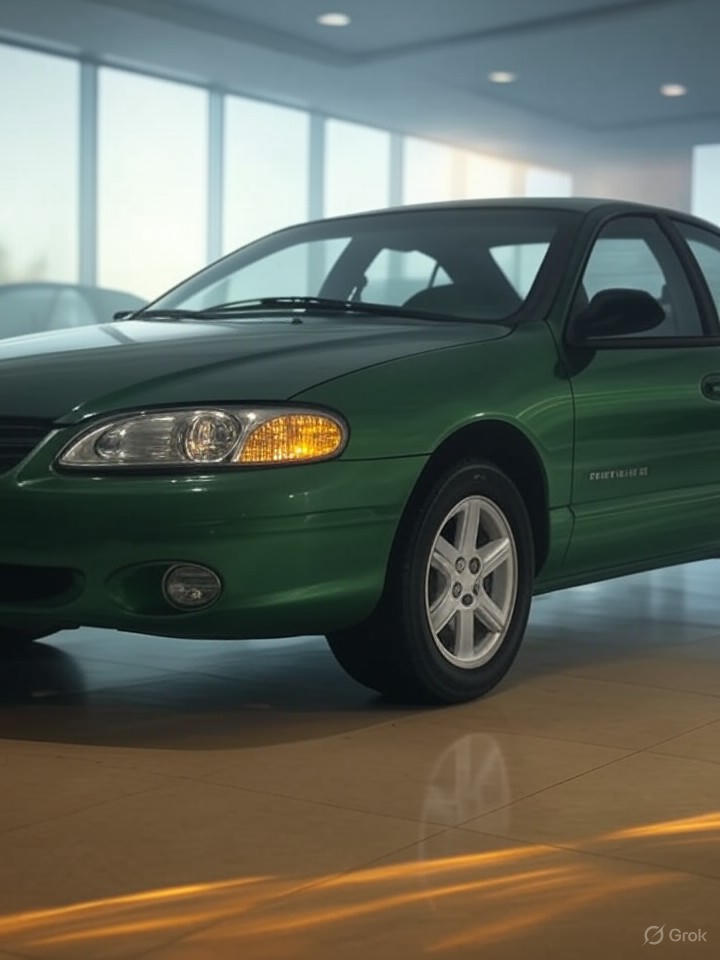
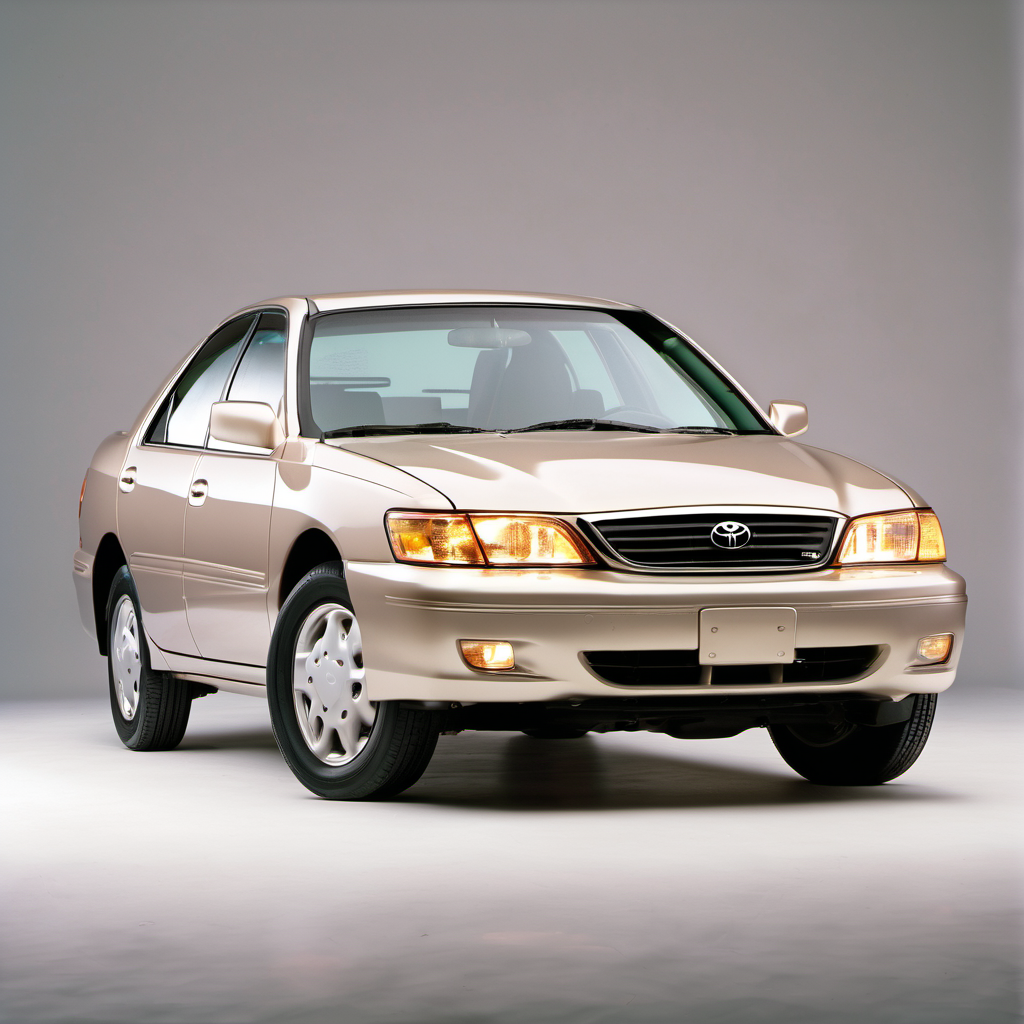
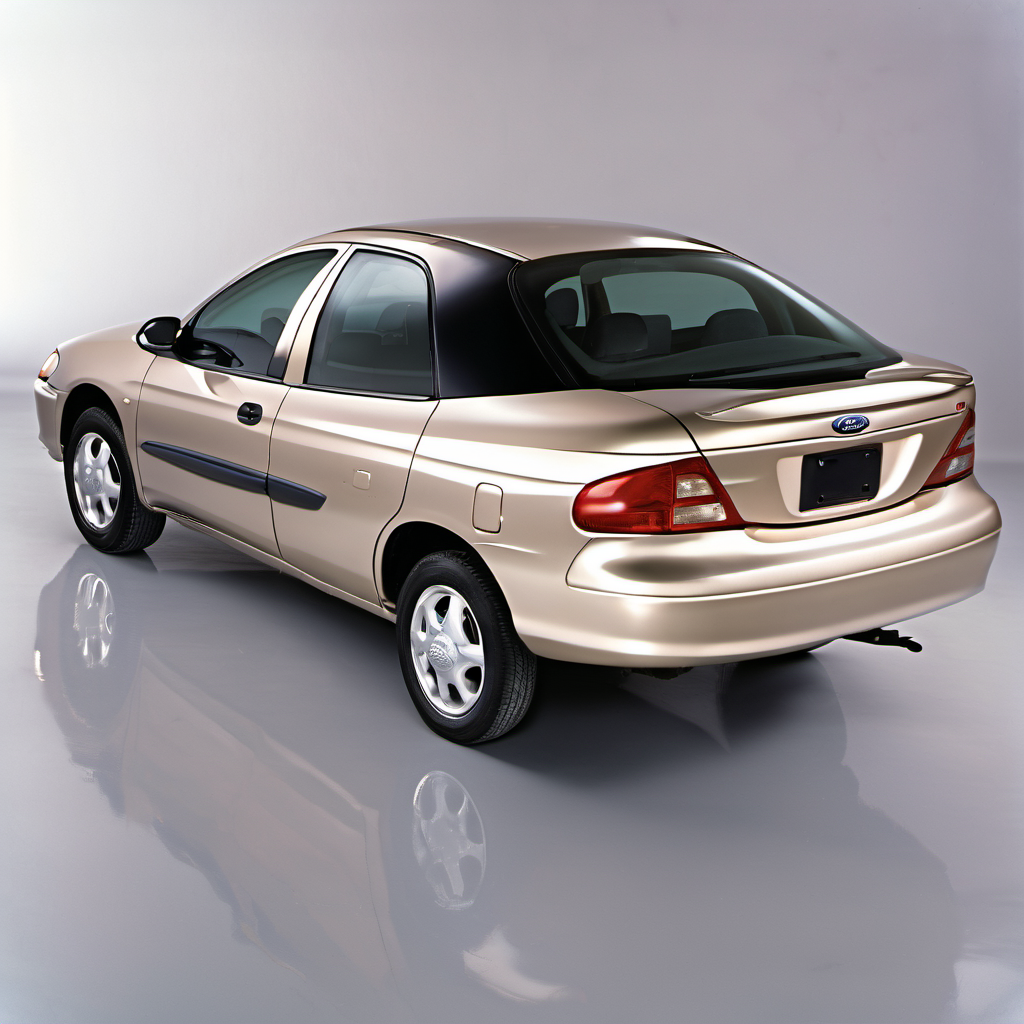
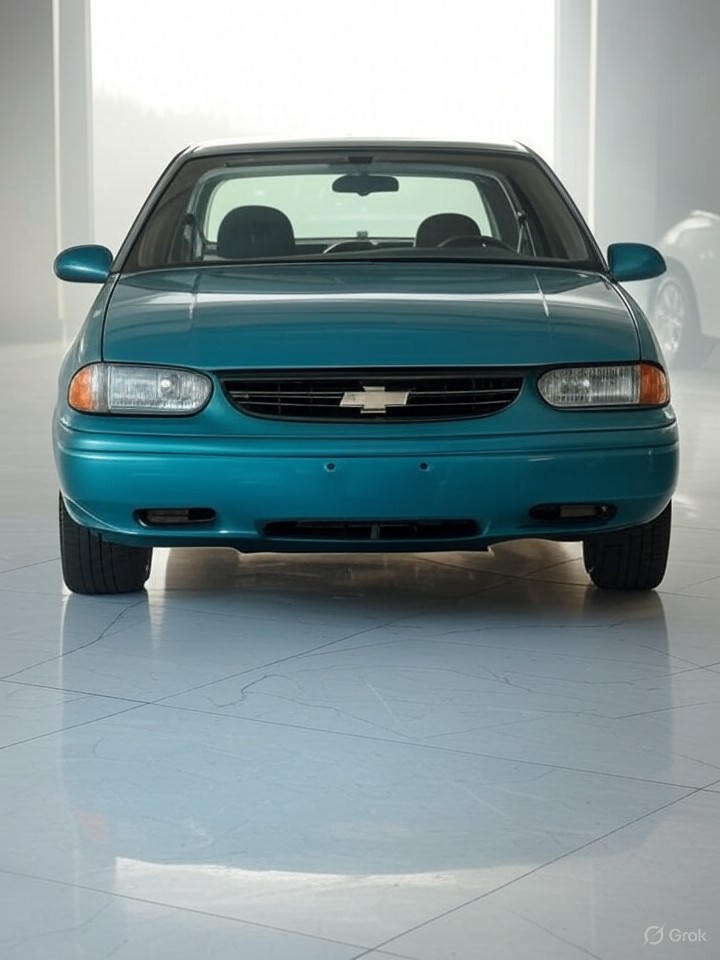
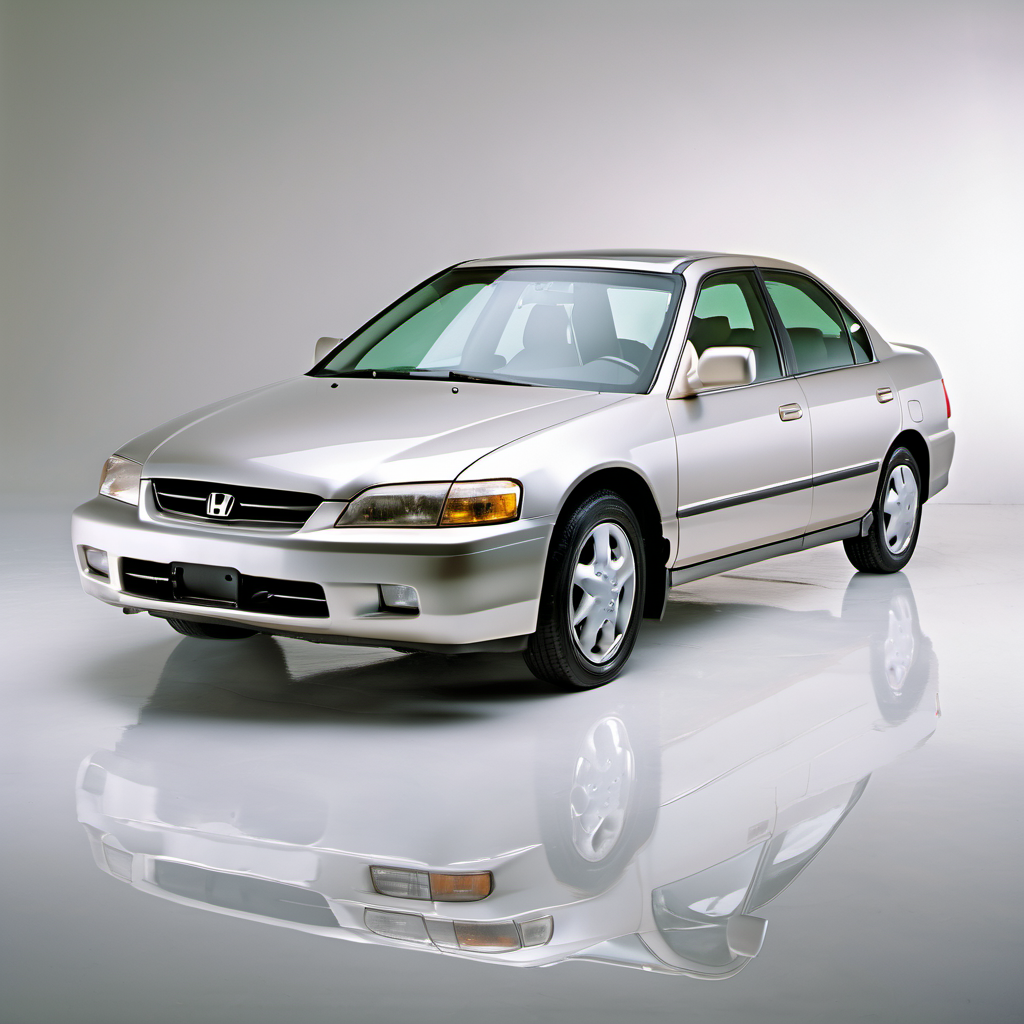
1999 Dodge Stratus Sedan

1999 Dodge

StratusSedan

Sedan

The 1999 Dodge Stratus is a front-wheel-drive mid-size sedan that was Chrysler's entry in the competitive family car segment of the late 1990s. Built on the Chrysler JA platform and sharing its bones with the Chrysler Cirrus and Plymouth Breeze, it aimed to offer comfortable American-market styling at an affordable price point. The base 2.0L four-cylinder is adequate for everyday commuting, while an optional 2.4L four or 2.5L V6 stepped things up for buyers who wanted more pull. At 25 years old, surviving Stratuses are deep into their service lives. The ones still on the road are typically kept alive by budget-conscious owners, and parts availability — while still possible — is shrinking. This is not a vehicle that rewards deferred maintenance; small problems compound quickly on aging Chrysler JA-platform cars. For a Lake Geneva driver, the Stratus's biggest vulnerabilities are its aging cooling system, rust-prone body and undercarriage from Wisconsin road salt, and an electrical system that was only mediocre when new. If you're buying one, go in with eyes open about what deferred maintenance may have accumulated over a quarter century.

Reliability
2/5
Verified data
Specs shown for Stratus — the most common configuration. Other trims may vary in engine, drivetrain, or fuel economy. Sign in to see your vehicle's exact specs.
Engine
[object Object]
Drivetrain
FWD
Fuel
Gasoline
MPG
23 city / 33 hwy / 27 combined
Seats
Doors
Body
Midsize Cars

Overview

AI-curated

The 1999 Dodge Stratus is a front-wheel-drive mid-size sedan that was Chrysler's entry in the competitive family car segment of the late 1990s. Built on the Chrysler JA platform and sharing its bones with the Chrysler Cirrus and Plymouth Breeze, it aimed to offer comfortable American-market styling at an affordable price point. The base 2.0L four-cylinder is adequate for everyday commuting, while an optional 2.4L four or 2.5L V6 stepped things up for buyers who wanted more pull. At 25 years old, surviving Stratuses are deep into their service lives. The ones still on the road are typically kept alive by budget-conscious owners, and parts availability — while still possible — is shrinking. This is not a vehicle that rewards deferred maintenance; small problems compound quickly on aging Chrysler JA-platform cars. For a Lake Geneva driver, the Stratus's biggest vulnerabilities are its aging cooling system, rust-prone body and undercarriage from Wisconsin road salt, and an electrical system that was only mediocre when new. If you're buying one, go in with eyes open about what deferred maintenance may have accumulated over a quarter century.

Known for
  • Affordable purchase and insurance costs
  • Comfortable ride for a late-'90s compact/mid-size
  • Decent highway fuel economy from the 2.0L four-cylinder
  • Shared platform with Cirrus and Plymouth Breeze
Best for
  • Budget-conscious drivers needing basic transportation
  • Short-trip city and suburb commuting
  • Owners comfortable doing basic DIY maintenance
Watch for
  • Rust and corrosion, especially in salt-belt states like Wisconsin
  • Aging cooling system components (head gaskets, water pump, hoses)
  • Electrical gremlins from 25-year-old wiring and connectors
  • Dwindling OEM parts availability
  • Transmission reliability on high-mileage examples

Common issues by mileage

6 known

Cooling system failure — head gasket, water pump, thermostat

high
Typically appears
80–150k mi
Estimated repair
$800 – $2,000

Automatic transmission slipping or failure

high
Typically appears
90–150k mi
Estimated repair
$1,200 – $2,800

Oxygen sensor failure / degraded O2 sensor heater circuit

medium
Typically appears
60–120k mi
Estimated repair
$150 – $350

Aging electrical connectors and wiring causing sensor faults

high
Typically appears
100k+ mi
Estimated repair
$100 – $600

Strut and suspension wear — strut mounts, tie rods, ball joints

high
Typically appears
80–130k mi
Estimated repair
$300 – $900

Power window regulator and door lock actuator failure

medium
Typically appears
100k+ mi
Estimated repair
$100 – $350

Maintenance schedule

  1. 1
    Every 2 years or 30k mi — more urgently on any car this age Engine coolant flush and system inspection

    25-year-old coolant breaks down and becomes acidic, attacking the water pump, radiator, and head gasket. The 2.0L is prone to overheating damage. This is the single most important service on a high-mileage Stratus.

  2. 2
    Every 60k mi — if history is unknown, do it now Timing belt replacement

    The 2.0L is an interference engine. A snapped timing belt destroys the engine with no warning. On a 25-year-old car, belt age matters as much as mileage.

  3. 3
    Every 60–75k mi or at first sign of cracking Serpentine belt and tensioner inspection/replacement

    Rubber degrades with age regardless of mileage. A failed serpentine belt strands you and kills the charging and cooling system simultaneously.

  4. 4
    Every 30k mi on automatics Transmission fluid service

    The 4-speed automatic in this generation is not known for longevity. Fresh fluid is cheap insurance against a $2,000+ rebuild.

  5. 5
    Every 2 years Brake fluid flush

    Brake fluid is hygroscopic and absorbs moisture over time, lowering boiling point and corroding calipers from the inside — especially in Wisconsin's wet winters.

  6. 6
    Every fall before winter Undercarriage rust inspection and treatment

    Wisconsin road salt accelerates rust on brake lines, fuel lines, and frame rails. Catch rust early — corroded brake or fuel lines are a safety issue and can be expensive to replace.

  7. 7
    Every 30k mi Spark plugs and ignition wires

    Aged plug wires crack and cause misfires in cold weather. Fresh plugs and wires improve cold starts and fuel economy.

  8. 8
    Every fall Battery load test

    Cold Wisconsin winters demand a strong battery. A battery that passes in summer can fail at -10°F. Test and replace proactively before the heating season.

Always defer to the manufacturer's service manual for warranty-mandated intervals.

Cost of ownership

Annual maintenance
$600 – $1,800
Fuel
At 27 MPG combined and ~12,000 miles/year, expect roughly $1,400–$1,700/year at current Wisconsin fuel prices. Highway driving brings the cost down noticeably.
Insurance
Among the cheapest vehicles to insure — low value, low theft risk, straightforward repair costs. Expect $600–$1,000/year for full coverage depending on driver profile.

The Stratus is inexpensive to buy and insure, but a 25-year-old example demands a realistic maintenance budget. Routine services are affordable; however, one major repair — a head gasket, transmission, or full brake line replacement — can easily exceed the car's market value. Budget accordingly and maintain aggressively to avoid compounding failures.
Seasonal care

Lake Geneva, WI
Winter
  • Load-test the battery every fall — the original equipment is long gone, and even replacement batteries weaken in sub-zero temps. Replace if it shows any weakness.
  • Switch to a full-synthetic 5W-30 if not already using one — it flows better on cold starts and reduces wear during Lake Geneva winters.
  • Inspect all rubber coolant hoses before winter; cold temps crack aged rubber and a burst hose in January is a bad day.
  • Use a washer fluid rated to at least -20°F. Wisconsin roads get heavily salted and a frozen washer system is both an annoyance and a safety hazard.
  • Check brake lines and fuel lines underneath for rust — salt accelerates corrosion on these 25-year-old metal lines and failure can be sudden.
  • Install dedicated winter tires if the car is a daily driver. The factory all-season tires on a FWD Stratus are marginal in snow and ice.
Summer
  • Monitor the temperature gauge closely — the cooling system on these cars is aging and heat soak in stop-and-go traffic can push a marginal system over the edge.
  • Check tire pressure monthly; hot pavement causes pressure to rise and over-inflation increases wear and reduces grip.
  • Inspect the A/C system for refrigerant leaks before summer heat sets in — R-134a systems on cars this old commonly develop slow leaks at hose fittings.
  • Check the radiator cap seal and pressure rating; a weak cap causes early coolant boil-over in summer heat.
  • Inspect wiper blades after winter — UV and ozone degrade rubber, and summer thunderstorms demand blades that actually clear the windshield.

Comparable vehicles

If you're shopping for one

Red flags
  • Any signs of overheating history — stained overflow tank, warped hood paint near engine, or white exhaust smoke
  • Rust through the floor, rocker panels, or undercarriage structural members — walk away
  • Unknown timing belt history on a car this old — non-negotiable safety concern on an interference engine
  • Transmission that hesitates, slips, or hunts for gears — rebuilds often cost more than the car's value
  • Check engine light with multiple stored codes — could signal a car that's been running poorly for a long time
What to inspect
  • Pull the radiator cap cold and look for oil or brown residue in the coolant — a sign of head gasket failure
  • Check underneath for rust on brake lines, fuel lines, and the subframe — Wisconsin salt exposure is the #1 killer of these cars
  • Verify timing belt replacement history; if unknown, budget $400–$600 immediately — a snapped belt is engine death on this motor
  • Test the automatic transmission through all gears including reverse; any slipping, shuddering, or delayed engagement is a major red flag
  • Scan for stored and pending DTCs before purchase — electrical faults on this platform can be expensive to trace
  • Check all four strut mounts for clunking over bumps — a common failure that affects handling and tire wear
AI profile generated 8 days ago · claude-sonnet-4-6 · v2.