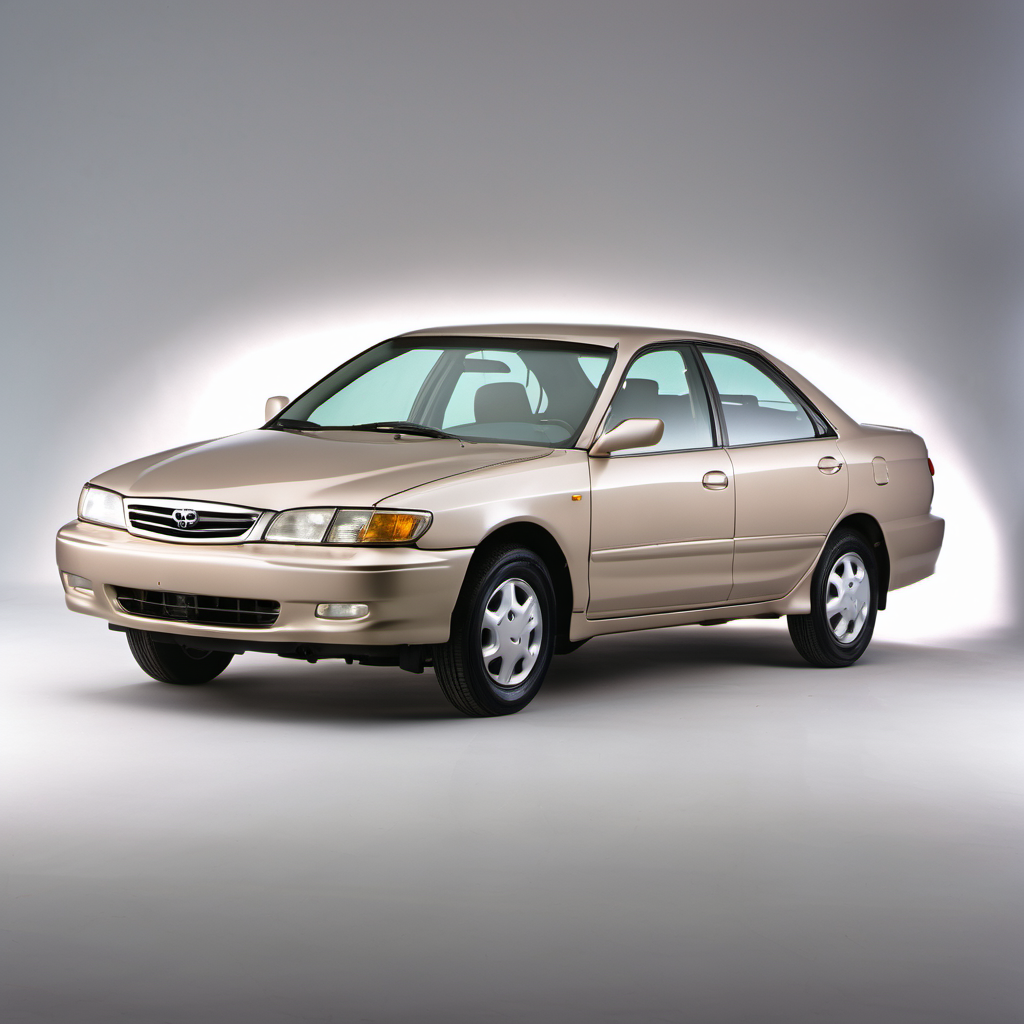
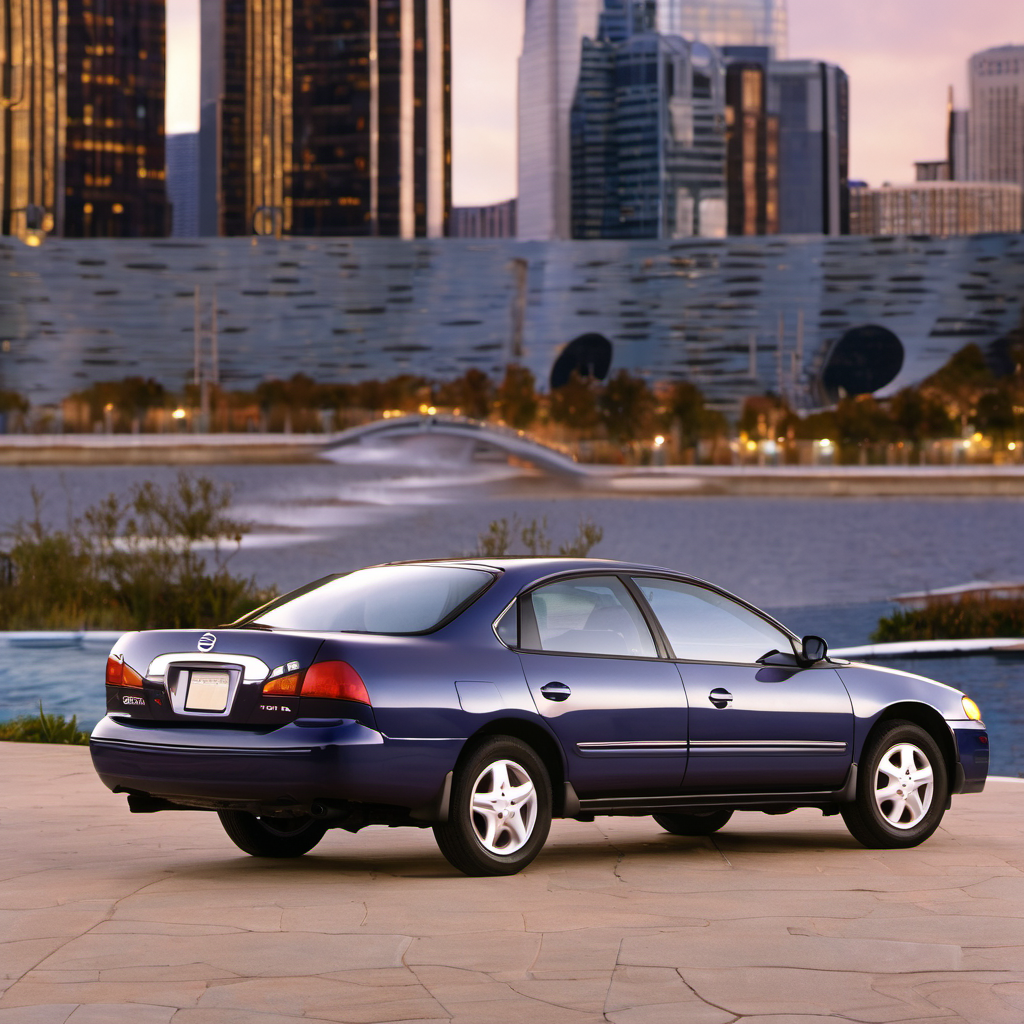
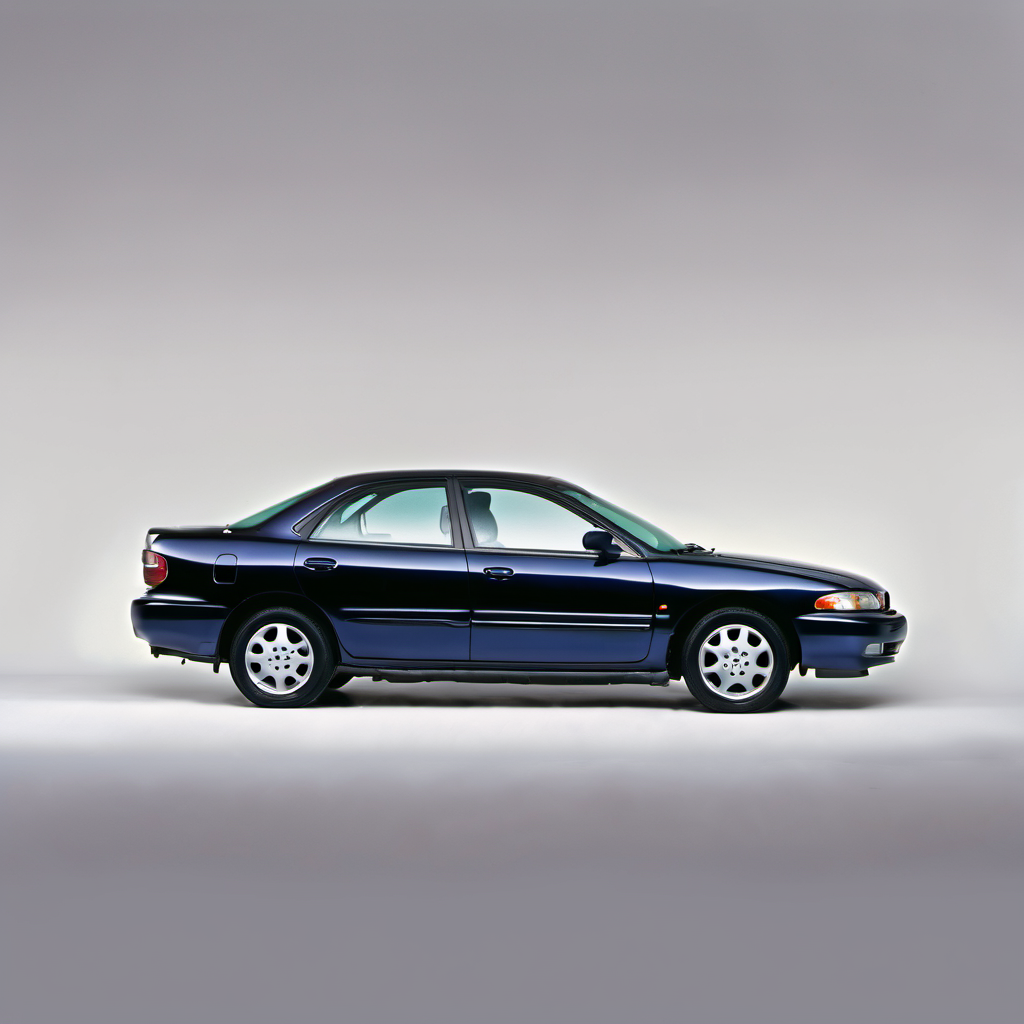
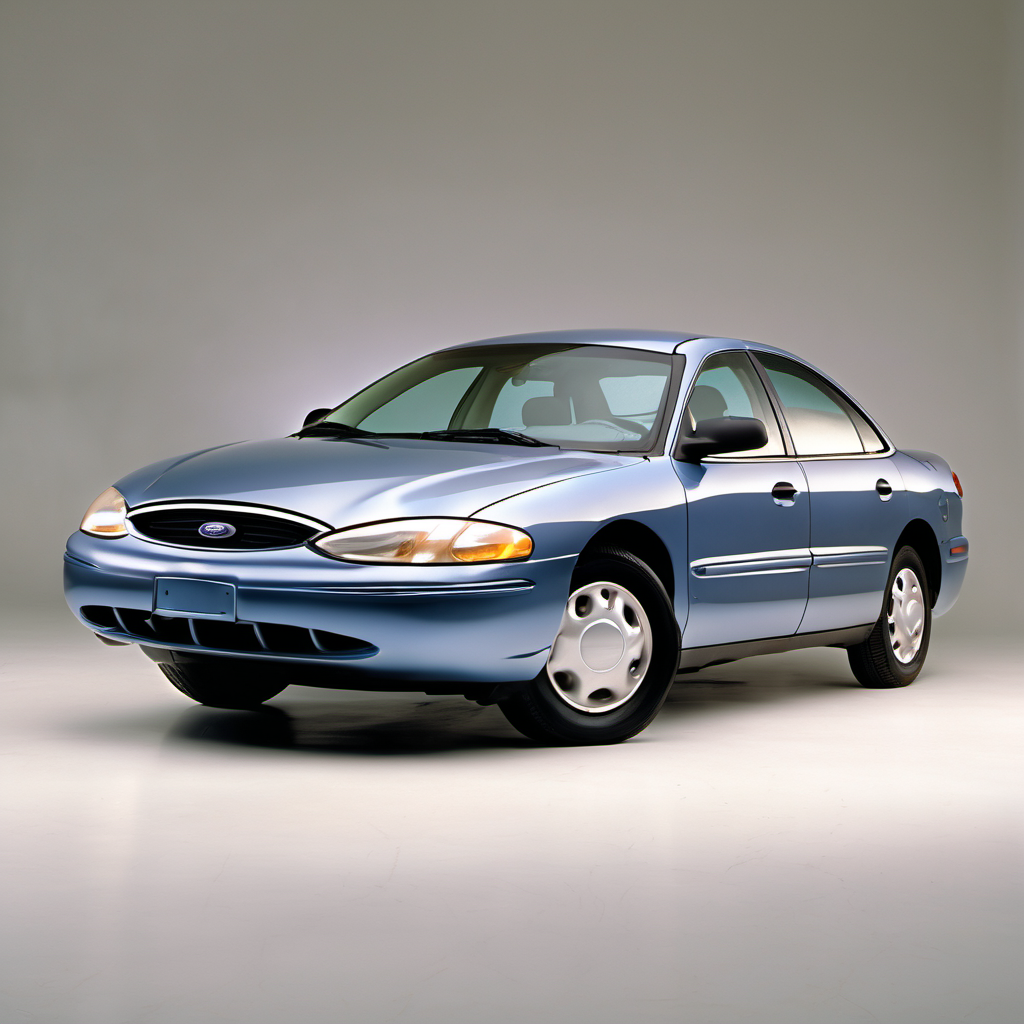
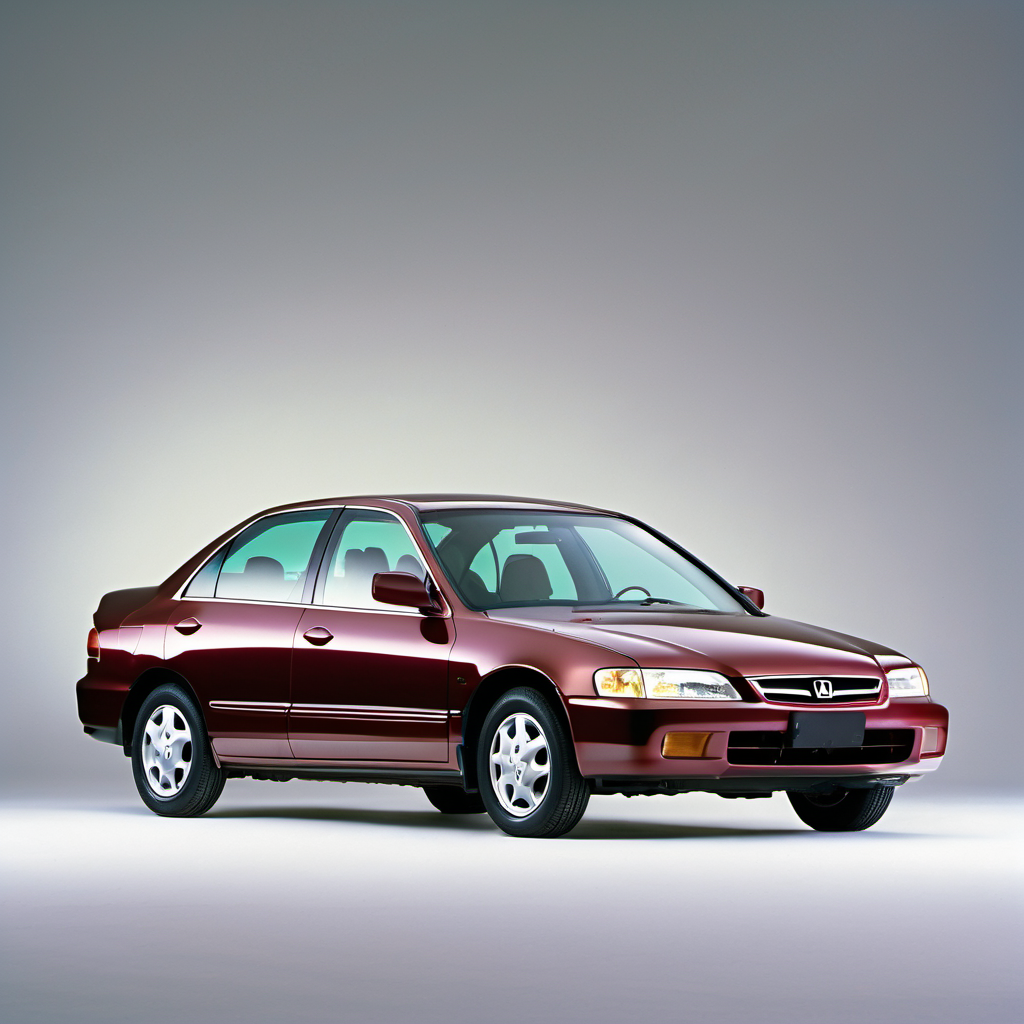
1998 Toyota Camry Sedan

1998 Toyota

CamrySedan

Sedan

The 1998 Toyota Camry is the fourth-generation (XV20) version of Toyota's best-selling midsize sedan, and it earned that reputation honestly. This generation launched in 1997 with a clean-sheet design, offering more interior room, a quieter cabin, and improved refinement over its predecessor. It was the right car at the right time and quickly became the top-selling car in America. Under the hood, most buyers opted for the 2.2L four-cylinder — a proven, low-drama engine that's comfortable cruising Wisconsin highways and sipping fuel doing it. The cabin is practical and comfortable without being exciting, which is exactly what its buyers wanted. Build quality for this era is solid, with many examples still on the road well past 200,000 miles. For a vehicle now approaching 27 years old, condition varies widely. The biggest threats to a high-mileage '98 Camry aren't typically engine-related — they're rust (especially in Wisconsin), worn suspension bushings, aging cooling system components, and neglected maintenance. A well-kept example is still a genuinely useful daily driver. A neglected one can turn into a money pit.

Reliability
4/5
Verified data
Specs shown for Camry — the most common configuration. Other trims may vary in engine, drivetrain, or fuel economy. Sign in to see your vehicle's exact specs.
Engine
[object Object]
Drivetrain
FWD
Fuel
Gasoline
MPG
20 city / 28 hwy / 23 combined
Seats
Doors
Body
Midsize Cars

Overview

AI-curated

The 1998 Toyota Camry is the fourth-generation (XV20) version of Toyota's best-selling midsize sedan, and it earned that reputation honestly. This generation launched in 1997 with a clean-sheet design, offering more interior room, a quieter cabin, and improved refinement over its predecessor. It was the right car at the right time and quickly became the top-selling car in America. Under the hood, most buyers opted for the 2.2L four-cylinder — a proven, low-drama engine that's comfortable cruising Wisconsin highways and sipping fuel doing it. The cabin is practical and comfortable without being exciting, which is exactly what its buyers wanted. Build quality for this era is solid, with many examples still on the road well past 200,000 miles. For a vehicle now approaching 27 years old, condition varies widely. The biggest threats to a high-mileage '98 Camry aren't typically engine-related — they're rust (especially in Wisconsin), worn suspension bushings, aging cooling system components, and neglected maintenance. A well-kept example is still a genuinely useful daily driver. A neglected one can turn into a money pit.

Known for
  • Exceptional long-term reliability when properly maintained
  • Smooth, quiet ride for its class and era
  • Practical, spacious interior with simple controls
  • Strong resale value and parts availability even decades later
  • 2.2L 5S-FE engine known for durability
Best for
  • Budget-conscious commuters who want reliable transportation
  • First-time car owners looking for a low-risk used car
  • High-mileage drivers who prioritize economy over excitement
  • Owners willing to do basic maintenance themselves
Watch for
  • Rust on subframe, rocker panels, and rear wheel wells — critical in Wisconsin
  • Coolant system age: radiator, hoses, and thermostat are overdue on high-mileage examples
  • Oil leaks from valve cover gasket and rear main seal are common at this age
  • Suspension bushings and struts are likely worn on any example not recently serviced
  • Automatic transmission fluid often neglected — burnt fluid shortens transmission life

Common issues by mileage

6 known

Valve Cover Gasket Oil Leak

high
Typically appears
80–150k mi
Estimated repair
$80 – $180

Coolant System Failure (Radiator, Hoses, Thermostat)

high
Typically appears
100k+ mi or 15+ years
Estimated repair
$150 – $500

Front Struts and Suspension Bushings Worn

high
Typically appears
80–120k mi
Estimated repair
$300 – $700

Oxygen Sensor Failure (Bank 1, Sensor 1 or 2)

medium
Typically appears
80–130k mi
Estimated repair
$150 – $300

Automatic Transmission Slipping (Fluid Neglect)

medium
Typically appears
100–160k mi
Estimated repair
$200 – $2,500

Rear Main Seal Oil Leak

medium
Typically appears
120k+ mi
Estimated repair
$300 – $600

Maintenance schedule

  1. 1
    Every 5,000 miles or 6 months Engine oil and filter change

    The 5S-FE engine tolerates conventional oil well but is old enough that shorter intervals help catch seal leaks early and prevent sludge at this age.

  2. 2
    Every 2 years or immediately if never done Coolant flush and inspect radiator/hoses

    Original coolant breaks down and becomes acidic over time, attacking aluminum components. A 27-year-old cooling system needs a full inspection — cracked hoses, weak radiator plastic end-tanks, and a failing thermostat are all common at this age.

  3. 3
    Every 30,000 miles; immediately if fluid is dark or smells burnt Automatic transmission fluid drain and fill

    Toyota recommends Type T-IV ATF. Neglected fluid is the leading cause of transmission failure in these Camrys. Do NOT do a full flush on a high-mileage unit with unknown service history — a drain and fill is safer.

  4. 4
    Every 30,000 miles Spark plugs

    The 5S-FE uses standard copper plugs. Fresh plugs restore fuel economy and smooth cold starts, which matter in Wisconsin winters.

  5. 5
    Every 60,000 miles or immediately if unknown history Timing belt, water pump, and tensioner replacement

    This is an interference engine — if the timing belt breaks, the engine is destroyed. At this vehicle's age, assume it's due regardless of mileage. Replace the water pump and tensioner at the same time since labor is shared.

  6. 6
    Every 2–3 years Brake fluid flush

    Brake fluid absorbs moisture over time, lowering its boiling point and corroding brake hardware. Critical for a vehicle this age with unknown service history.

  7. 7
    Annually, before winter Inspect and lubricate door, hood, and trunk hinges/latches

    Salt and moisture seize hinges and latches on older vehicles. A seized hood latch is a safety hazard; seized door hinges accelerate rust at contact points.

  8. 8
    Annually, ideally after winter Undercarriage rust inspection

    Wisconsin road salt attacks the subframe, brake lines, fuel lines, and exhaust. Look specifically at the rear subframe mounting points and rocker panels. Soft or flaking metal in these areas can make the car unsafe to drive.

Always defer to the manufacturer's service manual for warranty-mandated intervals.

Cost of ownership

Annual maintenance
$500 – $1,500
Fuel
At 23 MPG combined and ~15,000 miles/year, expect roughly $1,600–$1,900/year at $2.50–$3.00/gallon. Regular unleaded only.
Insurance
Typically $600–$1,000/year for a vehicle this age in southern Wisconsin, depending on driver history and coverage level. Liability-only is common on high-mileage examples.

A well-maintained '98 Camry is one of the cheaper vehicles to own overall. Parts are cheap and widely available, and independent shops can service everything on it easily. The wildcard is deferred maintenance — if the timing belt, cooling system, and transmission fluid haven't been addressed, budget an extra $800–$1,500 upfront to get it properly sorted. After that, annual costs are modest.
Seasonal care

Lake Geneva, WI
Winter
  • Test battery before first freeze — a battery older than 4 years is a risk in sub-zero temperatures; cold cranking amps drop sharply below 0°F
  • Switch to a 5W-30 or 0W-30 full synthetic oil if using conventional — thinner cold-weight oil allows faster oil flow at startup in extreme cold
  • Fill washer fluid reservoir with -20°F or colder rated fluid; the stock reservoir and lines can freeze with summer fluid still in the system
  • Inspect brake lines and fuel lines for rust perforation before winter — salt accelerates corrosion on any existing damage
  • Use rubber-blade or beam-style winter wipers and replace them in the fall — standard blades ice up and streak in Wisconsin winters
  • Apply undercarriage rinse at a touchless car wash every 2–3 weeks during salting season to slow rust progression on this age vehicle
Summer
  • Check coolant level and condition before summer heat — an aging cooling system on this vehicle is more likely to fail under sustained highway heat
  • Inspect A/C refrigerant and compressor operation in spring; the system uses R-134a and seals this old commonly leak
  • Check tire pressure monthly — ambient temperature swings of 30°F+ between Wisconsin spring nights and summer afternoons can shift PSI by 3–4 lbs
  • Inspect serpentine belt for cracking or glazing — heat accelerates rubber deterioration and a snapped belt disables the alternator, A/C, and power steering at once

Comparable vehicles

If you're shopping for one

Red flags
  • Any visible rust on the subframe, floor, or fuel/brake lines — unsafe and expensive to repair
  • Overheating history or evidence of a blown head gasket (white exhaust smoke, milky oil, crusty residue on the coolant cap)
  • Automatic transmission that hesitates, slips, or clunks — rebuilds or replacements cost more than most examples are worth
  • No maintenance records whatsoever on a high-mileage example — you're inheriting all deferred risk
  • Oil leaks pooling on the ground, not just seeping — indicates multiple failed seals at an advanced stage
What to inspect
  • Undercarriage: probe the rear subframe mounting points, rocker panels, and floor pan with a screwdriver — soft or flaking metal is a deal-breaker
  • Timing belt service record: if the seller can't document it, budget the job immediately and factor it into your offer
  • Oil filler cap and dipstick: look for white/tan sludge indicating coolant intrusion or severe neglect
  • Transmission behavior: confirm smooth shifts at all speeds with no slipping, shuddering, or delayed engagement
  • Cooling system: look for white deposits around hose clamps and the radiator cap, and check that the fan comes on when A/C is running
  • Brake pedal feel: spongy pedal on a vehicle this age often means neglected fluid or a failing master cylinder
AI profile generated 1 day ago · claude-sonnet-4-6 · v2.