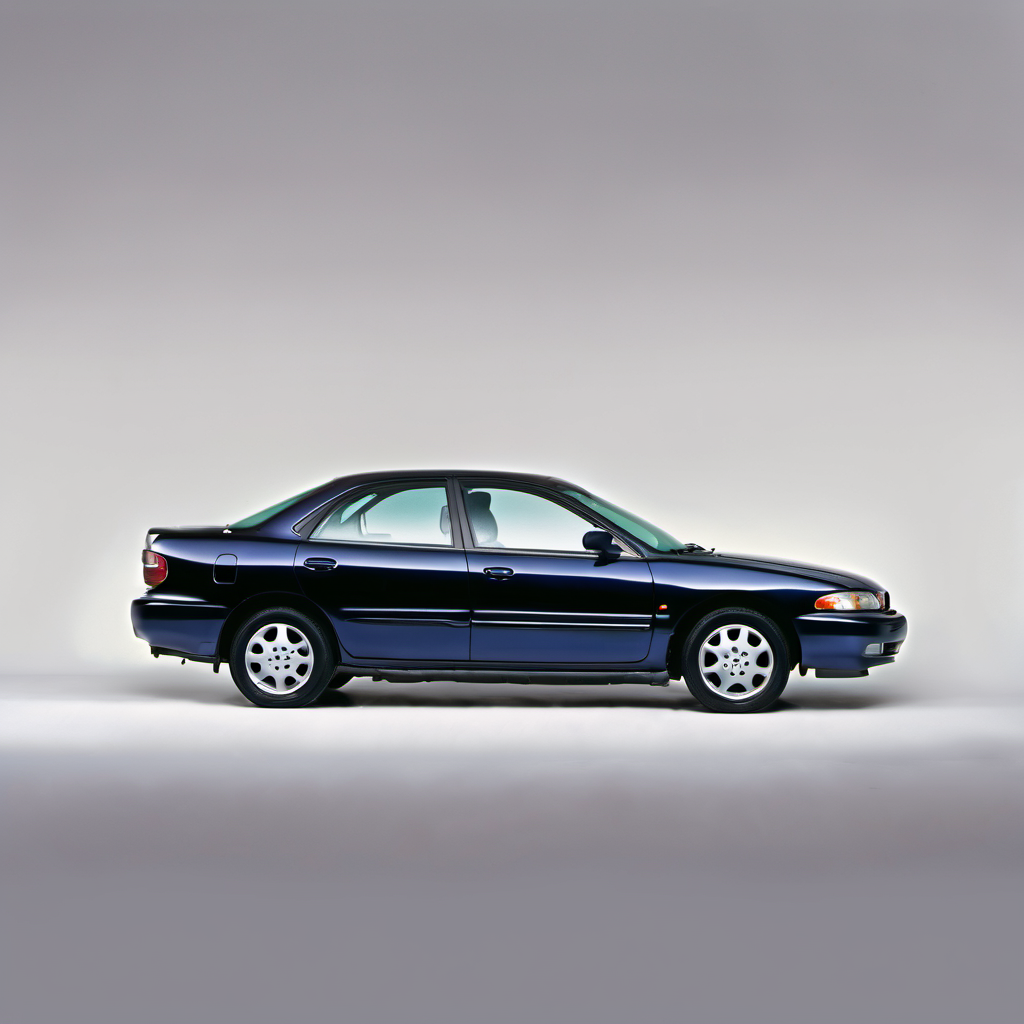
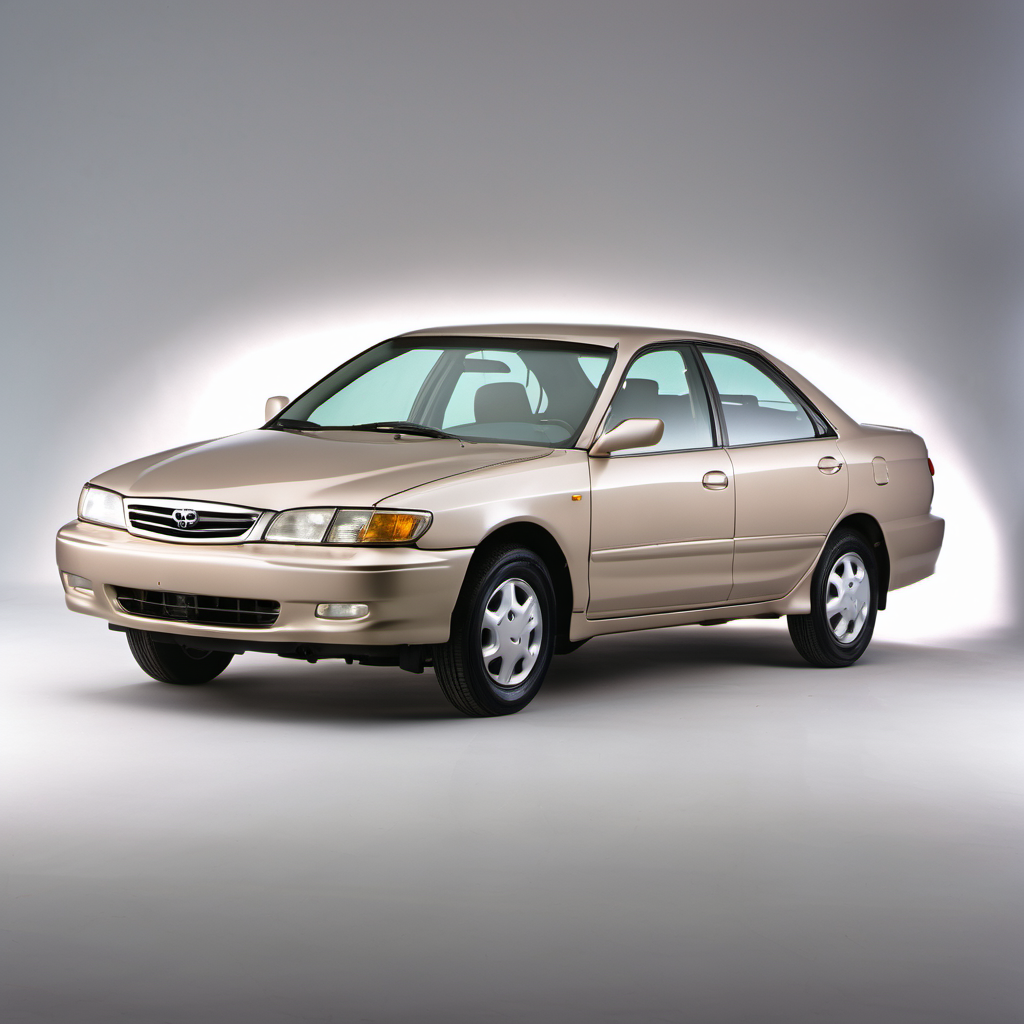
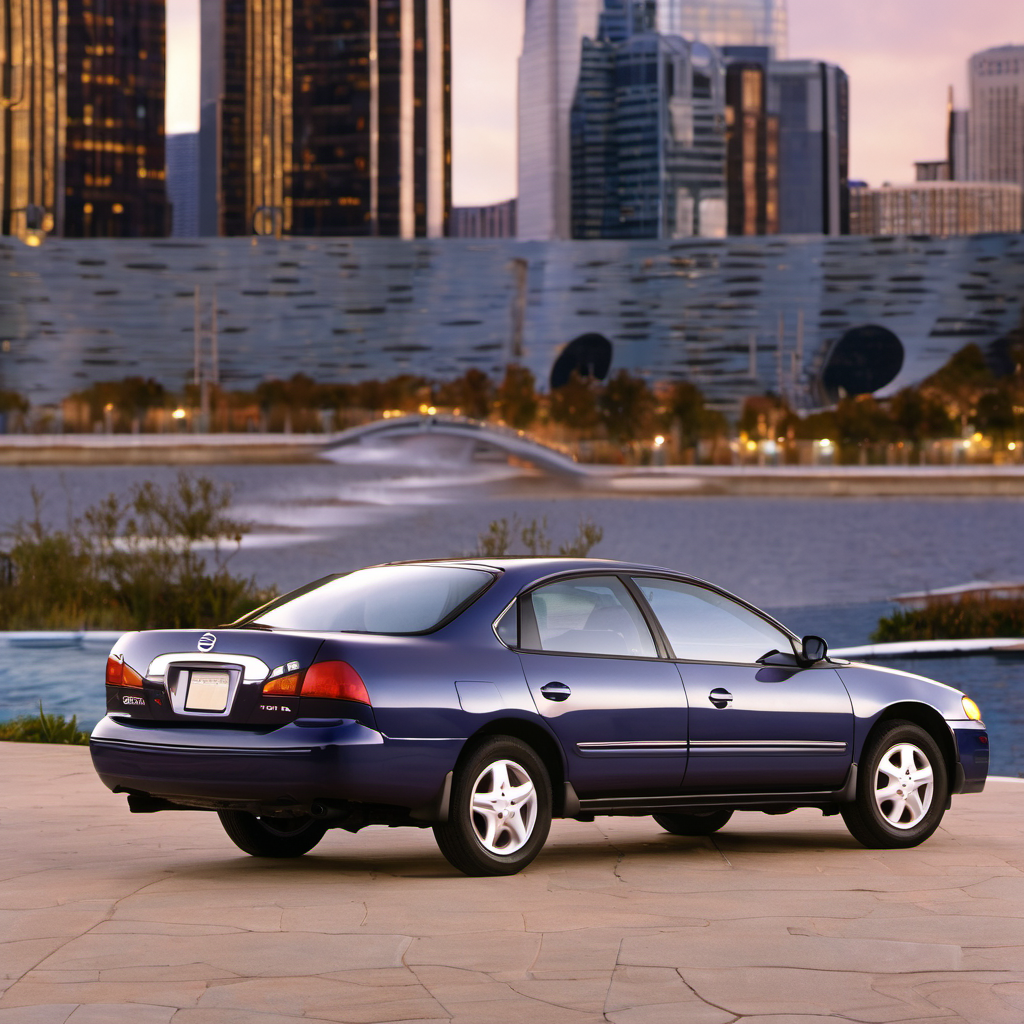
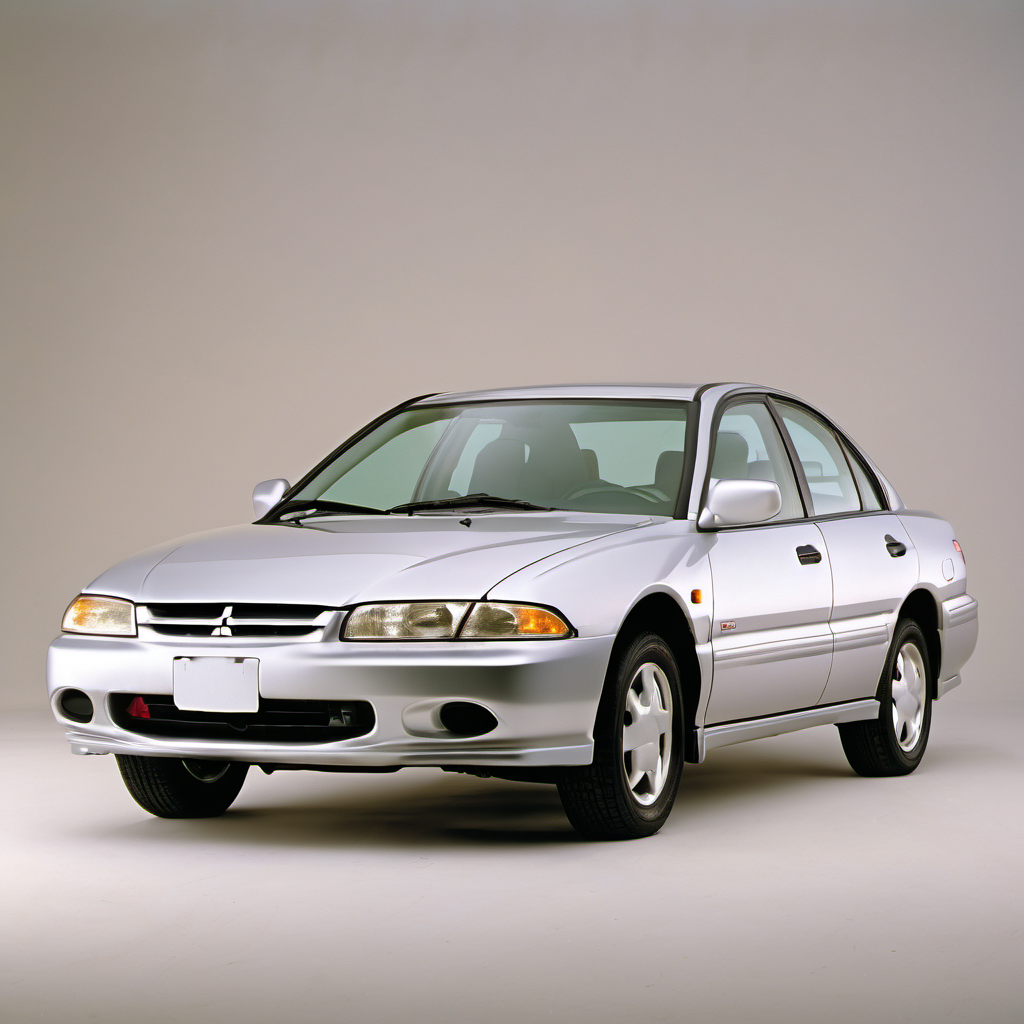
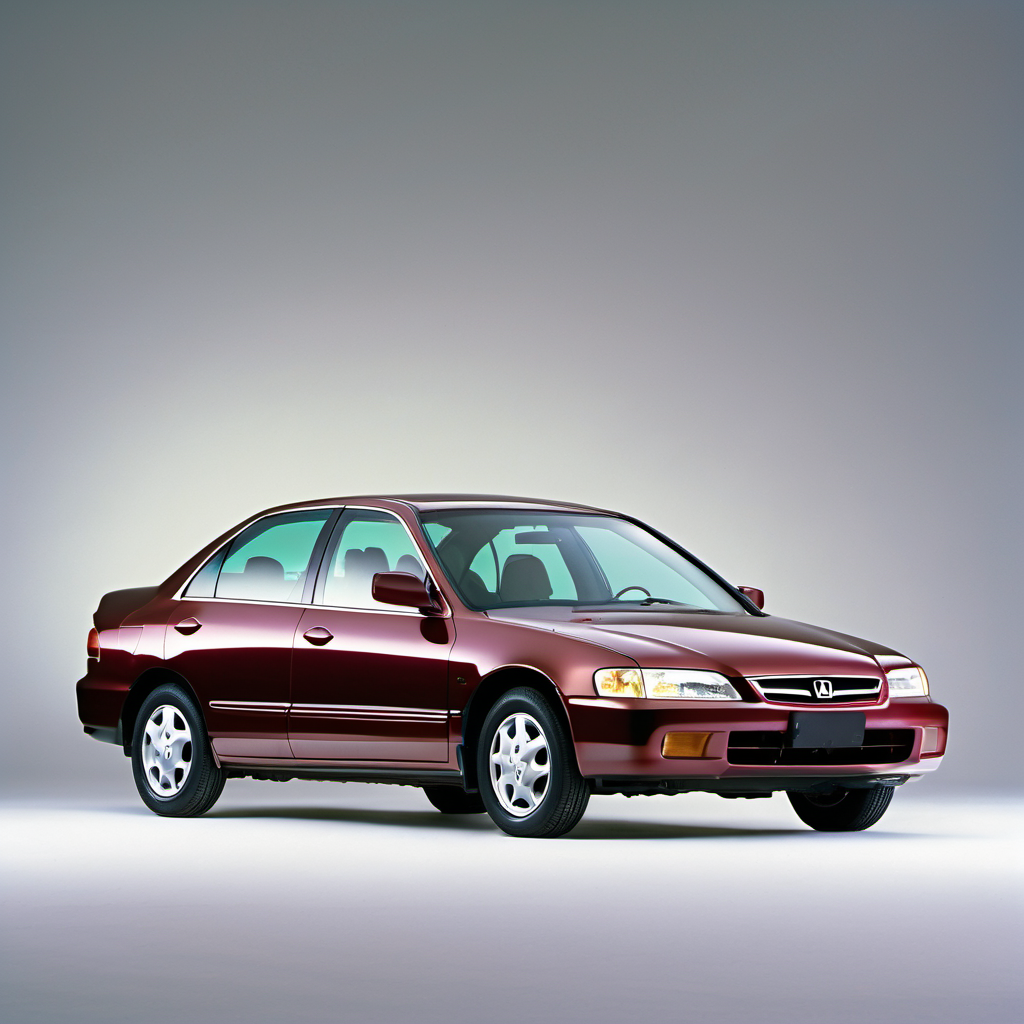
1998 MAZDA 626 Sedan

1998 MAZDA

626Sedan

Sedan

The 1998 Mazda 626 is a front-wheel-drive, mid-size family sedan that earned a reputation for being a sensible, driver-friendly alternative to the Honda Accord and Toyota Camry of its era. Offered with a 2.0L four-cylinder or an optional 2.5L V6, the four-cylinder version is the more common find today and the more mechanically straightforward of the two. The 626 was praised for its handling feel, solid interior quality, and reasonable fuel economy by late-'90s standards. By 1998 the 626 was nearing the end of its fourth-generation run. The basic bones are reliable, but now that these cars are 25+ years old, age-related issues dominate — rubber seals, coolant hoses, automatic transmission wear, and rust are far more pressing than any factory design flaw. A well-cared-for four-cylinder 626 can still be a practical daily driver, but finding one in genuinely good shape takes patience. In the upper Midwest, rust is the primary enemy. Wisconsin road salt is brutal on these unibody cars, especially the subframe, rocker panels, and brake lines. Budget for a thorough undercarriage inspection before any purchase decision.

Reliability
3/5
Verified data
Specs shown for 626 — the most common configuration. Other trims may vary in engine, drivetrain, or fuel economy. Sign in to see your vehicle's exact specs.
Engine
[object Object]
Drivetrain
FWD
Fuel
Gasoline
MPG
19 city / 26 hwy / 22 combined
Seats
Doors
Body
Midsize Cars

Overview

AI-curated

The 1998 Mazda 626 is a front-wheel-drive, mid-size family sedan that earned a reputation for being a sensible, driver-friendly alternative to the Honda Accord and Toyota Camry of its era. Offered with a 2.0L four-cylinder or an optional 2.5L V6, the four-cylinder version is the more common find today and the more mechanically straightforward of the two. The 626 was praised for its handling feel, solid interior quality, and reasonable fuel economy by late-'90s standards. By 1998 the 626 was nearing the end of its fourth-generation run. The basic bones are reliable, but now that these cars are 25+ years old, age-related issues dominate — rubber seals, coolant hoses, automatic transmission wear, and rust are far more pressing than any factory design flaw. A well-cared-for four-cylinder 626 can still be a practical daily driver, but finding one in genuinely good shape takes patience. In the upper Midwest, rust is the primary enemy. Wisconsin road salt is brutal on these unibody cars, especially the subframe, rocker panels, and brake lines. Budget for a thorough undercarriage inspection before any purchase decision.

Known for
  • Responsive, car-like handling for a family sedan
  • Fuel-efficient 2.0L four-cylinder engine
  • Notoriously problematic automatic transmissions on V6 models
  • Good interior ergonomics and build quality for the era
Best for
  • Budget-conscious drivers comfortable with an older vehicle
  • Owners who can perform or afford proactive maintenance
  • Short urban and suburban commutes
  • Buyers who prefer a manual transmission (more reliable than the auto)
Watch for
  • Rust on subframe, rocker panels, and brake lines — critical in Wisconsin
  • Automatic transmission failure, especially on the 2.5L V6 variant
  • Coolant leaks from aged hoses and the thermostat housing
  • Deferred maintenance on a 25-year-old chassis
  • Leaking valve cover gaskets and worn engine mounts

Common issues by mileage

6 known

Automatic Transmission Failure

high
Typically appears
100–160k mi
Estimated repair
$1,500 – $3,200

Coolant Leaks — Hoses, Thermostat Housing, Radiator

high
Typically appears
80k+ mi (age-related on all examples)
Estimated repair
$150 – $600

Valve Cover Gasket Leak

high
Typically appears
80–150k mi
Estimated repair
$100 – $250

Oxygen Sensor / O2 Heater Circuit Failure

medium
Typically appears
80–130k mi
Estimated repair
$150 – $350

Brake Line and Fuel Line Corrosion (Rust)

high
Typically appears
All mileage — age/salt-driven
Estimated repair
$300 – $1,200

Worn Engine and Transmission Mounts

medium
Typically appears
100–150k mi
Estimated repair
$200 – $500

Maintenance schedule

  1. 1
    Every 5,000 miles or 6 months Engine oil and filter change

    This engine predates extended-drain oils. Keeping oil fresh prevents sludge buildup in an engine that may have mixed service histories.

  2. 2
    Every 2 years Coolant flush and hose inspection

    At 25+ years old, hoses, clamps, and the thermostat housing are prime failure points. Fresh coolant also protects against freeze damage in Wisconsin winters.

  3. 3
    Every 30,000 miles Automatic transmission fluid change

    The 4-speed automatic is the known weak spot. Fresh fluid is the single best thing you can do to extend its life. Never skip this on a high-mileage example.

  4. 4
    Every 30,000 miles Spark plugs and wires

    Worn ignition components cause rough cold starts — especially problematic in sub-zero Wisconsin mornings.

  5. 5
    Every 60,000 miles or 5 years Timing belt and water pump replacement

    The 2.0L is an interference engine. A snapped timing belt causes catastrophic valve damage. Verify this has been done — if history is unknown, replace it now.

  6. 6
    Every 2 years Brake fluid flush

    Brake fluid absorbs moisture over time, lowering the boiling point and accelerating internal corrosion — a real concern on aging brake hardware in a salt environment.

  7. 7
    Every spring Undercarriage rust inspection

    Inspect subframe, brake lines, fuel lines, and rocker panels after every Wisconsin winter season. Catch corrosion early before it becomes structural or safety-critical.

  8. 8
    Every fall Battery load test

    Cold-cranking demand spikes below 0°F. A battery that tests marginal in October will likely fail in January. Replace proactively — batteries 4+ years old rarely survive a Wisconsin winter reliably.

Always defer to the manufacturer's service manual for warranty-mandated intervals.

Cost of ownership

Annual maintenance
$600 – $1,800
Fuel
At 22 MPG combined and typical Lake Geneva driving mix, expect roughly $1,400–$1,700/year at current mid-grade fuel prices, depending on mileage driven.
Insurance
Typically low — older vehicle with low market value qualifies for liability-only coverage in most cases. Expect $400–$900/year depending on coverage level and driving record.

Day-to-day costs are modest if the car is in sound condition. The danger is deferred maintenance catching up all at once — a transmission rebuild, timing belt job, and brake line replacement in the same year can easily run $3,000–$5,000. Know the full service history before you commit. A clean 626 is cheap to run; a neglected one is not.
Seasonal care

Lake Geneva, WI
Winter
  • Load-test the battery every fall — the 2.0L needs strong cold-cranking amps below 0°F and this car's charging system is sized for the basics, not extras
  • Switch to a full-synthetic 5W-30 oil before winter for easier cold starts and faster warm-up lubrication
  • Inspect and top off coolant — verify freeze protection to at least -34°F with a tester; don't assume it's good because it looks clean
  • Replace wiper blades with winter-rated blades and fill the washer reservoir with -20°F or colder rated fluid — standard fluid freezes on the windshield in Wisconsin temps
  • Inspect brake lines and hard lines under the car every fall — road salt accelerates corrosion and a brake line failure is a safety emergency
  • Check tire tread depth; seriously consider dedicated winter tires — the FWD setup helps in snow but won't compensate for all-season tires with worn tread on icy roads
Summer
  • Check tire pressure monthly — pressure drops about 1 PSI per 10°F of temperature change; heat causes underinflation to worsen fuel economy and handling
  • Inspect the cooling system before the hottest months — a marginal thermostat or weak radiator cap that copes in spring will fail under sustained summer heat
  • Test the A/C refrigerant charge and inspect the cabin air filter if equipped — a clogged filter kills airflow and makes the compressor work harder
  • Check the condition of the serpentine belt — heat accelerates cracking on aging rubber; a failed belt strands you and kills charging and cooling

Comparable vehicles

If you're shopping for one

Red flags
  • Any sign of subframe rust perforation or flaking brake lines — walk away
  • Transmission that hesitates, slips, or clunks during the test drive
  • No record of timing belt replacement on a car with 60k+ miles
  • Milky or foamy oil on the dipstick — likely head gasket failure
  • Coolant that's brown or rusty — indicates a neglected cooling system with potential internal damage
  • Mismatched paint panels or signs of significant body repair — check for flood or accident history
What to inspect
  • Undercarriage: subframe, rocker panels, brake lines, and fuel lines for rust — this is the top priority on any Wisconsin-used example
  • Transmission: check for delayed engagement, slipping, or shudder on the 4-speed automatic; a smooth test drive does not guarantee a healthy transmission — request a fluid check
  • Timing belt service record: the 2.0L is an interference engine; if unknown, budget for immediate replacement
  • Coolant condition and hose integrity: squeeze hoses for cracks; check for coolant in the oil (milky dipstick) which signals head gasket trouble
  • Valve cover for oil leaks: look for oil residue around the top of the engine and on the exhaust manifold
  • All four tires for age (check the DOT date code on the sidewall) — rubber degrades even with low mileage on a 25-year-old car
AI profile generated 1 day ago · claude-sonnet-4-6 · v2.