Distributor failure / ignition misfire
high- Typically appears
- 80–150k mi
- Estimated repair
- $180 – $380
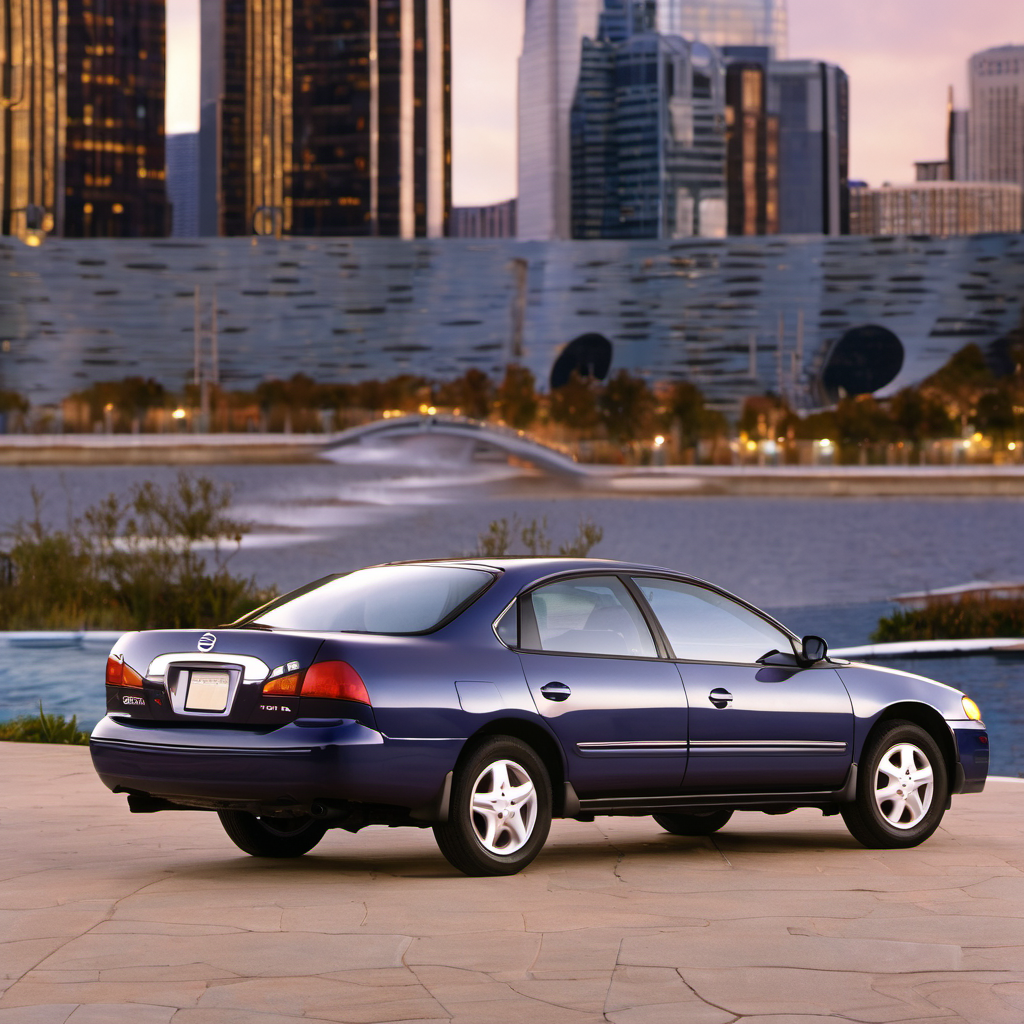
1998 Nissan
Sedan
The 1998 Nissan Altima is a second-generation (1993–1997 design carried through 1997, then refreshed for 1998) front-wheel-drive midsize sedan powered by Nissan's KA24DE 2.4-liter inline-four. It sits between the Sentra and Maxima in Nissan's lineup and was marketed as a practical, affordable alternative to the Camry and Accord. At this point in its life, the Altima had a reputation as a reliable workhorse that rewarded consistent maintenance. By 1998, this generation of Altima was in its final year before the all-new third-generation arrived for 1999. That means used examples have now accumulated 25+ years of road miles and, in Wisconsin, significant salt exposure. The mechanicals are relatively simple — no variable valve timing, no turbo, no complex AWD system — which makes it easier and cheaper to keep running than many later models. For a high-mileage example, the biggest concerns are rust (especially on sub-frames, brake lines, and floor pans), worn front suspension components, and the condition of the automatic transmission if equipped. The engine itself is stout and known to last well past 200k miles when the oil has been changed regularly.
The 1998 Nissan Altima is a second-generation (1993–1997 design carried through 1997, then refreshed for 1998) front-wheel-drive midsize sedan powered by Nissan's KA24DE 2.4-liter inline-four. It sits between the Sentra and Maxima in Nissan's lineup and was marketed as a practical, affordable alternative to the Camry and Accord. At this point in its life, the Altima had a reputation as a reliable workhorse that rewarded consistent maintenance. By 1998, this generation of Altima was in its final year before the all-new third-generation arrived for 1999. That means used examples have now accumulated 25+ years of road miles and, in Wisconsin, significant salt exposure. The mechanicals are relatively simple — no variable valve timing, no turbo, no complex AWD system — which makes it easier and cheaper to keep running than many later models. For a high-mileage example, the biggest concerns are rust (especially on sub-frames, brake lines, and floor pans), worn front suspension components, and the condition of the automatic transmission if equipped. The engine itself is stout and known to last well past 200k miles when the oil has been changed regularly.
The KA24DE rewards clean oil. Extended intervals on a 25+ year-old engine accelerate wear and contribute to oil consumption. Use conventional 5W-30 unless the engine has been rebuilt or is already burning oil.
The RE4F04A automatic is sensitive to fluid condition. Most used examples have neglected this — fresh fluid and filter can extend transmission life significantly, but don't flush a very high-mileage unit with unknown history; a simple drain-and-fill is safer.
The KA24DE uses a distributor-based ignition system. Worn caps and rotors cause misfires and hard starts, especially in cold Wisconsin winters. Platinum plugs are fine; gap to spec.
Old coolant loses its corrosion inhibitors. The aluminum head and iron block combination is prone to internal corrosion when coolant is neglected, and overheating on this engine can warp the head.
Salt corrosion on brake lines is a safety-critical issue on any upper Midwest vehicle of this age. A visual inspection every fall before winter is non-negotiable. Replace any line showing pitting or pinhole leaks.
These components are well past design life on most surviving examples. Worn front-end parts increase stopping distance and make the car unpredictable on icy roads.
The KA24DE uses a timing chain (not a belt), which is durable, but the tensioner can weaken with age and cause chain noise or slack at high mileages.
Cold cranking demand spikes in Wisconsin winters. A battery over 4 years old should be load-tested before December. Clean any corrosion from terminals to ensure reliable starts at sub-zero temps.
Always defer to the manufacturer's service manual for warranty-mandated intervals.
Day-to-day operating costs are low. Parts are inexpensive and widely available, and labor rates at an independent shop are reasonable because the engine and chassis are straightforward to work on. The wildcard is deferred maintenance and rust remediation — a Wisconsin example that hasn't had brake lines or suspension addressed could require $1,500–$3,000 in catch-up repairs all at once. Budget accordingly when buying.
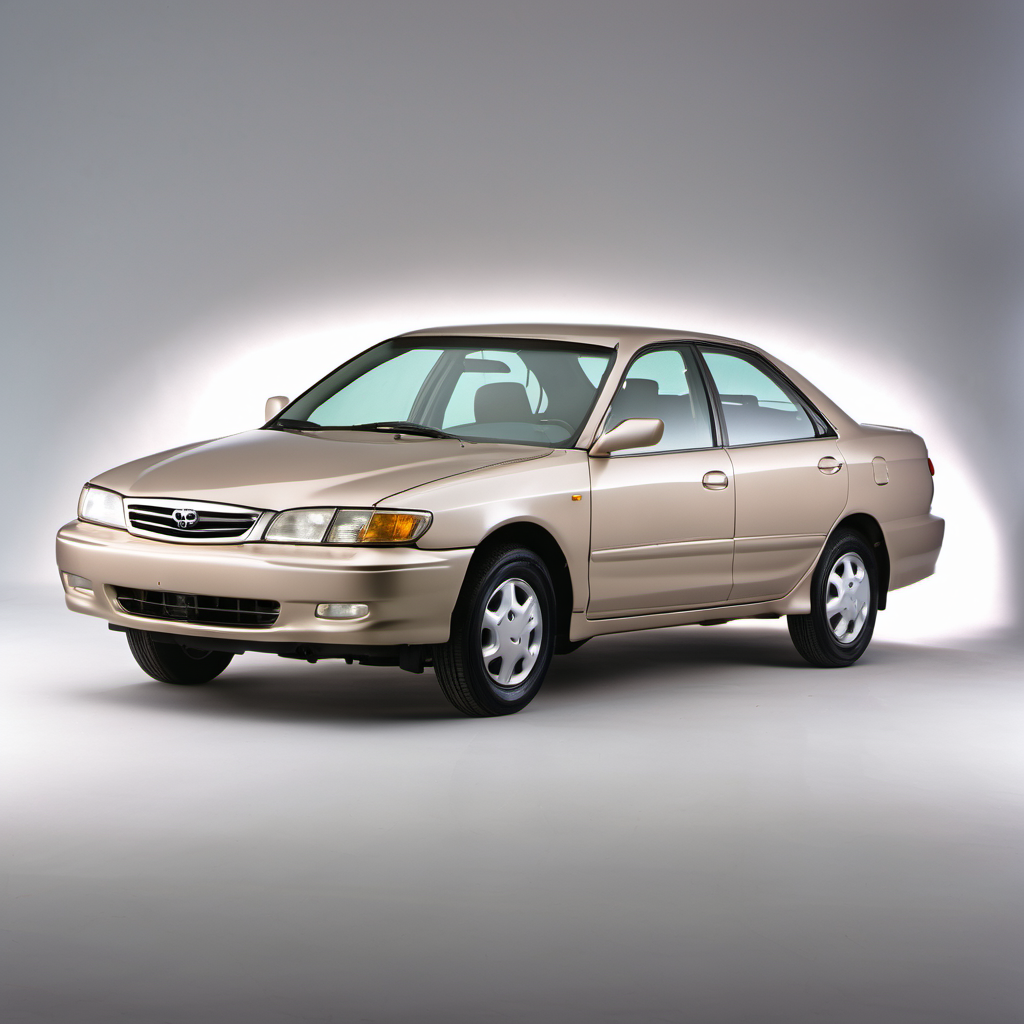
Same segment, same era, same FWD layout. The Camry has a slight edge in long-term reliability reputation and rust resistance, but parts and repair costs are similar. A direct cross-shop for any buyer looking at a late-90s midsize sedan.
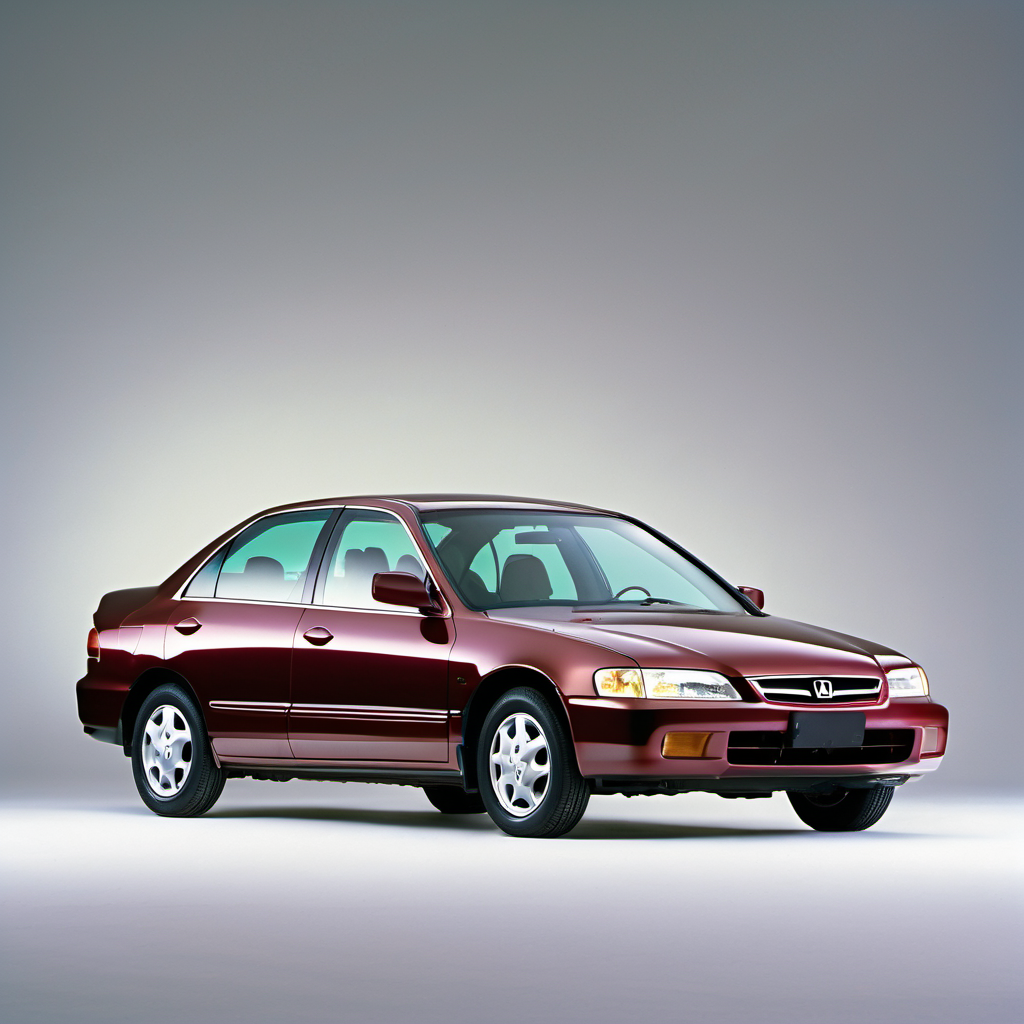
The Accord was the Altima's primary target competitor. Similar price point, similar fuel economy, proven reliability. F-series engines are arguably more robust at very high mileage. Also susceptible to rust in Wisconsin.
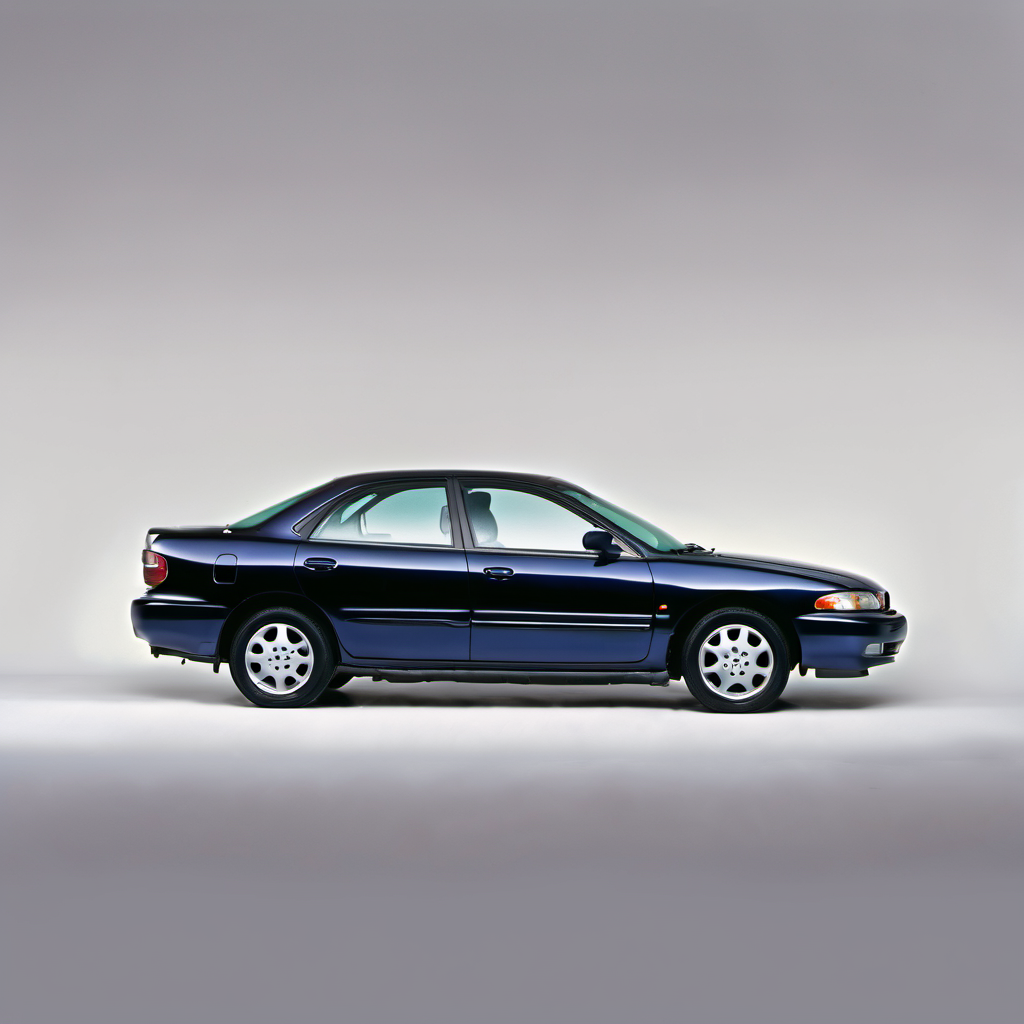
Another front-wheel-drive midsize sedan from the same era with a similar ownership cost profile. Less common, so parts can be harder to source locally, but worth considering as an alternative.
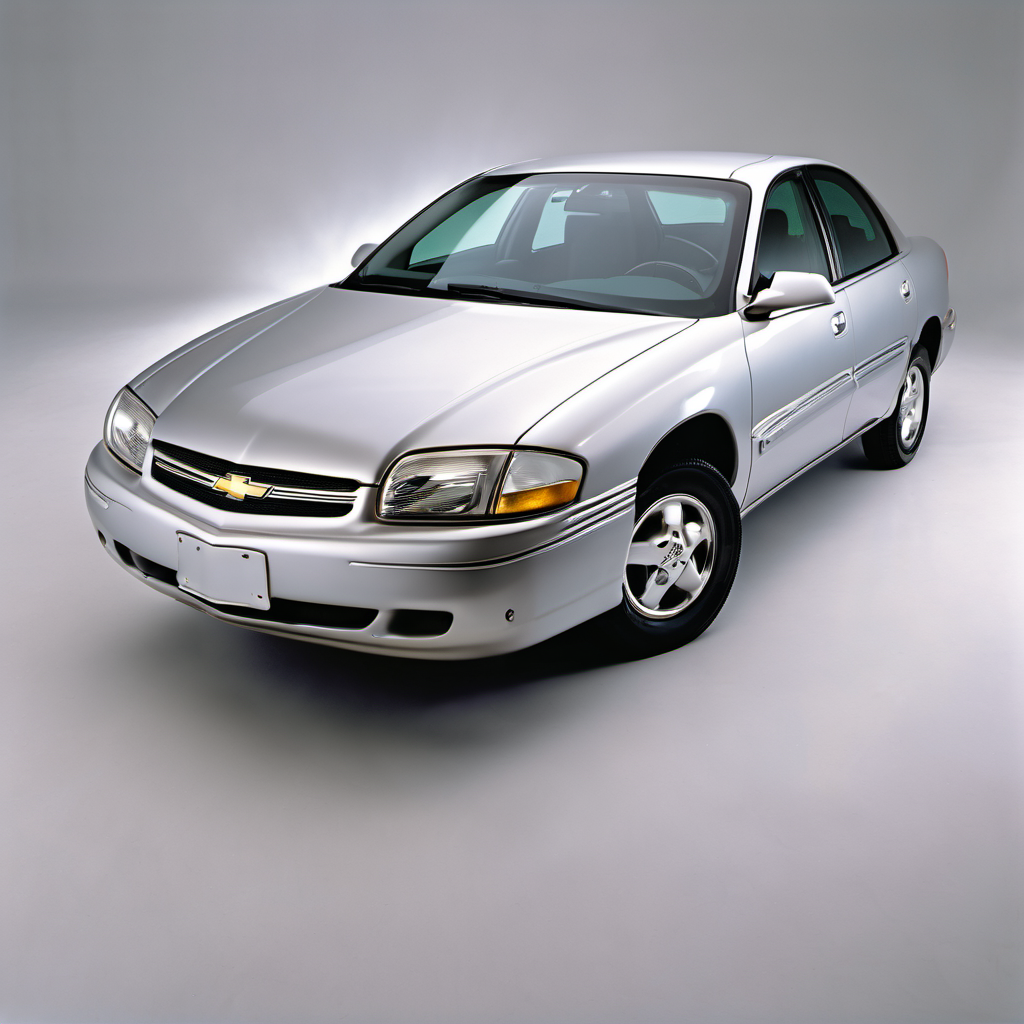
The redesigned 1998 Malibu competes in the same affordable midsize sedan space. Domestic parts availability is strong, but long-term reliability doesn't match the Japanese alternatives. A reasonable budget alternative.