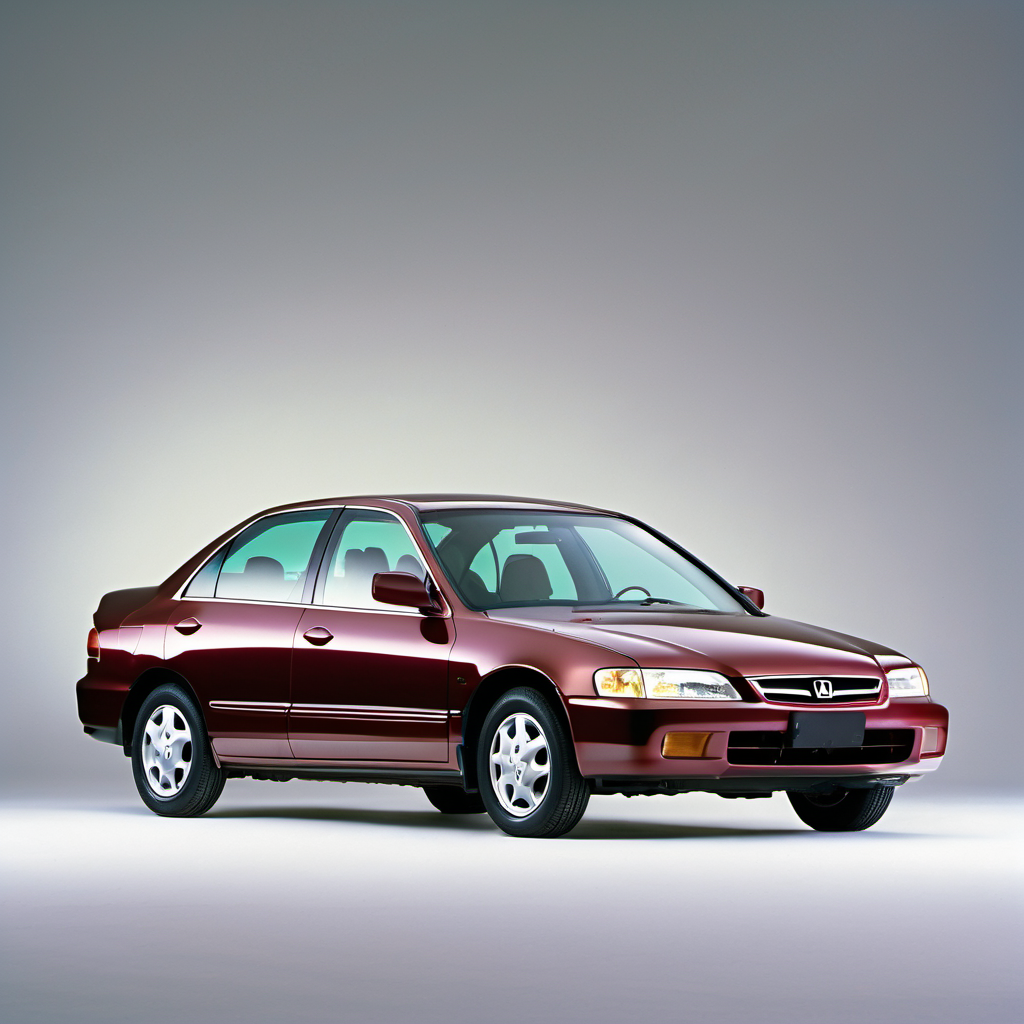
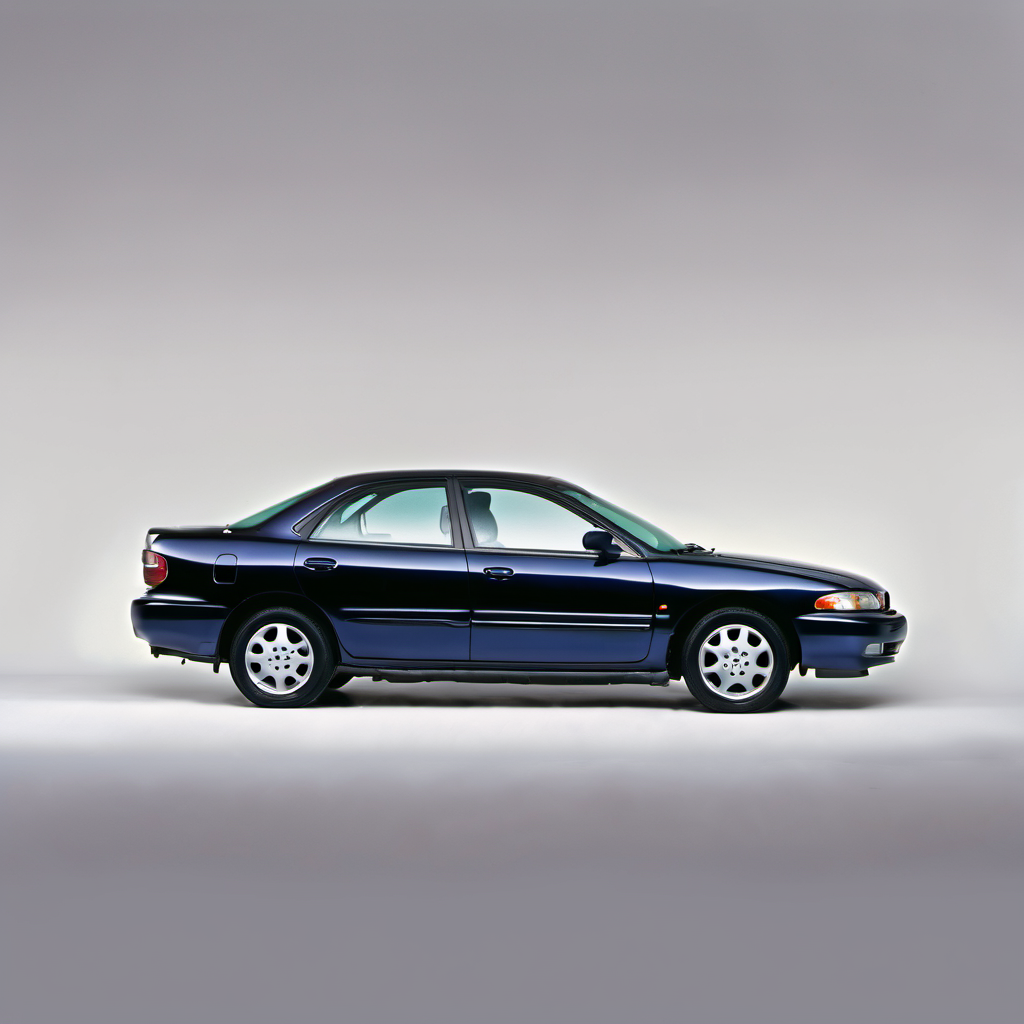
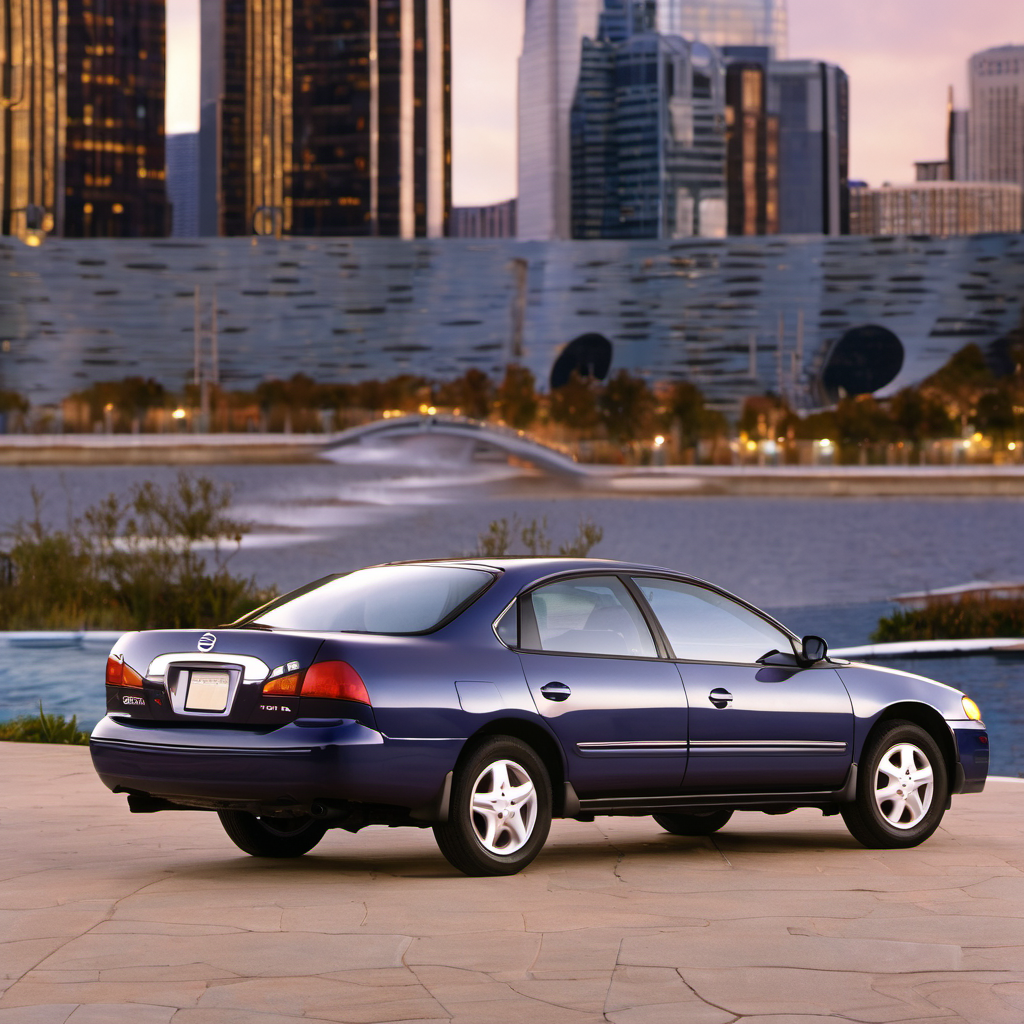
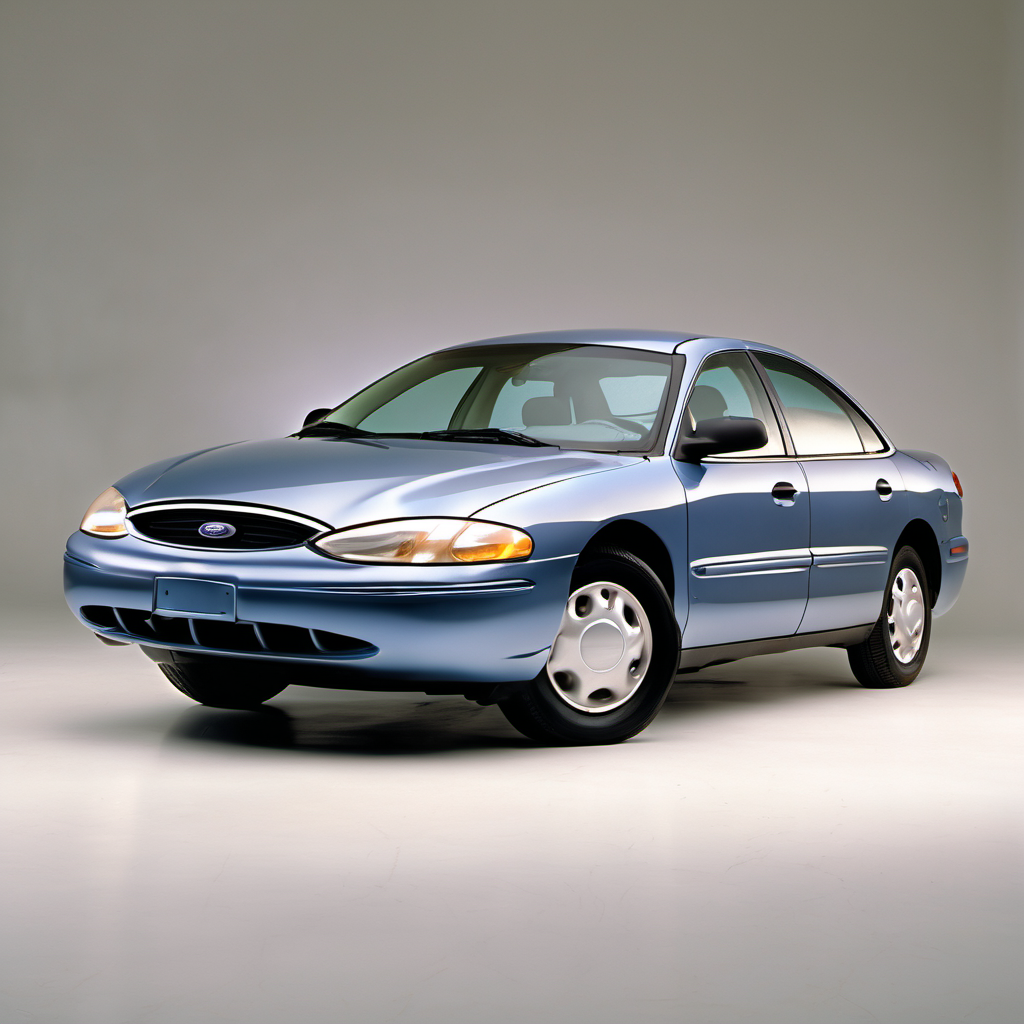
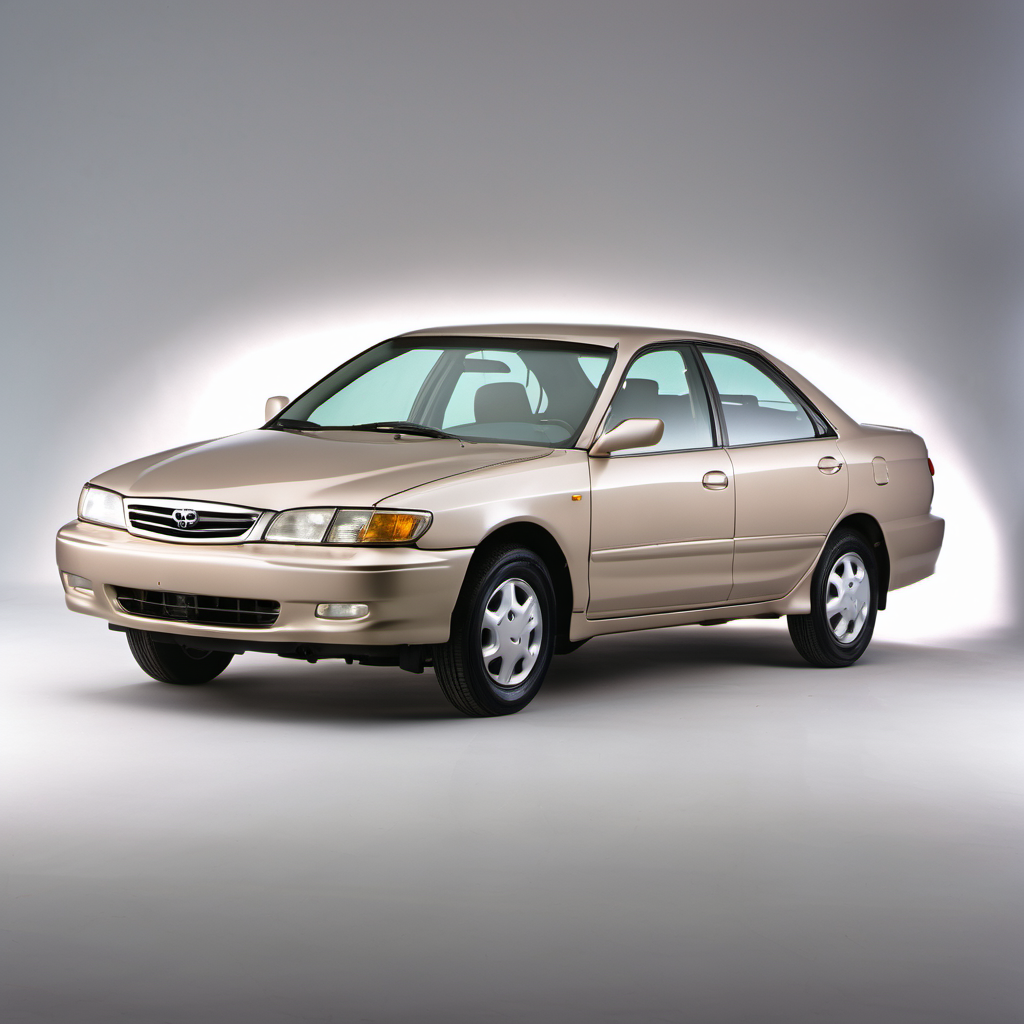
1998 Honda Accord Sedan

1998 Honda

AccordSedan

Sedan

The 1998 Honda Accord Sedan is a fifth-generation Accord (CD/CF chassis), one of the best-selling cars in America during its era and for good reason. It earned a reputation for bulletproof reliability, a comfortable ride, and a practical interior that punched above its class. The 2.3L four-cylinder is the volume engine and strikes a solid balance between adequate power and long-term durability. By 1998, Accord had matured into a polished daily driver with few significant weaknesses from the factory. Build quality is strong, and examples that received basic maintenance regularly eclipse 200,000 miles without major drivetrain work. Parts are plentiful and inexpensive — independent shops know this car inside and out. At this age, condition matters far more than mileage history. Rust is the primary enemy of a Wisconsin-operated example. A solid, rust-free Accord from this generation is still a genuinely capable and economical daily driver. A rusty one is a money pit.

Reliability
4/5
Verified data
Specs shown for Accord — the most common configuration. Other trims may vary in engine, drivetrain, or fuel economy. Sign in to see your vehicle's exact specs.
Engine
[object Object]
Drivetrain
FWD
Fuel
Gasoline
MPG
19 city / 27 hwy / 22 combined
Seats
Doors
Body
Midsize Cars

Overview

AI-curated

The 1998 Honda Accord Sedan is a fifth-generation Accord (CD/CF chassis), one of the best-selling cars in America during its era and for good reason. It earned a reputation for bulletproof reliability, a comfortable ride, and a practical interior that punched above its class. The 2.3L four-cylinder is the volume engine and strikes a solid balance between adequate power and long-term durability. By 1998, Accord had matured into a polished daily driver with few significant weaknesses from the factory. Build quality is strong, and examples that received basic maintenance regularly eclipse 200,000 miles without major drivetrain work. Parts are plentiful and inexpensive — independent shops know this car inside and out. At this age, condition matters far more than mileage history. Rust is the primary enemy of a Wisconsin-operated example. A solid, rust-free Accord from this generation is still a genuinely capable and economical daily driver. A rusty one is a money pit.

Known for
  • Exceptional long-term reliability with basic maintenance
  • Simple, rebuildable 2.3L F23 four-cylinder engine
  • Low cost of ownership and widely available parts
  • Comfortable ride and spacious interior for its class
  • Strong resale retention and enthusiast following
Best for
  • Budget-conscious daily commuters who want a proven platform
  • DIY mechanics — parts are cheap and knowledge is widespread
  • Families needing a reliable, low-drama sedan
  • High-mileage buyers who want longevity over flash
Watch for
  • Underbody and frame rail rust on Wisconsin-operated vehicles — this is the #1 deal-breaker
  • Automatic transmission longevity on the V6 trim (less of a concern on the 4-cyl, but worth noting)
  • Age-related rubber deterioration: bushings, CV boots, coolant hoses
  • Distributor and ignition issues common on high-mileage examples
  • Power window regulators and door lock actuators failing with age

Common issues by mileage

6 known

Distributor failure

high
Typically appears
100–180k mi
Estimated repair
$180 – $350

Oxygen sensor failure / heater circuit fault

high
Typically appears
80–150k mi
Estimated repair
$80 – $200

CV axle and CV boot wear

high
Typically appears
100k+ mi
Estimated repair
$120 – $280

Underbody / rocker panel rust (Wisconsin-specific)

high
Typically appears
All mileages on salt-road vehicles
Estimated repair
$500 – $3,000

Power window regulator failure

medium
Typically appears
120k+ mi
Estimated repair
$80 – $200

Coolant system leaks (water pump, hoses, thermostat)

medium
Typically appears
100–200k mi
Estimated repair
$100 – $400

Maintenance schedule

  1. 1
    Every 5,000 miles or 6 months Engine oil and filter change

    The F23 engine has no oil life monitor — stick to time/mileage intervals. Neglected oil is the most common reason these engines develop sludge and premature wear at high mileage.

  2. 2
    Every 90,000 miles or 7 years, whichever comes first Timing belt and water pump replacement

    The F23 is an interference engine — a snapped timing belt causes major engine damage. Always replace the water pump at the same time since it shares the same labor access.

  3. 3
    Every 3 years or 45,000 miles Coolant flush

    Aging coolant becomes acidic and accelerates corrosion in the aluminum head and cooling passages. Especially important before Wisconsin winters.

  4. 4
    Every 30,000 miles Distributor cap, rotor, and spark plugs

    Distributor-equipped engines need more frequent ignition attention than coil-on-plug designs. Early replacement of caps and rotors prevents the hard-start and misfire issues this platform is known for at high mileage.

  5. 5
    Every 2–3 years Brake fluid flush

    Brake fluid is hygroscopic and absorbs moisture over time, lowering boiling point and promoting internal caliper and master cylinder corrosion — a real concern on a vehicle this age.

  6. 6
    Every 30,000 miles or at each tire rotation CV axle and boot inspection

    Torn CV boots allow grease to escape and dirt to enter, rapidly destroying the joint. Catching a torn boot early is a $40 fix; ignoring it leads to a $200+ axle replacement.

  7. 7
    Every winter and spring (Wisconsin specific) Underbody wash and rust inspection

    Road salt is the primary killer of Accords this age in the upper Midwest. Wash the undercarriage regularly during salt season and inspect rocker panels, subframe, and brake lines for corrosion every spring.

  8. 8
    Every fall before winter Battery load test

    Cold cranking capacity drops significantly below 0°F. A battery that performs fine in summer can leave you stranded at -10°F. Batteries 4+ years old should be tested before Lake Geneva winters hit.

Always defer to the manufacturer's service manual for warranty-mandated intervals.

Cost of ownership

Annual maintenance
$400 – $900
Fuel
At 22 MPG combined and ~12,000 miles/year, expect roughly $1,450–$1,700/year at $2.65–$3.10/gallon (regular unleaded).
Insurance
Typically among the lowest in any category — expect $600–$1,000/year for full coverage depending on driver history, given the vehicle's low market value.

A well-maintained 1998 Accord 4-cylinder is one of the cheapest reliable vehicles to operate. Parts are inexpensive and widely available. Annual maintenance costs are low in years with no major repairs. Budget for age-related items: timing belt if not recently done, cooling system refresh, and potential CV or brake line work. Rust remediation is the wildcard — factor in a professional underbody inspection before purchasing.
Seasonal care

Lake Geneva, WI
Winter
  • Load-test the battery every fall — cold weather is unforgiving on a weak battery, and this car uses a straightforward lead-acid unit that's inexpensive to replace proactively.
  • Switch to a winter-rated windshield washer fluid rated to at least -20°F; summer fluid will freeze in the reservoir and lines.
  • Inspect and replace wiper blades before first snowfall — the Accord's large windshield needs effective wiper coverage.
  • Check coolant freeze protection with a test strip or refractometer; the cooling system on a 25-year-old car may have diluted or degraded coolant.
  • Inspect brake lines and the ABS module lines for rust-through — salt damage to brake hydraulics is a safety-critical issue on vehicles this age operated in Wisconsin.
  • Keep the gas tank at least half full in extreme cold to reduce fuel line moisture and prevent fuel delivery issues.
Summer
  • Check tire pressure monthly — pressure drops roughly 1 PSI for every 10°F drop in temperature and rises in heat; proper inflation is critical for handling and fuel economy.
  • Inspect the A/C system for refrigerant level and compressor operation — recharging an aging system may also reveal dried-out seals worth addressing.
  • Monitor the coolant temperature gauge on hot days; aging thermostats and hoses are more likely to fail under heat load. Watch for any sign of overheating.
  • Inspect rubber under-hood hoses for cracking or softness — heat cycles over 25 years accelerate rubber deterioration.

Comparable vehicles

If you're shopping for one

Red flags
  • Any visible rust perforation on rocker panels, subframe, or suspension mounting points — structural rust is not economically repairable on a vehicle this value.
  • Unknown or clearly overdue timing belt — an interference engine with an expired belt is a ticking clock.
  • Coolant that is brown, rusty, or smells burnt — indicates a neglected cooling system with potential internal damage.
  • Smoke from the exhaust on startup or under load — blue smoke means oil burning, white smoke can indicate head gasket issues.
  • A check engine light with no service records — could be a simple O2 sensor, could be something more serious. Always scan codes before buying.
  • Mismatched body panels or paint overspray suggesting prior collision repair not disclosed by the seller.
What to inspect
  • Put the car on a lift and inspect the full undercarriage: rocker panels, subframe mounting points, rear suspension arms, and brake lines. Rust here is the #1 reason to walk away.
  • Pull out the timing belt service history — if unknown or overdue (90k mi / 7 years), factor in $350–$600 for a timing belt and water pump job immediately.
  • Test the distributor condition: look for rough idle, hard starts, or a check engine light. Distributor failure is common and inexpensive to fix if caught, but signals overall deferred maintenance.
  • Check for coolant in the oil (milky dipstick) or oil in the coolant (oily residue in the reservoir) — signs of head gasket issues.
  • Test the A/C, heater, and all power accessories — window regulators and door lock actuators are prone to failure on cars this age.
  • Inspect the CV axle boots for tearing or grease sling marks on the inside of the wheels.
  • Check brake pedal feel and pull; inspect for any soft, spongy response suggesting old fluid or a compromised master cylinder.
AI profile generated 8 days ago · claude-sonnet-4-6 · v2.