Intake Manifold Gasket Failure
high- Typically appears
- 60–120k mi
- Estimated repair
- $400 – $750
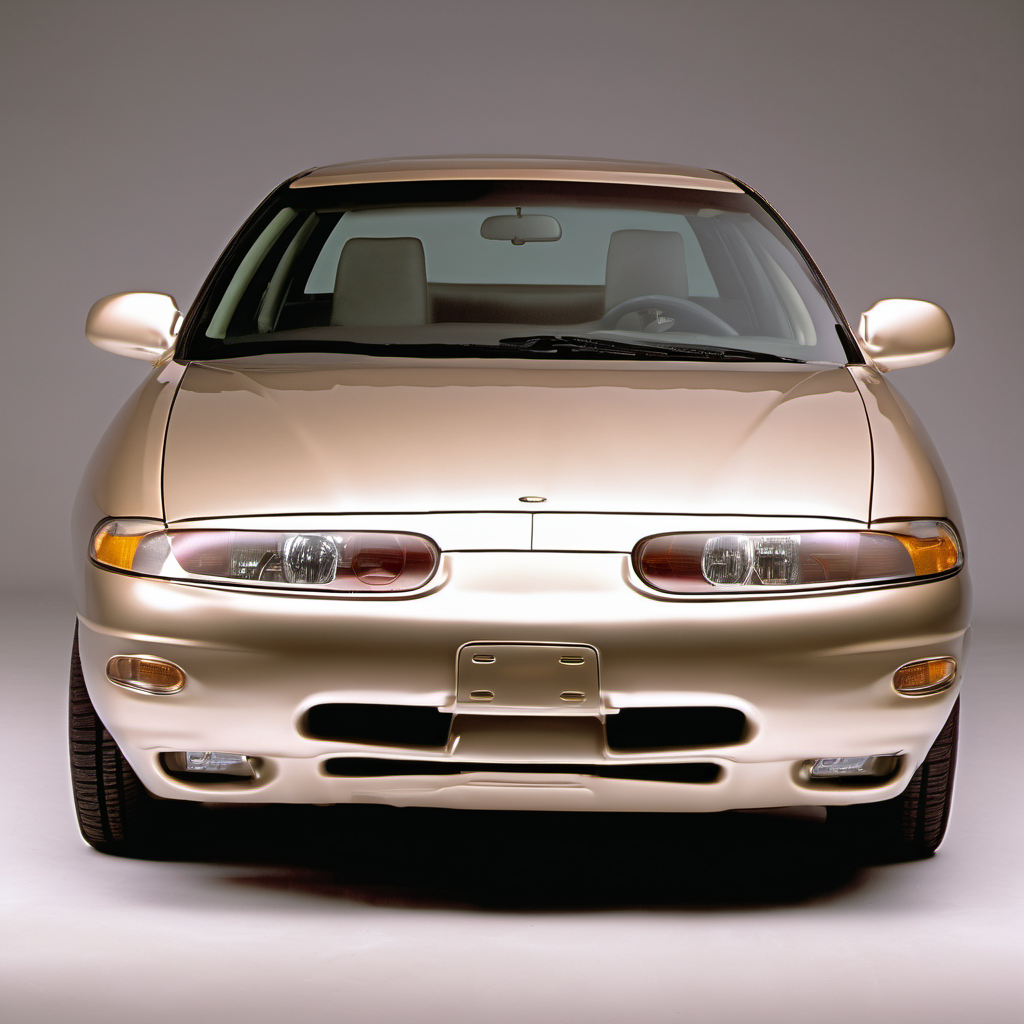
1998 Oldsmobile
Sedan
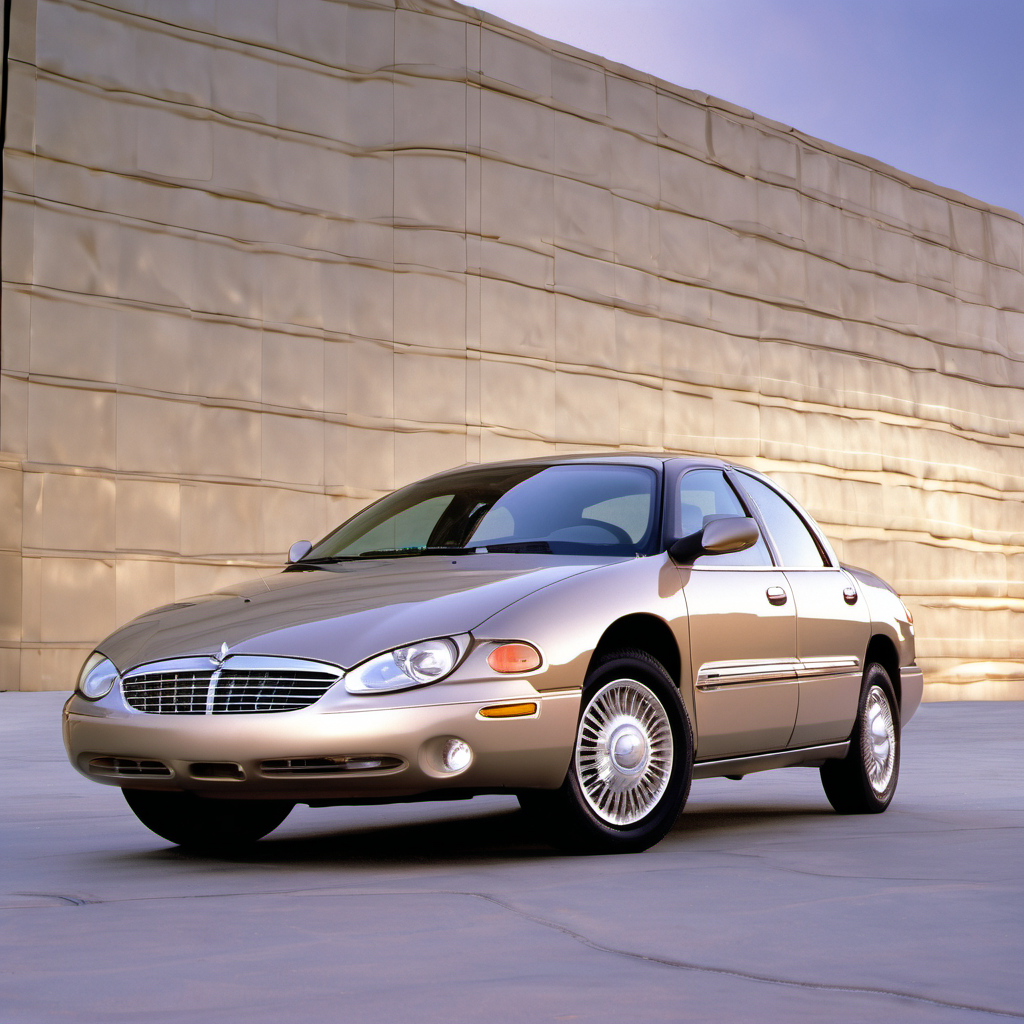
The 1998 Oldsmobile Intrigue was the first model year of GM's attempt to pull Oldsmobile back into the mid-size sedan fight against the Honda Accord and Toyota Camry. Built on the GM W-body platform shared with the Buick Regal and Pontiac Grand Prix, it replaced the aging Cutlass Supreme and brought a more European-influenced ride and a standard 3.8L V6. Early production 1998 models had some teething issues, particularly around the optional 3.5L DOHC engine (which was the base engine only briefly) and interior electronics — but the standard 3.8L cars were more straightforward. The Intrigue offered genuinely good road manners for a domestic FWD sedan of its era — it was quiet, comfortable, and reasonably quick. GM's 3800 Series II engine was one of the most proven powerplants in the American market at the time, with a long track record for durability. The interior was a step up from the Cutlass it replaced, though long-term plastics quality lagged behind the Japanese competition. By 2002 GM discontinued the entire Oldsmobile brand. That means parts supply is aging, dealer support is long gone, and any ownership today is enthusiast or budget territory. A well-maintained example can still be a reliable daily driver, but deferred maintenance cars can be money pits quickly.
The 1998 Oldsmobile Intrigue was the first model year of GM's attempt to pull Oldsmobile back into the mid-size sedan fight against the Honda Accord and Toyota Camry. Built on the GM W-body platform shared with the Buick Regal and Pontiac Grand Prix, it replaced the aging Cutlass Supreme and brought a more European-influenced ride and a standard 3.8L V6. Early production 1998 models had some teething issues, particularly around the optional 3.5L DOHC engine (which was the base engine only briefly) and interior electronics — but the standard 3.8L cars were more straightforward. The Intrigue offered genuinely good road manners for a domestic FWD sedan of its era — it was quiet, comfortable, and reasonably quick. GM's 3800 Series II engine was one of the most proven powerplants in the American market at the time, with a long track record for durability. The interior was a step up from the Cutlass it replaced, though long-term plastics quality lagged behind the Japanese competition. By 2002 GM discontinued the entire Oldsmobile brand. That means parts supply is aging, dealer support is long gone, and any ownership today is enthusiast or budget territory. A well-maintained example can still be a reliable daily driver, but deferred maintenance cars can be money pits quickly.
The 3800's Achilles heel is the intake manifold gasket, which is made worse by neglected coolant. GM's Dex-Cool coolant must be kept fresh and at the correct concentration. Old or low coolant accelerates gasket degradation and can warp the heads.
The 3800 is not hard on plugs, but worn plugs put extra stress on the ignition coil packs, which are a known failure item on this engine family. Fresh plugs and wires protect the coils.
The 4T65-E automatic is a solid unit but fluid breakdown leads to harsh shifts and solenoid wear. At this vehicle's age, fresh fluid is cheap insurance.
Belt tensioner failure can leave you stranded. On a car this age, replace the tensioner and idler pulley at the same time as the belt.
Moisture-saturated brake fluid lowers boiling point and corrodes ABS components. Wisconsin salt winters accelerate brake system corrosion.
Lake Geneva roads are heavily salted. Check subframe mounting points, brake lines, and fuel lines. Rust on brake lines is a safety issue and a common failure on Midwest W-body cars.
The 3800's PCV system is simple but a stuck valve can cause oil sludge buildup and seal failures. It's a cheap part and easy to access.
Cold cranking amps drop sharply in sub-zero temps. A battery that passes a summer load test can still fail at -10°F. Test in October, not January.
Always defer to the manufacturer's service manual for warranty-mandated intervals.
On a well-maintained car, annual costs are modest — the 3800 is not expensive to service and parts cross-reference to more common GM W-body vehicles. The risk is deferred maintenance: one intake manifold gasket job or a cooling system failure can run $500–800, and on a car worth $2,000–4,000, that stings. Budget for surprises, especially on the cooling system and suspension.
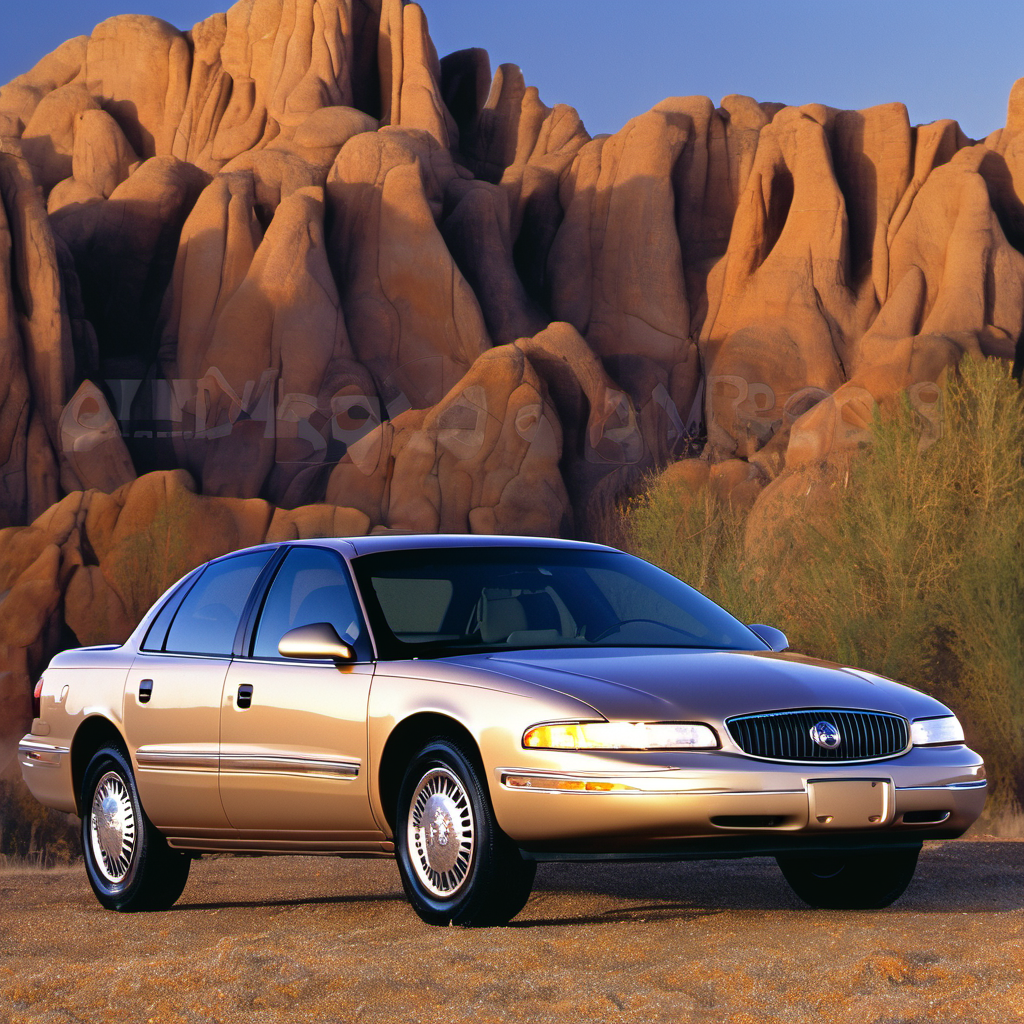
Shares the same W-body platform, 3800 Series II engine, and 4T65-E transmission almost part-for-part. The Regal GS adds a supercharger. Parts interchangeability makes it the closest alternative.
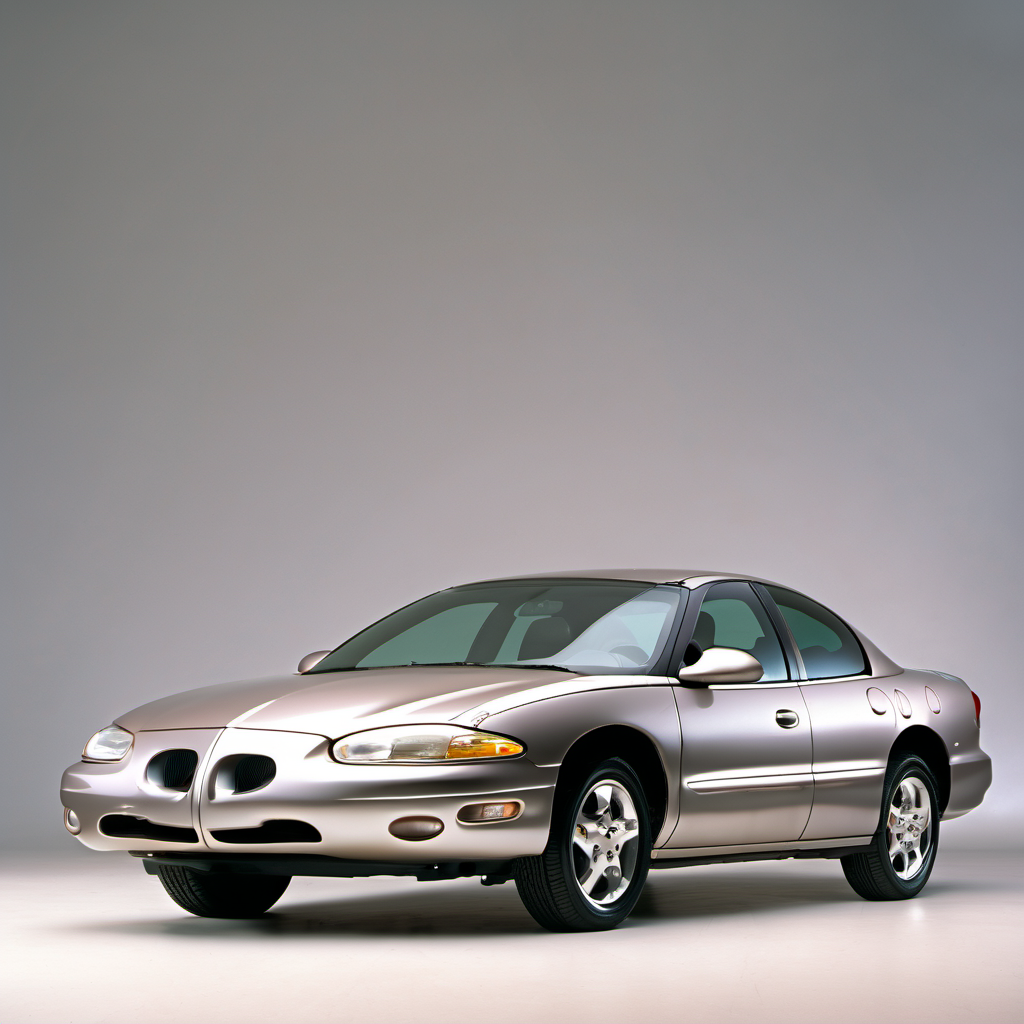
Another W-body stablemate with the same drivetrain. Sportier styling, similar reliability profile, and better parts availability since it sold in higher volumes.
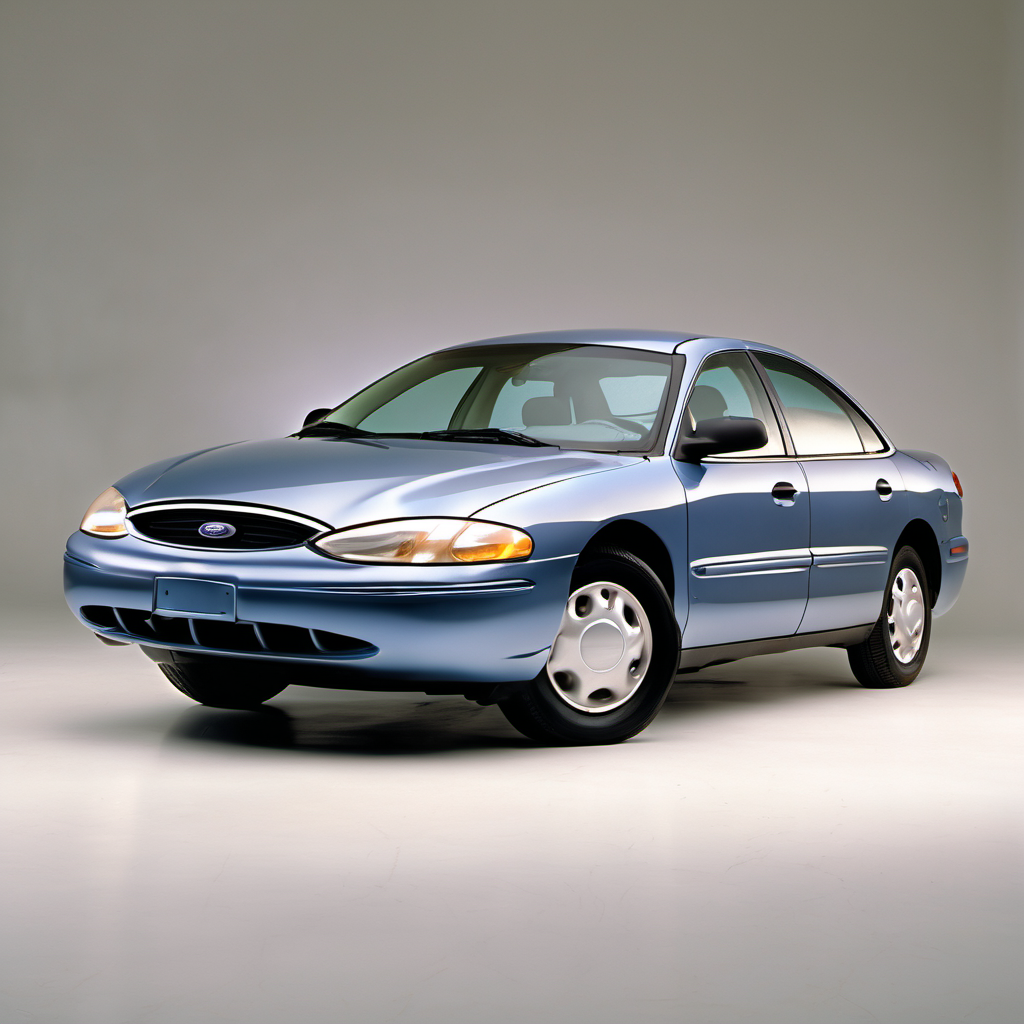
Direct competitor in the mid-size FWD sedan segment. The 3.0L Vulcan V6 Taurus is similarly durable; parts are more plentiful since Taurus had much higher sales volume.
Comparable size, price, and comfort focus. The LH-platform Concorde is a true highway cruiser but has its own set of aging electrical issues to watch.