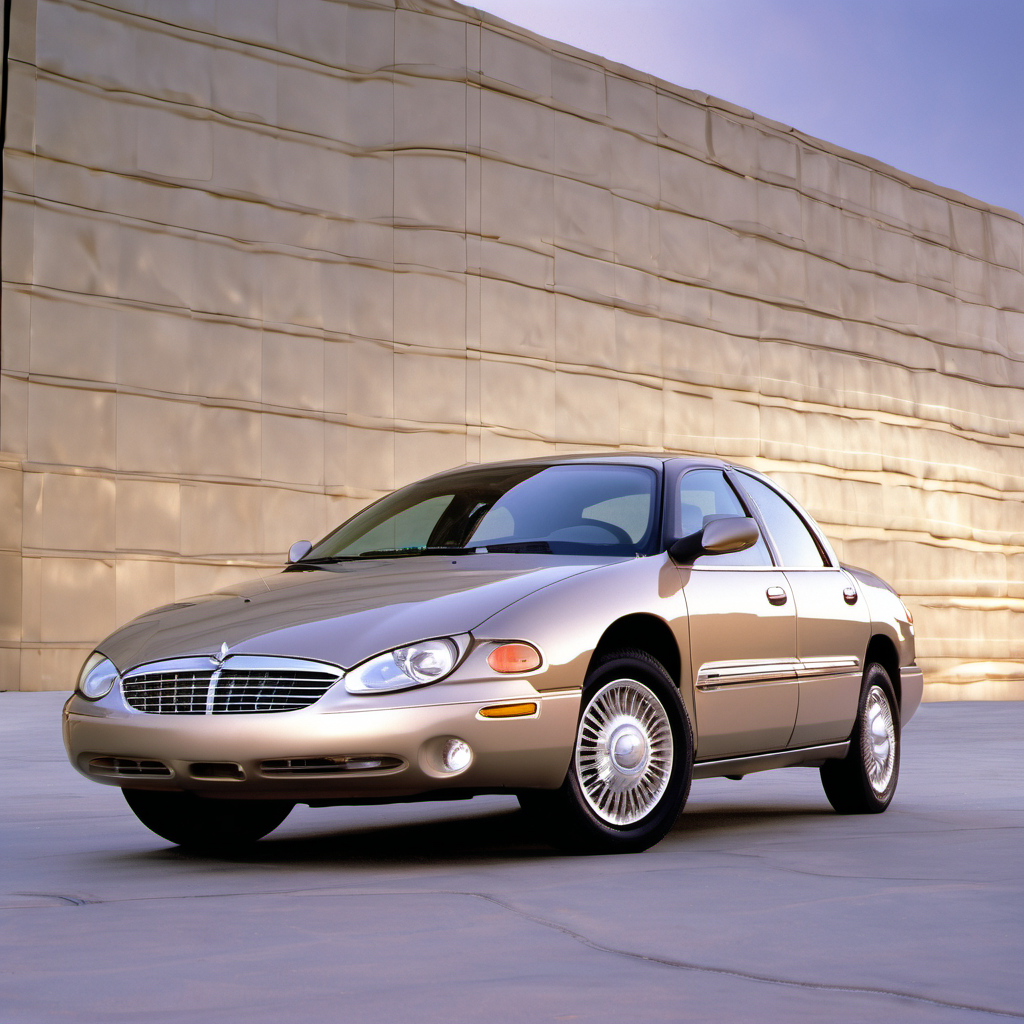
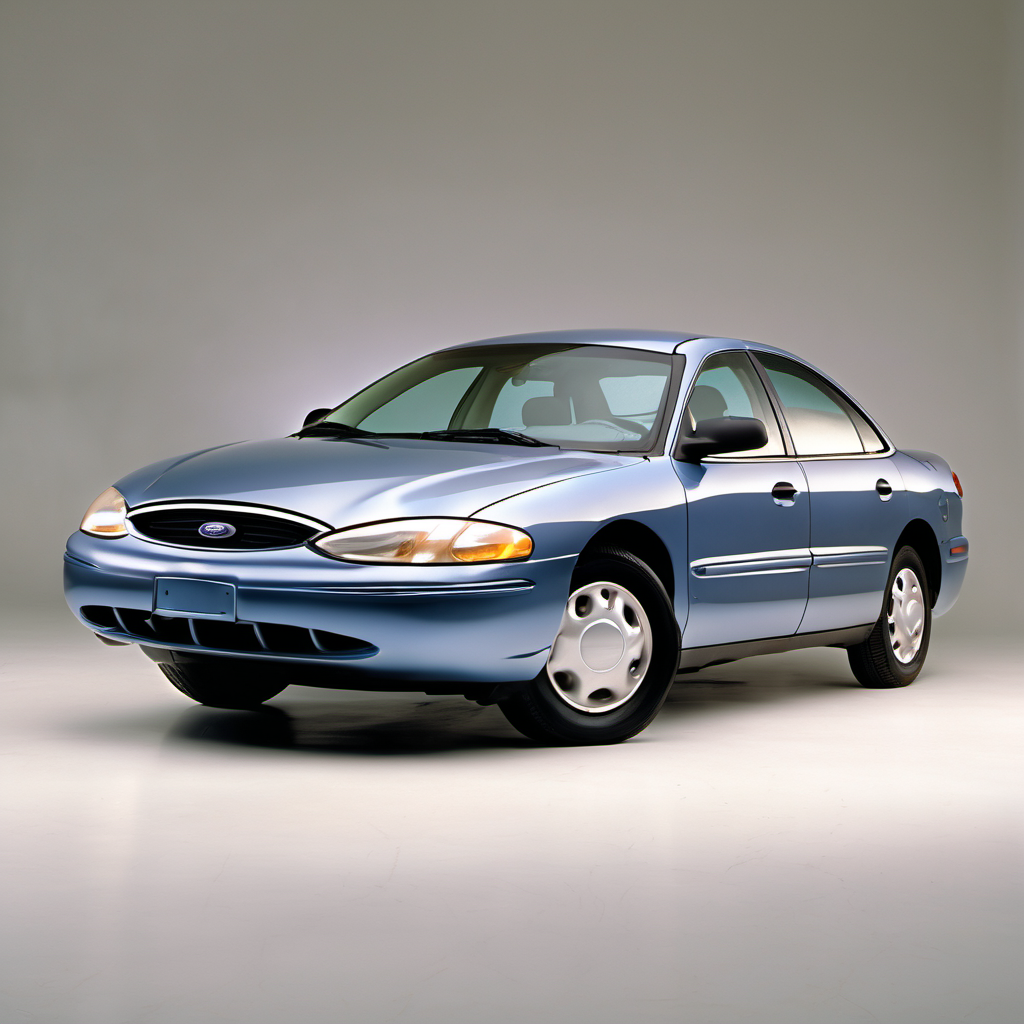
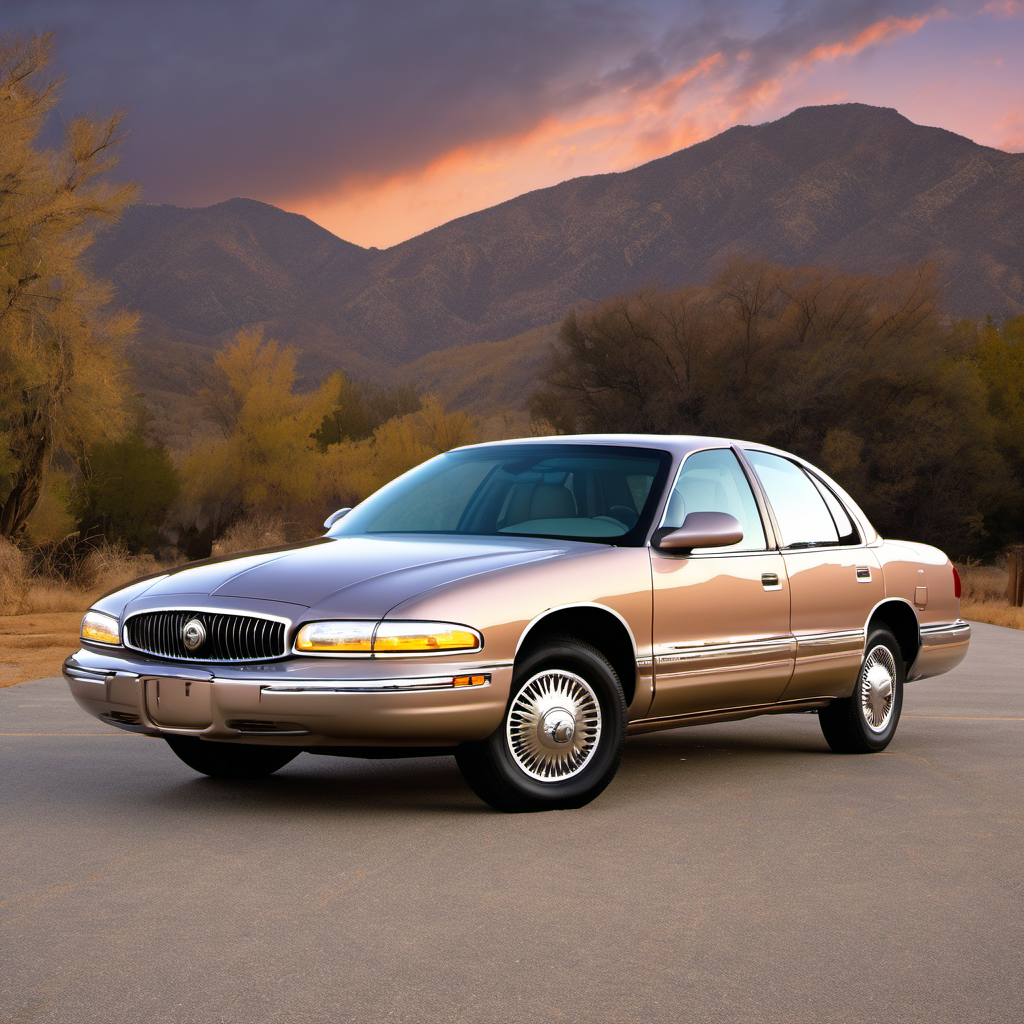
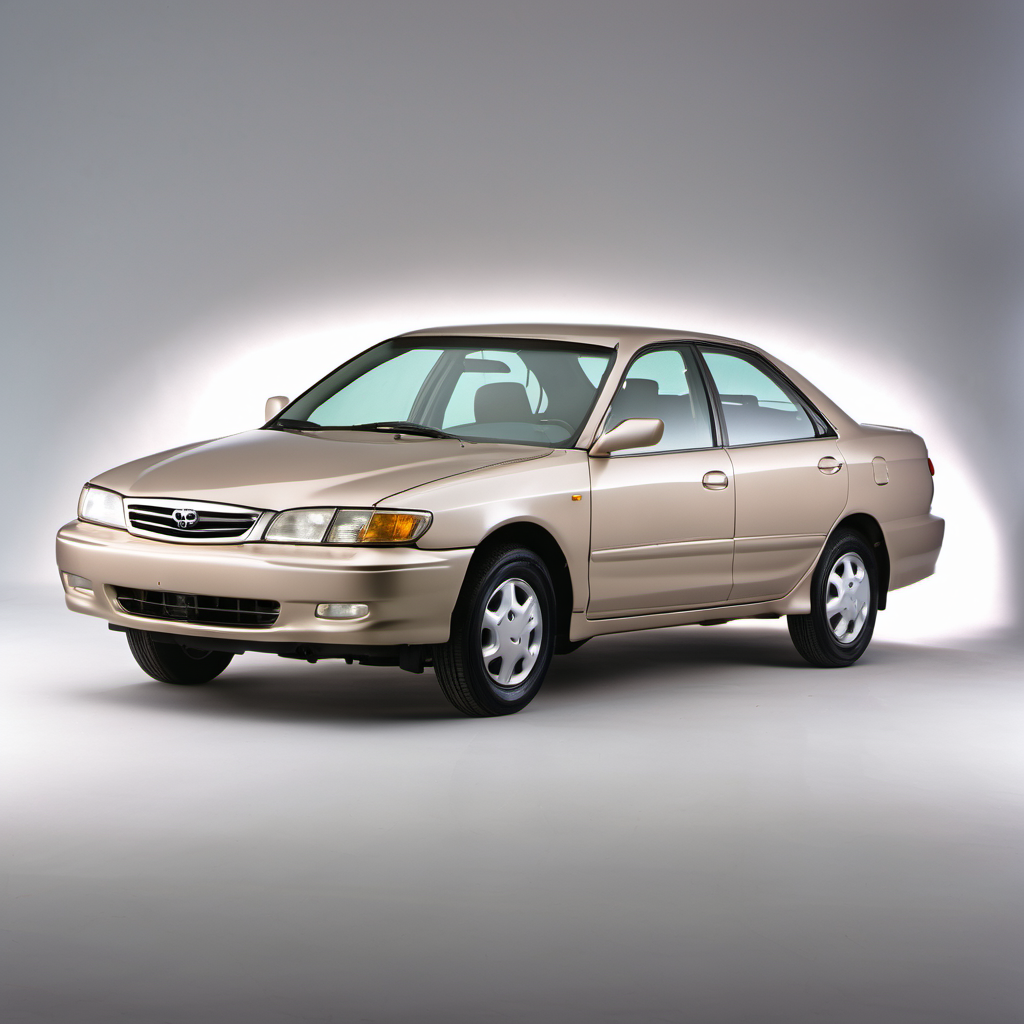
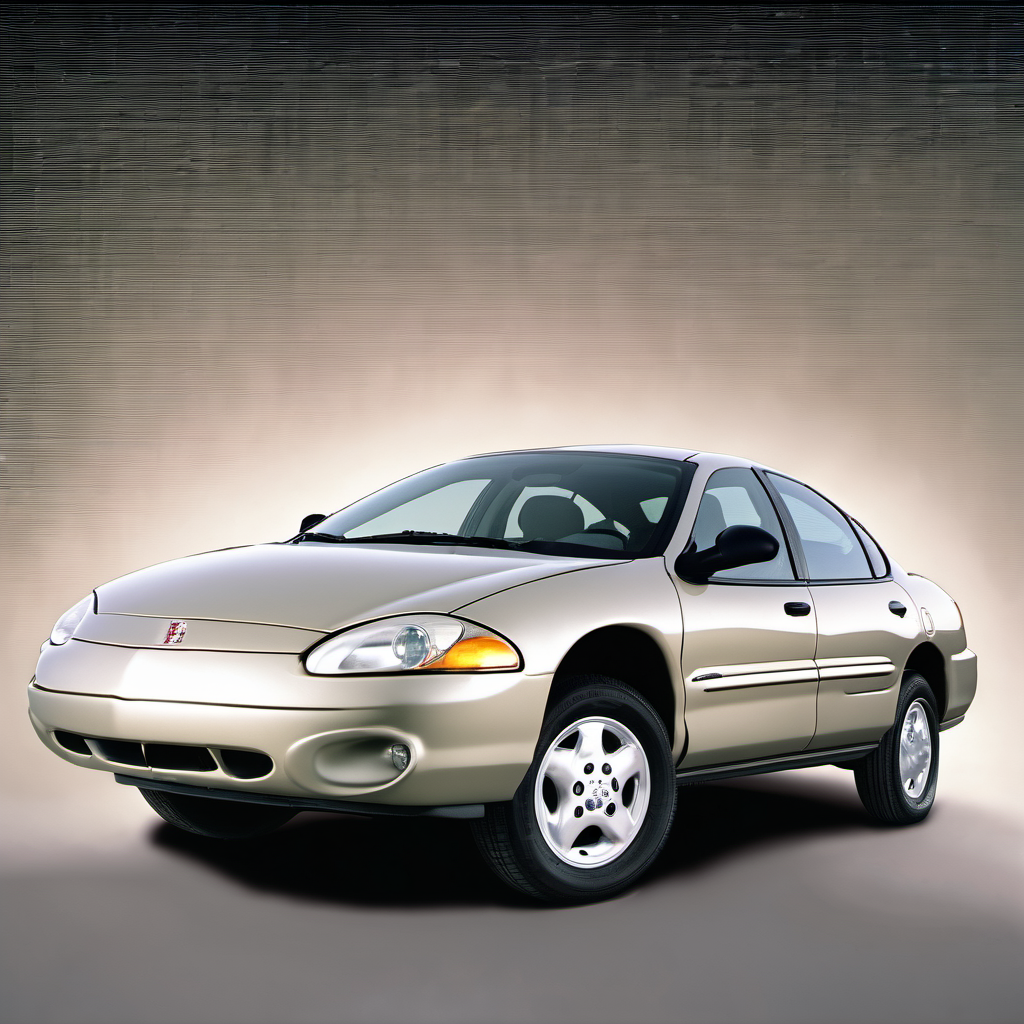
1998 Chrysler Concorde Sedan

1998 Chrysler

ConcordeSedan

Sedan

The 1998 Chrysler Concorde is a full-size front-wheel-drive sedan from Chrysler's LH platform, shared with the Dodge Intrepid and Eagle Vision. It was designed as an affordable American alternative to imports, offering a roomy cabin, a long hood, and cab-forward styling that maximized interior space. For its class and price, it delivered a smooth, compliant ride and a genuinely large interior. The base 2.7L V6 debuted with this generation and proved to be its biggest liability. The engine is known for sludging up when oil changes are delayed even slightly, leading to premature bearing and timing chain failures. This is not a minor quirk — it is the defining reliability issue of the 1998–2004 Concorde. Buyers must approach any used example with this in mind. At 26 years old, the Concorde is now firmly in budget or collector territory. Parts are getting scarce, independent mechanics who know the LH platform are fewer, and finding a clean, well-maintained example requires serious due diligence. It can still be a practical, comfortable car for the right owner who goes in with eyes open.

Reliability
2/5
Verified data
Specs shown for Concorde — the most common configuration. Other trims may vary in engine, drivetrain, or fuel economy. Sign in to see your vehicle's exact specs.
Engine
[object Object]
Drivetrain
FWD
Fuel
Gasoline
MPG
18 city / 28 hwy / 22 combined
Seats
Doors
Body
Large Cars

Overview

AI-curated

The 1998 Chrysler Concorde is a full-size front-wheel-drive sedan from Chrysler's LH platform, shared with the Dodge Intrepid and Eagle Vision. It was designed as an affordable American alternative to imports, offering a roomy cabin, a long hood, and cab-forward styling that maximized interior space. For its class and price, it delivered a smooth, compliant ride and a genuinely large interior. The base 2.7L V6 debuted with this generation and proved to be its biggest liability. The engine is known for sludging up when oil changes are delayed even slightly, leading to premature bearing and timing chain failures. This is not a minor quirk — it is the defining reliability issue of the 1998–2004 Concorde. Buyers must approach any used example with this in mind. At 26 years old, the Concorde is now firmly in budget or collector territory. Parts are getting scarce, independent mechanics who know the LH platform are fewer, and finding a clean, well-maintained example requires serious due diligence. It can still be a practical, comfortable car for the right owner who goes in with eyes open.

Known for
  • Spacious, comfortable interior for a domestic full-size sedan
  • Cab-forward styling — more room inside than the exterior suggests
  • Smooth highway ride on the LH platform
  • 2.7L V6 engine sludge and premature failure reputation
  • Affordable purchase price offset by potentially high repair costs
Best for
  • Budget-minded buyers who can verify a documented oil change history
  • Local around-town driving where repair shops are accessible
  • Owners comfortable doing their own maintenance
  • Buyers who prioritize interior space over long-term reliability
Watch for
  • 2.7L V6 oil sludge — the single biggest risk on this vehicle
  • Transmission wear on high-mileage examples (42LE unit)
  • Rust on underbody, frame rails, and wheel wells — especially salt-belt cars
  • Aging rubber seals, hoses, and gaskets on any 25+ year old example
  • Scarce parts availability for interior trim and electronics

Common issues by mileage

6 known

2.7L V6 Oil Sludge and Engine Failure

high
Typically appears
60–150k mi
Estimated repair
$2,500 – $6,500

Timing Chain and Guide Wear (sludge-related)

high
Typically appears
80–140k mi
Estimated repair
$1,200 – $3,500

42LE Automatic Transmission Slipping or Failure

medium
Typically appears
100–160k mi
Estimated repair
$1,800 – $3,800

Intake Manifold and Coolant Crossover Gasket Leaks

medium
Typically appears
70–120k mi
Estimated repair
$400 – $900

Oxygen Sensor Heater Circuit Failure

medium
Typically appears
80–130k mi
Estimated repair
$150 – $350

Underbody and Subframe Rust (salt-belt vehicles)

high
Typically appears
Any mileage — age-dependent
Estimated repair
$300 – $2,500

Maintenance schedule

  1. 1
    Every 3,000–4,000 miles — no exceptions on this engine Engine oil and filter change — full synthetic 5W-30

    The 2.7L V6 is extremely sensitive to oil degradation. Sludge builds rapidly with conventional oil or extended intervals. Full synthetic and strict short intervals are the primary defense against a catastrophic engine failure.

  2. 2
    Every 30,000 miles Transmission fluid service

    The 42LE transmission is prone to wear at high mileage. Fresh fluid extends clutch pack life significantly. Use only ATF+4 fluid as specified by Chrysler.

  3. 3
    Every 2 years or 30,000 miles Coolant flush and fill

    Aging coolant becomes acidic and attacks aluminum engine components and gaskets. On a 26-year-old vehicle, inspect the coolant crossover tube carefully — it is a common failure point.

  4. 4
    Every 30,000 miles Spark plug replacement

    Platinum plugs are standard; worn plugs cause misfires that stress the catalytic converter and can mask other engine problems on the 2.7L.

  5. 5
    Every 60,000 miles or at first sign of cracking Serpentine belt and tensioner inspection

    At this age, the belt, tensioner, and idler pulley are all at or past expected service life. A failed belt on the highway leaves you stranded and can cause accessory damage.

  6. 6
    Every fall before winter — annually Underbody rust inspection and treatment

    Wisconsin road salt aggressively attacks the Concorde's underbody, brake lines, and subframe. Catching surface rust early with a fluid film application is far cheaper than structural repairs.

  7. 7
    Annually — every fall Brake line inspection

    Steel brake lines on a 26-year-old salt-belt car are a serious safety concern. Inspect for rust, pitting, and soft spots at every opportunity.

  8. 8
    Every fall before winter Battery load test

    Cold-weather cranking demand on the 2.7L is hard on an aging battery. A battery that tests marginal in October will very likely fail in January in Lake Geneva.

Always defer to the manufacturer's service manual for warranty-mandated intervals.

Cost of ownership

Annual maintenance
$900 – $2,800
Fuel
At ~22 MPG combined and typical Wisconsin driving, expect roughly $1,500–$2,000/year in fuel at current Midwest gas prices.
Insurance
Insurance is typically low given the vehicle's age and value — expect $600–$1,000/year for basic coverage on a vehicle in this value range.

On paper the Concorde is cheap to own — low purchase price, inexpensive insurance, decent fuel economy for its size. The real risk is an unplanned engine or transmission repair. A single 2.7L engine replacement can cost more than the car is worth. Ownership economics only make sense if the engine's history is verified clean and oil changes are kept current without fail.
Seasonal care

Lake Geneva, WI
Winter
  • Load-test the battery every fall — cold starts on the 2.7L are demanding and a weak battery will fail fast in sub-zero temps.
  • Switch to full synthetic 5W-30 if not already running it — it flows better at cold startup and protects the sludge-prone 2.7L during the critical first seconds of cold cranking.
  • Inspect brake lines for rust before winter — Wisconsin salt will find any existing pinhole in a 26-year-old brake line.
  • Apply fluid film or undercoating to exposed underbody metal every fall to slow ongoing salt corrosion.
  • Use winter-rated washer fluid rated to at least -20°F — the Concorde's low hood line means a dirty windshield clears slowly.
  • Keep the fuel tank above half in extreme cold to reduce condensation in the fuel system and ensure pump cooling.
Summer
  • Check tire pressure monthly — pressure drops ~1 PSI per 10°F temperature change, and an already-low tire runs dangerously hot in summer.
  • Inspect the A/C system for refrigerant charge and compressor clutch operation — the A/C on a 26-year-old vehicle may have slow leaks that worsen in heat.
  • Check coolant level and condition before summer heat — a weakened 2.7L is more vulnerable to overheating, which accelerates sludge formation.
  • Inspect the serpentine belt for heat cracking — summer heat accelerates rubber degradation on an already-aged belt.

Comparable vehicles

If you're shopping for one

Red flags
  • Any engine tick, knock, or rattle on cold start — walk away.
  • Sludge visible on the oil cap or dipstick tube — engine is likely compromised.
  • No oil change records or receipts — the risk of hidden sludge damage is too high.
  • Visibly rusted or bulging brake lines on the underbody.
  • Transmission that slips, shudders, or hesitates between shifts.
  • Check engine light on — scan codes before purchase; P0012/P0015/P0022/P0025 are serious engine timing flags on this vehicle.
What to inspect
  • Pull all available oil change records — the 2.7L engine's entire fate hinges on interval history. No records is a red flag, not a minor gap.
  • Cold-start the engine and listen for lifter tick, timing chain rattle, or knock — sludged engines often rattle for 10–30 seconds on a cold start before oil reaches the top end.
  • Check the oil fill cap and dipstick for mayonnaise-like sludge residue — a sure sign of neglected oil or coolant contamination.
  • Inspect the underbody, wheel wells, and frame rails carefully for rust perforation — especially brake lines and fuel lines.
  • Have the transmission fluid checked for color and smell — dark brown or burnt-smelling fluid on a high-mileage 42LE means wear is advanced.
  • Check all door seals and trunk seals for cracking — water intrusion on a car this age leads to floor rust and electrical issues.
AI profile generated 1 day ago · claude-sonnet-4-6 · v2.