Intake Manifold Gasket Failure (Lower)
high- Typically appears
- 60–120k mi
- Estimated repair
- $400 – $750
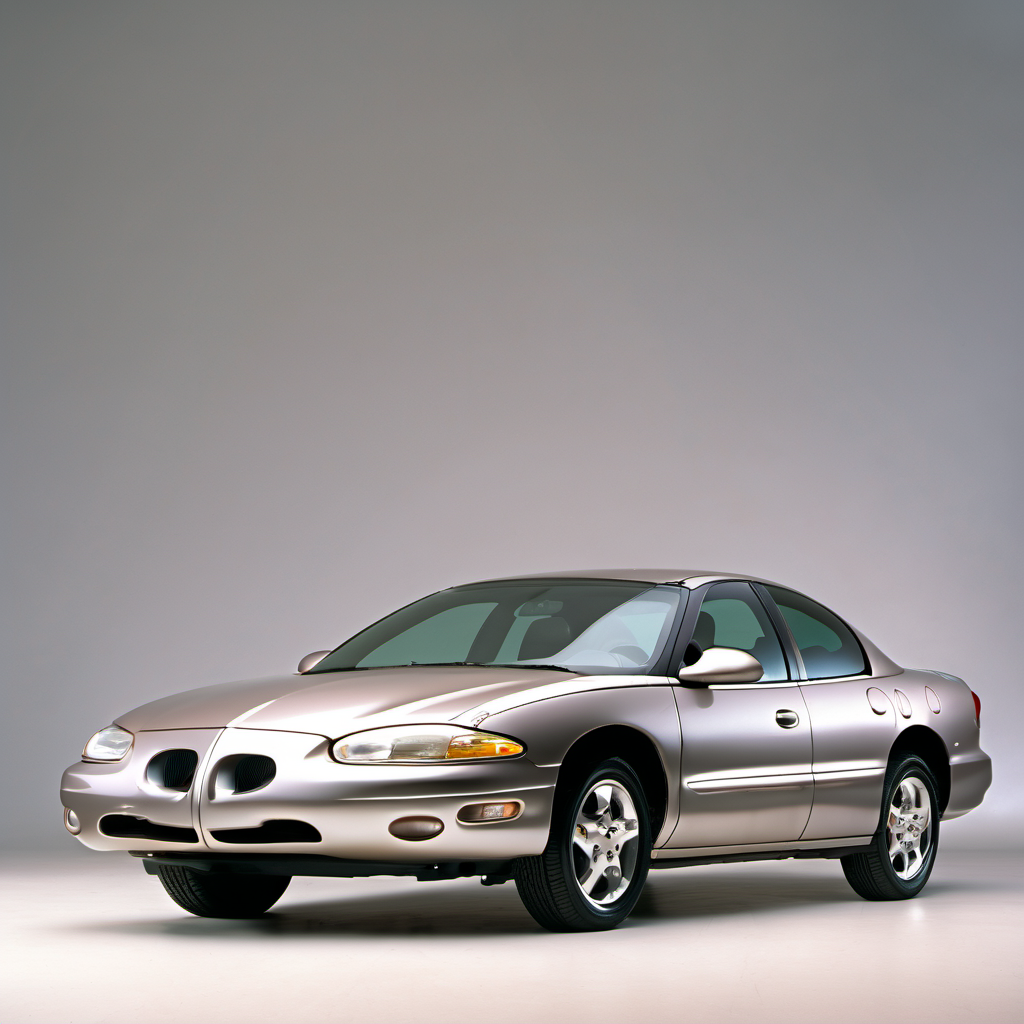
1998 Pontiac
Coupe
The 1998 Pontiac Grand Prix Coupe is a front-wheel-drive mid-size sport coupe built on GM's W-body platform, shared with the Buick Regal and Oldsmobile Intrigue. In its second year of the third-generation redesign, it offered a reasonably sporty character for the era — sharp styling, a comfortable interior, and available supercharged power — while keeping entry pricing affordable. The base 3.1L V6 is the bread-and-butter engine: smooth, adequate, and generally durable when properly maintained. By 1998 the Grand Prix had carved out a loyal following as an affordable American coupe that didn't feel like an appliance. It's not a performance car by modern standards, but the 3.1L models offer relaxed highway cruising and decent fuel economy for a V6 of the period. The W-body platform was well-sorted by this point, and most durability complaints trace back to deferred maintenance rather than fundamental design flaws. At 25+ years old, any surviving example is now a high-mileage used car. Parts remain cheap and widely available, independent shops can work on them easily, and the mechanical simplicity of the 3.1L makes DIY maintenance accessible. The bigger concerns are rust (especially on Wisconsin cars), aging rubber and plastic, and the track record of the 4T60-E transmission.
The 1998 Pontiac Grand Prix Coupe is a front-wheel-drive mid-size sport coupe built on GM's W-body platform, shared with the Buick Regal and Oldsmobile Intrigue. In its second year of the third-generation redesign, it offered a reasonably sporty character for the era — sharp styling, a comfortable interior, and available supercharged power — while keeping entry pricing affordable. The base 3.1L V6 is the bread-and-butter engine: smooth, adequate, and generally durable when properly maintained. By 1998 the Grand Prix had carved out a loyal following as an affordable American coupe that didn't feel like an appliance. It's not a performance car by modern standards, but the 3.1L models offer relaxed highway cruising and decent fuel economy for a V6 of the period. The W-body platform was well-sorted by this point, and most durability complaints trace back to deferred maintenance rather than fundamental design flaws. At 25+ years old, any surviving example is now a high-mileage used car. Parts remain cheap and widely available, independent shops can work on them easily, and the mechanical simplicity of the 3.1L makes DIY maintenance accessible. The bigger concerns are rust (especially on Wisconsin cars), aging rubber and plastic, and the track record of the 4T60-E transmission.
The 3.1L V6 is tolerant but sludge from extended intervals shortens lifespans significantly on this engine family. Use conventional or full-synthetic 5W-30.
The 4T60-E is sensitive to fluid condition. Dark or burnt-smelling fluid is a warning sign. Regular fluid changes are the single best way to extend this transmission's life.
Degraded coolant accelerates intake manifold gasket corrosion — the most expensive common repair on this engine. Use GM-spec Dex-Cool or equivalent and keep the system full.
Lower intake gasket failure is almost universal on the 3.1L. Signs include white smoke, coolant loss, or milky oil. Catching it early prevents engine damage.
Wisconsin road salt aggressively attacks the steel brake lines on W-body cars. A pinhole leak under hard braking is dangerous. Inspect the full length annually.
The 3.1L has rear bank plugs that are harder to access. Worn plugs cause misfires and increased fuel consumption. Wires crack in Wisconsin winters.
Belt failure leaves you stranded and can cause overheating within minutes. At this vehicle's age, inspect every oil change.
FWD cars wear front tires faster. Worn bushings on W-body cars can knock alignment out quickly, leading to uneven tire wear and handling pull.
Always defer to the manufacturer's service manual for warranty-mandated intervals.
Day-to-day running costs are low. Parts are cheap and widely available at any auto parts store or junkyard. The risk is deferred maintenance catching up all at once — transmission rebuilds, intake gaskets, and suspension work can combine into a $2,000–$4,000 repair bill on a car worth $1,500–$3,500. Budget maintenance religiously or be prepared to walk away.
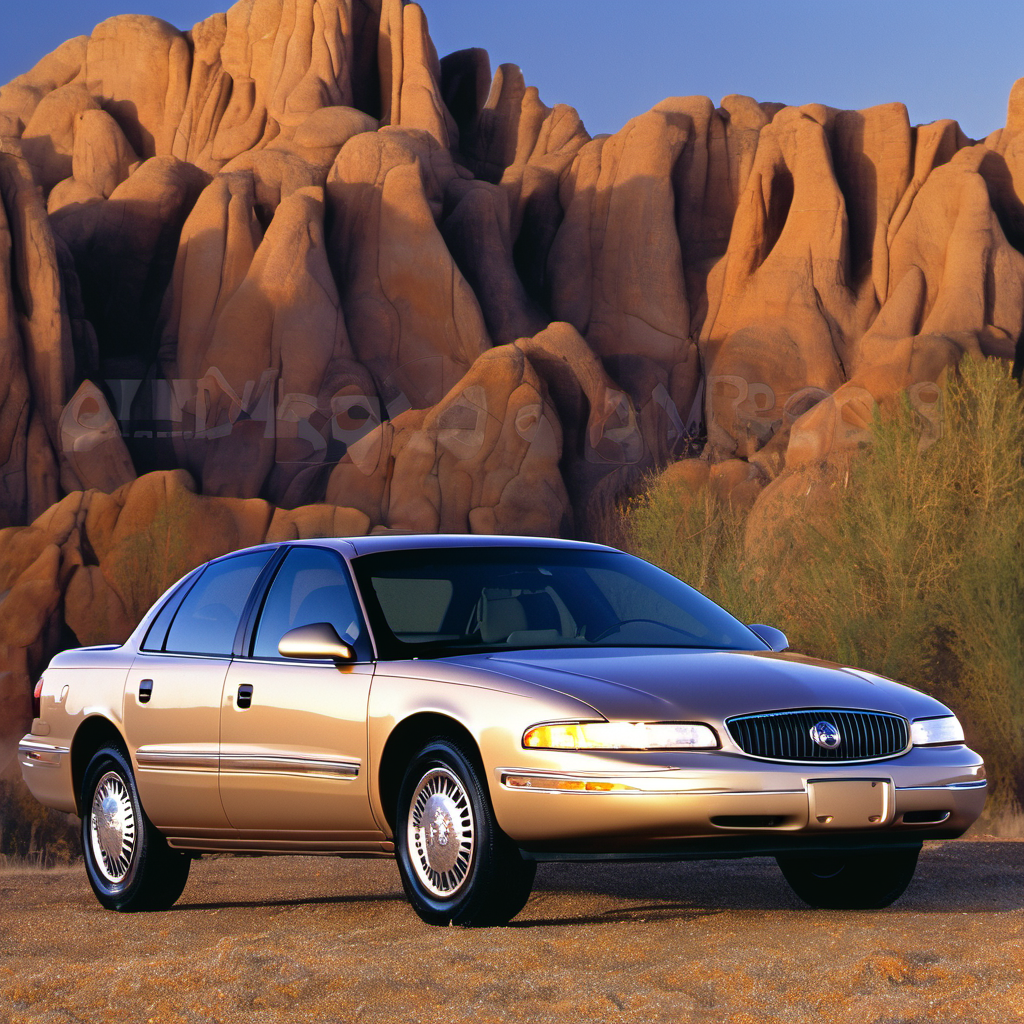
Shares the same W-body platform and 3.1L or 3.8L V6. More comfort-oriented trim, same basic mechanicals — parts are interchangeable, making it a good cross-shop.
Competing American FWD coupe of the era with V6 power and similar pricing. Fewer reliability concerns but a different ownership community.
No catalog match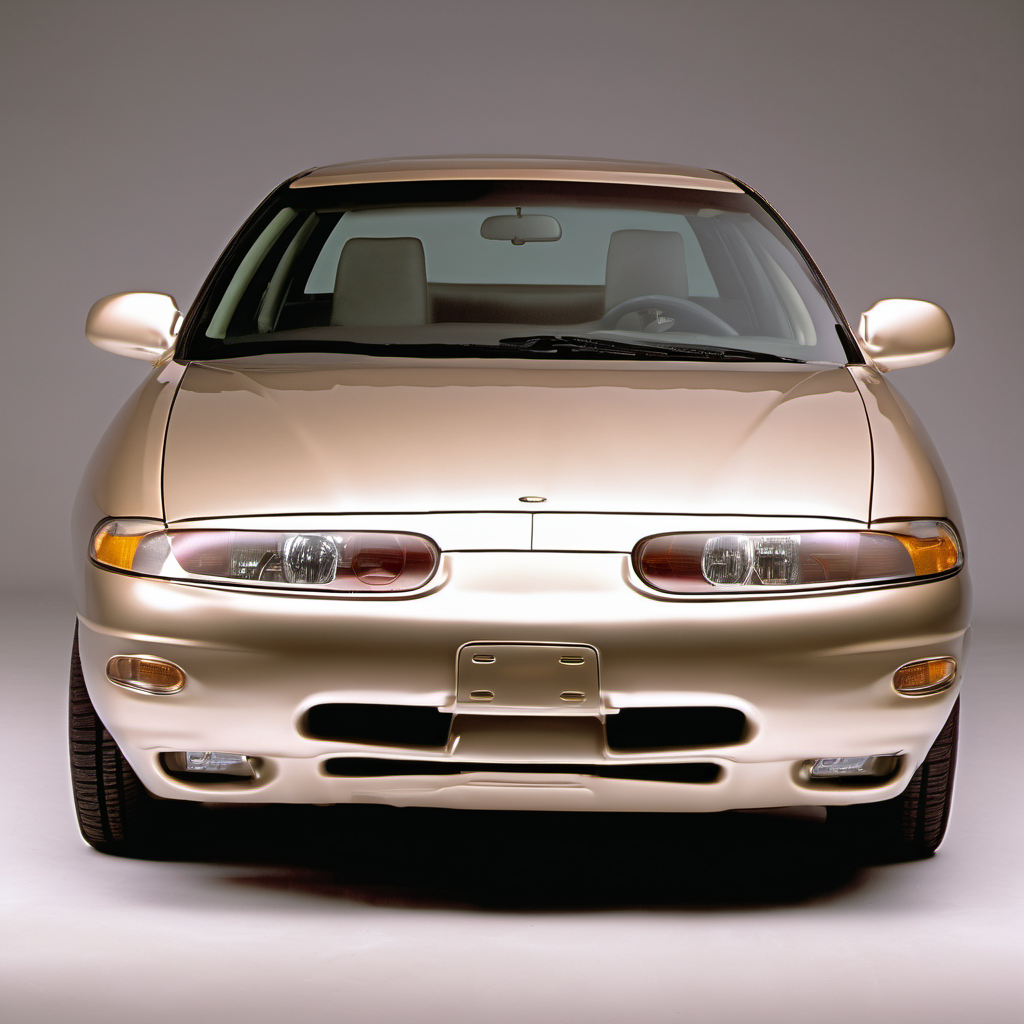
Same GM W-body platform, same era, slightly more upscale positioning. Strong parts overlap with the Grand Prix makes it an easy comparison.
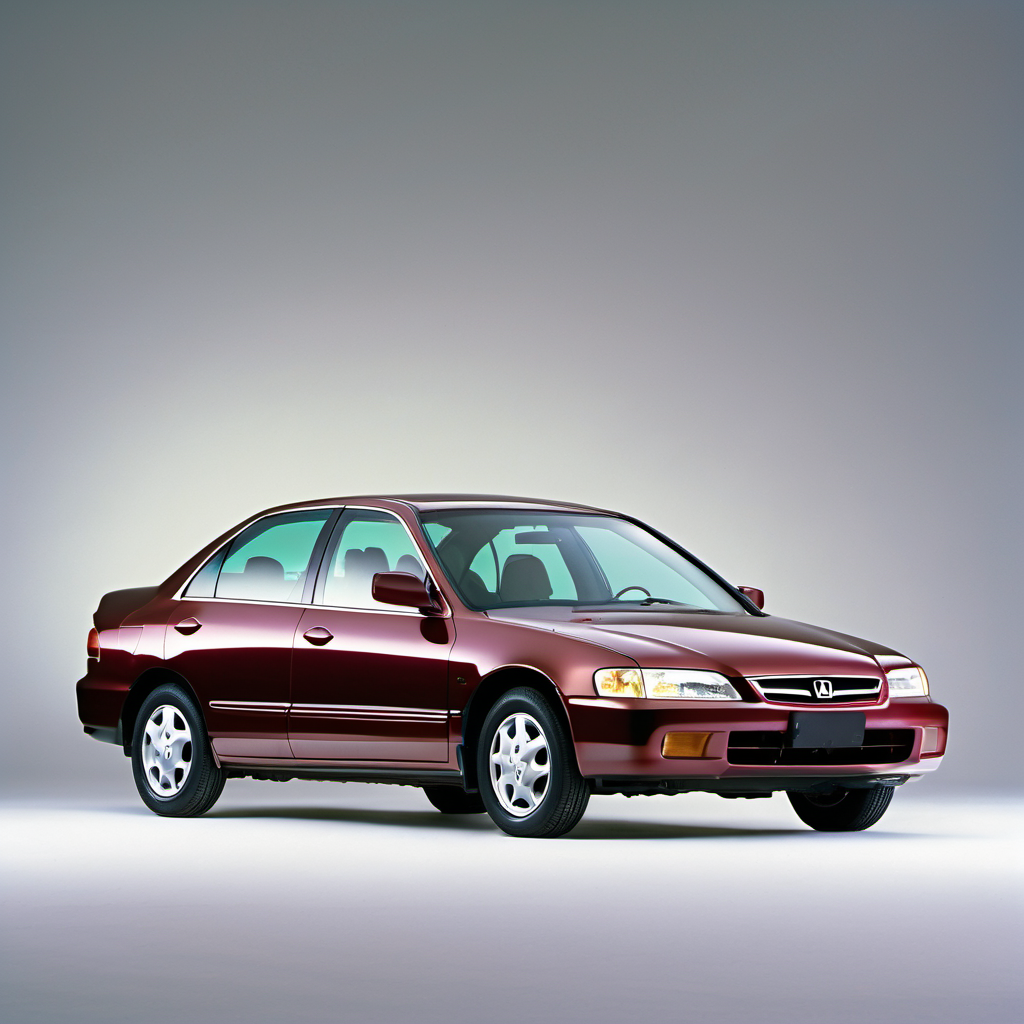
Dominant mid-size competitor of the period. More reliable long-term but pricier to buy used in equivalent condition. Worth considering if longevity is the priority.