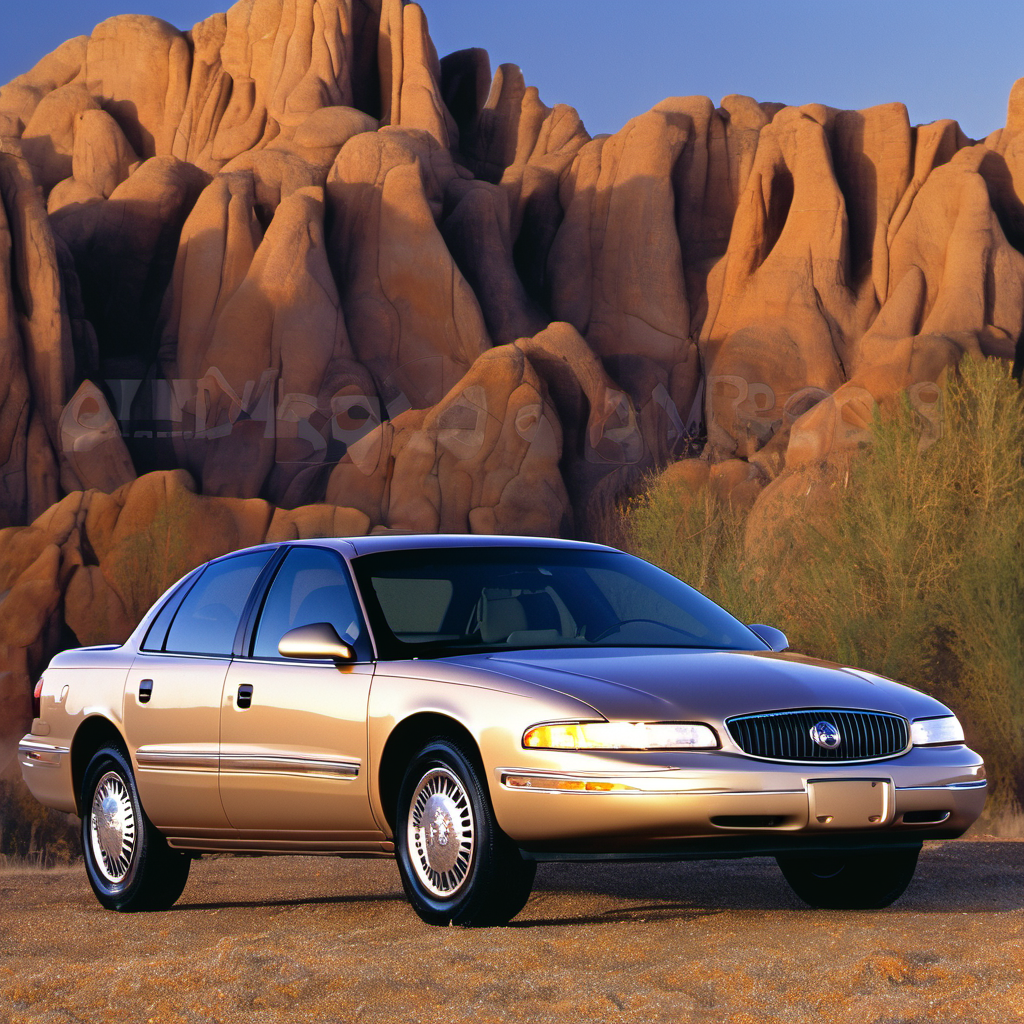
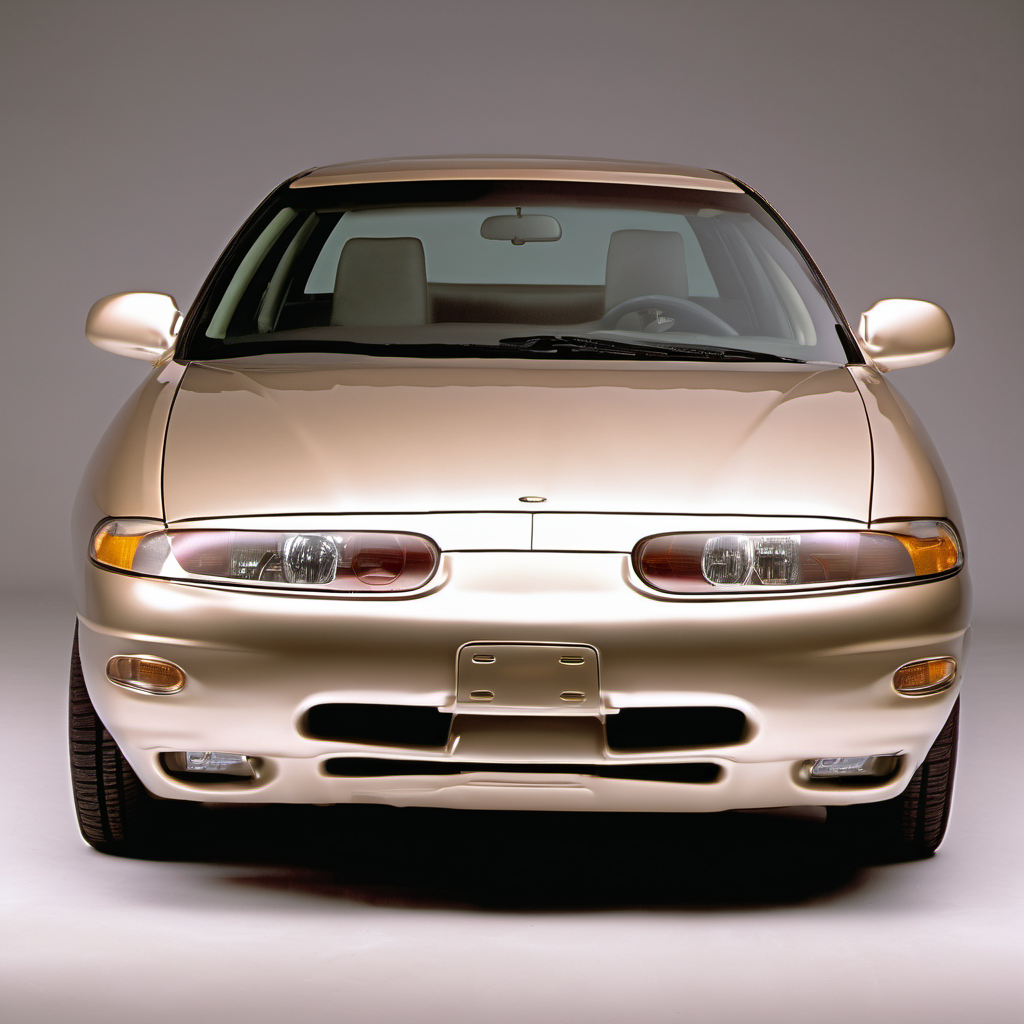
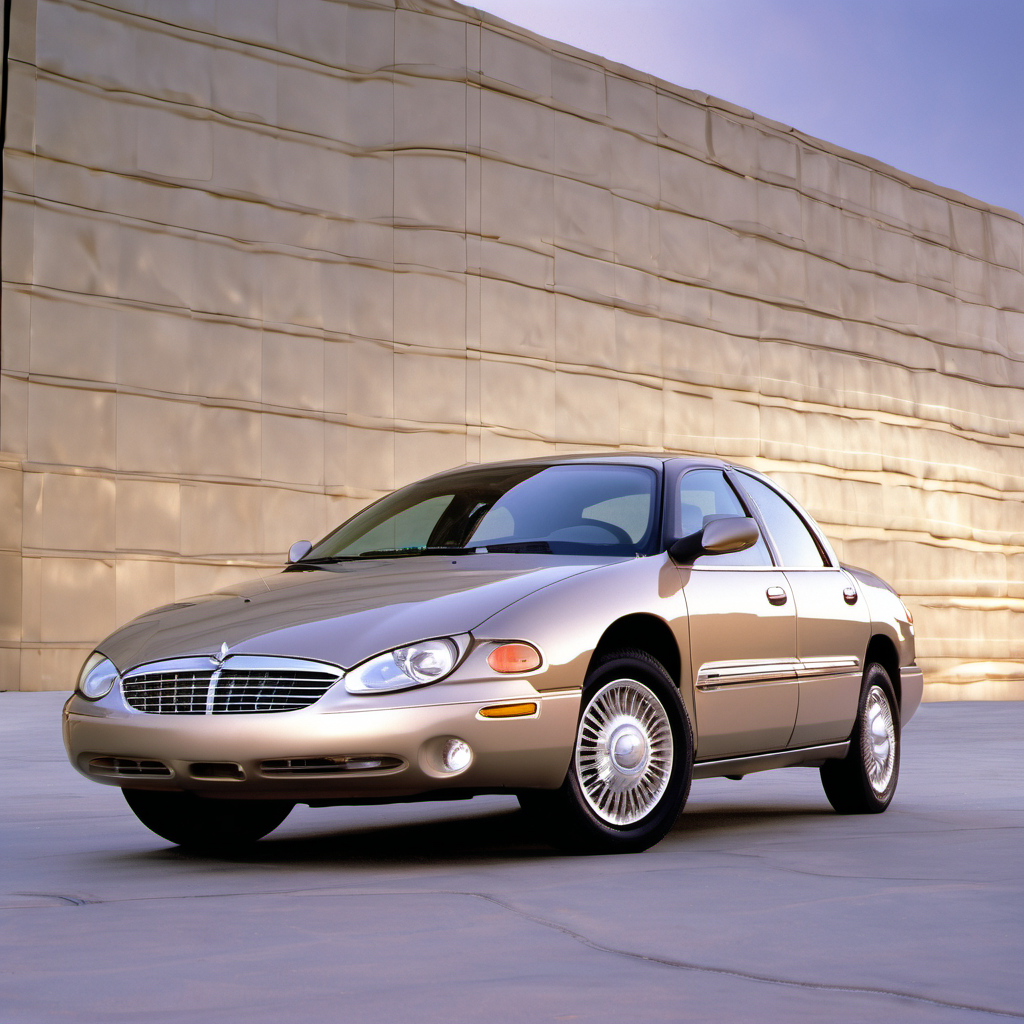
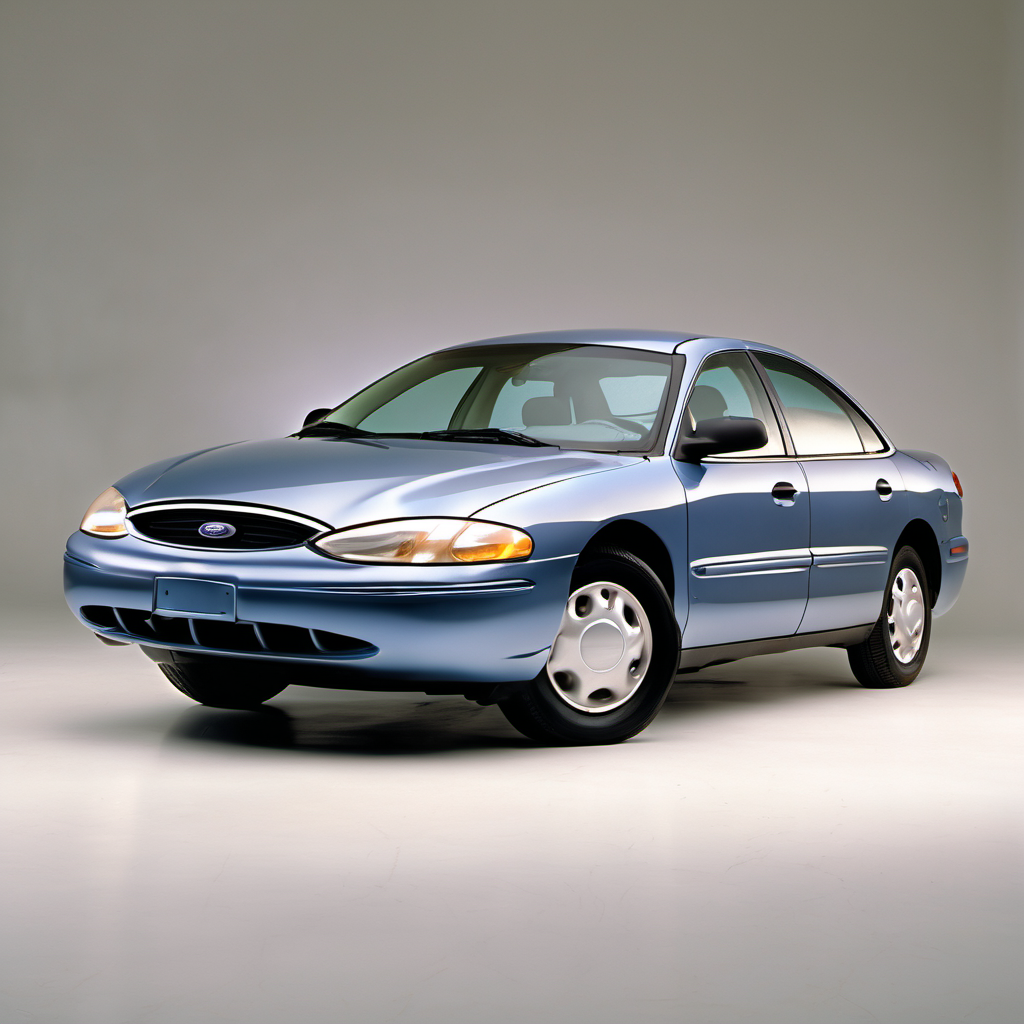
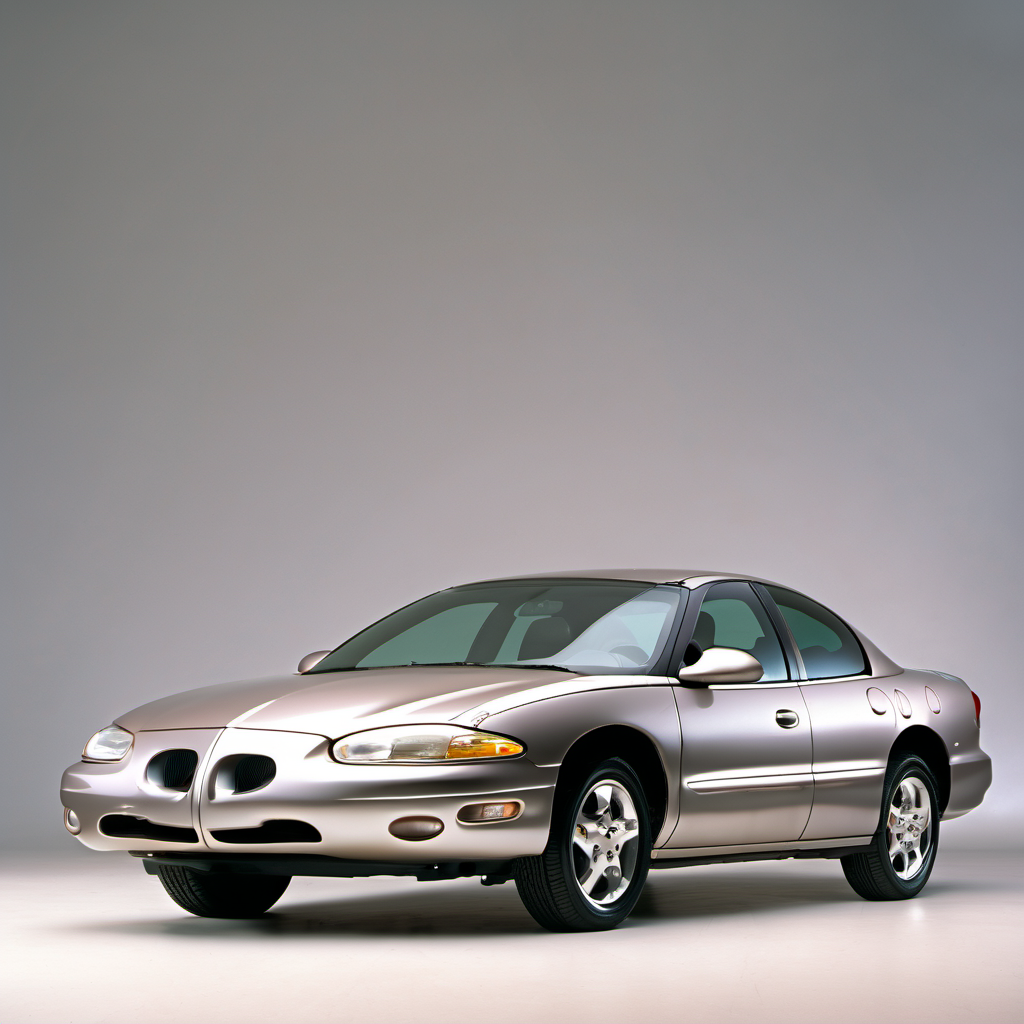
1998 Buick Regal Sedan

1998 Buick

RegalSedan

Sedan

The 1998 Buick Regal is a mid-size front-wheel-drive sedan built on GM's W-body platform, shared with the Pontiac Grand Prix, Oldsmobile Intrigue, and Chevrolet Lumina. It came standard with GM's legendary 3800 Series II V6 — one of the most durable and well-regarded American engines of its era — mated to a 4-speed automatic. Two flavors were offered: the GS (with a supercharged 3800) and the LS (naturally aspirated). Both deliver a comfortable, quiet ride with a distinctly American feel. The Regal punched above its class in refinement for the late '90s. The cabin is roomy for a mid-size, the ride is smooth, and highway cruising is relaxed and quiet. It was positioned as an affordable near-luxury alternative and appealed to buyers who wanted more polish than a Lumina without stepping up to a Cadillac. At 25+ years old, these cars are now deep in used-car territory. Survivors in Wisconsin face particular scrutiny due to road salt exposure. A clean, rust-free example with a solid 3800 can still deliver reliable service, but rust and deferred maintenance are the real enemies at this age.

Reliability
3/5
Verified data
Specs shown for Regal — the most common configuration. Other trims may vary in engine, drivetrain, or fuel economy. Sign in to see your vehicle's exact specs.
Engine
[object Object]
Drivetrain
FWD
Fuel
Gasoline
MPG
17 city / 27 hwy / 21 combined
Seats
Doors
Body
Midsize Cars

Overview

AI-curated

The 1998 Buick Regal is a mid-size front-wheel-drive sedan built on GM's W-body platform, shared with the Pontiac Grand Prix, Oldsmobile Intrigue, and Chevrolet Lumina. It came standard with GM's legendary 3800 Series II V6 — one of the most durable and well-regarded American engines of its era — mated to a 4-speed automatic. Two flavors were offered: the GS (with a supercharged 3800) and the LS (naturally aspirated). Both deliver a comfortable, quiet ride with a distinctly American feel. The Regal punched above its class in refinement for the late '90s. The cabin is roomy for a mid-size, the ride is smooth, and highway cruising is relaxed and quiet. It was positioned as an affordable near-luxury alternative and appealed to buyers who wanted more polish than a Lumina without stepping up to a Cadillac. At 25+ years old, these cars are now deep in used-car territory. Survivors in Wisconsin face particular scrutiny due to road salt exposure. A clean, rust-free example with a solid 3800 can still deliver reliable service, but rust and deferred maintenance are the real enemies at this age.

Known for
  • Bulletproof 3800 Series II V6 engine with exceptional longevity
  • Smooth, compliant highway ride
  • Affordable near-luxury feel for its era
  • Available supercharged GS trim with strong performance
Best for
  • Budget-conscious buyers wanting a comfortable highway cruiser
  • DIY mechanics — the 3800 is well-documented and parts are cheap
  • Low-mileage daily driving in a relaxed, roomy sedan
Watch for
  • Intake manifold gasket failure — a known 3800 weak point
  • Heavy rust on subframes, floor pans, and brake lines from Wisconsin salt
  • Aged rubber: coolant hoses, CV axle boots, and suspension bushings
  • Deteriorating plastic interior trim common at this age

Common issues by mileage

6 known

Intake Manifold Gasket Failure (Lower)

high
Typically appears
60–120k mi
Estimated repair
$350 – $650

Upper Intake Plenum Crossover Leak (Coolant Loss)

high
Typically appears
80–150k mi
Estimated repair
$150 – $350

Front CV Axle Shaft Failure / Torn Boot

medium
Typically appears
80–150k mi
Estimated repair
$150 – $350

4T65-E Transmission Shift Flare / Slipping (Neglected Fluid)

medium
Typically appears
100–160k mi
Estimated repair
$200 – $1,800

Front Strut and Strut Mount Wear

medium
Typically appears
80–130k mi
Estimated repair
$300 – $600

Oxygen Sensor Heater Circuit Fault

medium
Typically appears
80–150k mi
Estimated repair
$100 – $250

Maintenance schedule

  1. 1
    Every 5,000 miles or 6 months Engine oil and filter change

    The 3800 rewards clean oil. Extended intervals accelerate sludge buildup and risk intake gasket leaks running longer.

  2. 2
    Every 2 years or 30,000 miles Coolant system inspection and flush

    Degraded coolant is the primary cause of intake manifold gasket failure on the 3800. Use GM's Dex-Cool specification and keep the system full.

  3. 3
    Every 30,000–45,000 miles Transmission fluid change (4T65-E)

    These transmissions last well with fresh fluid; neglected fluid is the leading cause of early failure. Use Dexron VI.

  4. 4
    Annually or at every oil change Inspect intake manifold gaskets for external seepage

    Look for orange-brown coolant staining around the lower intake. Catching it early is a $400 job; missing it can turn into an engine.

  5. 5
    Annually Inspect CV axle boots

    Torn boots allow grease loss and grit entry, destroying the joint. At this vehicle's age, boots are commonly cracked or split.

  6. 6
    Every 2–3 years Brake fluid flush

    Moisture-absorbed brake fluid lowers boiling point and accelerates internal corrosion in calipers and wheel cylinders — especially important with Wisconsin winter salt exposure.

  7. 7
    Every fall before winter Inspect and clean battery terminals

    Cold Wisconsin winters are hard on batteries. Corroded terminals compound voltage drop. Test battery load capacity before November.

  8. 8
    Every 30,000 miles Inspect spark plugs and plug wires

    The 3800's rear bank plugs are awkward to reach. Worn plugs and cracked wires cause misfires and put stress on the coil pack.

Always defer to the manufacturer's service manual for warranty-mandated intervals.

Cost of ownership

Annual maintenance
$400 – $900
Fuel
At 21 MPG combined and ~12,000 miles/year, expect roughly $1,500–$1,800/year at current Wisconsin gas prices. Highway-heavy driving improves this noticeably.
Insurance
Liability-only coverage on a vehicle this age typically runs $400–$700/year in the Lake Geneva area. Full coverage rarely pencils out at current market values.

The 1998 Regal is one of the cheaper vehicles to maintain when it's healthy — the 3800 uses inexpensive, widely available parts and independent shops know it well. The risk is deferred maintenance: the intake gaskets, transmission service, and brake line rust are the budget landmines. A well-maintained example costs very little to keep on the road; a neglected one can surprise you with $1,500–$3,000 in catch-up repairs.
Seasonal care

Lake Geneva, WI
Winter
  • Load-test the battery every October — cold-cranking amps drop sharply below 0°F and this car's age makes battery failure a real risk
  • Switch to a full-synthetic 5W-30 if not already using one — it flows far better on sub-zero starts and protects the 3800 during cold cranking
  • Fill washer fluid reservoir with a rated -20°F or lower winter formula — summer fluid will freeze solid in the lines
  • Inspect rubber brake lines and steel brake lines under the car for rust/corrosion before winter; Lake Geneva roads are heavily salted
  • Rinse the undercarriage weekly or after heavy salt events — the W-body subframe and floor pan are known rust locations on aging examples
  • Check antifreeze concentration with a tester — ensure protection to at least -34°F
Summer
  • Inspect the A/C system for refrigerant level and compressor clutch engagement — the system likely has R-134a and seals can dry out on a car this age
  • Check tire pressure monthly — summer heat causes pressure to rise roughly 1 PSI per 10°F increase; over-inflation accelerates center-tread wear
  • Monitor coolant temperature closely on hot days — a marginal thermostat or weak coolant mix can push the 3800 toward overheating, which accelerates gasket failure
  • Inspect the serpentine belt and tensioner — heat accelerates belt cracking and a snapped belt leaves you stranded

Comparable vehicles

If you're shopping for one

Red flags
  • Milky or foamy oil — coolant contamination means the intake gaskets have already failed, possibly for a long time
  • Any visible rust perforation on the floor pan, rear wheel wells, or subframe mounting points — these can be structurally unsafe and are expensive to fix properly
  • Rough idle or misfire with no recent tune-up — may indicate worn coil packs, plug wires, or deeper issues
  • Transmission that slips between 1st–2nd or surges on the highway — rebuild cost can exceed the car's value
  • No maintenance records and high mileage — on a 25-year-old car, unknown service history is a serious risk, not just a minor concern
What to inspect
  • Look under the car for rust on the subframe, floor pan, and especially the brake lines — these are the real deal-killers on Wisconsin cars this age
  • Check the oil dipstick and underside of the oil fill cap for milky residue — this signals coolant in the oil from a failed intake manifold gasket
  • Look for orange-brown staining around the lower intake manifold seam on the engine sides
  • Inspect CV axle boots for cracking or grease sling marks on the inner fender
  • Test the transmission through all gears including manual hold positions — note any slipping, flaring, or harsh engagement
  • Ask for any maintenance records, especially coolant system service and transmission fluid changes
AI profile generated 8 days ago · claude-sonnet-4-6 · v2.