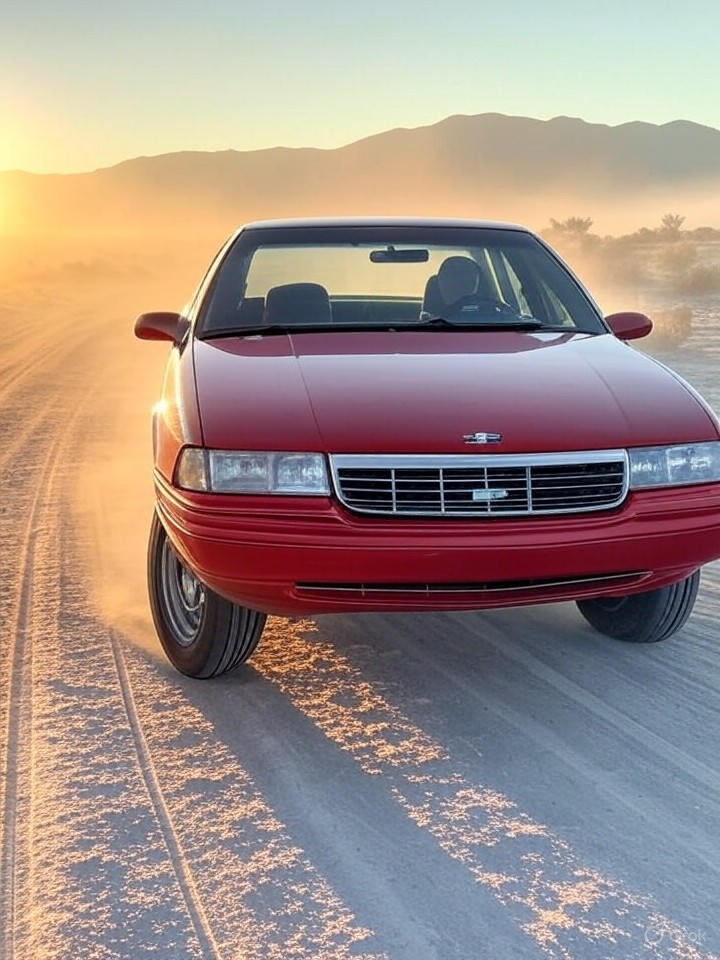
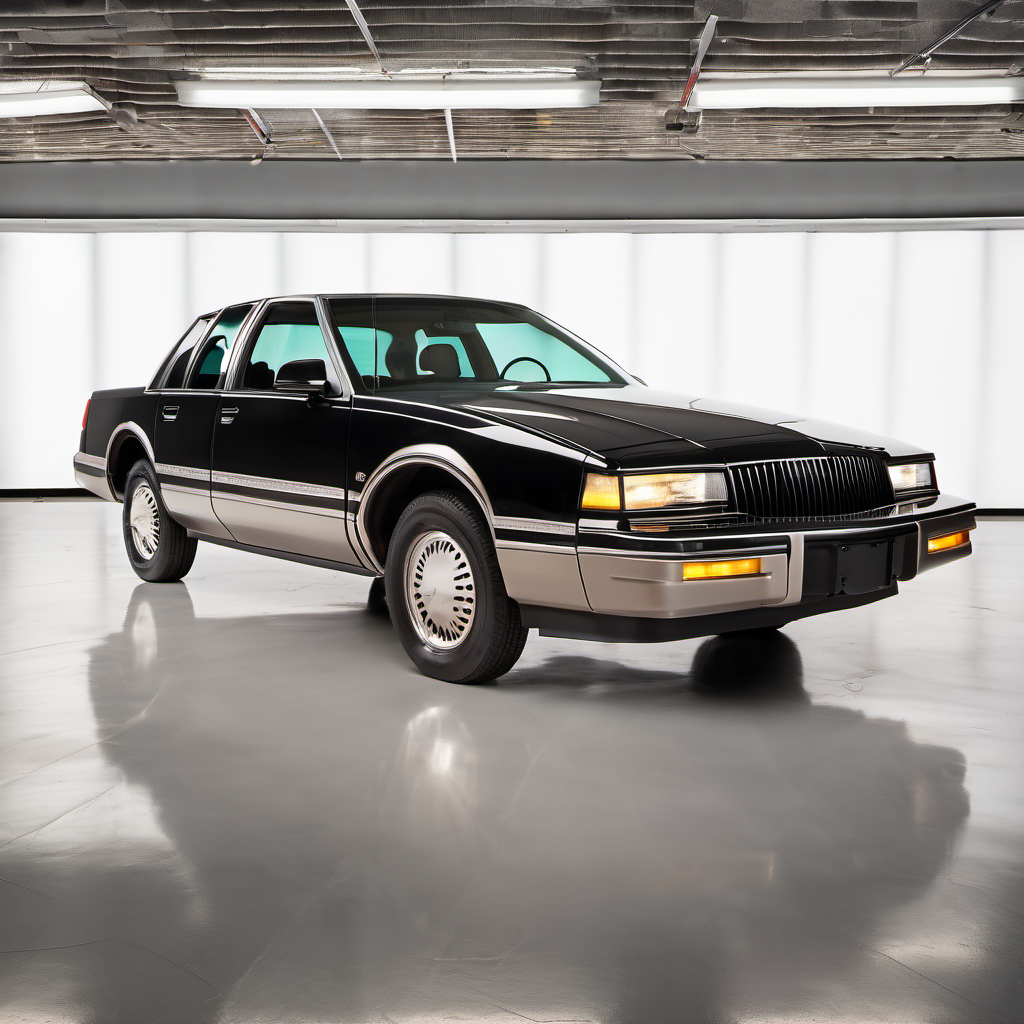
1992 Oldsmobile Cutlass Supreme Sedan

1992 Oldsmobile

Cutlass SupremeSedan

Sedan

The 1992 Oldsmobile Cutlass Supreme Sedan is a front-wheel-drive mid-size car built on GM's W-body platform, shared with the Pontiac Grand Prix, Buick Regal, and Chevrolet Lumina. By 1992 it was in its fourth model year of the W-body generation and represented a reasonably modern, aerodynamic step forward from the boxy Cutlass of the 1980s. Powered by GM's 3.1L V6, this is a comfortable, unpretentious family sedan. It was never a performance car, but it offered a smooth ride, a roomy interior, and decent fuel economy for its era. Parts remain widely available through the aftermarket thanks to the shared W-body architecture. At 30-plus years old, any surviving Cutlass Supreme is now firmly in budget/project-car territory. Rust is the dominant concern in the upper Midwest — far more so than any mechanical issue. Budget accordingly for underbody inspection and expect to find deferred maintenance on most examples.

Reliability
2/5
Verified data
Specs shown for Cutlass Supreme — the most common configuration. Other trims may vary in engine, drivetrain, or fuel economy. Sign in to see your vehicle's exact specs.
Engine
[object Object]
Drivetrain
FWD
Fuel
Gasoline
MPG
17 city / 24 hwy / 20 combined
Seats
Doors
Body
Midsize Cars

Overview

AI-curated

The 1992 Oldsmobile Cutlass Supreme Sedan is a front-wheel-drive mid-size car built on GM's W-body platform, shared with the Pontiac Grand Prix, Buick Regal, and Chevrolet Lumina. By 1992 it was in its fourth model year of the W-body generation and represented a reasonably modern, aerodynamic step forward from the boxy Cutlass of the 1980s. Powered by GM's 3.1L V6, this is a comfortable, unpretentious family sedan. It was never a performance car, but it offered a smooth ride, a roomy interior, and decent fuel economy for its era. Parts remain widely available through the aftermarket thanks to the shared W-body architecture. At 30-plus years old, any surviving Cutlass Supreme is now firmly in budget/project-car territory. Rust is the dominant concern in the upper Midwest — far more so than any mechanical issue. Budget accordingly for underbody inspection and expect to find deferred maintenance on most examples.

Known for
  • Smooth, comfortable ride on GM's W-body platform
  • Widely shared parts with Lumina, Regal, and Grand Prix
  • 3.1L V6 that's durable when properly maintained
  • Good cabin space for a mid-size sedan of its era
Best for
  • Budget-conscious drivers who can do basic maintenance
  • Someone needing inexpensive, simple transportation
  • Classic/collector interest in early-90s GM sedans
Watch for
  • Heavy rust on underbody, subframe, and wheel wells — a Wisconsin dealbreaker
  • Intake manifold gasket failure on the 3.1L V6
  • Aging rubber: hoses, belts, seals, and bushings are all 30+ years old
  • Electrical gremlins from deteriorated wiring and connectors
  • Coolant leaks that can quietly damage the engine if ignored

Common issues by mileage

6 known

Intake Manifold Gasket Failure

high
Typically appears
60–150k mi
Estimated repair
$350 – $650

Lower Intake Coolant Leak / Overheating

high
Typically appears
70k+ mi
Estimated repair
$400 – $700

Underbody and Subframe Rust

high
Typically appears
All mileages (age-related)
Estimated repair
$200 – $2,500

Power Steering Rack Leak or Failure

medium
Typically appears
80–150k mi
Estimated repair
$300 – $600

Deteriorated Coolant Hoses, Belts, and Seals

high
Typically appears
All mileages (age-related — 30+ years)
Estimated repair
$150 – $500

Maintenance schedule

  1. 1
    Immediate — inspect before purchase or first season Full underbody rust inspection

    Wisconsin road salt accelerates frame and subframe corrosion. Structural rust can make the car unsafe and economically unrepairable. This is the first thing to check on any 30-year-old upper Midwest car.

  2. 2
    Immediately / at purchase Flush and replace all coolant; pressure-test cooling system

    Old, acidic coolant attacks the intake manifold gaskets on the 3.1L V6. Fresh coolant and a pressure test will catch leaks before they cause engine damage.

  3. 3
    Immediately / at purchase Replace all coolant hoses, serpentine belt, and any cracked vacuum lines

    Original rubber components are 30+ years old. A burst hose or snapped belt can strand you or cause an overheat. Replacement is cheap insurance.

  4. 4
    Every 3,000–5,000 mi Engine oil and filter change

    The 3.1L V6 rewards frequent oil changes. At this age, sludge buildup from extended intervals accelerates wear on seals and the timing chain tensioner.

  5. 5
    Every 2 years or at purchase Brake fluid flush

    Brake fluid absorbs moisture over time, lowering its boiling point and corroding brake hardware from the inside out — an especially common problem on older, infrequently serviced vehicles.

  6. 6
    Every fall (before first freeze) Test battery and charging system; replace battery if over 4 years old

    Cold-cranking amps drop sharply in sub-zero Wisconsin temps. A borderline battery that starts fine in September will often fail in January.

  7. 7
    Every fall Switch to winter-rated washer fluid rated to at least -20°F

    Standard washer fluid freezes in the lines and on the windshield. Wisconsin winters require fluid rated well below zero.

  8. 8
    Every 30,000 mi or 2 years Inspect and service front CV axles and boots

    FWD CV boots crack with age and cold temperatures. A torn boot lets grease escape and lets grit in — leading to a failed CV joint that can leave you stranded.

Always defer to the manufacturer's service manual for warranty-mandated intervals.

Cost of ownership

Annual maintenance
$600 – $1,800
Fuel
At roughly 20 MPG combined and typical Wisconsin driving, expect $1,200–$1,800/year in fuel at current gas prices depending on annual mileage.
Insurance
Liability-only insurance on a vehicle this old typically runs $400–$700/year in Wisconsin, depending on your driving record and insurer. Comprehensive/collision rarely makes financial sense given the car's low market value.

Acquisition cost is very low — this car is worth $1,000–$3,000 in the current market depending on condition. Annual maintenance costs are moderate but unpredictable: a well-sorted example with fresh hoses, belts, and gaskets might need only routine oil changes; a neglected one can surprise you with $1,500+ in catch-up work in the first year. Budget a contingency fund for intake manifold gaskets and cooling system work.
Seasonal care

Lake Geneva, WI
Winter
  • Test the battery before first freeze — cold-cranking amps drop dramatically below 0°F and a weak battery will not start a 3.1L V6 in a Wisconsin January.
  • Switch to washer fluid rated to -20°F or colder; the reservoir and lines can freeze and crack with standard fluid.
  • Inspect the block heater (if equipped) and use it on nights below 0°F to reduce cold-start wear and improve morning startability.
  • Check tire pressure weekly — pressure drops roughly 1 PSI for every 10°F temperature drop, and underinflated tires reduce traction on ice.
  • Apply fresh grease to door hinges and latches before winter; old lube stiffens in the cold and door-seizing is common on 30-year-old cars.
  • Inspect underbody and wheel wells before winter and after the season ends — road salt accelerates rust aggressively and catching new corrosion early saves money.
Summer
  • Inspect the A/C system — the refrigerant is the older R-134a, and seals on a 30-year-old system commonly leak. Recharging without fixing the leak is only a temporary fix.
  • Check coolant level and condition frequently in summer; the 3.1L runs warm and a marginal cooling system will show its weakness in July heat.
  • Monitor tire pressure — hot pavement increases pressure; overinflation in summer reduces contact patch and braking performance.
  • Inspect the serpentine belt for cracking or glazing before summer road trips; heat accelerates rubber degradation on an already-aged belt.

Comparable vehicles

If you're shopping for one

Red flags
  • Any visible rust perforation on the floor, rocker panels, or subframe mounting points — structural rust can make the car unsafe and uneconomical to fix.
  • Milky or discolored oil on the dipstick — coolant in the oil means the intake manifold gasket has failed and possibly engine damage is underway.
  • A sweet smell from the vents or visible white exhaust smoke at operating temperature — signs of a coolant leak into the combustion chamber.
  • A check-engine light with no explanation from the seller — on a car this old it likely means deferred maintenance or a known problem being hidden.
  • Evidence of flood damage: musty smell, water stains on carpets, or corrosion on the underside of the dash.
  • A car that has sat undriven for more than a year — long-term storage causes rubber seals to dry out, fuel system issues, and brake caliper seizure.
What to inspect
  • Put the car on a lift and inspect the subframe, floor pans, and rear wheel wells for rust — this is the single most important check on any Wisconsin car this age.
  • Pressure-test the cooling system; a 3.1L with a leaking intake manifold gasket will show coolant in the oil (milky dipstick) or a slow loss of coolant with no visible external leak.
  • Pull the oil dipstick and check for a milky or frothy appearance, which indicates coolant contamination from a leaking intake gasket.
  • Start the engine cold and listen for a rough idle or misfire that clears as it warms up — a sign of a failing or already-failed intake manifold gasket.
  • Inspect all coolant hoses, the serpentine belt, and vacuum lines for cracking, softness, or swelling.
  • Test all power accessories (windows, locks, mirrors) — electrical gremlins are common on cars this age and can be disproportionately expensive to trace.
  • Check the CV axle boots for cracking or grease slinging on the inner wheel wells.
AI profile generated 1 hr ago · claude-sonnet-4-6 · v2.