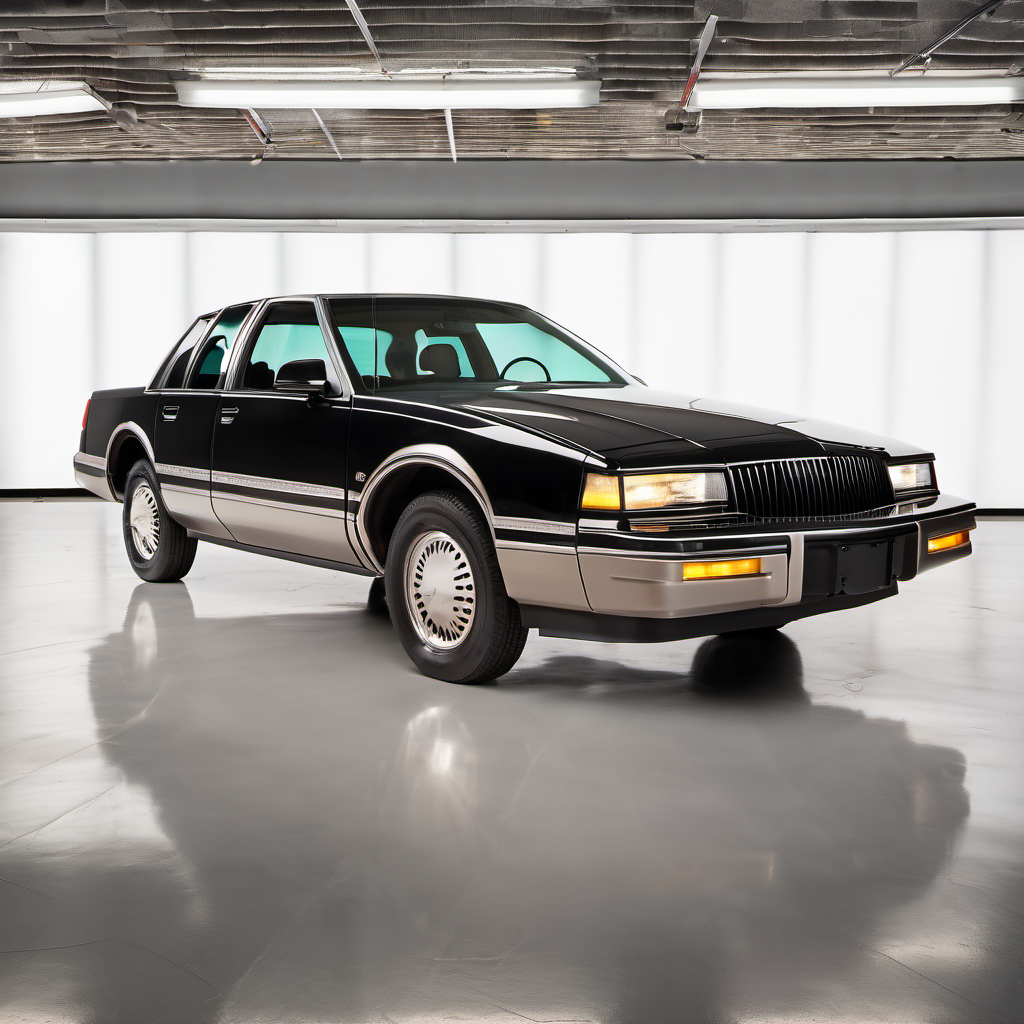
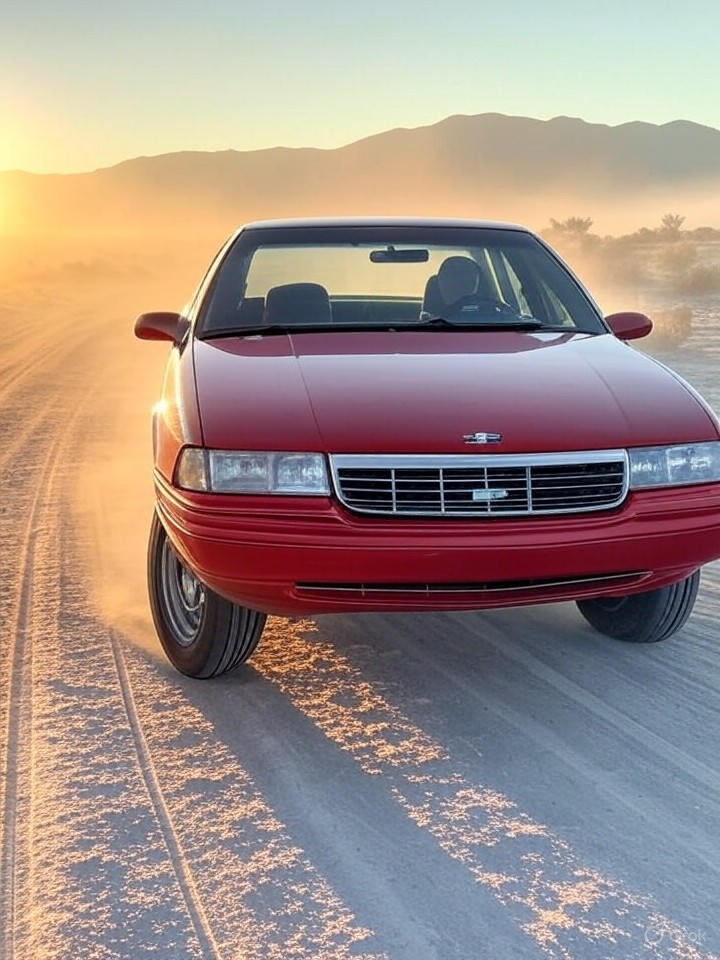
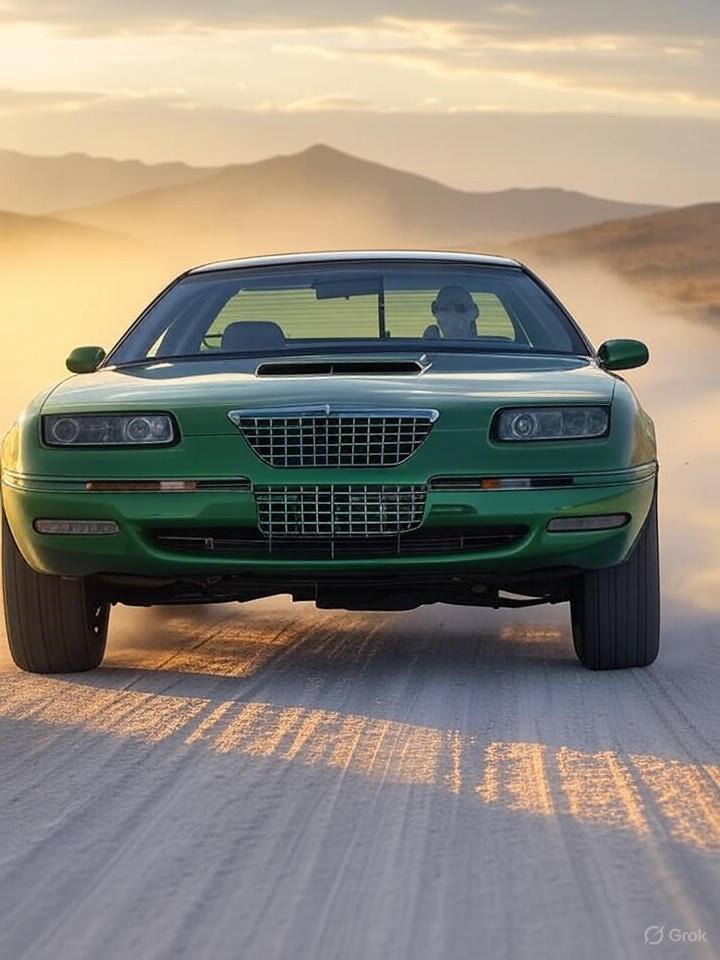
1992 Buick Regal Coupe

1992 Buick

RegalCoupe

Coupe

The 1992 Buick Regal Coupe is a front-wheel-drive personal-luxury coupe riding on GM's W-body platform — the same bones shared with the Pontiac Grand Prix, Oldsmobile Cutlass Supreme, and Chevrolet Lumina. It was positioned as the sensible middle ground between a stripped economy car and a full-size Buick, offering a quiet, comfortable ride with enough power from the 3.1L V6 to handle highway driving confidently. By 1992 the Regal had been through the 1988 W-body redesign and was a relatively mature, well-sorted platform. The 3.1L TBI/MPFI V6 was a known quantity in GM's lineup — not exciting, but generally dependable when maintained. Interiors leaned heavily on cloth and soft plastic that age predictably after 30-plus years. At this point, any surviving 1992 Regal is well into collector or budget-driver territory. The mechanical bits are simple enough for any competent independent shop to service, but rust, dried rubber, and aged electrical components are the real enemies on a Wisconsin car of this vintage.

Reliability
3/5
Verified data
Specs shown for Regal — the most common configuration. Other trims may vary in engine, drivetrain, or fuel economy. Sign in to see your vehicle's exact specs.
Engine
[object Object]
Drivetrain
FWD
Fuel
Gasoline
MPG
17 city / 24 hwy / 20 combined
Seats
Doors
Body
Midsize Cars

Overview

AI-curated

The 1992 Buick Regal Coupe is a front-wheel-drive personal-luxury coupe riding on GM's W-body platform — the same bones shared with the Pontiac Grand Prix, Oldsmobile Cutlass Supreme, and Chevrolet Lumina. It was positioned as the sensible middle ground between a stripped economy car and a full-size Buick, offering a quiet, comfortable ride with enough power from the 3.1L V6 to handle highway driving confidently. By 1992 the Regal had been through the 1988 W-body redesign and was a relatively mature, well-sorted platform. The 3.1L TBI/MPFI V6 was a known quantity in GM's lineup — not exciting, but generally dependable when maintained. Interiors leaned heavily on cloth and soft plastic that age predictably after 30-plus years. At this point, any surviving 1992 Regal is well into collector or budget-driver territory. The mechanical bits are simple enough for any competent independent shop to service, but rust, dried rubber, and aged electrical components are the real enemies on a Wisconsin car of this vintage.

Known for
  • Smooth, quiet highway ride on the W-body platform
  • Simple, serviceable 3.1L V6 — parts are still widely available
  • Comfortable, roomy coupe cabin for its era
  • Buick's reputation for a soft, boulevard-style suspension tune
Best for
  • Budget-conscious drivers who want a classic American coupe
  • DIY mechanics comfortable with early-90s GM systems
  • Low-mileage, garage-kept collector examples
  • Short local commutes where highway fuel economy matters less
Watch for
  • Heavy Wisconsin road-salt rust on subframes, brake lines, and rocker panels
  • Aged fuel and coolant hoses — 30+ years old on most survivors
  • Worn or cracked intake manifold gaskets (common 3.1L failure)
  • Deteriorating power window regulators and door lock actuators
  • Dried-out weatherstripping causing wind noise and water leaks

Common issues by mileage

6 known

Intake Manifold Gasket Failure (Coolant/Oil Leak)

high
Typically appears
60–120k mi
Estimated repair
$300 – $600

Lower Intake Plenum / Throttle Body Gasket Leak

medium
Typically appears
70–130k mi
Estimated repair
$200 – $450

Brake Line Rust and Failure (Salt-Belt Issue)

high
Typically appears
Any mileage on Wisconsin car
Estimated repair
$400 – $1,200

Power Window Regulator / Motor Failure

high
Typically appears
80k+ mi or age-related
Estimated repair
$120 – $280

Cooling System Hose and Radiator Deterioration

high
Typically appears
Age-related on 30-year-old vehicles
Estimated repair
$200 – $600

Oxygen Sensor Failure (Fuel Trim / Driveability Issues)

medium
Typically appears
80–150k mi
Estimated repair
$120 – $280

Maintenance schedule

  1. 1
    Immediately on any newly acquired example; every 3 years thereafter Full cooling system inspection and flush

    The 3.1L runs hot when cooling system components are neglected. Hoses, thermostat, and radiator cap are all 30-year-old parts on most survivors. Overheating will kill the intake gaskets fast.

  2. 2
    Inspect at purchase; replace at first sign of oil/coolant seepage at base of intake Inspect and replace intake manifold gaskets if leaking

    This is the single most common failure on the 3.1L. Coolant in the oil or an external weep at the intake-to-head joint are the telltales. Don't let it go — internal contamination means a much bigger repair bill.

  3. 3
    Every spring after Wisconsin winter Brake line inspection (full undercarriage)

    Salt-belt cars of this vintage frequently develop pinhole leaks or full-line failures in the steel brake lines. Feel for soft pedal, look for brake fluid drips, and inspect visually every year.

  4. 4
    Every 30,000 mi or 2 years Fuel filter replacement

    30-year-old fuel systems can accumulate varnish deposits. A fresh filter protects the injectors and keeps fuel pressure stable.

  5. 5
    Every 30,000 mi Spark plugs and wires

    The 3.1L benefits noticeably from fresh ignition components. Worn wires cause misfires that are hard to distinguish from other driveability issues on this vintage.

  6. 6
    Every 30,000 mi or at purchase if history unknown Transmission fluid and filter service

    The 4T60-E automatic in these cars responds well to regular fluid service. Neglected fluid leads to shift slippage and eventual valve body wear.

  7. 7
    Annually Rubber weatherstripping and door seal inspection

    Dried seals allow water into the cabin, accelerating floor pan rust — a serious problem on any 30-year-old Wisconsin car.

  8. 8
    Every fall before Wisconsin winter Battery load test

    Cold-cranking demands in sub-zero Lake Geneva winters will expose a marginal battery. A battery that starts fine in October can leave you stranded in January.

Always defer to the manufacturer's service manual for warranty-mandated intervals.

Cost of ownership

Annual maintenance
$600 – $1,800
Fuel
At 20 MPG combined and typical mixed driving, expect roughly $1,400–$1,800/year at current Wisconsin gas prices. Mostly city use pushes that higher.
Insurance
Typically low — this is an older, low-value vehicle. Liability-only coverage is common and can run $400–$800/year depending on your history and carrier.

On paper, a 1992 Regal is cheap to own. In practice, a Wisconsin car of this age can surprise you with deferred maintenance and rust-related repairs. Budget on the higher end of the maintenance range until you have a full service history established. Parts are inexpensive and widely available, which helps keep labor costs from spiraling.
Seasonal care

Lake Geneva, WI
Winter
  • Load-test the battery every fall — the 3.1L needs strong cold-cranking amps to start reliably at sub-zero temperatures.
  • Switch to a full-synthetic 5W-30 motor oil if not already used; conventional oil thickens in extreme cold and stresses the oil pump on startup.
  • Flush and replace washer fluid with a -20°F or lower rated fluid — Lake Geneva winters will freeze standard fluid solid in the reservoir and lines.
  • Inspect rubber brake hoses and steel brake lines before winter; salt accelerates any existing corrosion and a line failure in icy conditions is dangerous.
  • Check antifreeze concentration — target protection to at least -34°F. Aging coolant loses its inhibitors and can allow internal corrosion on the 3.1L.
  • Rinse the undercarriage regularly after road-salt exposure, especially around the subframe mounting points and rocker panels.
Summer
  • Inspect all coolant hoses for softness, swelling, or cracking — heat soak accelerates hose deterioration on a 30-year-old cooling system.
  • Check A/C system operation early in the season; R-134a retrofit may be needed if the system still uses original R-12 refrigerant.
  • Check tire pressure monthly — ambient heat can cause pressure to creep up from your spring setting, leading to uneven wear and a harsher ride.
  • Inspect the radiator for bug/debris buildup at the fins; a partially blocked radiator on a hot day can push coolant temps high enough to stress the intake gaskets.

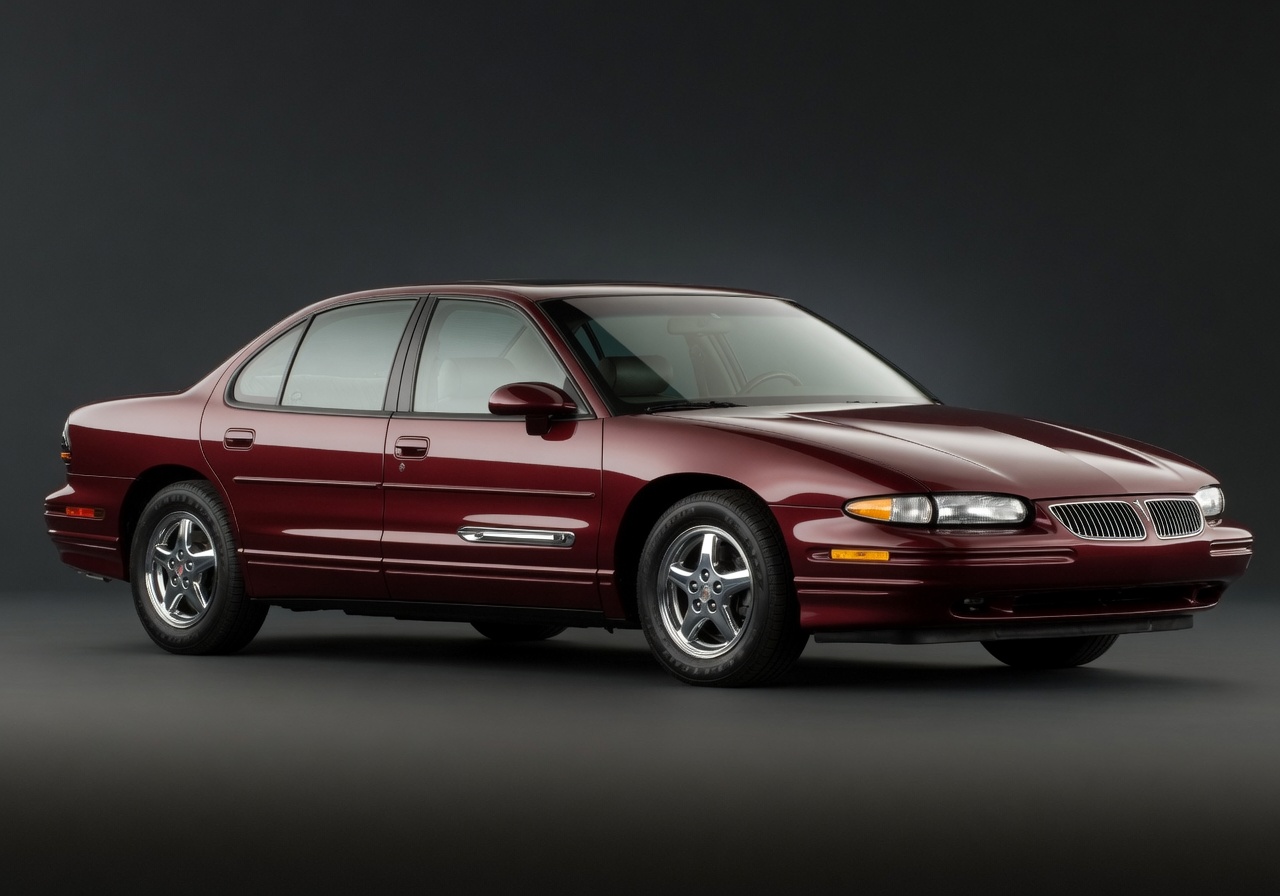
Comparable vehicles

If you're shopping for one

Red flags
  • Any soft or spongy brake pedal — could indicate a rusted-through brake line ready to fail.
  • Milky or foamy oil on the dipstick — coolant in the oil from a blown intake gasket.
  • Visible rust perforation on the rocker panels or floor pans — structural rust on a 30-year-old car is often not economically repairable.
  • No maintenance records at all — on a vehicle this old, unknown history is a significant financial risk.
  • Strong coolant smell inside the cabin or under the hood with no visible external leak — may indicate an internal gasket leak venting into the intake.
What to inspect
  • Undercarriage: subframe, brake lines, rocker panels, and floor pans for Wisconsin salt rust — this is the make-or-break inspection point on any 30-year-old Midwest car.
  • Intake manifold area: look for oily residue or dried coolant staining at the base of the intake where it meets the heads.
  • Coolant color and condition: should be clean and bright. Brown, murky, or oily coolant signals a compromised system or a leaking gasket.
  • Transmission shift quality: the 4T60-E should shift smoothly through all four gears. Slipping, flaring, or hard shifts indicate worn internals.
  • Power windows, locks, and mirrors: all common failure points — verify every switch works before you buy.
  • Weatherstripping and door seals: press on them and check the carpet and spare tire well for moisture or rust staining.
AI profile generated 1 hr ago · claude-sonnet-4-6 · v2.