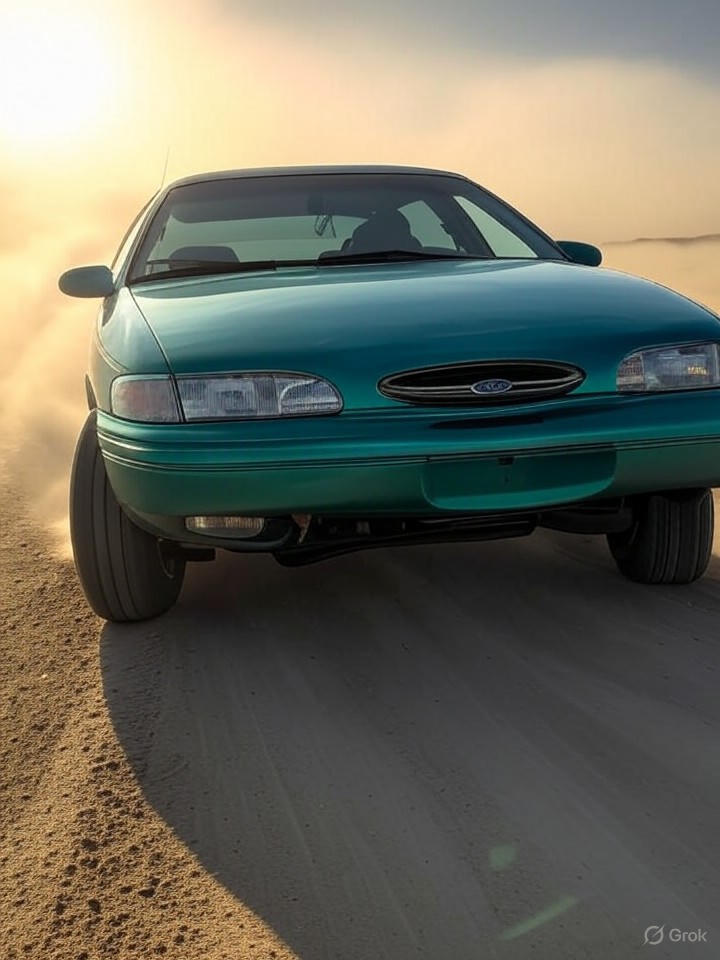
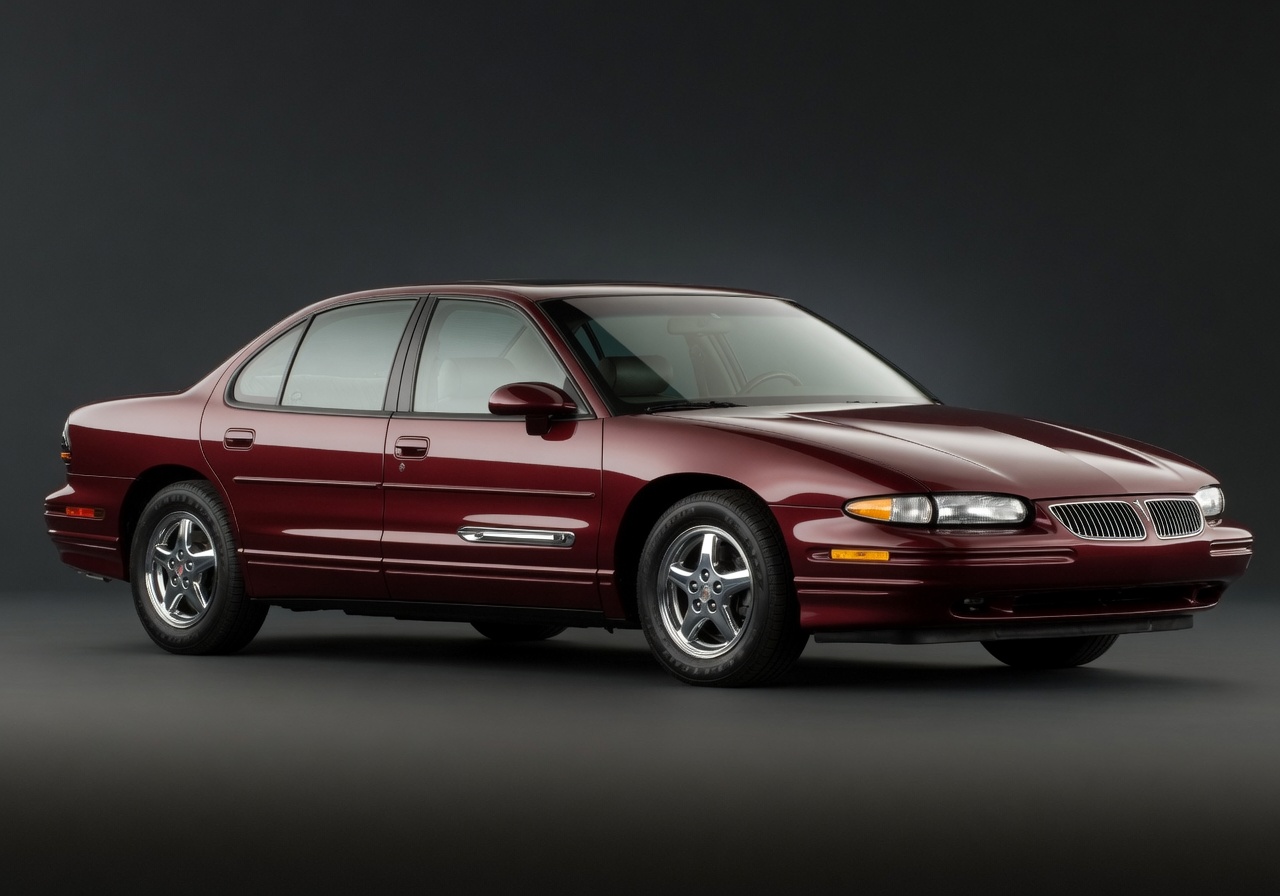
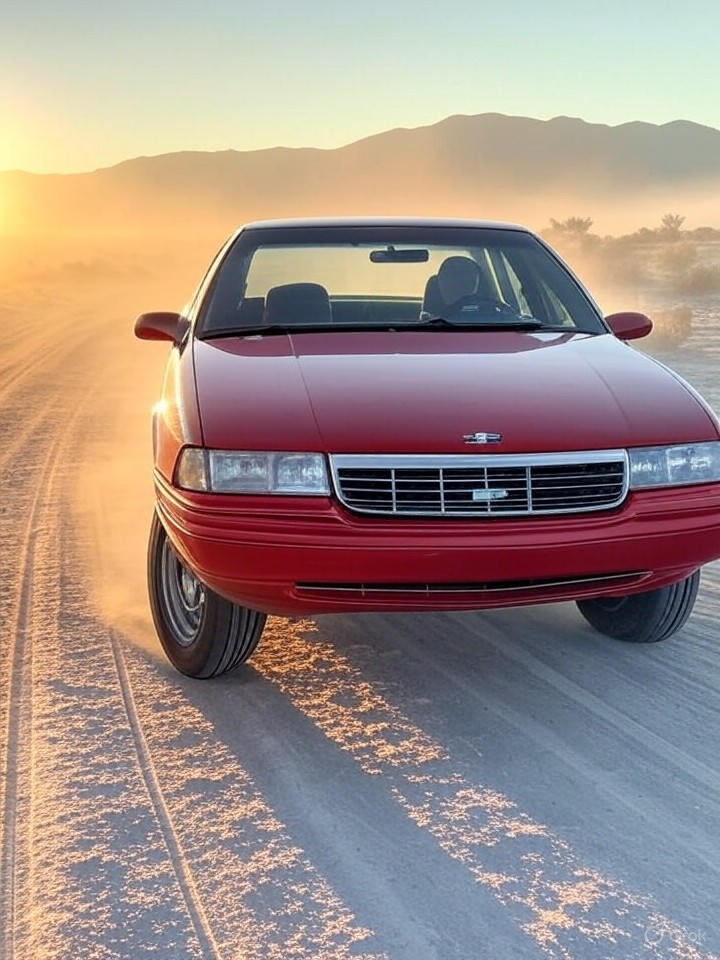
1992 Ford Taurus Sedan

1992 Ford

TaurusSedan

Sedan

The 1992 Ford Taurus was one of America's best-selling cars — and for good reason. It offered a roomy interior, comfortable ride, and a proven 3.0L Vulcan V6 in an affordable, practical package. By 1992 Ford had refined the second-generation Taurus (1992–1995 body style) into a genuinely competent family sedan that sold in enormous numbers. The Vulcan 3.0L V6 is the engine to have in this generation. It's a robust, over-engineered iron-block motor that can go well past 150k miles with basic oil changes. The optional 3.8L V6 has a well-documented head gasket problem — avoid it if you can. The AX4S (AXOD-E) automatic transmission is the other wildcard on this generation; it was improved over the AXOD but still has known weak points. At over 30 years old, any surviving 1992 Taurus is firmly in beater or project territory. Rust from Midwest road salt is the number-one concern for Wisconsin buyers. Parts are still available and cheap, but rust on the subframe, strut towers, and floor pans can make a structurally sound car impossible to find.

Reliability
2/5
Verified data
Specs shown for Taurus — the most common configuration. Other trims may vary in engine, drivetrain, or fuel economy. Sign in to see your vehicle's exact specs.
Engine
[object Object]
Drivetrain
FWD
Fuel
Gasoline
MPG
18 city / 26 hwy / 21 combined
Seats
Doors
Body
Midsize Cars

Overview

AI-curated

The 1992 Ford Taurus was one of America's best-selling cars — and for good reason. It offered a roomy interior, comfortable ride, and a proven 3.0L Vulcan V6 in an affordable, practical package. By 1992 Ford had refined the second-generation Taurus (1992–1995 body style) into a genuinely competent family sedan that sold in enormous numbers. The Vulcan 3.0L V6 is the engine to have in this generation. It's a robust, over-engineered iron-block motor that can go well past 150k miles with basic oil changes. The optional 3.8L V6 has a well-documented head gasket problem — avoid it if you can. The AX4S (AXOD-E) automatic transmission is the other wildcard on this generation; it was improved over the AXOD but still has known weak points. At over 30 years old, any surviving 1992 Taurus is firmly in beater or project territory. Rust from Midwest road salt is the number-one concern for Wisconsin buyers. Parts are still available and cheap, but rust on the subframe, strut towers, and floor pans can make a structurally sound car impossible to find.

Known for
  • Hugely popular fleet and family sedan of the early 1990s
  • Durable 3.0L Vulcan V6 with long engine life
  • Comfortable, soft ride tuned for highway cruising
  • Affordable and plentiful parts supply
  • Notorious 3.8L V6 head gasket failures (avoid that engine)
Best for
  • Budget-conscious buyers who need a cheap daily driver
  • Vintage Ford enthusiasts or restorers
  • Low-speed city or suburban errands
  • Someone with basic mechanical skills wanting a learner project
Watch for
  • Rust on subframe, floor pans, strut towers, and rocker panels — severe in the Midwest
  • 3.8L V6 head gasket failures (avoid this engine entirely on this generation)
  • AX4S/AXOD-E transmission slipping, delayed engagement, or failure
  • Cracked or leaking intake manifold gaskets on the 3.0L
  • 30+ year old rubber: hoses, belts, seals, and bushings all suspect

Common issues by mileage

6 known

AX4S / AXOD-E Transmission Slipping or Failure

high
Typically appears
80–150k mi
Estimated repair
$800 – $2,500

Intake Manifold Gasket Leak (3.0L Vulcan)

high
Typically appears
80–130k mi
Estimated repair
$250 – $500

3.8L V6 Head Gasket Failure (if equipped)

high
Typically appears
60–120k mi
Estimated repair
$900 – $1,800

Coolant Leak — Lower Intake Manifold & Thermostat Housing

high
Typically appears
70–120k mi
Estimated repair
$150 – $400

Strut and Suspension Wear — Struts, Bushings, Tie Rod Ends

high
Typically appears
60k mi and beyond
Estimated repair
$400 – $900

Rust — Subframe, Floor Pans, Strut Towers, Rocker Panels

high
Typically appears
Any mileage on Midwest cars
Estimated repair
$500 – $4,000

Maintenance schedule

  1. 1
    Every 3,000–5,000 mi Engine oil and filter change

    The 3.0L Vulcan is durable but old seals and potential sludge from prior owners make fresh oil critical. Use the manufacturer-recommended viscosity for the season.

  2. 2
    Every 2 years or as needed Full coolant flush and fill

    Degraded coolant accelerates corrosion in the aluminum intake manifold and cooling passages. On a 30-year-old car, flush it regardless of mileage.

  3. 3
    Every 30,000 mi or 2 years Transmission fluid and filter service

    The AX4S is sensitive to fluid condition. Dark, burnt-smelling fluid on a used purchase means the transmission may already be compromised — change it, but don't expect a miracle if slipping has already started.

  4. 4
    Every 2 years Inspect and replace all rubber hoses and belts

    At 30+ years, all original rubber is on borrowed time. Coolant hoses, heater hoses, and the serpentine belt should be replaced proactively before they strand you.

  5. 5
    Annually (fall) Inspect brake lines and fuel lines for rust and corrosion

    Wisconsin road salt attacks steel brake and fuel lines from the outside. A pinhole fuel line leak is a fire hazard; a brake line failure is catastrophic.

  6. 6
    Annually (fall) Inspect and treat undercarriage for rust

    Salt accumulates in hidden pinch welds and seams. Keeping the undercarriage clean and applying rust inhibitor annually dramatically slows structural rust progression.

  7. 7
    Every 30,000 mi Replace spark plugs and inspect ignition wires

    Old plug wires on a 30-year-old engine crack and arc, causing misfires. Plugs and wires together are cheap insurance against rough running.

  8. 8
    Before each winter Test battery and charging system

    The original-era batteries are obviously long gone, but even a newer battery loses significant cold-cranking amps at Wisconsin sub-zero temperatures. Replace any battery over 4 years old.

Always defer to the manufacturer's service manual for warranty-mandated intervals.

Cost of ownership

Annual maintenance
$600 – $1,800
Fuel
At 21 MPG combined and roughly 12,000 miles/year, expect $1,400–$1,700/year in fuel at current Midwest gas prices. Nothing remarkable either way.
Insurance
Liability-only coverage on a 30-year-old car typically runs $400–$700/year in the Lake Geneva area, depending on driving record. Comprehensive/collision rarely makes financial sense at current market values.

The 1992 Taurus is genuinely cheap to own — if it's rust-free and mechanically sound. Parts are plentiful and affordable. The danger zone is deferred maintenance catching up all at once: a transmission rebuild, head gasket job, and brake line replacement in the same year can easily top $4,000 on a car worth $2,000. Buy the cleanest, most documented example you can find, and budget for surprises.
Seasonal care

Lake Geneva, WI
Winter
  • Test the battery before first hard freeze — cold-cranking amps drop sharply below 0°F and a marginal battery will leave you stranded in a Lake Geneva parking lot
  • Switch to a lower-viscosity oil (e.g. 5W-30) if still using heavier weight; the 3.0L Vulcan needs good cold-start oil flow
  • Flush washer fluid reservoir and fill with -40°F rated fluid — the reservoir and lines can crack if water-based fluid freezes
  • Inspect brake lines and fuel lines for salt corrosion before winter; this is the season that punishes neglected steel lines
  • Check antifreeze concentration — should be good to at least -34°F for Wisconsin winters; a 50/50 coolant mix is standard
  • Keep the gas tank at least half full to prevent fuel line moisture and add weight over the front-wheel-drive axle in slippery conditions
Summer
  • Inspect the cooling system thoroughly — hoses, thermostat, and radiator cap — before summer heat loads stress an aging system
  • Check tire pressure monthly; every 10°F increase in ambient temperature raises tire pressure roughly 1 PSI, which can push already-aging tires toward the wear indicator
  • Test A/C performance early in the season; the R-134a retrofit (original was R-12) or existing refrigerant charge may be low after 30 years
  • Inspect the serpentine belt for cracking or glazing — summer heat accelerates belt degradation on old rubber

Comparable vehicles

If you're shopping for one

Red flags
  • Any visible rust on the subframe, strut towers, floor pans, or rocker panels — walk away; structural rust repair costs more than the car is worth
  • A 3.8L V6 under the hood (check the intake manifold label) — head gasket failure is a 'when,' not 'if' proposition
  • Transmission that shudders, slips between gears, or hesitates on cold engagement — AX4S rebuilds are expensive relative to car value
  • White smoke from the exhaust or sweet smell at the tailpipe — coolant in the combustion chamber, likely head gasket or intake gasket
  • No maintenance records whatsoever — on a 30-year-old car, unknown history means budgeting for everything at once
What to inspect
  • Crawl under the car and look at every inch of the subframe, floor, and brake lines with a flashlight — salt rust hides in seams
  • Pull the oil dipstick and look for milky or foamy oil — a sign of coolant contamination
  • Check the coolant reservoir for oil sheen or brown gunk — indicates head gasket or intake manifold seep
  • Test drive through all gear ranges; note any slipping, shuddering, or delayed engagement in the AX4S transmission
  • Inspect all visible rubber: heater hoses, coolant hoses, and the serpentine belt for cracking, swelling, or brittleness
  • Check strut towers inside the engine bay for rust-through or cracking — a safety-critical failure point on high-mileage Midwest cars
AI profile generated 24 days ago · claude-sonnet-4-6 · v2.