Intake Manifold Gasket Failure (coolant/oil leak)
high- Typically appears
- 60–120k mi
- Estimated repair
- $350 – $650
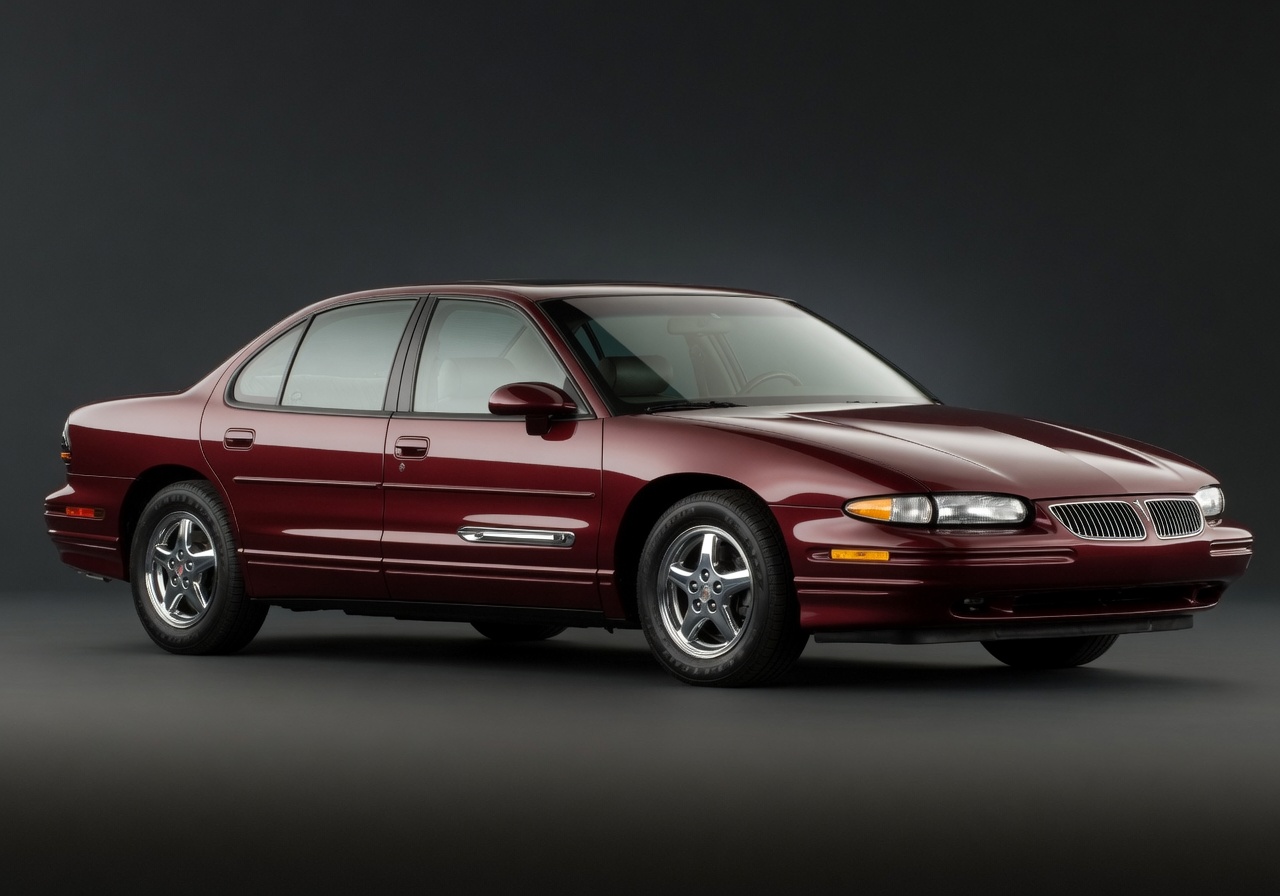
1992 Pontiac
Coupe
The 1992 Pontiac Grand Prix Coupe rides on GM's W-body platform — the same bones shared with the Chevy Lumina and Buick Regal of that era. This generation (1988–1996) was Pontiac's attempt at a sporty, front-wheel-drive personal coupe with a sleek fastback roofline and a driver-focused interior. It hit its stride once the rough early-production gremlins were sorted, and the mid-cycle refresh around 1990–1991 improved quality noticeably. Powered here by GM's 3.1L V6 (LH0), it's a smooth-enough daily driver with adequate power for its weight. Don't expect sports-car performance — 140 hp moves this coupe competently but not quickly. What you do get is a comfortable, quiet ride and a cabin that felt genuinely upscale for a domestic car of its price in 1992. At 30+ years old, these are now budget used-car territory. Finding a clean, rust-free example in Wisconsin is the real challenge — salt corrosion is this car's biggest remaining enemy. Survivors in good shape can be solid, inexpensive transportation if the major mechanicals are sound.
The 1992 Pontiac Grand Prix Coupe rides on GM's W-body platform — the same bones shared with the Chevy Lumina and Buick Regal of that era. This generation (1988–1996) was Pontiac's attempt at a sporty, front-wheel-drive personal coupe with a sleek fastback roofline and a driver-focused interior. It hit its stride once the rough early-production gremlins were sorted, and the mid-cycle refresh around 1990–1991 improved quality noticeably. Powered here by GM's 3.1L V6 (LH0), it's a smooth-enough daily driver with adequate power for its weight. Don't expect sports-car performance — 140 hp moves this coupe competently but not quickly. What you do get is a comfortable, quiet ride and a cabin that felt genuinely upscale for a domestic car of its price in 1992. At 30+ years old, these are now budget used-car territory. Finding a clean, rust-free example in Wisconsin is the real challenge — salt corrosion is this car's biggest remaining enemy. Survivors in good shape can be solid, inexpensive transportation if the major mechanicals are sound.
The 3.1L's plastic lower intake plenum and composite gaskets are a known failure point. Catching it early prevents coolant from mixing with oil and destroying bearings.
Aged Dex-Cool or mixed coolants become acidic and eat gaskets. A pressure test reveals leaks before they become engine damage.
Rubber hoses are 30+ years old. Overflow tanks develop cracks. Budget for replacement proactively — a blown hose in a Wisconsin winter can strand you.
Older engines with aging seals benefit from more frequent oil changes. Use conventional 5W-30; high-mileage formula helps condition seals.
Three decades of Wisconsin road salt can compromise structural steel and steel brake lines. Brake line rust is a safety-critical failure mode on this platform.
The 3.1L's rear spark plugs are harder to access and often skipped. Aged plug wires cause misfires and rough running on cold Wisconsin mornings.
FWD CV boots crack with age. Once a boot tears, the joint loses grease and fails quickly. On a car this old, proactive replacement is usually cheaper than waiting.
Cold-cranking demand in a Wisconsin winter will expose any weak battery. The 3.1L relies on a healthy charging system to keep fuel injection and ignition stable at sub-zero temps.
Always defer to the manufacturer's service manual for warranty-mandated intervals.
On paper this is cheap transportation — low purchase price, cheap insurance, inexpensive parts. The hidden cost is deferred maintenance on a 30-year-old car. Budget $600–$1,800/yr for routine upkeep in a good year, but a single major repair (intake gaskets, brake lines, CV axles) can push a single year's bill to $2,500+. Buy the cleanest example you can find; a $500 savings on purchase price often costs $2,000 in surprises.
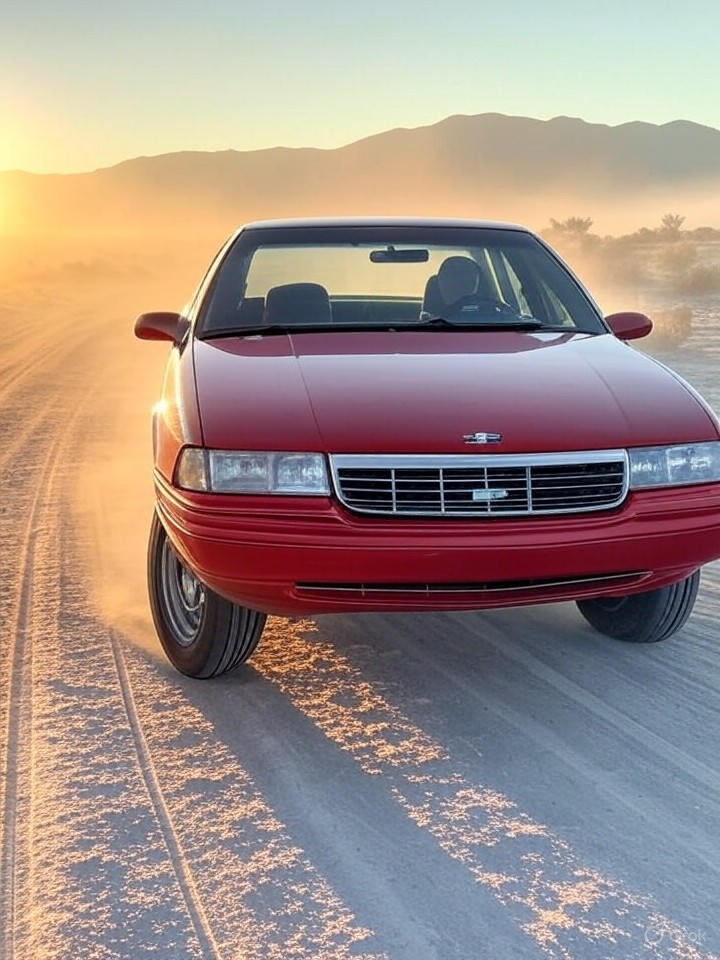
Same GM W-body platform, same 3.1L V6, nearly identical mechanicals — parts are interchangeable in many areas. More common, so slightly easier to find service records.
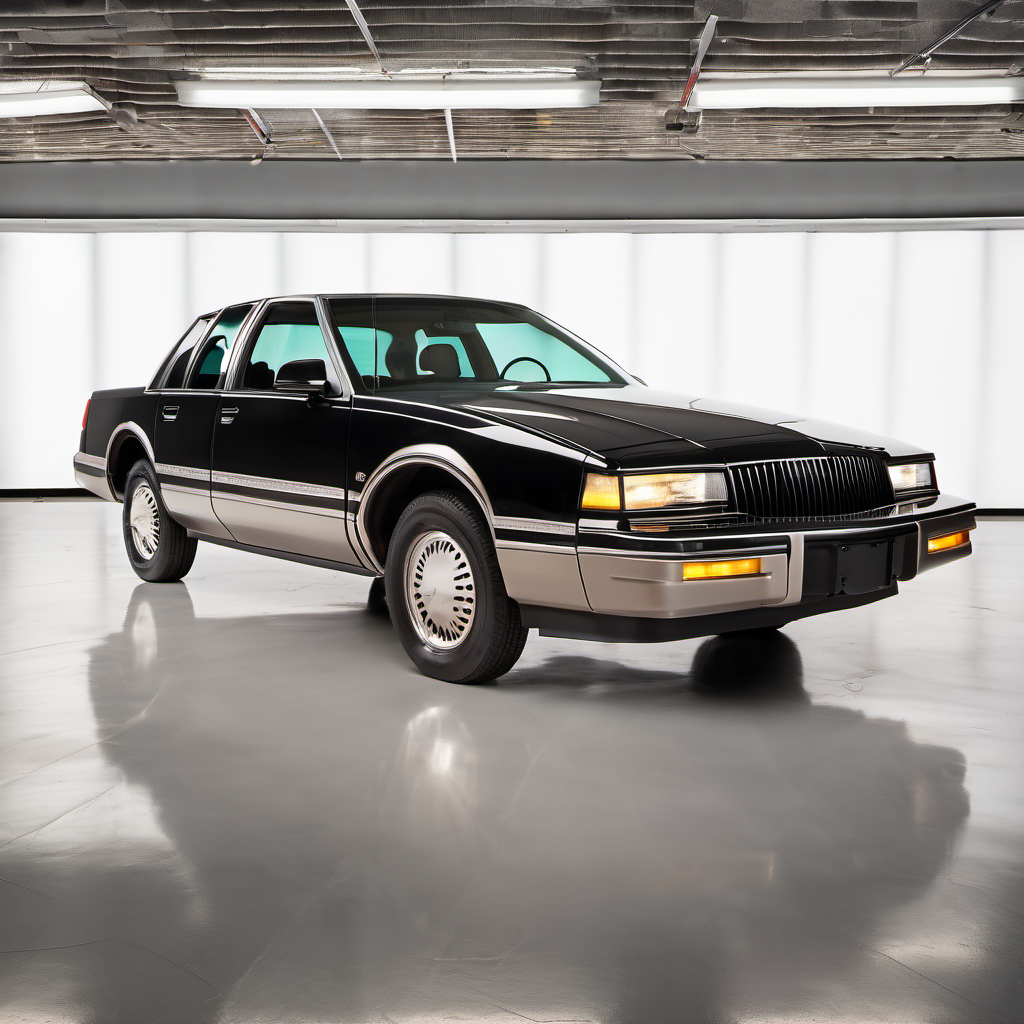
W-body sibling with a more upscale interior and similar drivetrain. Slightly better build-quality perception and often better maintained by original owners.
Another W-body platform mate. Coupe version shares the same sporty profile and powertrain choices, making it a direct cross-shop.
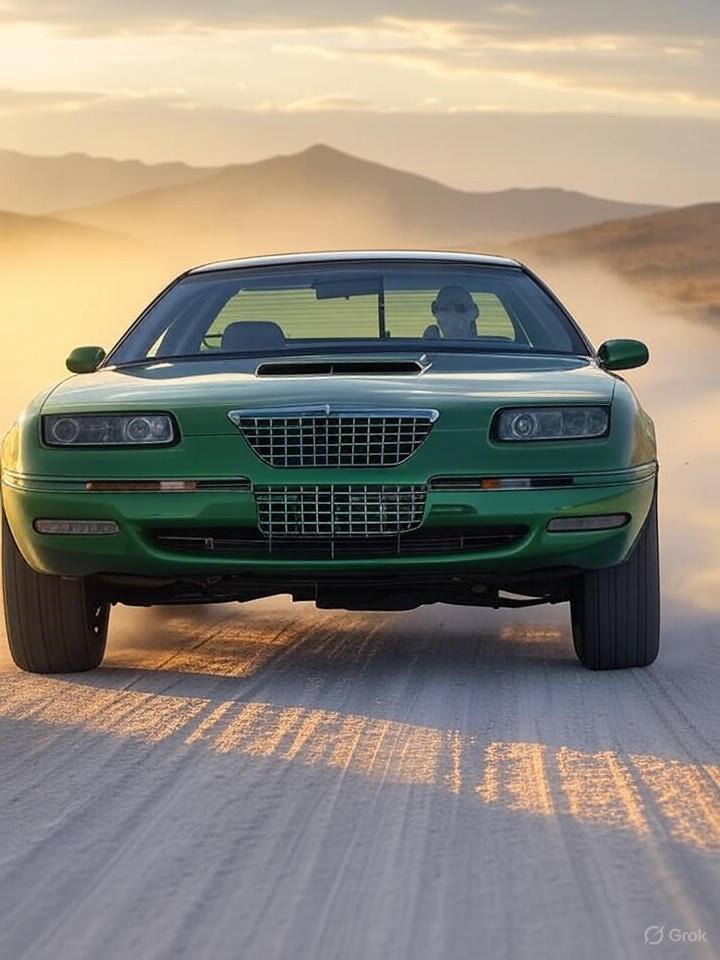
Same era personal-luxury coupe segment, similar price point used. RWD instead of FWD, different platform, but a direct competitor for buyers wanting a V6 American coupe of the period.