Intake manifold gasket failure (coolant leak / oil contamination)
high- Typically appears
- 60–150k mi
- Estimated repair
- $300 – $600
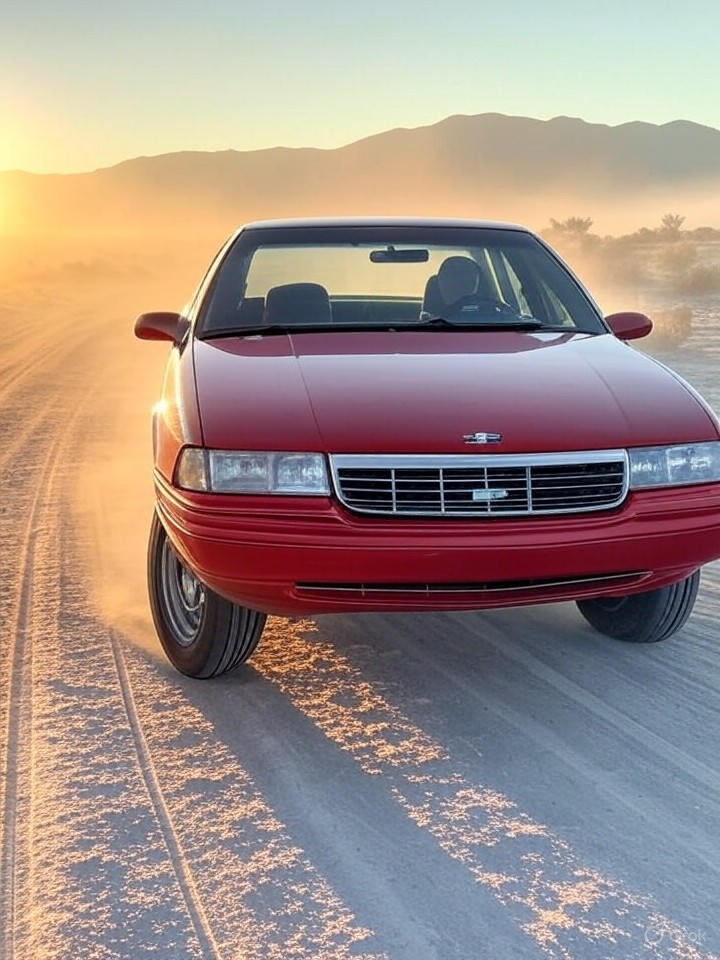
1992 Chevrolet
Sedan
The 1992 Chevrolet Lumina Sedan was GM's front-wheel-drive family car built on the W-body platform, sharing its bones with the Pontiac Grand Prix and Oldsmobile Cutlass Supreme. It replaced the aging Celebrity and was positioned as a mainstream, affordable domestic alternative to imports like the Honda Accord. By 1992 the Lumina had settled into a reasonably mature production run, offering a sensible blend of passenger room, fuel economy, and a smooth ride for the money. The base engine in 1992 was the Iron Duke-derived 2.5L four-cylinder, a carryover design that was reliable but not quick. A 3.1L V6 was also available and is by far the more desirable powertrain. The 3.4L DOHC V6 (Z34 coupe) did not apply to the base sedan. Most buyers opted for the V6 from the factory, so base-engine sedans are less common but still out there. At 30-plus years old, any surviving 1992 Lumina is firmly in classic-beater or occasional-driver territory. Parts availability is shrinking, corrosion is the #1 killer in the upper Midwest, and modern safety features are entirely absent. Expect a high-mileage survivor — plan accordingly.
The 1992 Chevrolet Lumina Sedan was GM's front-wheel-drive family car built on the W-body platform, sharing its bones with the Pontiac Grand Prix and Oldsmobile Cutlass Supreme. It replaced the aging Celebrity and was positioned as a mainstream, affordable domestic alternative to imports like the Honda Accord. By 1992 the Lumina had settled into a reasonably mature production run, offering a sensible blend of passenger room, fuel economy, and a smooth ride for the money. The base engine in 1992 was the Iron Duke-derived 2.5L four-cylinder, a carryover design that was reliable but not quick. A 3.1L V6 was also available and is by far the more desirable powertrain. The 3.4L DOHC V6 (Z34 coupe) did not apply to the base sedan. Most buyers opted for the V6 from the factory, so base-engine sedans are less common but still out there. At 30-plus years old, any surviving 1992 Lumina is firmly in classic-beater or occasional-driver territory. Parts availability is shrinking, corrosion is the #1 killer in the upper Midwest, and modern safety features are entirely absent. Expect a high-mileage survivor — plan accordingly.
A 30-year-old engine with possible sludge history benefits from more frequent changes; use a conventional oil rated for older flat-tappet engines.
Old coolant turns acidic and accelerates corrosion inside the block and heater core. At this age, hoses should be replaced proactively even if they look okay.
Wisconsin road salt attacks steel brake lines aggressively. A pinhole failure causes total brake loss. Replace any line showing surface rust scale or pitting.
The 2.5L distributor-based ignition degrades with age and heat cycles. Fresh ignition components restore fuel economy and cold-start reliability.
Salt accumulates in seams and cavities all winter. A thorough pressure wash in spring and a rust inspection each fall can catch problems before they become structural.
The 3-speed automatic in this era was not a sealed unit; old fluid shears and promotes harsh shifts and premature wear on a transmission that is already scarce to replace.
A 30-year-old charging system and aging wiring make the battery work harder. Cold cranking amps drop sharply below 0°F — a weak battery will leave you stranded.
Standard fluid freezes in the reservoir and lines at Wisconsin temperatures, leaving you blind on salted roads.
Always defer to the manufacturer's service manual for warranty-mandated intervals.
The Lumina's parts are inexpensive when available, and the 2.5L four is simple to work on — that keeps routine maintenance affordable. However, a 30-year-old salt-belt car can surprise you with large one-time bills: brake line replacement, cooling system overhaul, or rust repair can each run $500–$1,500 in a single visit. Budget a contingency fund. If annual repair costs approach or exceed the vehicle's market value (typically $500–$2,000 for a running 1992 Lumina), it may not be worth continued investment.
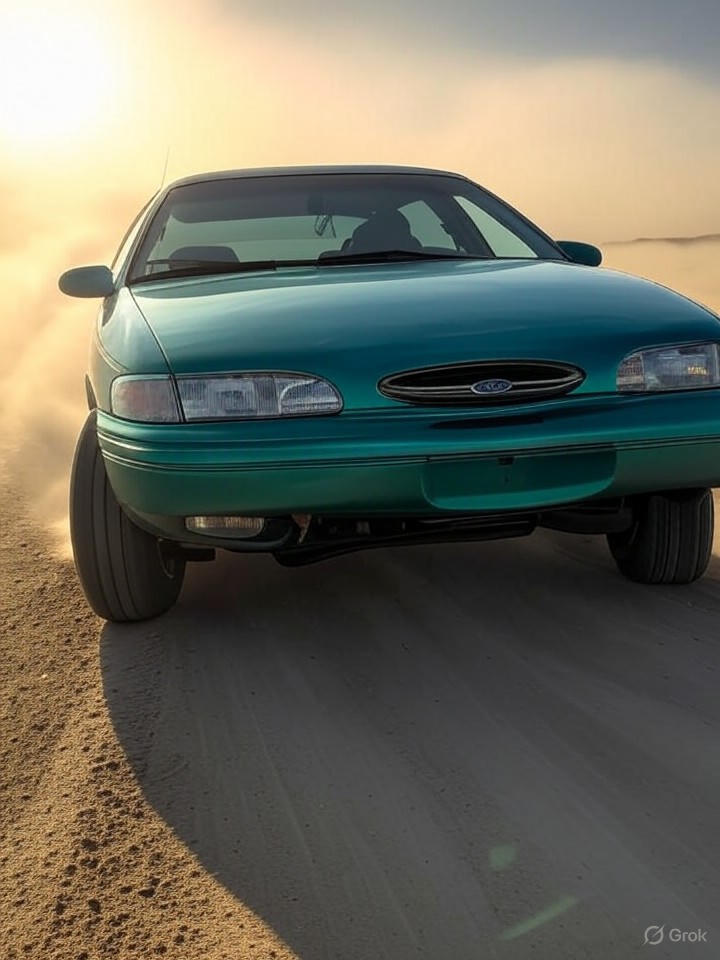
Same era, same FWD family-sedan mission, similar size and pricing. The 3.0L Vulcan V6 Taurus is arguably more refined and parts remain easier to find.
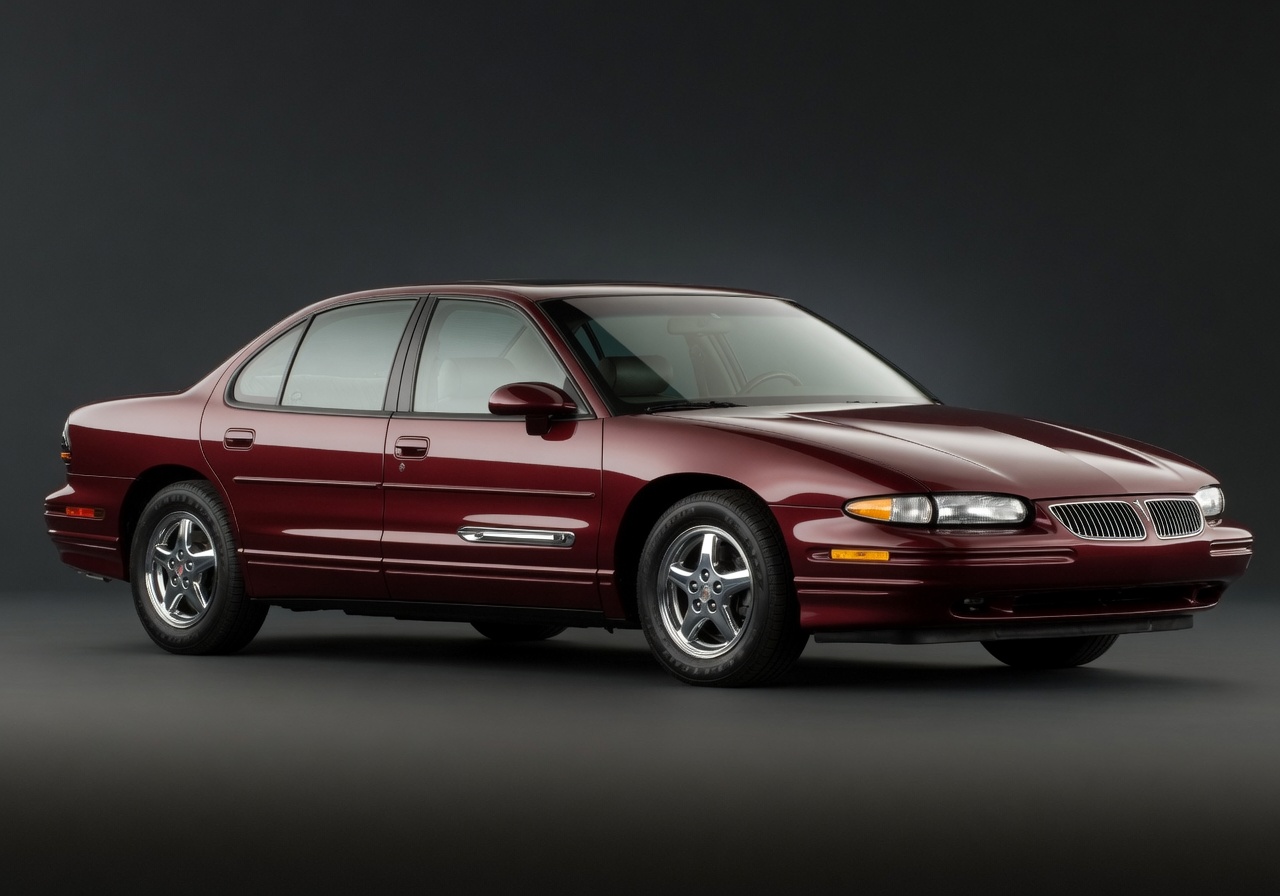
Direct W-body platform sibling — shares most mechanical components with the Lumina. Slightly sportier styling; parts interchangeability is a real advantage.
Another W-body stablemate with near-identical drivetrain options. Often found at similar price points with the same strengths and weaknesses.
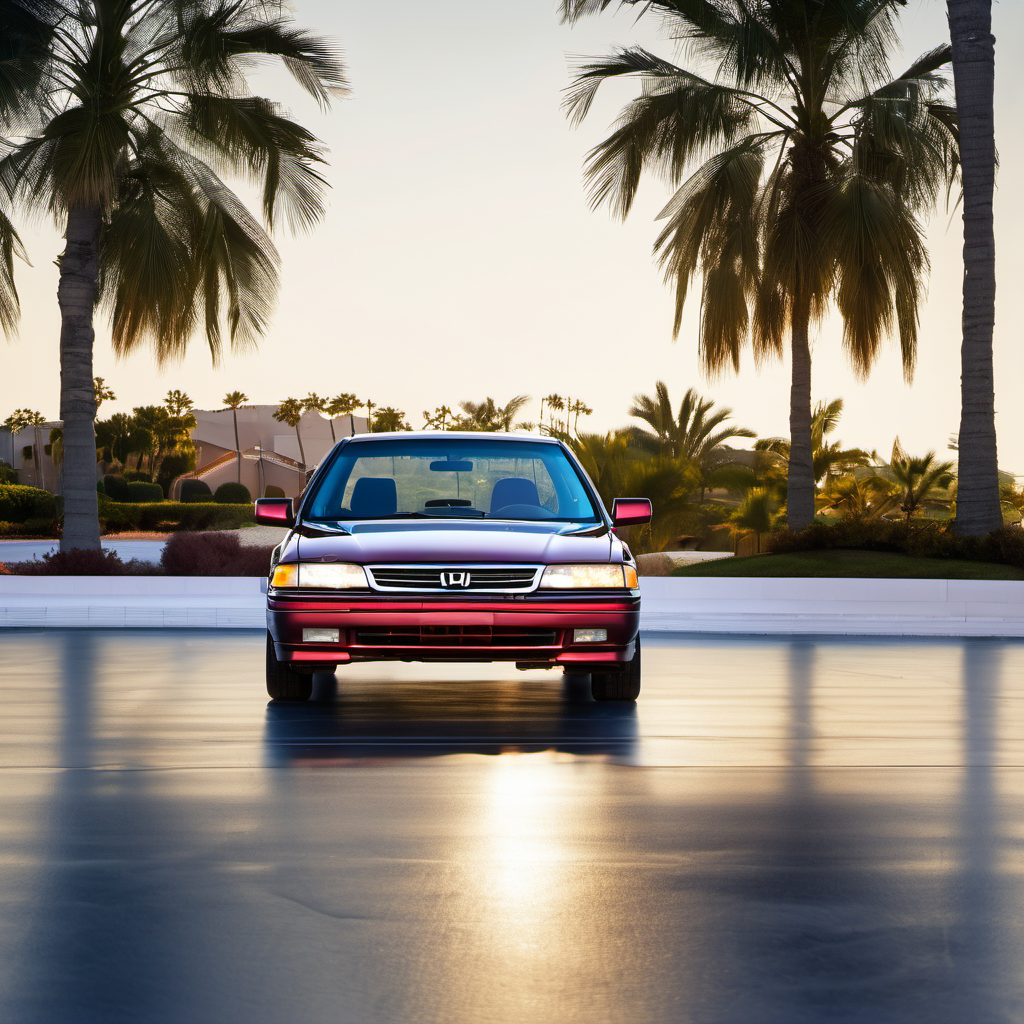
The import benchmark the Lumina was chasing. Slightly smaller but typically has a stronger long-term reliability reputation and better rust resistance on the body.