Transmission Shudder During Light Acceleration
high- Typically appears
- 30–70k mi
- Estimated repair
- $150 – $400
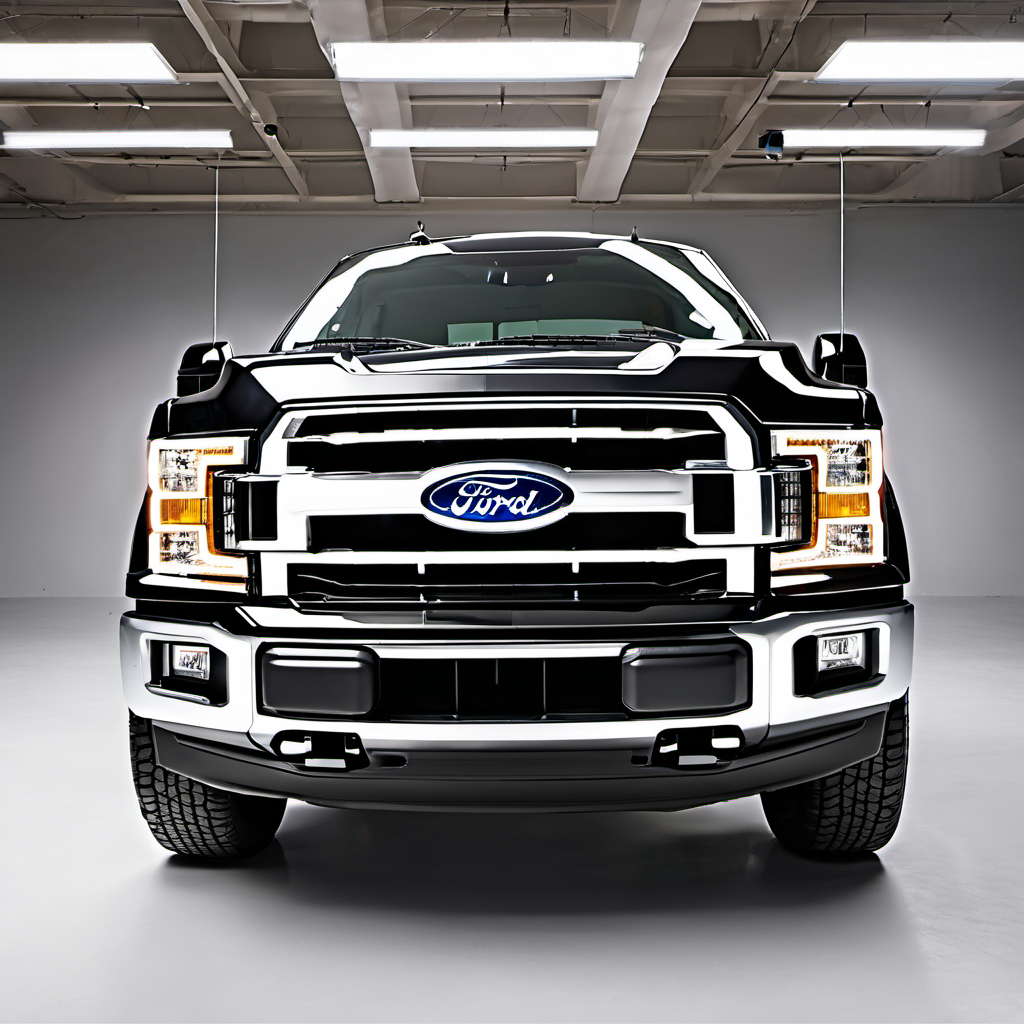
2024 Ford
5L V8
The 2024 Ford F-150 Regular Cab is the no-frills, work-first configuration of America's best-selling truck. With a two-door body, three-seat bench, and the longest available bed lengths, it's built for owners who need a truck to actually do truck things — haul, tow, and take abuse — rather than serve as a daily family hauler. The 5.0L V8 ('Coyote') puts genuine power under the hood without the complexity of a turbocharged four-cylinder, making it a favorite among fleet buyers and tradespeople. This generation (14th, introduced for 2021) brought a fully boxed high-strength steel frame, updated SYNC 4 infotainment, and a 10-speed automatic transmission. The regular cab V8 RWD combination is straightforward mechanically and well-suited to towing and payload duty. Ford has worked through several early-generation software and transmission calibration issues via TSBs. For Lake Geneva-area buyers, take note: RWD in Wisconsin winter is manageable with the right tires, but 4WD or at minimum an e-locker is strongly worth considering if you see real snow duty. The aluminum-intensive body resists rust, but the steel frame and undercarriage still need attention in salt country.
The 2024 Ford F-150 Regular Cab is the no-frills, work-first configuration of America's best-selling truck. With a two-door body, three-seat bench, and the longest available bed lengths, it's built for owners who need a truck to actually do truck things — haul, tow, and take abuse — rather than serve as a daily family hauler. The 5.0L V8 ('Coyote') puts genuine power under the hood without the complexity of a turbocharged four-cylinder, making it a favorite among fleet buyers and tradespeople. This generation (14th, introduced for 2021) brought a fully boxed high-strength steel frame, updated SYNC 4 infotainment, and a 10-speed automatic transmission. The regular cab V8 RWD combination is straightforward mechanically and well-suited to towing and payload duty. Ford has worked through several early-generation software and transmission calibration issues via TSBs. For Lake Geneva-area buyers, take note: RWD in Wisconsin winter is manageable with the right tires, but 4WD or at minimum an e-locker is strongly worth considering if you see real snow duty. The aluminum-intensive body resists rust, but the steel frame and undercarriage still need attention in salt country.
Ford specifies 0W-20 full synthetic. The 5.0L V8 runs hot under load — don't stretch this interval if you tow or haul regularly. Fresh oil is the single biggest factor in Coyote V8 longevity.
RWD trucks wear rear tires faster under load and acceleration. Rotating on schedule evens out wear and maximizes tire life, especially important before Wisconsin winter when tread depth matters most.
Dusty work environments and gravel roads foul filters faster than the schedule suggests. Check it visually at 15k if you work on job sites.
Ford lists the 10R80 as a 'lifetime' fill, but independent shops see far fewer shudder and slipping complaints on trucks whose owners changed fluid at 60k. This is particularly important given the TSB 23-2035 shudder issue on this generation.
Brake fluid absorbs moisture over time, lowering boiling point. Wisconsin winters stress brakes with repeated hard stops on slippery roads. Fresh fluid is cheap insurance.
Lake Geneva roads get heavily salted. The F-150's aluminum body won't rust, but the steel frame and suspension components will. Spray undercoating annually and pressure-wash the undercarriage after every major salt event throughout winter.
The F-150's electronics (SYNC, power accessories, EPAS) are sensitive to low battery voltage — a weak battery in sub-zero temps can throw U3000-series codes and cause electrical gremlins before it actually dies. Test and replace proactively at 4–5 years.
The 5.0L V8 uses platinum/iridium plugs. Worn plugs cause misfires and rough idle. At 60k miles, swap them — it's straightforward on this engine and prevents costly coil-on-plug failures from plug blowout.
Always defer to the manufacturer's service manual for warranty-mandated intervals.
The 5.0L V8 Regular Cab is one of the more economical F-150 configurations to own long-term — no turbo intercoolers, no hybrid battery, no supercharger. Routine maintenance is inexpensive, parts are universally available, and independent shops can handle almost everything. The main cost risks are transmission work if the shudder issue appears (~$150–$400 for a fluid service and recalibration) and undercarriage rust mitigation if you skip annual prevention. Budget an extra $200–$400/year for proactive rust protection given our Wisconsin winters.
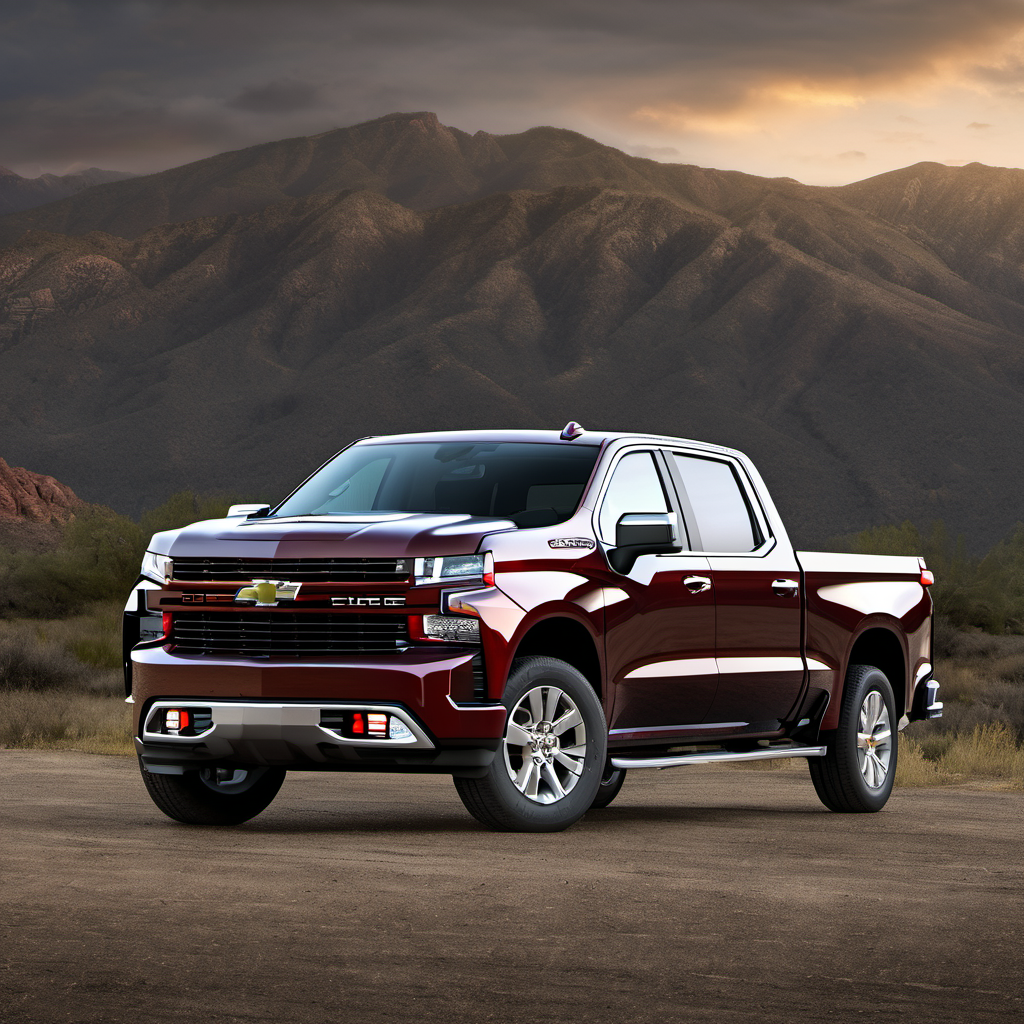
Direct segment rival. The Silverado Regular Cab with the 5.3L V8 offers a similar work-truck value proposition, strong towing, and arguably simpler electronics. Worth cross-shopping on price and available inventory.
RAM's carry-over body offers aggressive pricing on a proven platform. The Hemi V8 is well-liked; the coil-spring rear suspension gives a noticeably smoother ride than the F-150's leaf springs for road use.
No catalog match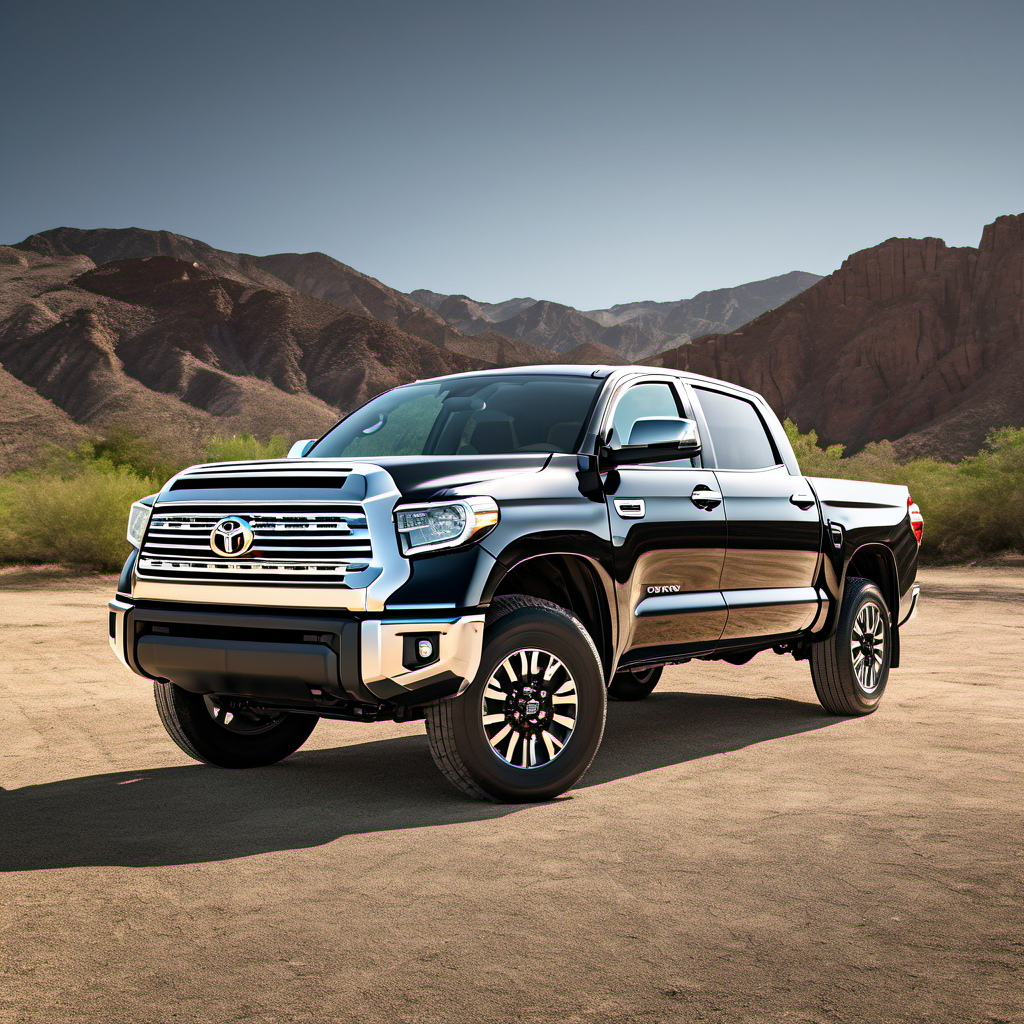
Twin-turbo V6 hybrid standard across the lineup. Slightly lower tow ratings than the F-150 V8, but Toyota's long-term reliability track record is stronger. Higher base price, but resale holds better.
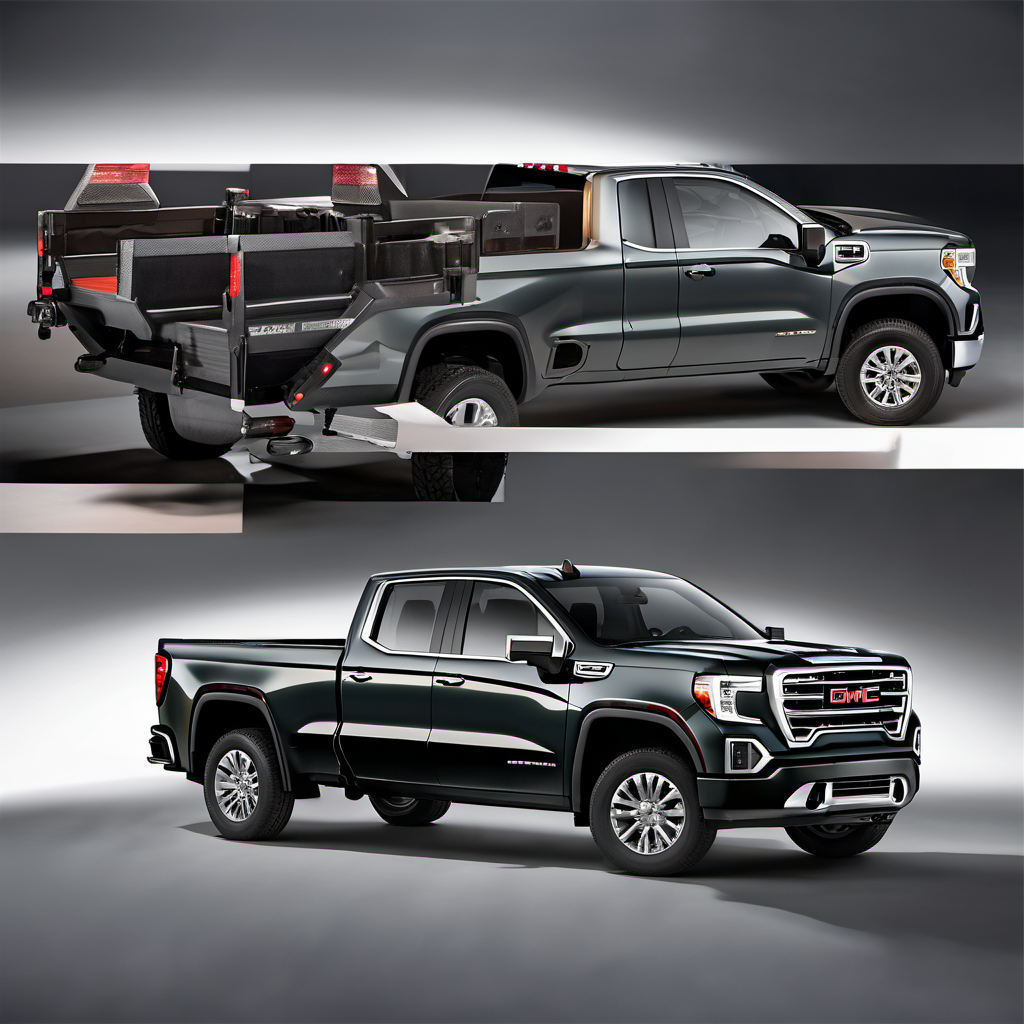
Shares the Silverado platform but targets buyers who want slightly more upscale trim and features at similar price points. Same mechanical strengths and weaknesses as the Silverado.