AFM Lifter Failure (Active Fuel Management)
high- Typically appears
- 80–150k mi
- Estimated repair
- $2,500 – $5,500
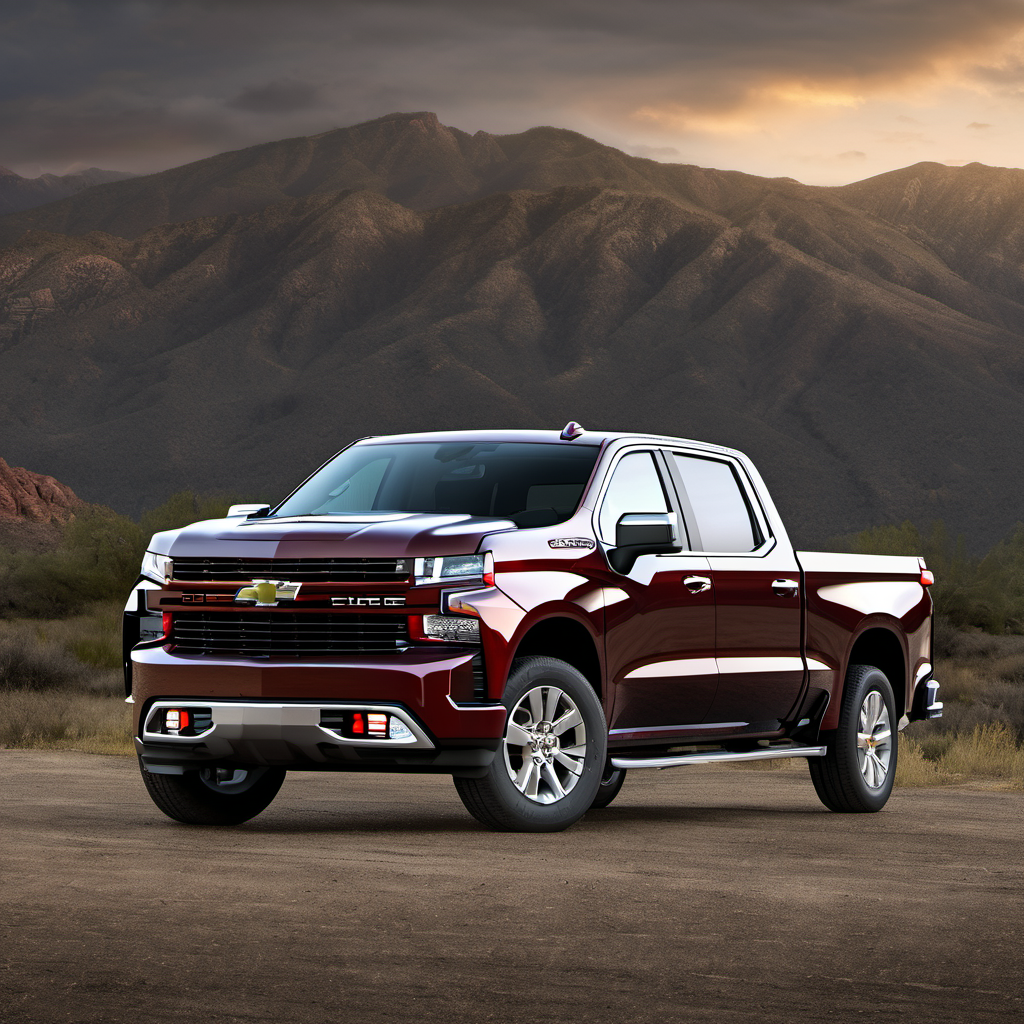
2024 Chevrolet
5.3L V8 EcoTec3
The 2024 Chevrolet Silverado 1500 Crew Cab is one of America's best-selling full-size trucks, now in its fourth generation (T1XX platform, introduced 2019). The crew cab body gives you four full-size doors and genuine rear-seat room that rivals many SUVs — a practical choice for families that also need to work their truck. The 5.3L V8 paired with the 8-speed automatic has been the volume engine in this truck for years and has a long track record of durability when properly maintained. For 2024, Chevy carried over the refreshed interior with the large center-stack infotainment screen (Chevy's Silverado IQ / Google built-in on upper trims), updated safety tech, and the proven EcoTec3 5.3L V8 with Active Fuel Management (AFM) and Variable Valve Timing. Towing is class-competitive at up to 13,300 lbs properly equipped, and the 1,000-lb+ payload margin makes this a legitimate work truck. The main pain points owners report are the AFM/cylinder deactivation system causing oil consumption and vibration concerns at higher mileages, transmission shudder noted in 2023–2024 model years addressed by TSB, and infotainment software glitches. None of these are deal-breakers, but they reward buyers who keep up on oil changes and address software updates promptly.
The 2024 Chevrolet Silverado 1500 Crew Cab is one of America's best-selling full-size trucks, now in its fourth generation (T1XX platform, introduced 2019). The crew cab body gives you four full-size doors and genuine rear-seat room that rivals many SUVs — a practical choice for families that also need to work their truck. The 5.3L V8 paired with the 8-speed automatic has been the volume engine in this truck for years and has a long track record of durability when properly maintained. For 2024, Chevy carried over the refreshed interior with the large center-stack infotainment screen (Chevy's Silverado IQ / Google built-in on upper trims), updated safety tech, and the proven EcoTec3 5.3L V8 with Active Fuel Management (AFM) and Variable Valve Timing. Towing is class-competitive at up to 13,300 lbs properly equipped, and the 1,000-lb+ payload margin makes this a legitimate work truck. The main pain points owners report are the AFM/cylinder deactivation system causing oil consumption and vibration concerns at higher mileages, transmission shudder noted in 2023–2024 model years addressed by TSB, and infotainment software glitches. None of these are deal-breakers, but they reward buyers who keep up on oil changes and address software updates promptly.
The 5.3L AFM system is especially sensitive to oil quality and level. Dirty or low oil accelerates lifter wear. Use 0W-20 full synthetic and check the dipstick between changes — this engine can consume oil quietly.
4WD trucks wear tires unevenly front-to-rear. Regular rotation extends tire life significantly and keeps the drivetrain balanced on Wisconsin roads.
The 8-speed automatic runs Dexron VI. Shudder complaints are often improved with a fresh fluid change. Do not skip this on a truck used for towing.
A clogged air filter hurts fuel economy and can affect AFM operation. Inspect annually — dusty summer work sites shorten the interval.
Keeps HVAC airflow strong, which matters for defrost performance in Wisconsin winters.
DEX-COOL is long-life but not lifetime. Old coolant loses freeze protection — critical when Lake Geneva temps drop below -20°F. Check concentration each fall.
DOT 3 absorbs moisture over time, lowering the boiling point. Heavy loads and trailer braking stress the system — don't skip this on a truck that tows.
Wisconsin road salt is brutal on brake lines, fuel lines, and frame welds. An annual spray-out and inspection catches rust before it becomes a safety or structural problem.
Always defer to the manufacturer's service manual for warranty-mandated intervals.
Annual operating costs are moderate for the class. The big wildcard is the AFM system — if lifters fail out of warranty, a single repair event can exceed what you'd spend on several years of routine maintenance. Staying current on oil changes and monitoring oil consumption is the single best thing you can do to keep major costs at bay.
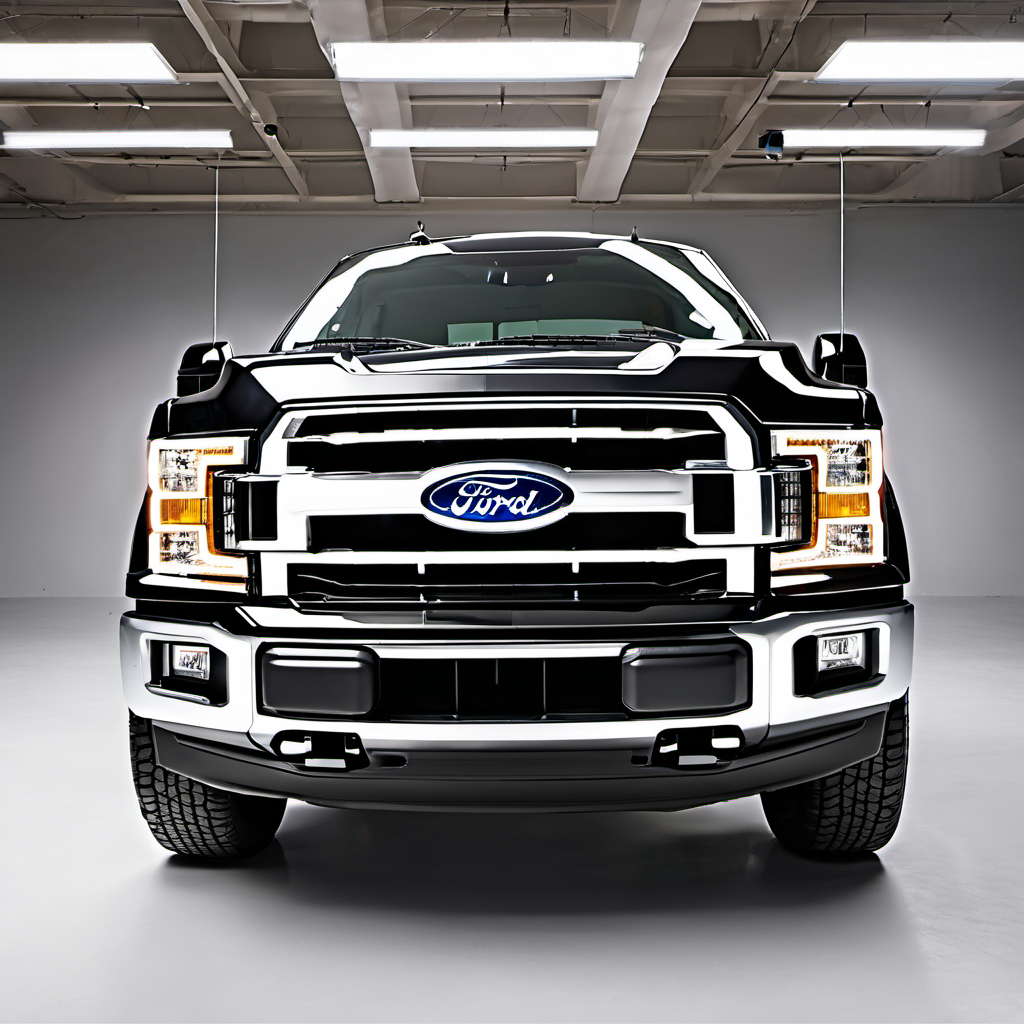
The segment leader — wider powertrain choice (including hybrid), slightly more refined ride, equally strong towing. F-150 aluminum body reduces rust risk but repairs cost more after a collision.
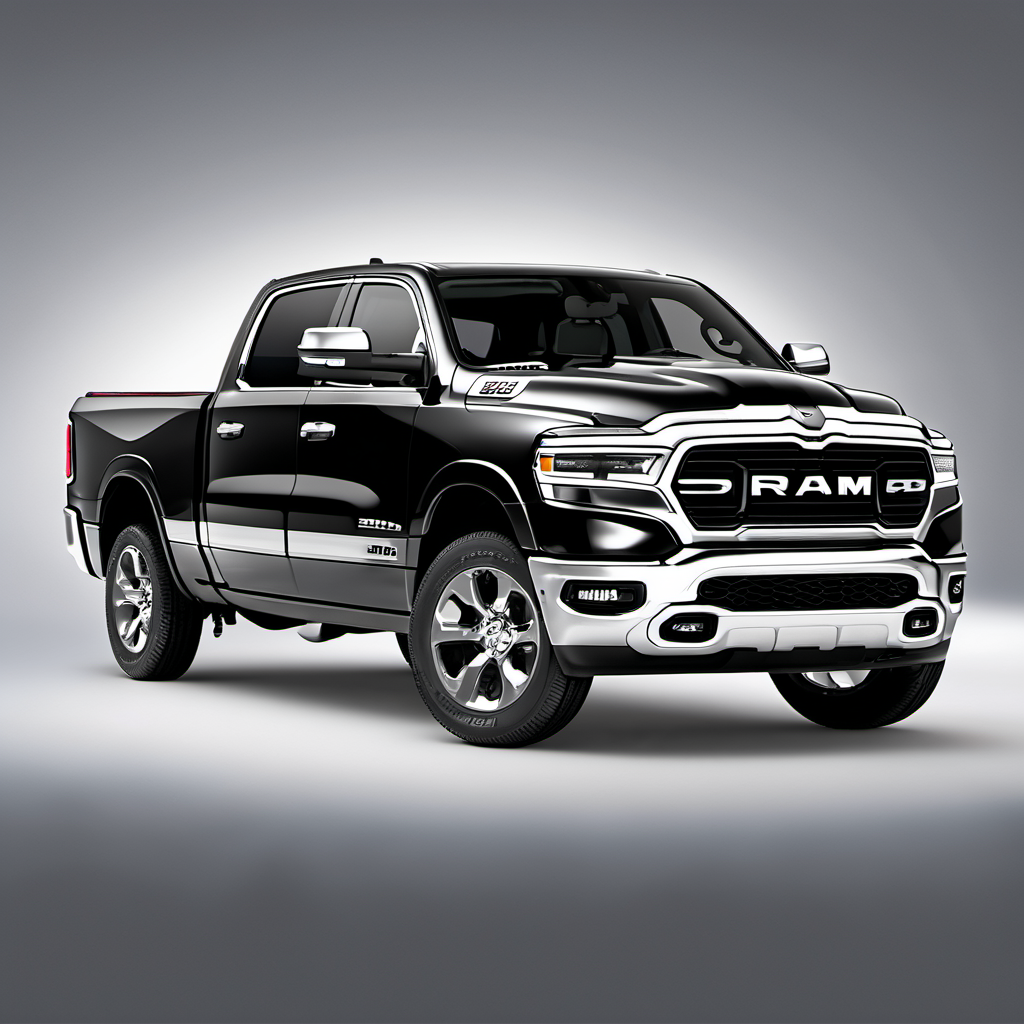
Best-in-class interior comfort and the coil-spring rear suspension gives a noticeably smoother ride than the Silverado's leaf springs. Comparable towing and payload. eTorque mild hybrid standard on V8.
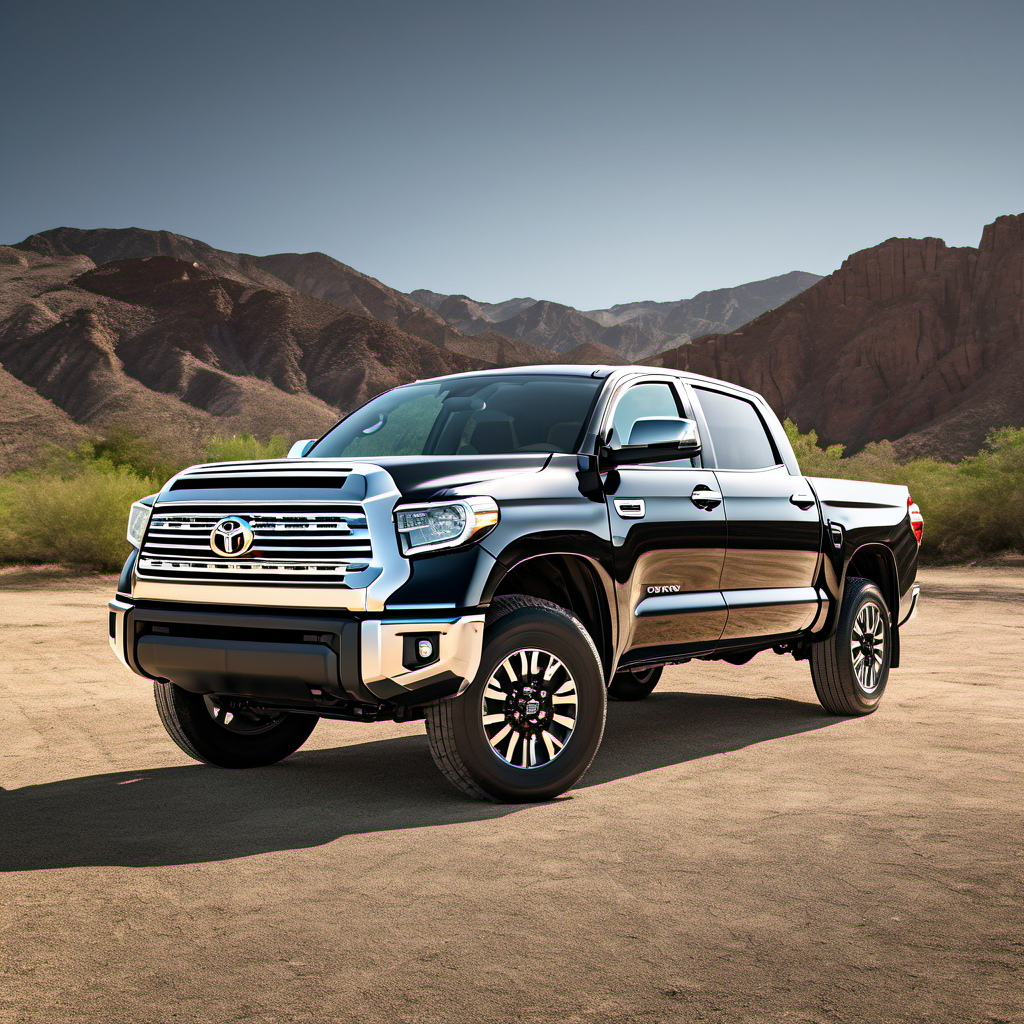
Iforce Max twin-turbo V6 hybrid standard across all trims. Toyota's long reliability reputation. Lower max tow rating than the Silverado 5.3L but stronger resale value and fewer AFM-style concerns.
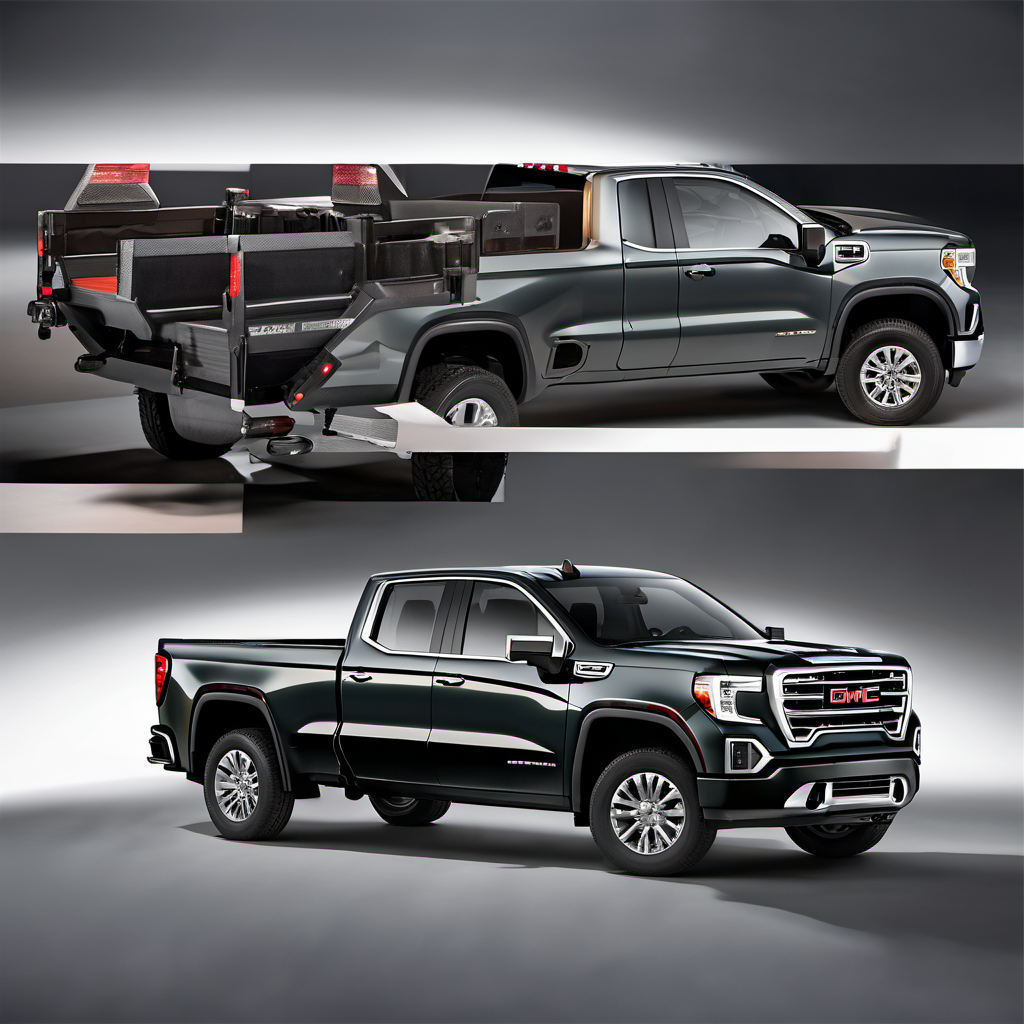
Mechanically identical to the Silverado — same platform, same engines, same AFM concerns. The Sierra offers a more premium interior on upper trims (MultiPro tailgate, AT4X off-road). Choose based on dealer relationship and styling preference, not mechanical differences.