Hybrid Battery Pack Deterioration
low- Typically appears
- 100,000–150,000 mi
- Estimated repair
- $3,500 – $5,000
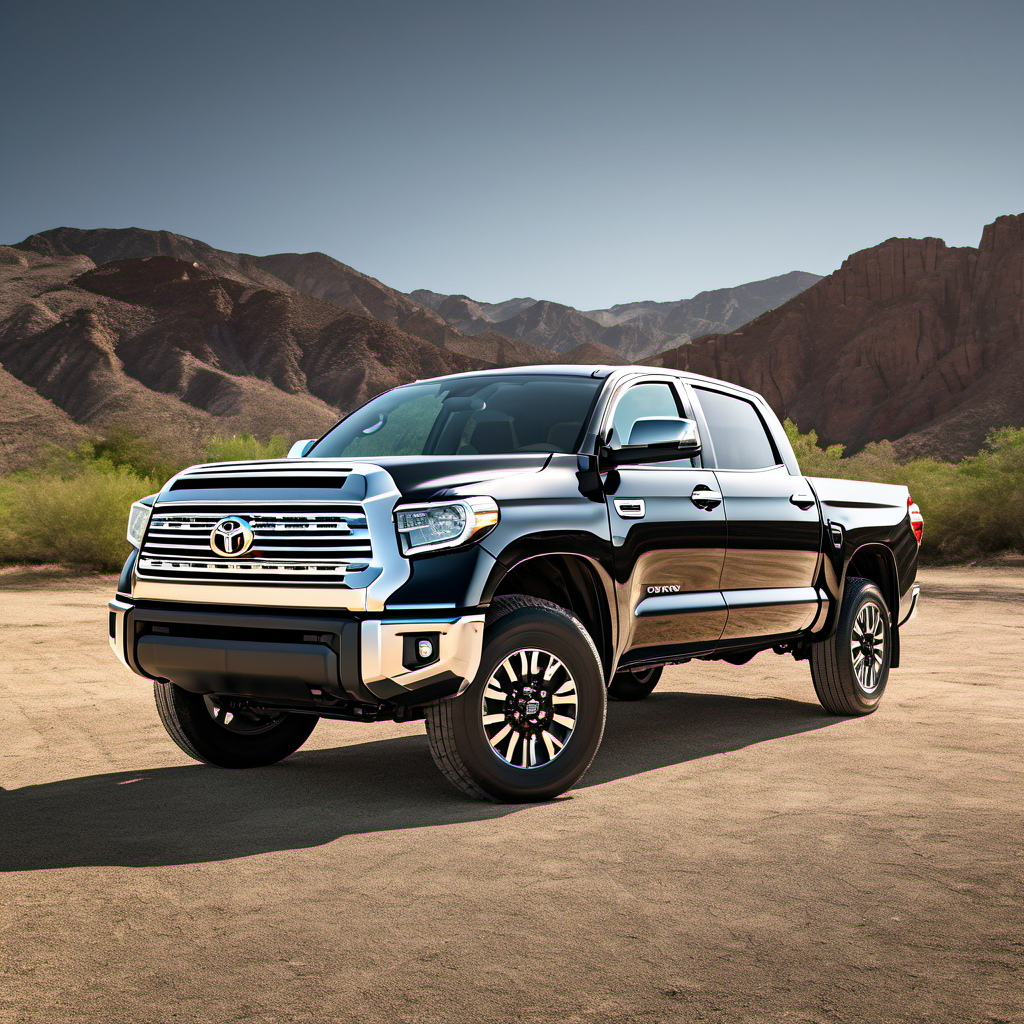
2024 Toyota
3.4L Twin-Turbo V6 + Electric Motor (iForce MAX)
The 2024 Toyota Tundra iForce MAX Hybrid CrewMax pairs a twin-turbocharged 3.4L V6 with an electric motor integrated into the 10-speed automatic transmission, producing a combined 437 hp and 583 lb-ft of torque — the hybrid system's real contribution is torque, not just fuel savings. This is the third generation of the Tundra platform (launched 2022), and the first to offer a hybrid powertrain as a standard option alongside the non-hybrid version. For a full-size truck that can tow 12,000 lbs, the iForce MAX delivers real-world fuel economy in the low-to-mid 20s combined — genuinely impressive for the segment. The CrewMax body offers a large rear cabin that competes with anything in the class. Build quality is notably improved over the previous generation. This is still a relatively young platform; long-term hybrid durability data beyond 150,000 miles is limited. Toyota backs the hybrid components with a 10-year/150,000-mile powertrain warranty, which provides meaningful coverage. Early owners have flagged infotainment software quirks and some hybrid system integration questions, but no widespread mechanical failures have surfaced.
The 2024 Toyota Tundra iForce MAX Hybrid CrewMax pairs a twin-turbocharged 3.4L V6 with an electric motor integrated into the 10-speed automatic transmission, producing a combined 437 hp and 583 lb-ft of torque — the hybrid system's real contribution is torque, not just fuel savings. This is the third generation of the Tundra platform (launched 2022), and the first to offer a hybrid powertrain as a standard option alongside the non-hybrid version. For a full-size truck that can tow 12,000 lbs, the iForce MAX delivers real-world fuel economy in the low-to-mid 20s combined — genuinely impressive for the segment. The CrewMax body offers a large rear cabin that competes with anything in the class. Build quality is notably improved over the previous generation. This is still a relatively young platform; long-term hybrid durability data beyond 150,000 miles is limited. Toyota backs the hybrid components with a 10-year/150,000-mile powertrain warranty, which provides meaningful coverage. Early owners have flagged infotainment software quirks and some hybrid system integration questions, but no widespread mechanical failures have surfaced.
Twin-turbo engine runs hotter oil; full synthetic at 0W-20 is factory-required. Don't stretch intervals — turbo bearings depend on clean oil.
Wisconsin road salt and dust load up cabin filters faster than the manufacturer's baseline assumes. Keeps HVAC airflow and air quality up.
Dirty air filter causes the turbos to work harder, reducing efficiency and increasing wear. Inspect annually in dusty or gravel-road conditions.
The 10-speed automatic handles enormous torque from the hybrid system. Fresh fluid preserves clutch packs and shift quality, especially with frequent towing.
Brake fluid absorbs moisture over time, lowering boiling point. Critical on a 5,700-lb truck that tows up to 12,000 lbs — fade risk is real under load.
Four-wheel drive components need clean gear oil, especially with Wisconsin winters and frequent four-wheel engagement. LSD additive prevents rear diff chatter.
The hybrid system adds a separate cooling loop for the battery and inverter. Use only Toyota SLLC; mixing with other coolants can cause precipitation and blockages.
Covered under Toyota's 10-year/150,000-mile hybrid warranty. Have the pack capacity tested before warranty expiration so any degradation is documented and addressed on Toyota's dime.
Always defer to the manufacturer's service manual for warranty-mandated intervals.
Day-to-day running costs are reasonable for a full-size truck — the hybrid system pays back at the pump. Annual maintenance stays under $750 in normal years (oil changes, filters, fluids). The one big financial exposure is the hybrid battery after 150,000 miles and warranty expiration, which could run $3,500–$5,000+ at that point. Budget for it as a known future cost. Tires on a 5,700-lb truck are also a significant expense — quality all-terrain or all-season tires run $250–$400 each.
The F-150 Hybrid (PowerBoost) is the most direct competitor — similar tow rating (~12,700 lbs), similar hybrid fuel economy advantage, and a full-size crew cab. The F-150 offers a Pro Power Onboard generator feature the Tundra lacks.
No catalog matchThe RAM 1500 with mild-hybrid eTorque system isn't a full hybrid but targets the same buyer — smooth ride, crew cab, strong V6 or V8 options. Lower fuel savings than the Tundra but a more polished interior and softer ride.
No catalog match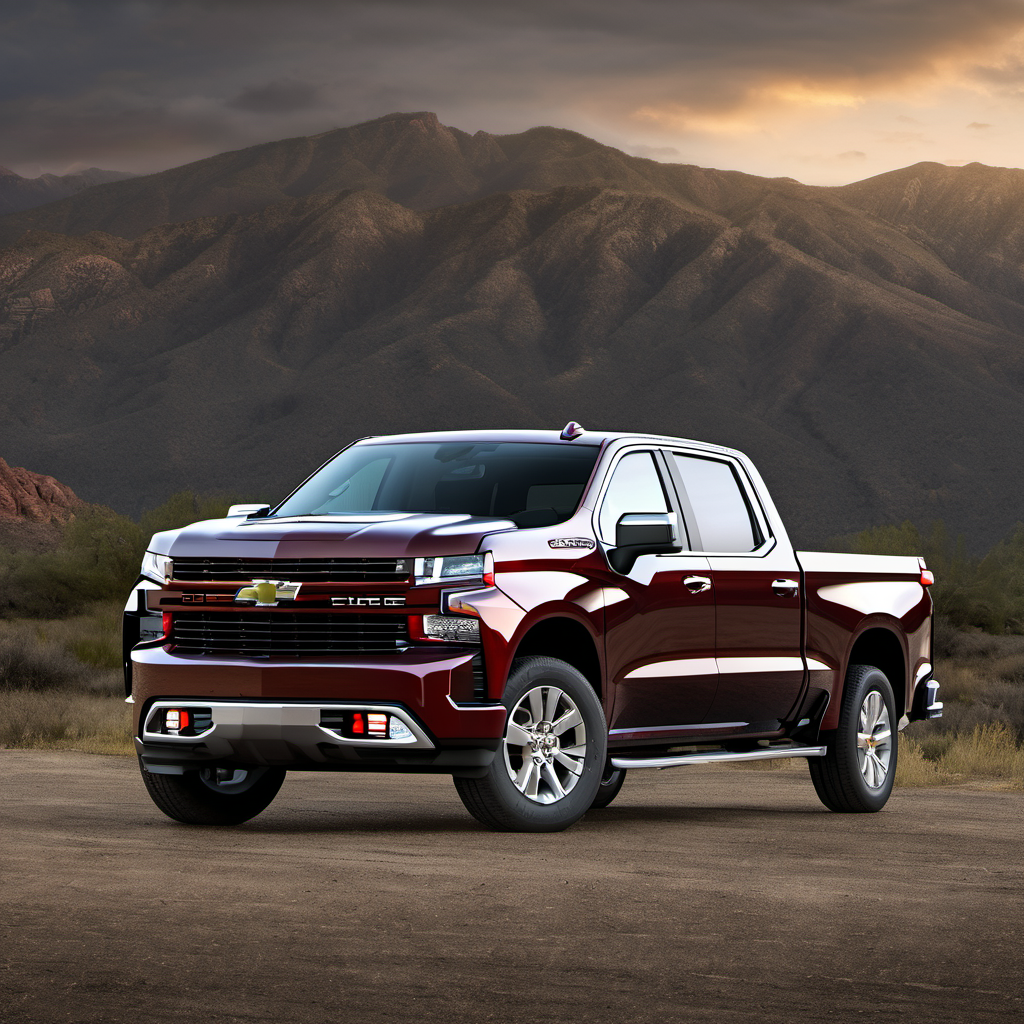
The Silverado with the 3.0L Duramax diesel hits similar fuel economy numbers and tow ratings without a hybrid system. A strong alternative if the buyer wants long-term diesel simplicity over hybrid complexity.
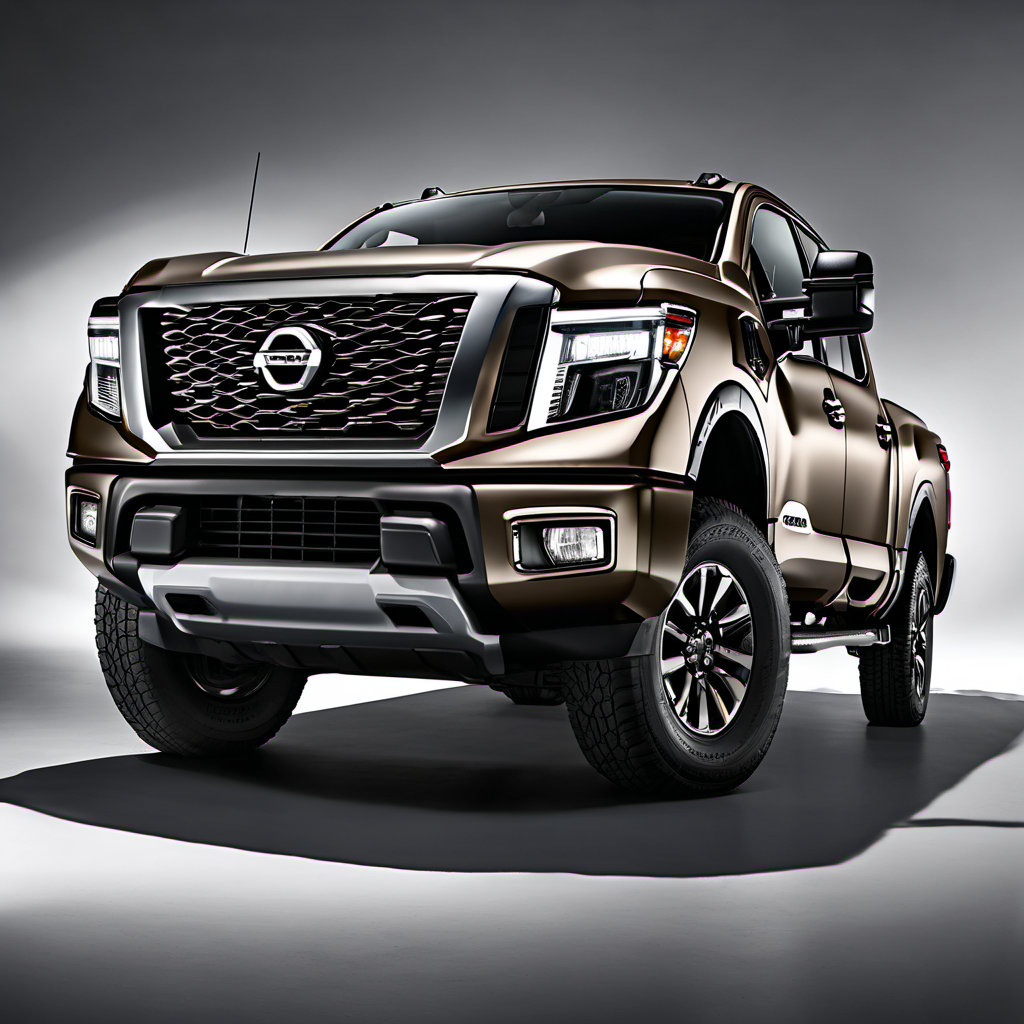
The Titan is the closest non-hybrid full-size Japanese truck competitor. It has a simpler powertrain and lower price but a significantly lower tow rating and smaller dealer/service network.