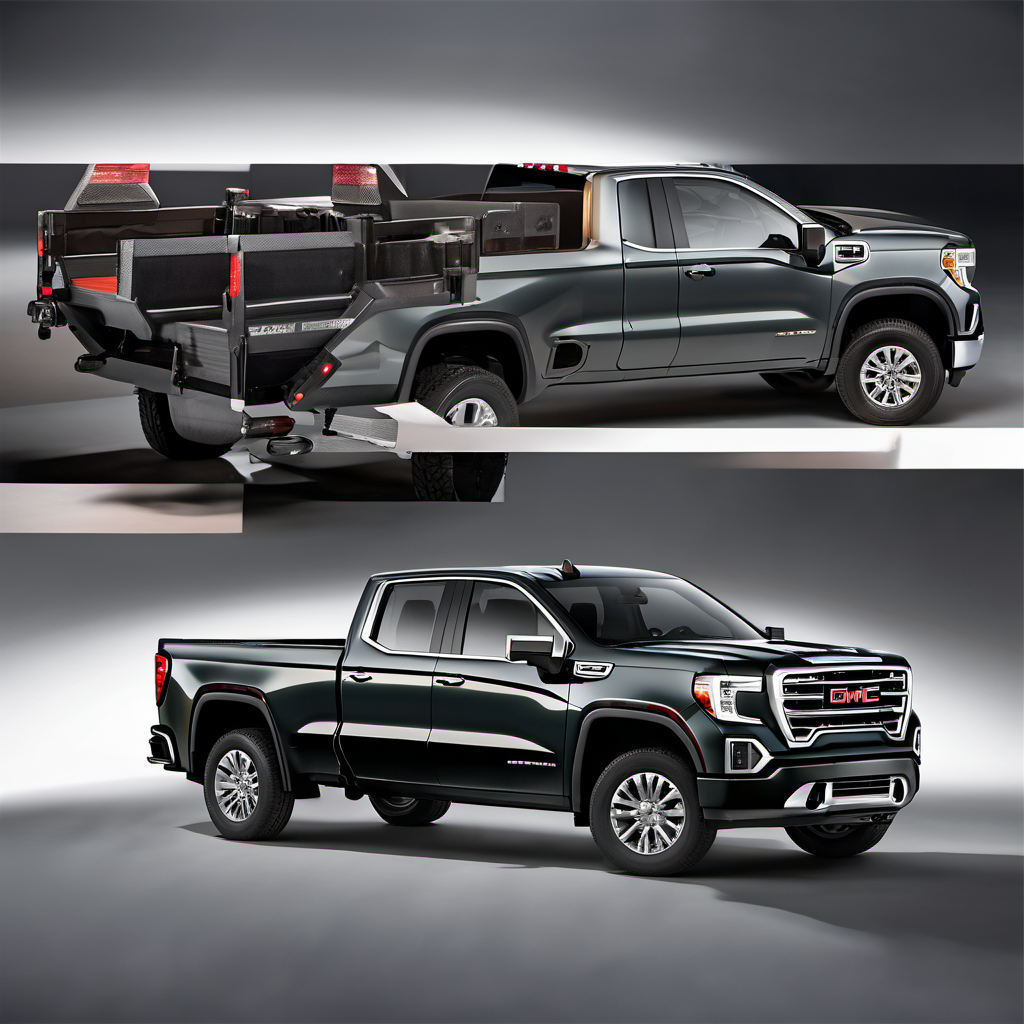
2024 GMC Sierra 1500 Regular Cab

2024 GMC

Sierra 1500 Regular Cab

5.3L V8 EcoTec3 with AFM

The 2024 GMC Sierra 1500 Regular Cab is GMC's workhorse configuration — a no-frills, maximum-payload layout built around the proven 5.3L V8. It skips the extra doors and rear seat in favor of a longer bed and a tighter turning radius, making it the choice for contractors, farmers, and anyone who needs a true work truck rather than a lifestyle hauler. Under the hood, the EcoTec3 5.3L V8 continues to be one of the most dependable engines in the half-ton segment. Active Fuel Management (AFM) cylinder deactivation is present on this engine, which improves highway fuel economy but introduces its own long-term reliability considerations at higher mileage. The 10-speed automatic is responsive but has a documented shudder complaint in the 2023–2024 model years. For Lake Geneva-area buyers, the Sierra's robust 4WD system, high ground clearance, and proven cold-weather starting reliability make it a strong winter tool. Salt exposure on the frame and underbody is the single biggest long-term threat here — preventive care pays dividends.

Reliability
3/5
Verified data
Engine
[object Object]
Drivetrain
4WD
Fuel
Gasoline
MPG
15 city / 21 hwy / 17 combined
Seats
3
Doors
2
Body
Pickup
MSRP
$38,000

Overview

AI-curated

The 2024 GMC Sierra 1500 Regular Cab is GMC's workhorse configuration — a no-frills, maximum-payload layout built around the proven 5.3L V8. It skips the extra doors and rear seat in favor of a longer bed and a tighter turning radius, making it the choice for contractors, farmers, and anyone who needs a true work truck rather than a lifestyle hauler. Under the hood, the EcoTec3 5.3L V8 continues to be one of the most dependable engines in the half-ton segment. Active Fuel Management (AFM) cylinder deactivation is present on this engine, which improves highway fuel economy but introduces its own long-term reliability considerations at higher mileage. The 10-speed automatic is responsive but has a documented shudder complaint in the 2023–2024 model years. For Lake Geneva-area buyers, the Sierra's robust 4WD system, high ground clearance, and proven cold-weather starting reliability make it a strong winter tool. Salt exposure on the frame and underbody is the single biggest long-term threat here — preventive care pays dividends.

Known for
  • Durable EcoTec3 5.3L V8 with strong towing and payload figures
  • Best-in-class-competitive 9,500 lb tow rating for this configuration
  • Higher-end interior materials and fit/finish versus base competitors
  • Capable GM 4WD system with dedicated low range
Best for
  • Contractors and tradespeople needing maximum payload in a half-ton
  • Towing mid-size trailers or boats regularly
  • Rural and farm use where ground clearance and 4WD matter
  • Buyers who want V8 reliability without the complexity of a crew cab
Watch for
  • AFM/cylinder deactivation lifter failures at higher mileage — a known GM 5.3L issue
  • Transmission shudder reported on 2023–2024 models (TSB 23-NA-001)
  • Infotainment freezing and reboots (TSB 23-NA-002) — a nuisance, not a safety issue
  • Frame and underbody rust from road salt — critical concern in Wisconsin
  • Tailgate latch mechanism complaints on newer builds

Common issues by mileage

6 known

Transmission Shudder / Vibration

high
Typically appears
20–50k mi
Estimated repair
$200 – $500

AFM Lifter Failure (Active Fuel Management)

medium
Typically appears
80–150k mi
Estimated repair
$2,500 – $5,500

VVT / Oil Control Solenoid Faults

medium
Typically appears
60–120k mi
Estimated repair
$150 – $600

Infotainment System Freeze / Reboot

high
Typically appears
0–30k mi
Estimated repair
$0 – $250

Tailgate Latch / Mechanism Issues

low
Typically appears
10–60k mi
Estimated repair
$100 – $400

Battery Drain in Cold Weather

medium
Typically appears
0–80k mi
Estimated repair
$150 – $350

Maintenance schedule

  1. 1
    Every 7,500 miles or 12 months, whichever comes first — do not wait for the full oil life monitor reading in hard-use or cold-climate conditions Engine Oil & Filter Change

    0W-20 full synthetic is specified. Fresh oil is the single best defense against AFM lifter wear and VVT solenoid fouling on this engine. Eight-quart capacity — don't rush the drain.

  2. 2
    Every 45,000–50,000 miles if towing or plowing; every 97,500 miles for normal use Transmission Fluid Service

    The 10-speed automatic runs Dexron-VI. Towing and hard use degrade fluid faster. A fluid flush is also the first step in resolving the known shudder complaint — don't skip it.

  3. 3
    Every 7,500 miles (with each oil change) Tire Rotation

    4WD trucks wear tires unevenly without regular rotation. Mismatched wear can stress the transfer case and front differential.

  4. 4
    Each fall before winter, and a rinse inspection each spring Underbody / Frame Rust Inspection & Treatment

    Lake Geneva roads get heavy salt from October through March. The Sierra's fully boxed frame holds up well, but the brake lines, fuel lines, and suspension mounting points are vulnerable. Annual inspection and touch-up with rust inhibitor extends life significantly.

  5. 5
    Every 45,000 miles or 36 months Air Filter Replacement

    Dusty work environments and gravel roads shorten this interval. A clogged filter strains the MAF sensor and reduces power noticeably on a V8.

  6. 6
    Every 30,000 miles or 24 months Cabin Air Filter Replacement

    Often overlooked on trucks. A plugged cabin filter reduces defrost performance — a real problem in Wisconsin winters.

  7. 7
    Every 100,000 miles (iridium plugs) Spark Plug Replacement

    The EcoTec3 5.3L uses long-life iridium plugs, but worn plugs increase misfire risk and can mask early AFM lifter symptoms. Replace on schedule.

  8. 8
    Every 5 years or 150,000 miles DEX-COOL Coolant Flush

    DEX-COOL has a long service life but degrades over time and can become acidic. The 15.3-quart system capacity means a neglected flush is expensive if it causes a water pump or heater core failure.

Always defer to the manufacturer's service manual for warranty-mandated intervals.

Cost of ownership

Annual maintenance
$600 – $1,200
Fuel
At 17 MPG combined and ~15,000 miles/year, expect roughly $2,600–$3,200/year in fuel at current Upper Midwest prices. Towing or heavy hauling will push this higher.
Insurance
Typically $1,400–$2,000/year for a full-size pickup in Wisconsin depending on coverage level, driving record, and garaging. Regular cab body style is generally cheaper to insure than crew cab.

The Sierra 1500 is not a cheap truck to own, but it's not unreasonable for the segment. Routine maintenance runs $600–$1,200/year under normal use. Fuel is the biggest line item. The wild card is an AFM lifter job if it hits — that's a $3,000–$5,500 event. Staying on top of oil changes is the best insurance against it.
Seasonal care

Lake Geneva, WI
Winter
  • Test the battery before first hard freeze — the electronics suite and engine block heater draw are significant. Replace any battery showing less than 500 CCA or more than 3 years of Wisconsin winters.
  • Switch to a winter-rated washer fluid rated to at least -20°F. The 5.3L runs fine in sub-zero temps but a frozen washer nozzle is a visibility hazard.
  • Rinse the underbody and wheel wells every 2 weeks during heavy salt season — don't let brine sit on brake lines and frame rails.
  • Confirm 4WD engagement (both 4Hi and 4Lo) before the season — a transfer case actuator that's been sitting unused can stick.
  • Check tire pressure weekly — pressure drops roughly 1 PSI for every 10°F temperature drop. Underinflated tires on a 4,600 lb truck lose braking distance fast on ice.
  • Keep the fuel tank above half when temps are below 10°F to reduce moisture condensation in the tank and fuel lines.
Summer
  • Inspect the A/C system before summer heat — the cab on a regular cab truck heats up fast without a working system.
  • Check coolant concentration and condition — DEX-COOL should be tested for freeze/boil protection. The 15.3-quart system is large and slow to show problems.
  • Monitor tire pressure — pressure rises in heat and an already-overinflated tire on a loaded work truck can cause irregular wear or blowout risk.
  • Towing in summer heat places extra load on the transmission cooler — watch for transmission temp warnings and allow cool-down time after long pulls.
  • Inspect the bed and tailgate hardware for UV degradation and lubricate the tailgate latch and hinges to prevent the known sticking issue.

Comparable vehicles

2024 Ford F-150 Regular Cab
2024 Ford
F-150 Regular Cab

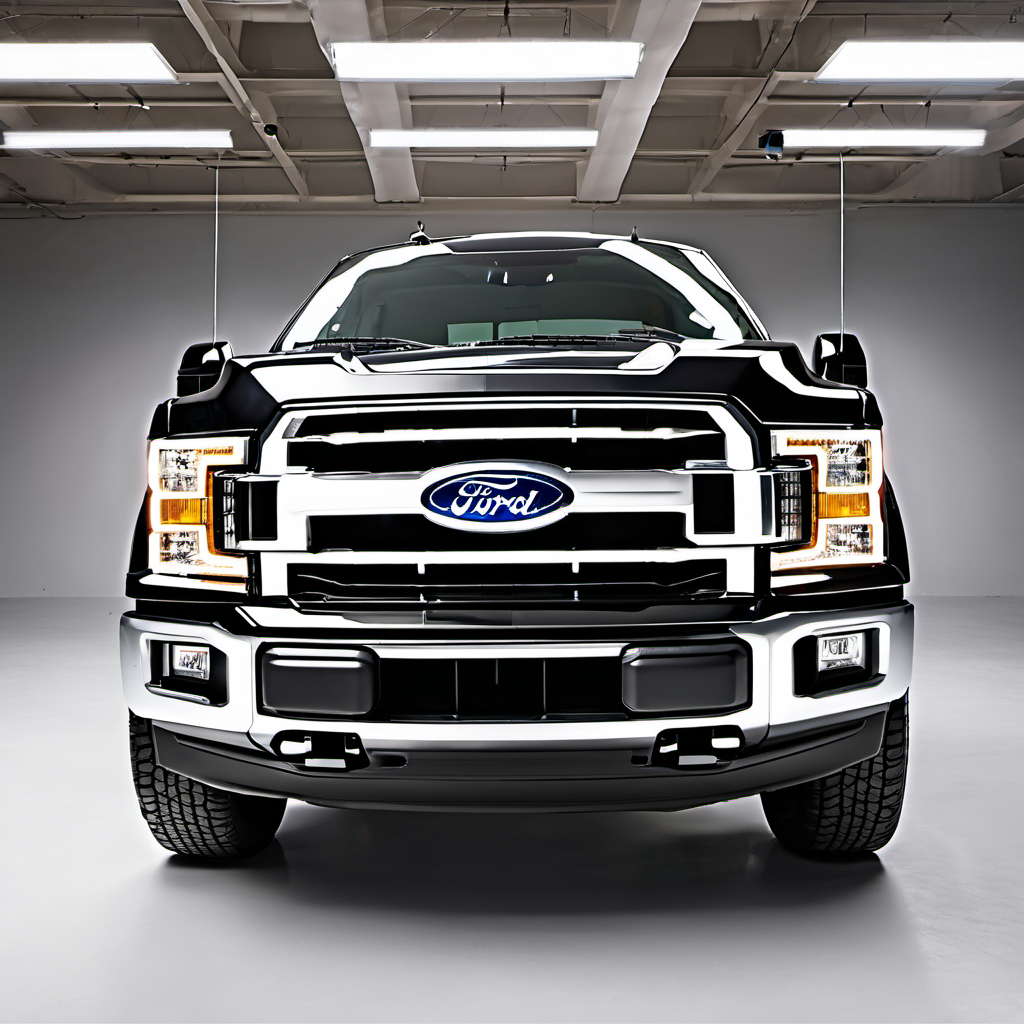
The closest direct competitor — similar payload, similar price range, available V8 or EcoBoost V6. The 5.0L V8 avoids AFM complexity; the 3.5L EcoBoost offers more torque but more potential repair cost at high mileage.

2024 Ram
1500 Regular Cab

Ram's coil-spring rear suspension gives a noticeably smoother ride under light loads. eTorque mild hybrid improves fuel economy. Less common in the work-truck fleet but a strong alternative.

No catalog match
2024 Toyota
Tundra Regular Cab

Toyota's twin-turbo V6 hybrid powertrain is more fuel-efficient and Toyota's long-term reliability reputation is strong. Less towing capacity than the Sierra in base config, but a serious long-haul durability contender.

No catalog match
2024 Chevrolet Silverado 1500 Regular Cab
2024 Chevrolet
Silverado 1500 Regular Cab

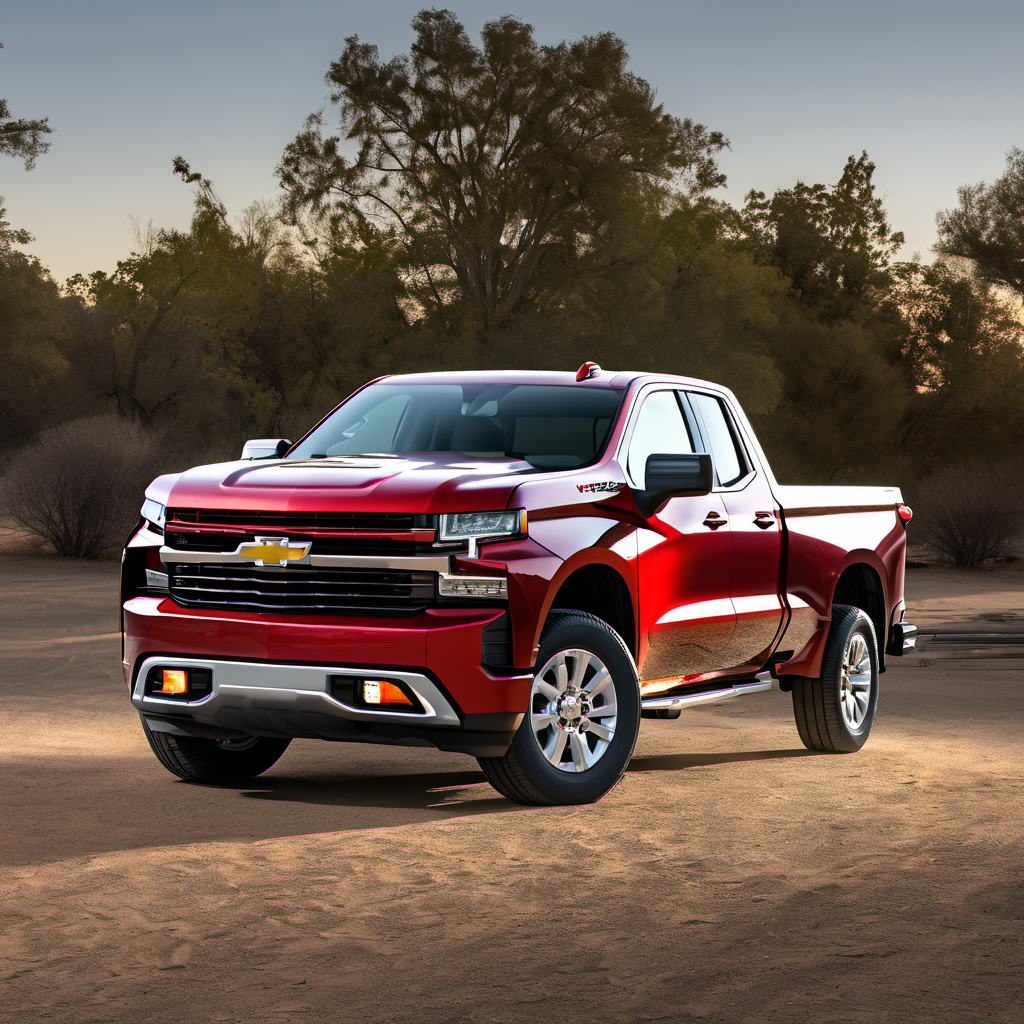
Mechanically identical to the Sierra — same engine, transmission, frame, and most components. The Sierra typically carries a small price premium for interior upgrades. If the budget is tight, the Silverado offers the same drivetrain for less.

AI profile generated 4 days ago · claude-sonnet-4-6 · v2.