12V Auxiliary Battery Drain / Failure
medium- Typically appears
- 30–60k mi or 3–5 years
- Estimated repair
- $150 – $350
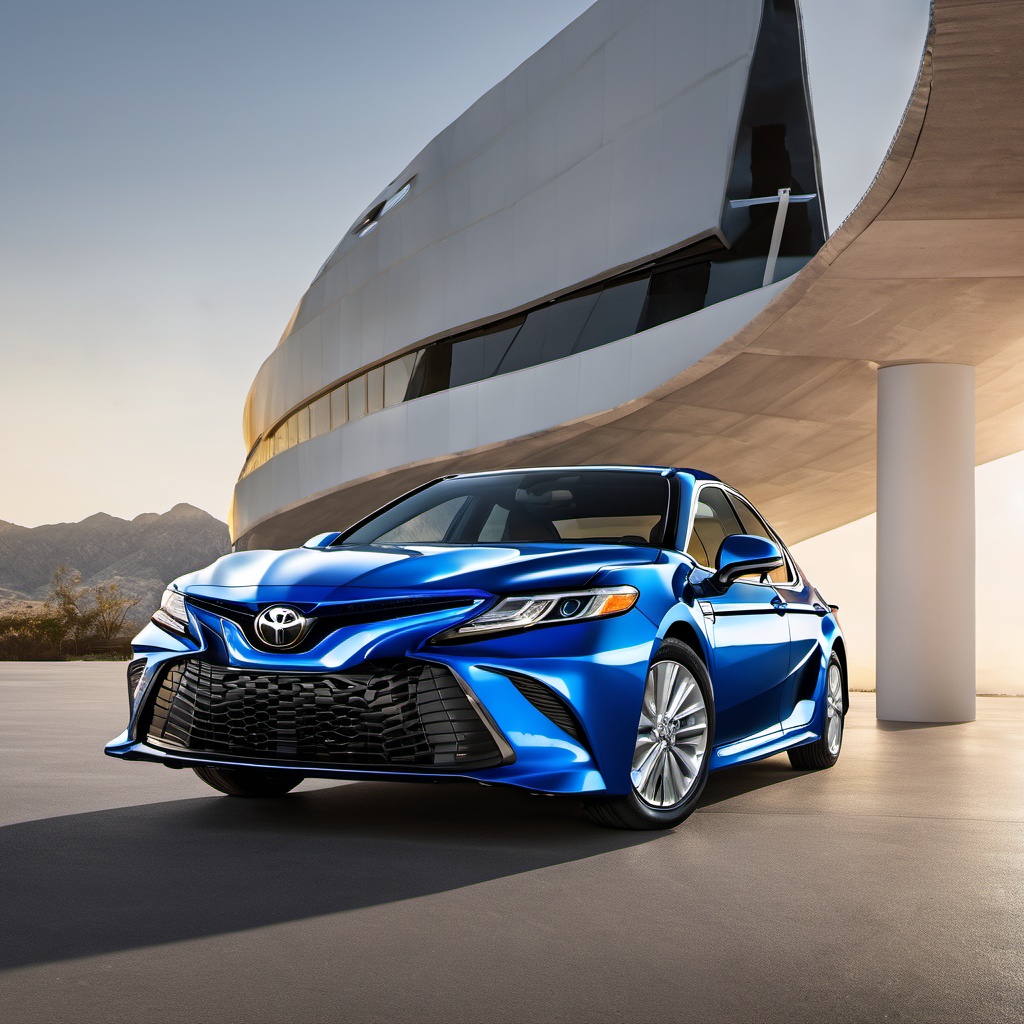
2023 Toyota
2.5L I4 Atkinson-cycle + Hybrid Motor System · Sedan
The 2023 Toyota Camry Hybrid pairs a 2.5L Atkinson-cycle four-cylinder engine with Toyota's fifth-generation hybrid system to deliver a combined 208 horsepower and EPA-rated fuel economy that regularly beats 50 MPG in mixed driving. It's a refined, roomy midsize sedan that doesn't feel like a compromise — the hybrid powertrain is smooth, nearly silent at low speeds, and genuinely saves money at the pump over years of ownership. Toyota has been making hybrid Camrys since 2006, and by 2023 the formula is mature and well-debugged. The hybrid battery carries an 8-year/100,000-mile federal warranty (10 years in CARB states), which covers the most expensive potential repair on the car. Regenerative brakes reduce wear on the friction brake pads and rotors — many owners report original brake hardware lasting well past 80,000 miles. For a Lake Geneva driver, this car makes strong daily-driver sense: the hybrid system cuts engine-off idle time, the interior is quiet and comfortable for highway commutes, and ongoing fuel and maintenance costs are genuinely lower than the gas-only Camry. The main thing to plan for is the small 12V auxiliary battery — it still needs periodic replacement just like any other car, and it can drain faster in cold Wisconsin winters if the car sits.
The 2023 Toyota Camry Hybrid pairs a 2.5L Atkinson-cycle four-cylinder engine with Toyota's fifth-generation hybrid system to deliver a combined 208 horsepower and EPA-rated fuel economy that regularly beats 50 MPG in mixed driving. It's a refined, roomy midsize sedan that doesn't feel like a compromise — the hybrid powertrain is smooth, nearly silent at low speeds, and genuinely saves money at the pump over years of ownership. Toyota has been making hybrid Camrys since 2006, and by 2023 the formula is mature and well-debugged. The hybrid battery carries an 8-year/100,000-mile federal warranty (10 years in CARB states), which covers the most expensive potential repair on the car. Regenerative brakes reduce wear on the friction brake pads and rotors — many owners report original brake hardware lasting well past 80,000 miles. For a Lake Geneva driver, this car makes strong daily-driver sense: the hybrid system cuts engine-off idle time, the interior is quiet and comfortable for highway commutes, and ongoing fuel and maintenance costs are genuinely lower than the gas-only Camry. The main thing to plan for is the small 12V auxiliary battery — it still needs periodic replacement just like any other car, and it can drain faster in cold Wisconsin winters if the car sits.
The Atkinson-cycle engine runs at lower temperatures and with less stress than a conventional engine, so 10k-mile intervals are appropriate with 0W-16 full synthetic. Do not stretch beyond 12 months regardless of mileage — oil degrades over time even if the car sits. Using the correct 0W-16 viscosity is critical; thicker oil hurts fuel economy and can trigger VVT-related codes.
FWD layout puts more wear on the front tires. Regenerative braking reduces rear brake pad wear but doesn't reduce rear tire wear. Regular rotation keeps the set wearing evenly and maximizes tire life.
A clogged cabin filter strains the blower motor and reduces A/C and heat effectiveness. In Wisconsin, road salt dust and debris make this interval worth sticking to — don't push past 3 years.
Brake fluid absorbs moisture over time, lowering its boiling point. Even though regenerative braking reduces how often friction brakes engage, the fluid still ages. Fresh fluid protects the ABS and brake actuator components that are part of the hybrid brake-blending system.
The hybrid high-voltage battery gets all the attention, but the small 12V battery runs the car's electronics and is needed to wake up the hybrid system. Cold Wisconsin winters accelerate 12V battery aging. A weak battery can cause mysterious warning lights and no-start situations. Test it proactively — replacement is inexpensive.
Toyota's pink Super Long Life Coolant is genuinely long-lasting, but the hybrid system adds an inverter coolant loop that should be checked at the same time. Confirm both loops (engine and inverter) are filled to spec.
Dirty air filters reduce engine efficiency and fuel economy — the last thing you want to compromise on a car bought for its MPG. Wisconsin gravel roads and spring pollen can foul filters faster than the interval suggests; visually inspect annually.
The power electronics inverter has its own small coolant loop separate from the engine. Neglecting this loop can cause inverter overheating and expensive hybrid electronics repairs. It's a quick check during any major service.
Always defer to the manufacturer's service manual for warranty-mandated intervals.
The Camry Hybrid's higher sticker price pays back over time. Annual maintenance costs are genuinely lower than most competitors — no spark plugs until 120k miles, brake pads that can last 80k+ miles thanks to regenerative braking, and 10,000-mile oil change intervals. The main financial risk is an out-of-warranty high-voltage battery replacement, but that's a rare event before 150k miles and covered under Toyota's 8-year/100k-mile hybrid battery warranty when new.
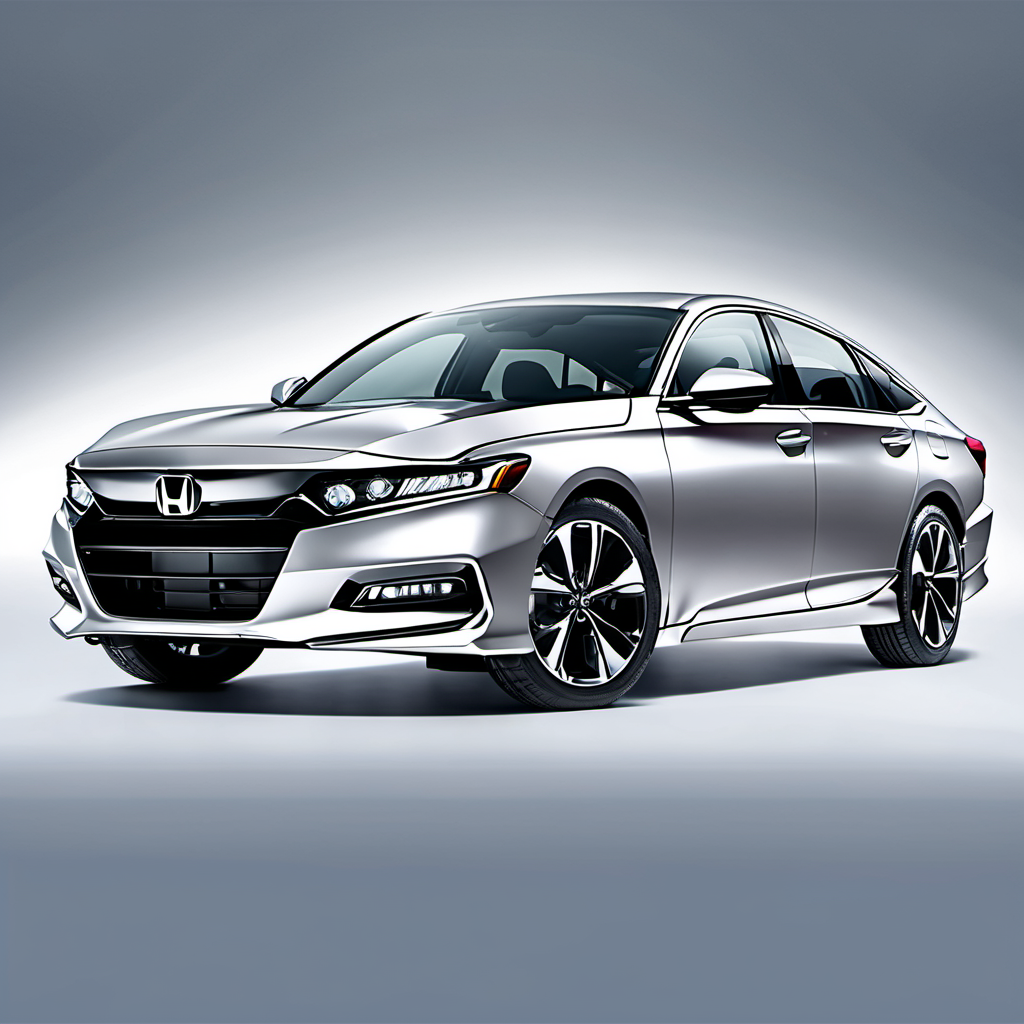
Same segment, similar hybrid efficiency (~48 MPG combined), slightly sportier driving feel and a more driver-focused interior. Strong reliability rival. Worth a back-to-back test drive.
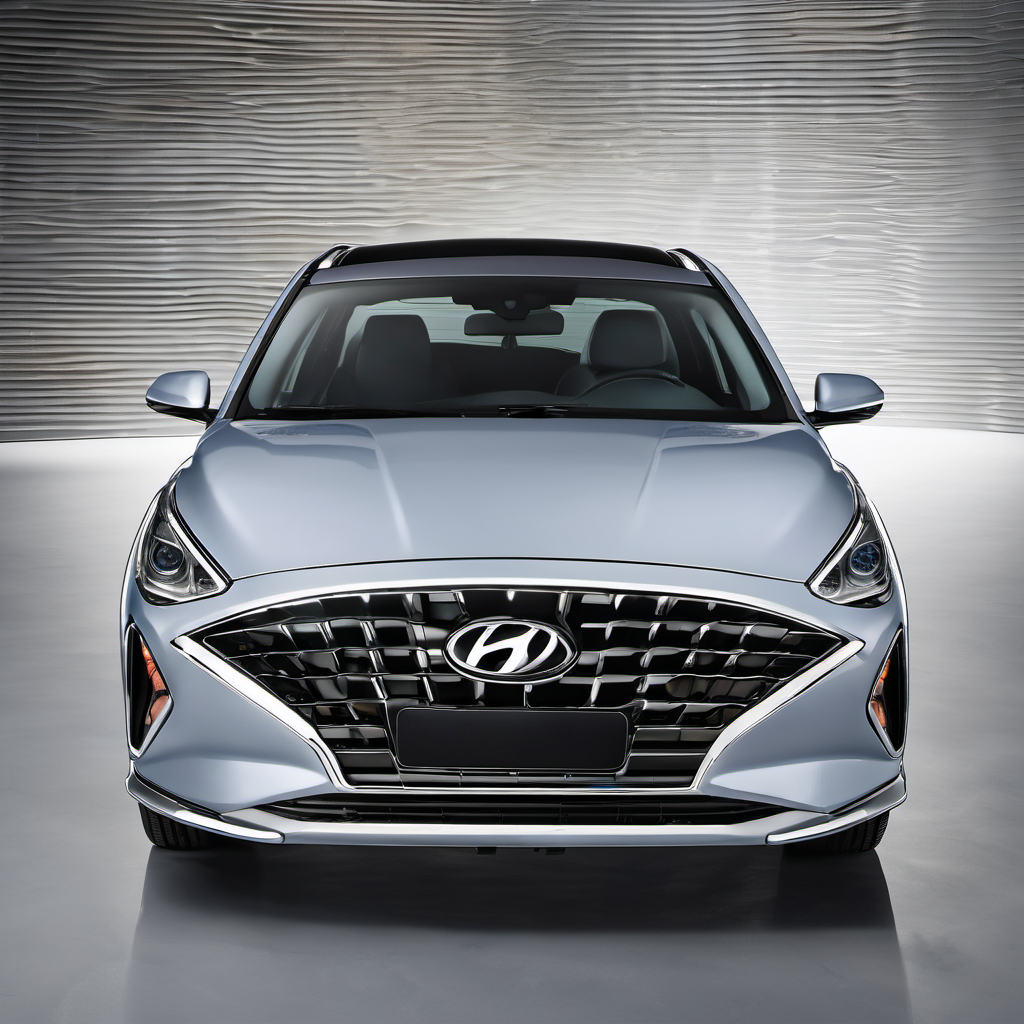
Competitive fuel economy, longer warranty coverage (10yr/100k powertrain), and often priced $1,500–$2,500 below the Camry Hybrid. Less resale value but lower entry cost.
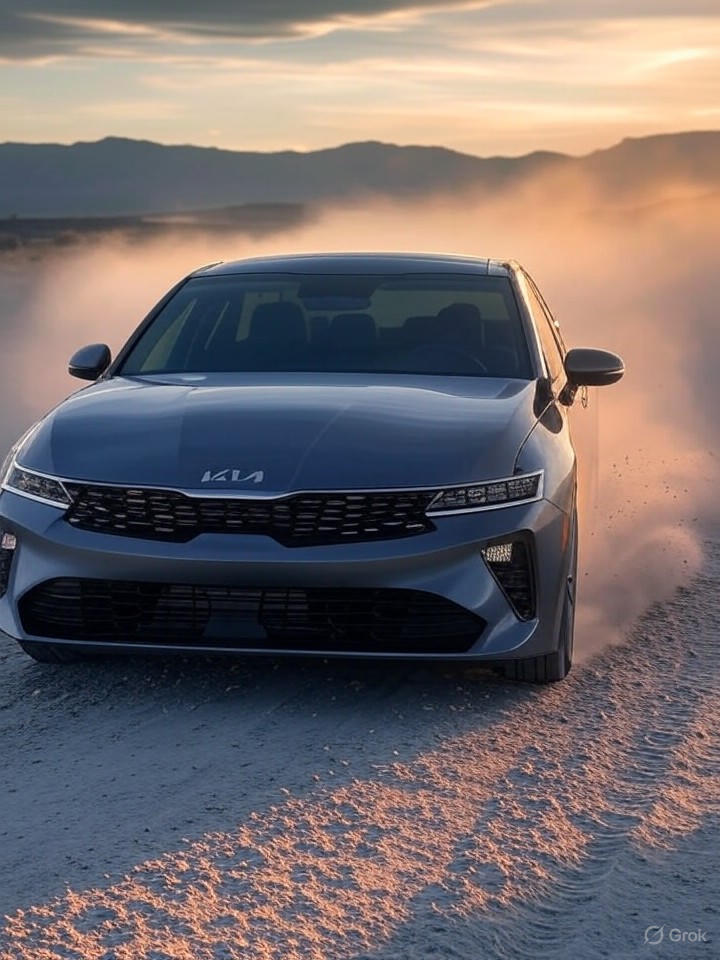
Sportier styling and similar hybrid efficiency; shares Hyundai's platform and warranty. A good alternative if the Camry feels too conservative visually.
If cross-shopping used — the Fusion Hybrid occupies the same fuel-efficient midsize space at a lower used price, though Ford discontinued the model after 2020 and long-term support differs.
No catalog match