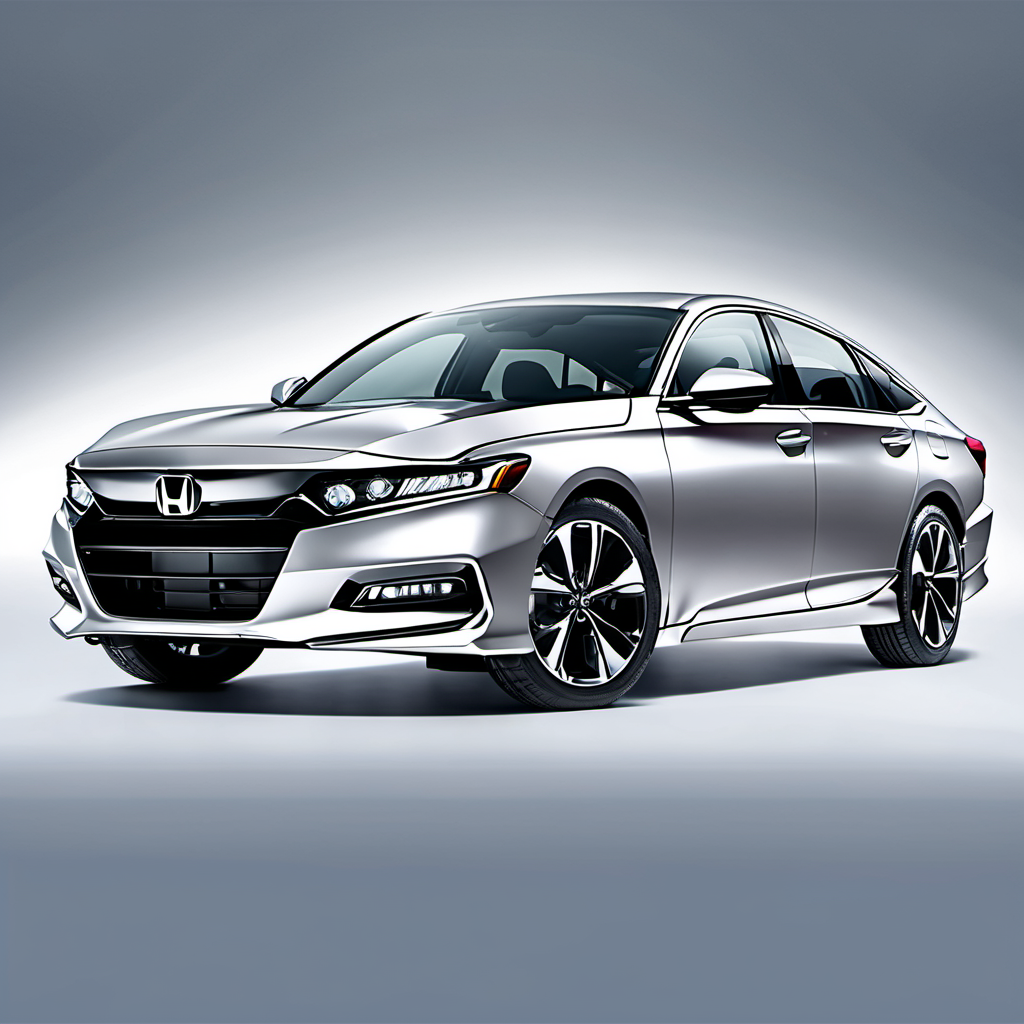
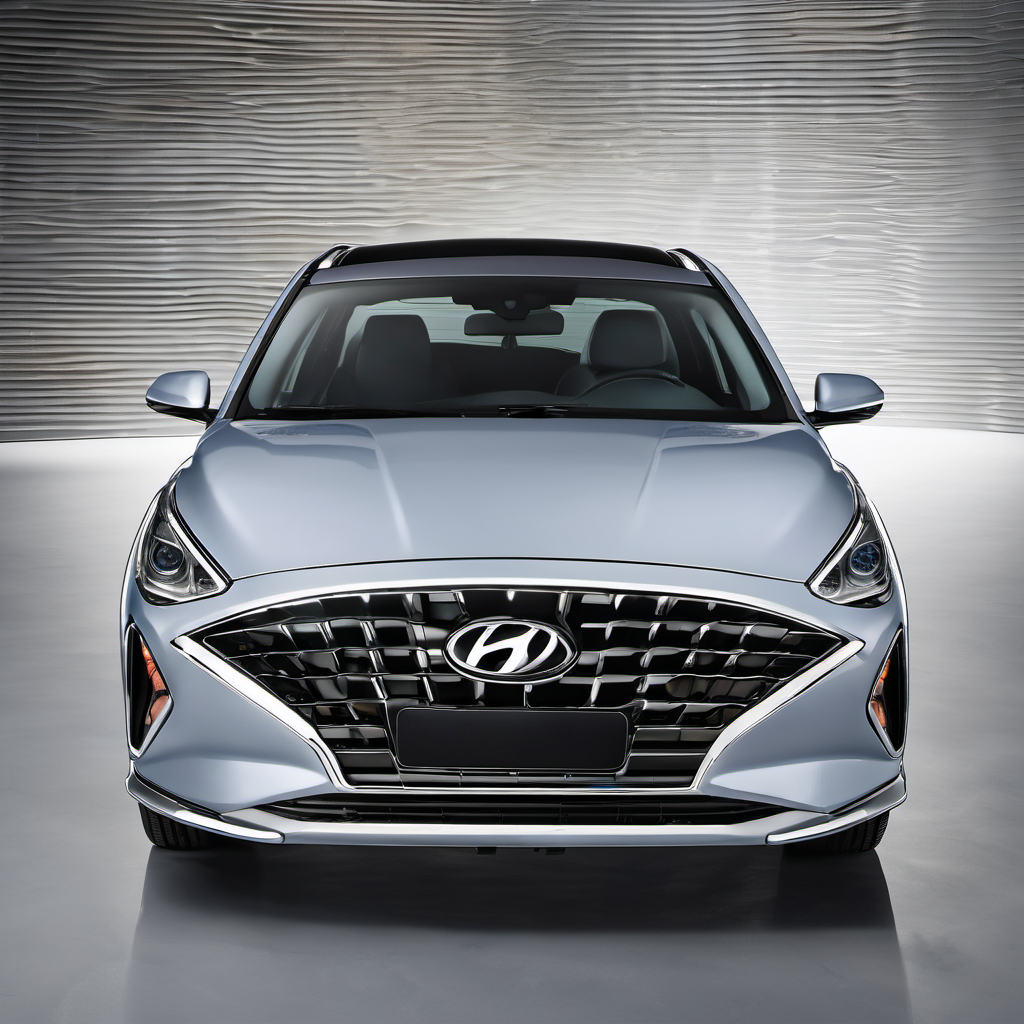
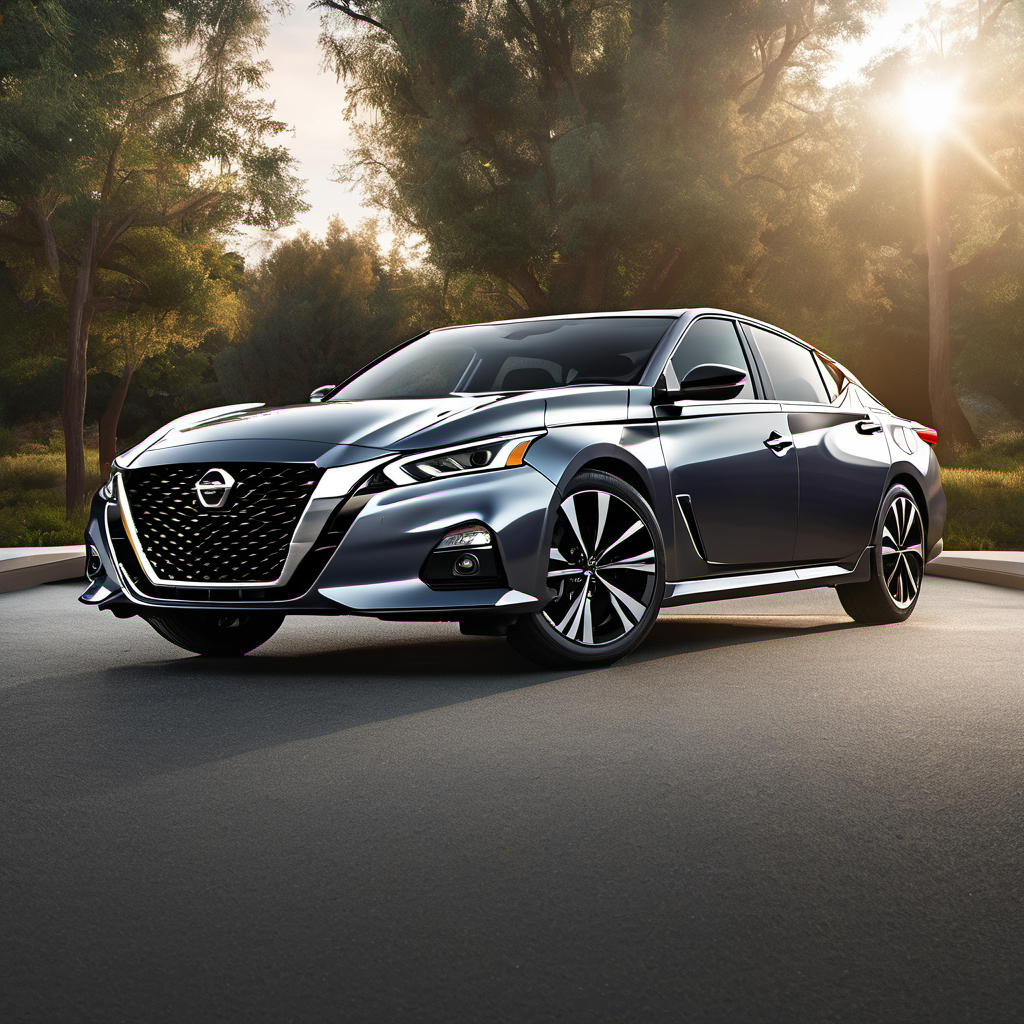
2023 Honda Accord Sedan

2023 Honda

AccordSedan

Sedan

The 2023 Honda Accord represents the eleventh generation of one of America's longest-running midsize sedans. This model year marked a significant departure — Honda dropped the non-hybrid 1.5T base engine mid-cycle and made the 2.0L two-motor hybrid system the standard powertrain across the lineup. The result is a car that delivers genuine efficiency (44 MPG combined) without feeling like a compromise: 204 horsepower, smooth power delivery, and a chassis that still rewards spirited driving. Inside, Honda modernized the cabin considerably with a cleaner dash, a larger portrait-oriented touchscreen, and improved materials throughout. Honda Sensing safety tech is standard on every trim. The Accord competes directly against the Toyota Camry and Nissan Altima but tends to win on driving dynamics and interior refinement at comparable price points. For Lake Geneva-area buyers, the hybrid system's ability to run primarily on electric power at low speeds makes it an efficient daily driver in stop-and-go conditions. The 12V auxiliary battery still needs attention in Wisconsin winters, and the hybrid high-voltage battery pack should be kept in mind for long-term ownership planning.

Reliability
4/5
Verified data
Specs shown for Accord Hybrid Sport/Touring — the most common configuration. Other trims may vary in engine, drivetrain, or fuel economy. Sign in to see your vehicle's exact specs.
Engine
[object Object]
Drivetrain
FWD
Fuel
Gasoline
MPG
46 city / 41 hwy / 44 combined
Seats
Doors
Body
Midsize Cars
Length
195.7 inches

Overview

AI-curated

The 2023 Honda Accord represents the eleventh generation of one of America's longest-running midsize sedans. This model year marked a significant departure — Honda dropped the non-hybrid 1.5T base engine mid-cycle and made the 2.0L two-motor hybrid system the standard powertrain across the lineup. The result is a car that delivers genuine efficiency (44 MPG combined) without feeling like a compromise: 204 horsepower, smooth power delivery, and a chassis that still rewards spirited driving. Inside, Honda modernized the cabin considerably with a cleaner dash, a larger portrait-oriented touchscreen, and improved materials throughout. Honda Sensing safety tech is standard on every trim. The Accord competes directly against the Toyota Camry and Nissan Altima but tends to win on driving dynamics and interior refinement at comparable price points. For Lake Geneva-area buyers, the hybrid system's ability to run primarily on electric power at low speeds makes it an efficient daily driver in stop-and-go conditions. The 12V auxiliary battery still needs attention in Wisconsin winters, and the hybrid high-voltage battery pack should be kept in mind for long-term ownership planning.

Known for
  • Best-in-class hybrid fuel economy for a midsize sedan (44 MPG combined)
  • Responsive, car-like handling with a well-tuned suspension
  • Comprehensive Honda Sensing driver-assist suite standard on all trims
  • Strong long-term reliability track record across Accord generations
Best for
  • Daily commuters who want efficiency without giving up refinement
  • Families needing a practical 5-passenger sedan with modern safety tech
  • High-mileage drivers who want to minimize fuel costs
  • Buyers coming off older Accords looking for a modern upgrade
Watch for
  • Infotainment system glitches and slow response reported on early 2023 units
  • Brake noise complaints more frequent than expected for a new model
  • 12V auxiliary battery vulnerable to cold-weather drain in sub-zero temps
  • Hybrid system adds complexity and long-term repair cost vs. a non-hybrid
  • Touchscreen-heavy interface removes most physical climate/audio controls

Common issues by mileage

6 known

Infotainment System Freezing / Reboots

medium
Typically appears
0–40k mi
Estimated repair
$0 – $350

Brake Noise (Squeak/Grind)

medium
Typically appears
15k–35k mi
Estimated repair
$150 – $350

Catalyst System Efficiency Below Threshold (Bank 1)

low
Typically appears
50k–100k mi
Estimated repair
$800 – $1,400

12V Auxiliary Battery Drain / Failure

medium
Typically appears
0–60k mi
Estimated repair
$150 – $300

VTC / i-VTEC Camshaft Timing Faults

low
Typically appears
60k–120k mi
Estimated repair
$200 – $800

Transmission Shift Quality / Hesitation

low
Typically appears
0–30k mi
Estimated repair
$0 – $200

Maintenance schedule

  1. 1
    Every 10,000 miles or 12 months, whichever comes first — use 0W-20 Full Synthetic, 4.4 qt with filter Engine Oil Change

    Honda's Maintenance Minder will prompt you, but don't exceed 12 months in Wisconsin — cold-start condensation in oil degrades it faster than mileage alone suggests.

  2. 2
    Every 7,500 miles or 6 months Tire Rotation

    FWD Accords wear front tires faster; regular rotation equalizes wear and extends tire life, especially important if you run all-season tires year-round in Lake Geneva.

  3. 3
    Every 15,000 miles or sooner if driving on salted winter roads Cabin Air Filter Replacement

    Wisconsin road salt and spring pollen clog cabin filters quickly. A restricted filter reduces HVAC airflow and makes the defroster less effective.

  4. 4
    Every 30,000 miles Engine Air Filter Replacement

    Hybrid engines cycle on and off frequently; the air filter still accumulates the same debris and should not be skipped.

  5. 5
    Every 3 years regardless of mileage — use DOT 3 Brake Fluid Flush

    The Accord Hybrid uses regenerative braking, so brake pedal feel is hydraulic-assist dependent. Moisture-contaminated fluid lowers boiling point and can cause soft pedal feel, especially during hard stops.

  6. 6
    Inspect at 60,000 miles; replace if discolored or per Honda service schedule Honda ATF DW-1 Transmission Fluid Check/Change

    The e-CVT hybrid drive unit uses Honda DW-1 specifically — do not substitute. Using the wrong fluid can damage hybrid drive components.

  7. 7
    Every 5 years or 60,000 miles — Honda Long Life Type 2 only Coolant System Inspection

    The hybrid system has a separate cooling loop for the battery/inverter in addition to the engine. Both loops use the same Honda Type 2 blue coolant and should be inspected together.

  8. 8
    Every fall before winter season 12V Auxiliary Battery Test

    The hybrid's 12V battery powers all electronics and is required to wake the hybrid system. In Lake Geneva winters, a marginal battery that passes a summer test can fail at -10°F. Test it every October.

Always defer to the manufacturer's service manual for warranty-mandated intervals.

Cost of ownership

Annual maintenance
$400 – $750
Fuel
At 44 MPG combined and ~15,000 miles/year, expect roughly $1,200–$1,500/year in fuel at current Midwest gas prices — significantly less than a comparable non-hybrid sedan.
Insurance
Midsize sedan with strong safety ratings; expect $1,100–$1,600/year for full coverage in the Lake Geneva area depending on driver profile and trim level.

The 2023 Accord Hybrid sits on the affordable end of midsize sedan ownership. Routine maintenance is straightforward and reasonably priced at an independent shop. Fuel savings over a non-hybrid model offset the slightly higher purchase price over 3–5 years of ownership. The main wildcard is the high-voltage hybrid battery — still under Honda's 8-year/100,000-mile federal warranty, so for the first owner that's covered. A used buyer should verify exactly how much warranty coverage remains.
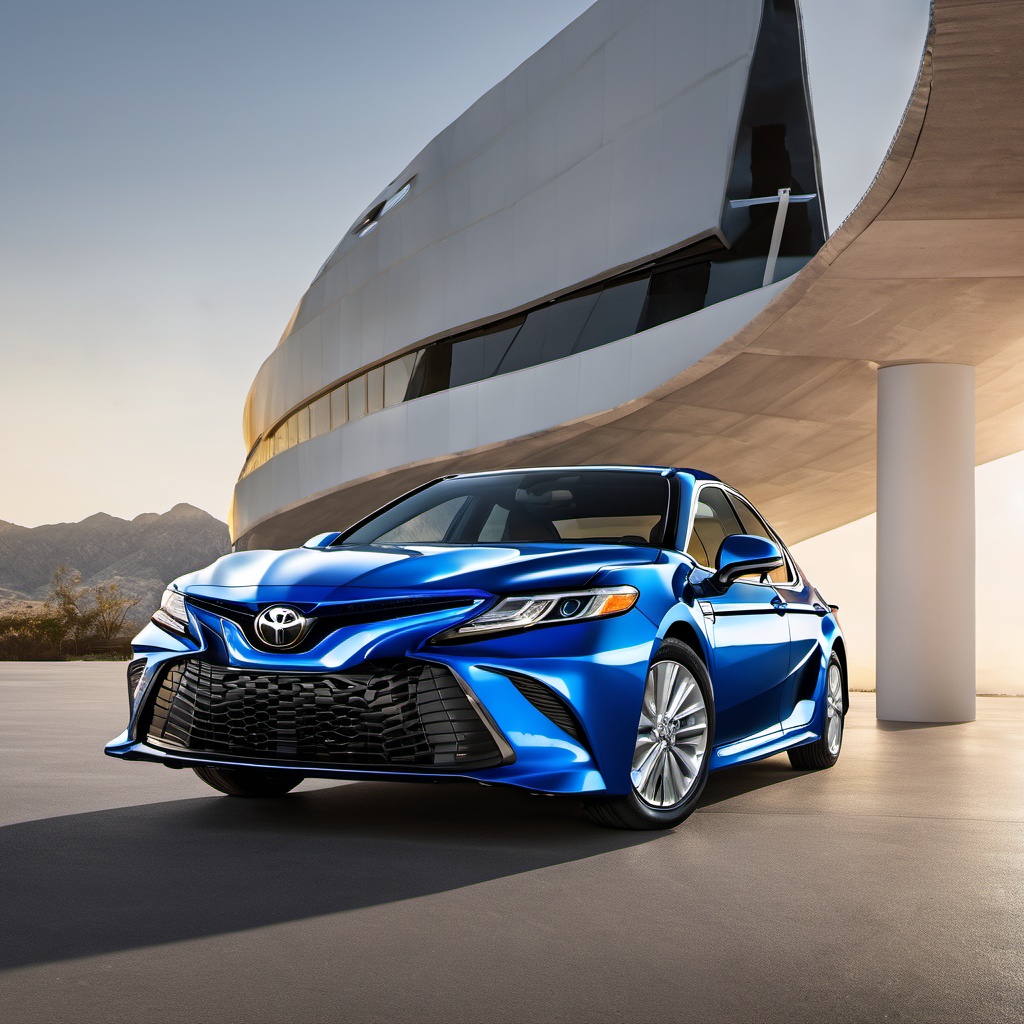
Seasonal care

Lake Geneva, WI
Winter
  • Test the 12V auxiliary battery every October — hybrid systems won't start if the 12V battery is dead, and Lake Geneva sub-zero temps kill marginal batteries overnight.
  • Switch to dedicated winter tires if you regularly see snow or temperatures below 20°F — all-season tires lose significant grip below freezing.
  • Use a winter-rated washer fluid rated to at least -20°F; the Accord's flat windshield catches a lot of highway spray and standard fluid will freeze on contact.
  • Rinse the undercarriage every 1–2 weeks during salting season — the Accord's low ride height (5.8 in clearance) puts brake lines, sensors, and the hybrid battery tray close to road salt spray.
  • Keep the fuel tank above half in extreme cold — the engine needs to run occasionally to warm the hybrid battery and cabin; a low tank adds risk in a no-start situation.
  • Check tire pressure monthly — tire pressure drops roughly 1 PSI per 10°F temperature drop, and underinflated tires hurt both handling and the Accord's impressive fuel economy.
Summer
  • Check tire pressure monthly — heat causes pressure to rise; overinflated tires reduce contact patch and braking performance on hot pavement.
  • Inspect the A/C system before peak summer — the Accord Hybrid's A/C compressor is electric, so it works when the engine is off, but low refrigerant will still reduce cooling.
  • Keep the hybrid battery area unobstructed — the battery cooling intake is inside the cabin (rear seat area); do not block rear vents or store items that restrict airflow.
  • Inspect wiper blades after winter — salt and ice damage wiper blades; replace before summer storm season for clear visibility.

Comparable vehicles

If you're shopping for one

Red flags
  • Any history of front-end collision repair — the Honda Sensing radar is mounted in the front grille and requires precise recalibration; improper repair can leave safety systems non-functional without any warning light.
  • Infotainment that reboots during the test drive — this may indicate a hardware issue beyond what a software update can fix.
  • Brake pulsation or vibration under moderate braking — may indicate warped rotors from glazing due to infrequent brake use (common on hybrids where regenerative braking reduces mechanical brake use).
  • Any check engine light related to the high-voltage hybrid system — diagnosis and repair can be costly and requires specialized equipment.
  • Missing or expired hybrid battery warranty documentation — confirm remaining coverage under Honda's 8-year/100,000-mile federal emissions warranty.
What to inspect
  • Connect a scan tool and check for any stored or pending DTCs, especially U-codes related to the infotainment/CAN network (U0100–U0104) which are known trouble spots on early 2023s.
  • Test the infotainment system thoroughly — navigate maps, connect Bluetooth, use Apple CarPlay/Android Auto, and let it sit for 10+ minutes to see if it reboots or lags.
  • Test the brakes at low speed in a parking lot for any squeak or grind — brake noise issues have been documented on early production units.
  • Verify the 12V auxiliary battery health with a load tester, not just a voltage check.
  • Confirm the Honda Sensing suite (adaptive cruise, lane keep, collision mitigation) is fully functional — these systems are camera/radar based and a damaged front bumper or windshield can affect calibration.
  • Check the undercarriage for any corrosion or damage, especially on the hybrid battery tray, brake lines, and exhaust — critical on any Wisconsin-registered used vehicle.
AI profile generated 4 days ago · claude-sonnet-4-6 · v2.