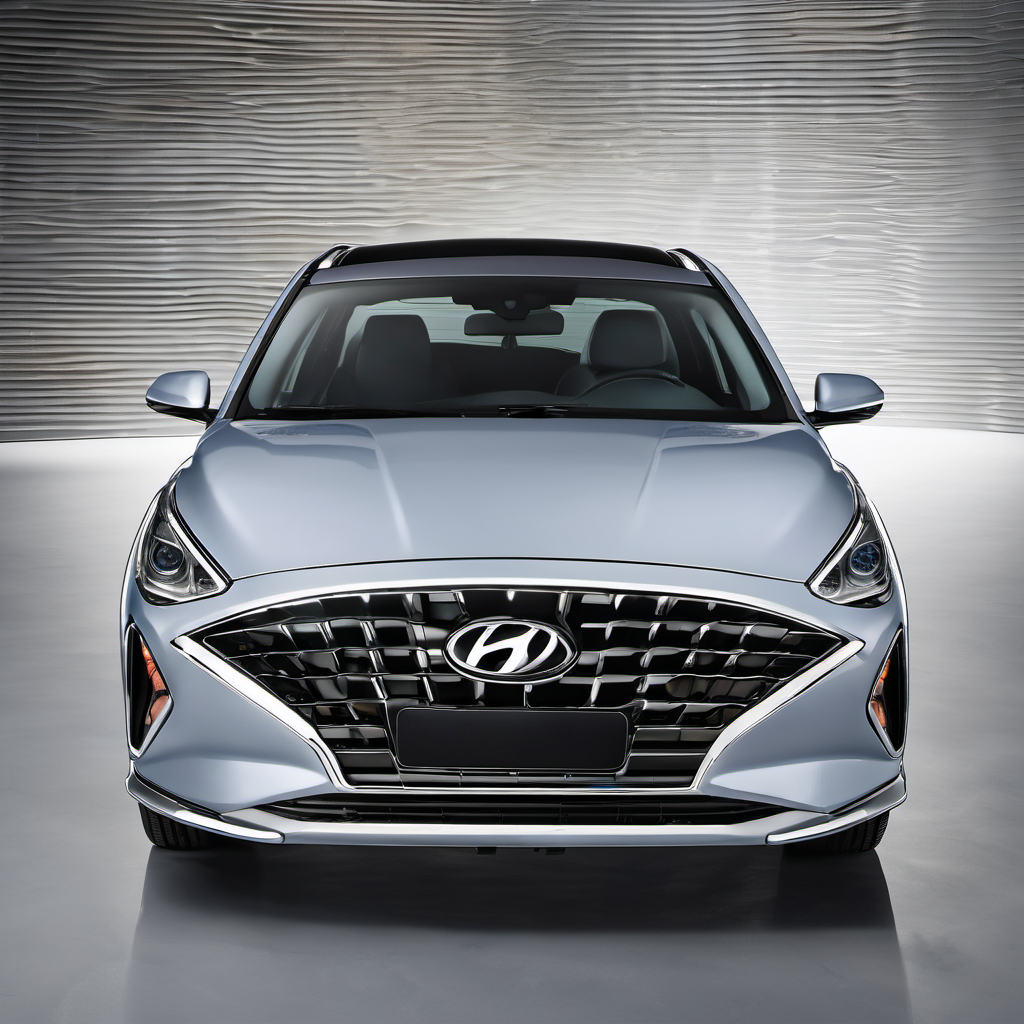
2023 Hyundai Sonata Hybrid Sedan

2023 Hyundai

Sonata HybridSedan

2.0L I4 Atkinson + Hybrid Electric Motor · Sedan

The 2023 Hyundai Sonata Hybrid is a midsize sedan pairing a 2.0L Atkinson-cycle inline-4 with an electric motor and a 1.32 kWh lithium-ion polymer battery for a combined 192 hp system output. It's one of the more fuel-efficient options in its class without requiring a plug, returning around 45 mpg combined in real-world driving. The sixth-generation Sonata platform brought a genuinely sharp exterior design, a well-appointed cabin, and a smooth, quiet powertrain that doesn't feel like a compromise. For a family sedan, it punches above its price on standard safety tech — forward collision avoidance, lane keeping assist, and blind-spot monitoring are all standard. The transmission is a smooth 6-speed automatic rather than the CVT found in many rivals, which most drivers find more natural under hard acceleration. The hybrid system is relatively mature by 2023, but it is more complex than a conventional Sonata. Repair costs when something does go wrong — especially on the high-voltage side — are higher than a standard gas car, and not every independent shop is equipped to handle hybrid battery work. Know that going in.

Reliability
4/5
Verified data
Engine
[object Object]
Drivetrain
FWD
Fuel
Hybrid
MPG
45 city / 51 hwy / 47 combined
Seats
5
Doors
4
Body
Sedan
MSRP
$28,550

Overview

AI-curated

The 2023 Hyundai Sonata Hybrid is a midsize sedan pairing a 2.0L Atkinson-cycle inline-4 with an electric motor and a 1.32 kWh lithium-ion polymer battery for a combined 192 hp system output. It's one of the more fuel-efficient options in its class without requiring a plug, returning around 45 mpg combined in real-world driving. The sixth-generation Sonata platform brought a genuinely sharp exterior design, a well-appointed cabin, and a smooth, quiet powertrain that doesn't feel like a compromise. For a family sedan, it punches above its price on standard safety tech — forward collision avoidance, lane keeping assist, and blind-spot monitoring are all standard. The transmission is a smooth 6-speed automatic rather than the CVT found in many rivals, which most drivers find more natural under hard acceleration. The hybrid system is relatively mature by 2023, but it is more complex than a conventional Sonata. Repair costs when something does go wrong — especially on the high-voltage side — are higher than a standard gas car, and not every independent shop is equipped to handle hybrid battery work. Know that going in.

Known for
  • Strong fuel economy for a midsize sedan — routinely 44–46 mpg combined
  • Smooth, refined hybrid powertrain with no CVT
  • Loaded standard safety and driver-assist features
  • Eye-catching exterior design with solar roof panel option
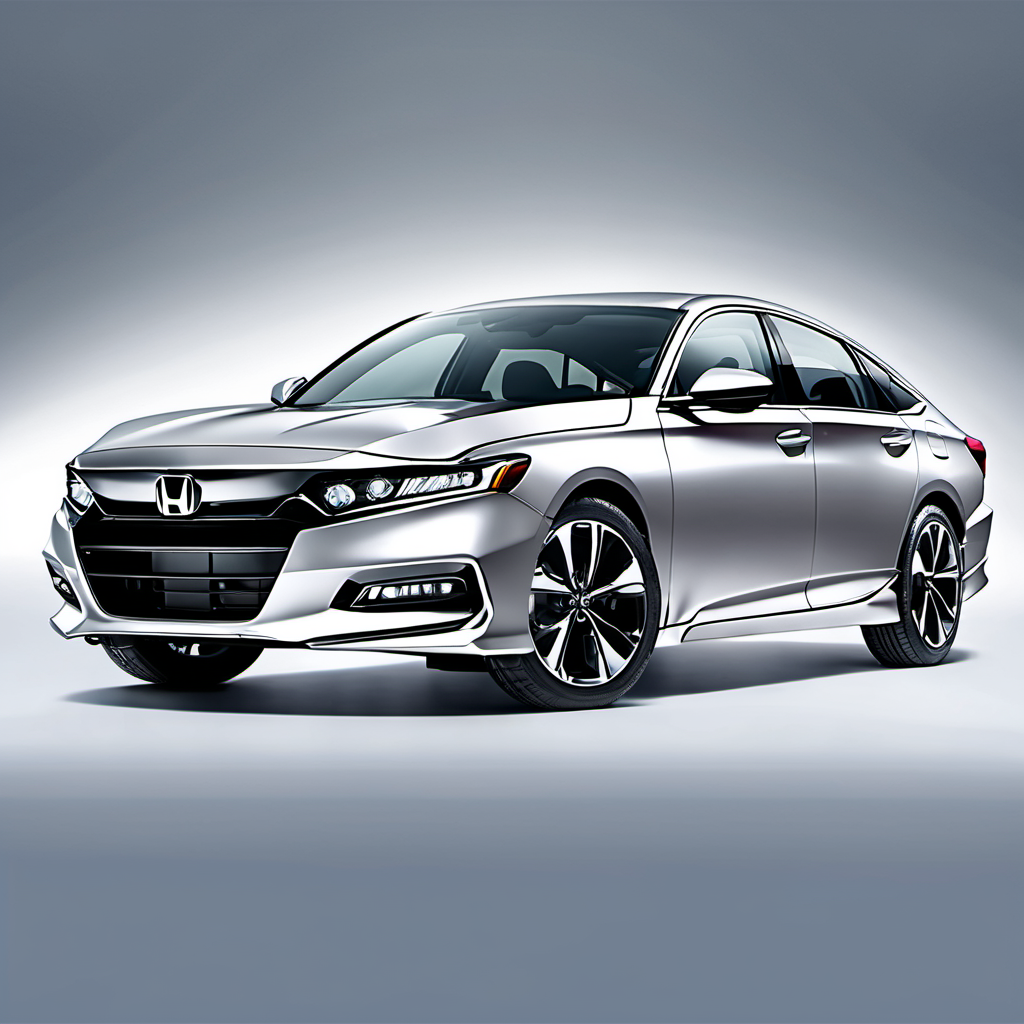
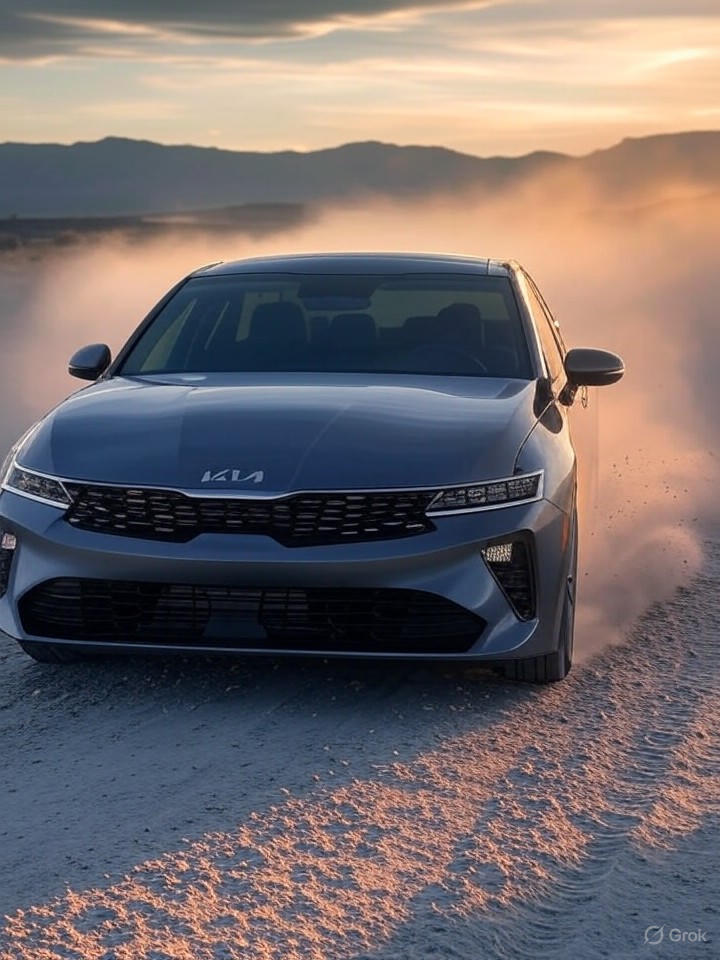
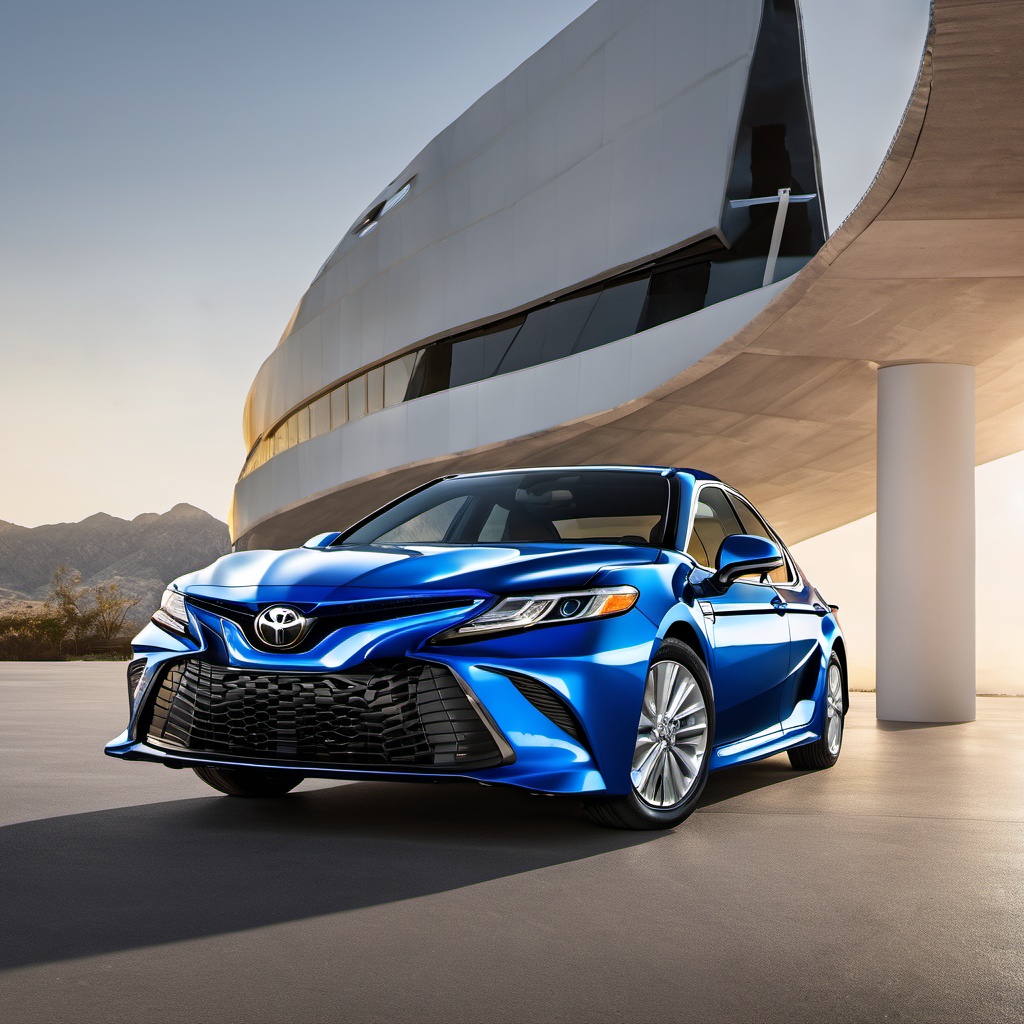
  • Competitive pricing versus Toyota Camry Hybrid and Honda Accord Hybrid
Best for
  • Daily commuters who want to cut fuel costs without plugging in
  • Families needing a practical 5-passenger sedan with good tech
  • Highway drivers who benefit most from hybrid efficiency
  • Buyers who want modern safety features as standard, not add-ons
Watch for
  • Hybrid battery replacement is expensive — confirm warranty coverage before buying used
  • Infotainment system freezes and slow response reported on early production units
  • 12V auxiliary battery drain linked to hybrid system electrical draw
  • High-voltage hybrid components require a shop with hybrid-certified technicians
  • Wisconsin road salt will attack underbody — inspect annually

Common issues by mileage

6 known

Hybrid Battery Pack Deterioration

low
Typically appears
80–150k mi
Estimated repair
$3,000 – $5,000

12V Auxiliary Battery Drain

medium
Typically appears
20–50k mi
Estimated repair
$200 – $400

Infotainment System Freeze / Reboot

medium
Typically appears
10–40k mi
Estimated repair
$0 – $300

VVT / Camshaft Oil Control Valve Fault

low
Typically appears
60–120k mi
Estimated repair
$200 – $600

Oxygen Sensor Heater Circuit Fault

low
Typically appears
80–130k mi
Estimated repair
$150 – $400

Brake Fluid Moisture Contamination

medium
Typically appears
30–60k mi
Estimated repair
$80 – $150

Maintenance schedule

  1. 1
    Every 10,000 miles or 12 months Engine oil and filter change — 0W-20 Full Synthetic, 4.7 qts with filter

    Hyundai specifies 10k intervals with full synthetic, but in Wisconsin winters with cold starts and short trips, consider 7,500-mile intervals if most driving is under 10 miles per trip. Cold starts put more strain on hybrid engines that don't always reach full operating temp.

  2. 2
    Every 7,500 miles or 6 months Tire rotation

    FWD hybrids put extra load on front tires during regenerative braking events. Regular rotation evens wear and protects your investment in all-season or winter tires.

  3. 3
    Every 30,000 miles or 36 months Brake fluid flush — DOT 3, 0.7 qt capacity

    DOT 3 absorbs moisture over time, lowering boiling point. Hybrid vehicles use regenerative braking heavily, but the hydraulic brakes still see full use in emergency stops and wet/icy conditions — critical in Wisconsin winters.

  4. 4
    Every 20,000 miles Cabin air filter replacement — OEM #97133-D4250

    Cabin filter protects the HVAC blower motor and keeps interior air clean. Wisconsin road dust and winter salt particles make this more than a comfort item.

  5. 5
    Every 30,000 miles Engine air filter replacement — OEM #28113-2H000

    A restricted air filter hurts combustion efficiency and forces the hybrid system to compensate with more electric assist, straining the battery. Check at 20k if you drive on gravel or dusty roads.

  6. 6
    Every 2 years or at first sign of discoloration Coolant inspection and top-off — Hyundai Long Life Coolant (Blue), 7.4 qt system

    The Sonata Hybrid has separate cooling circuits for the engine and the hybrid battery/inverter. Never mix coolant types — use only Hyundai-spec blue coolant to avoid corrosion in the hybrid thermal management system.

  7. 7
    Every fall (October recommended in Lake Geneva) 12V auxiliary battery load test

    Auxiliary battery drain is a documented issue on this platform. Cold weather compounds weak batteries fast — a battery that passes a load test in September can fail to start the car in January. Test it before winter, not after.

  8. 8
    Every spring Full underbody wash and inspection for salt corrosion

    Lake Geneva roads are heavily salted. Inspect brake lines, fuel lines, and hybrid battery pack underbody shield for corrosion or damage after every winter season.

Always defer to the manufacturer's service manual for warranty-mandated intervals.

Cost of ownership

Annual maintenance
$400 – $750
Fuel
At 47 mpg combined and ~15,000 miles/year, expect roughly $1,050–$1,250/year at $3.30–$3.90/gal — about 40% less than a comparable non-hybrid sedan.
Insurance
Midsize sedan with strong safety ratings; expect $1,100–$1,500/year for full coverage in the Lake Geneva area depending on driver profile and deductibles. Hybrid models are not significantly more expensive to insure than standard Sonatas.

The Sonata Hybrid's fuel savings over a conventional midsize sedan offset most of the small premium in purchase price within 3–4 years of average driving. Routine maintenance is affordable — oil changes, filters, and tires are all standard costs. The one wildcard is hybrid-specific repairs: if the high-voltage battery fails outside of warranty, costs jump to $3,000–$5,000. Keep the car within its 10-year/100k hybrid battery warranty window if buying used, or buy an extended warranty that explicitly covers the hybrid battery pack.
Seasonal care

Lake Geneva, WI
Winter
  • Test the 12V auxiliary battery every fall — this platform has known parasitic drain issues and a weak battery will fail faster in sub-zero Lake Geneva temps.
  • Switch to dedicated winter tires if temperatures regularly drop below 20°F; all-season tires lose grip fast in those conditions and the Sonata's FWD setup benefits greatly from proper rubber.
  • Use a freeze-resistant washer fluid rated to at least -20°F. The standard reservoir capacity is adequate, but you'll burn through fluid faster spraying salt off the windshield.
  • Park in a garage when possible — cold-soaked hybrid batteries take longer to warm up, reducing EV assist and fuel economy until the battery thermal management system brings temps up.
  • Do not use a conventional trickle charger on the high-voltage hybrid battery — only the 12V aux battery. If the car sits for more than 2 weeks in winter, a 12V maintainer on the aux battery is fine.
  • Flush and fill with Hyundai-spec blue coolant at the correct concentration (typically 50/50) to handle Wisconsin's sub-zero temps without freezing in either the engine or the hybrid inverter cooling loop.
Summer
  • Check tire pressure every 2 weeks in summer — pressure rises roughly 1 PSI per 10°F increase. Overinflated tires reduce wet-road grip, which matters during Wisconsin thunderstorm season.
  • Run the A/C system for at least 10 minutes weekly even if not needed — keeps seals lubricated and catches refrigerant leaks early rather than discovering them on the first hot day.
  • Inspect cabin and engine air filters mid-summer if you've done a lot of rural or gravel driving — pollen and dust load up fast between spring and August.
  • After long highway trips on hot days, let the hybrid system cool for a few minutes before shutting down — the battery cooling fan may still be running and needs time to complete its cycle.

Comparable vehicles

If you're shopping for one

Red flags
  • P0A80 in freeze frame or stored codes — hybrid battery deterioration is expensive and may indicate the battery is near end of life.
  • Any evidence of flood damage — water intrusion near the high-voltage battery or inverter is a hard pass.
  • Infotainment screen with dead zones, persistent freezing, or a replacement unit that doesn't match the interior trim.
  • A 12V battery that is not original or has been replaced multiple times — suggests the parasitic drain issue was never properly diagnosed.
  • Rust or white corrosion on underbody battery pack shield or tray — hybrid battery packs are not cheap to replace if the tray has allowed moisture intrusion.
What to inspect
  • Pull a Carfax or AutoCheck and verify the hybrid battery has never been replaced — if it has, find out why and at what mileage.
  • Check remaining factory hybrid battery warranty: 10 years / 100,000 miles federal minimum. Confirm how many years/miles remain before buying.
  • Test the infotainment system through multiple reboot cycles and connect a phone via Bluetooth and Apple CarPlay/Android Auto — freeze or lag is a red flag.
  • Have a hybrid-certified tech perform a battery state-of-health check with an OBD2 tool that reads hybrid-specific PIDs — not just a generic code scan.
  • Inspect underbody for salt corrosion if the car spent any winters in the upper Midwest — brake lines, fuel lines, and the hybrid battery tray are the priority areas.
  • Check all four tires for uneven wear — unusual wear patterns on FWD hybrids can indicate alignment issues or skipped rotations.
AI profile generated 4 days ago · claude-sonnet-4-6 · v2.