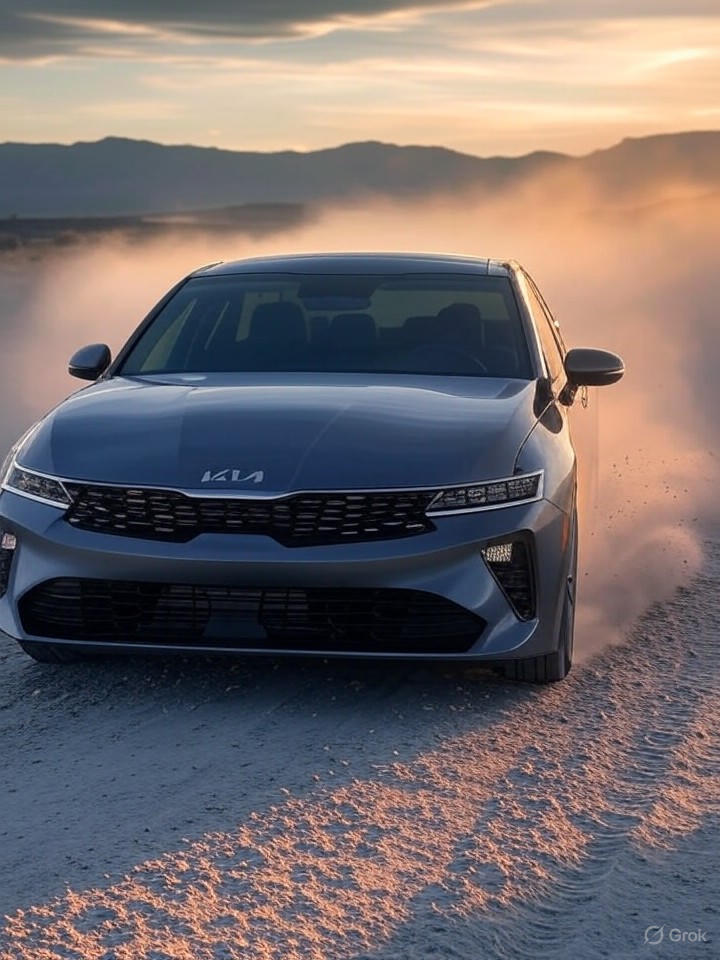
2023 Kia K5 Sedan

2023 Kia

K5Sedan

Sedan

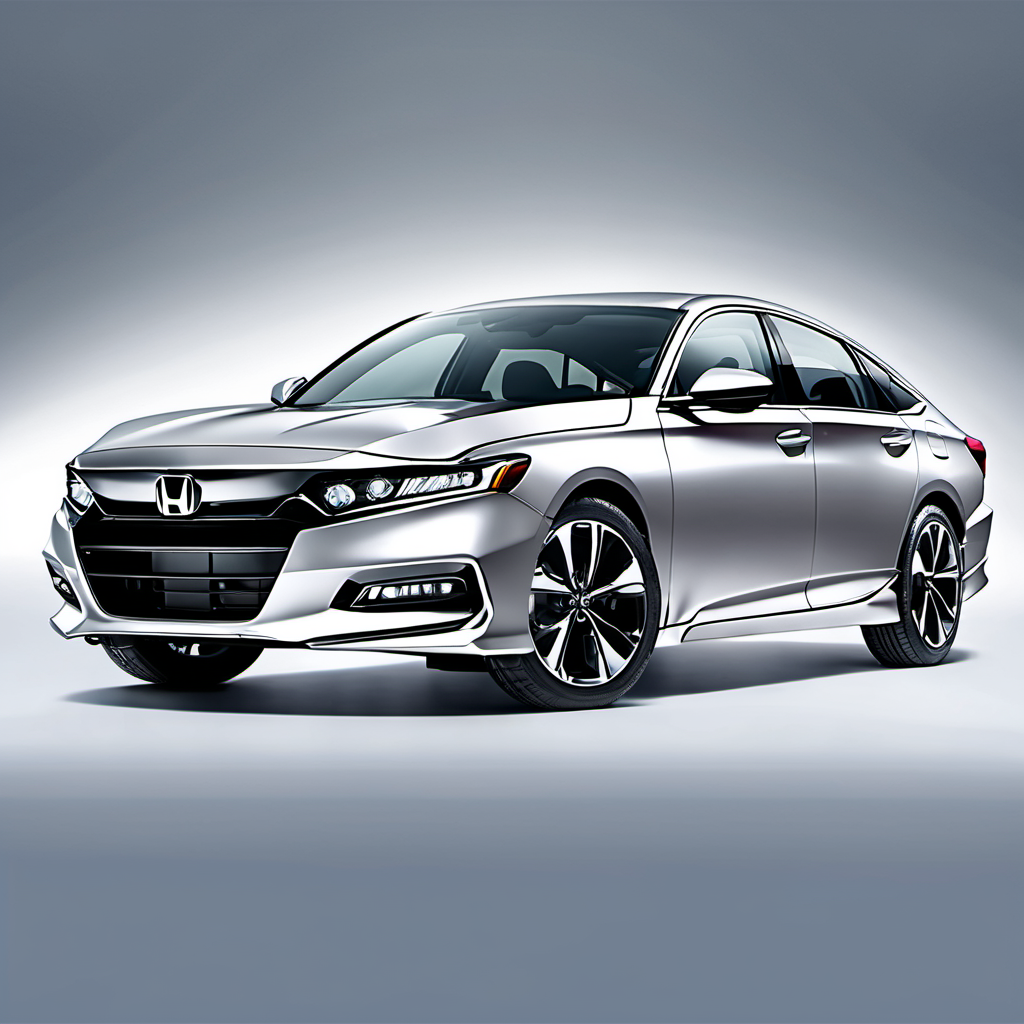
The 2023 Kia K5 is a front-wheel-drive midsize sedan that replaced the Optima nameplate in 2021. It's built on Kia's third-generation platform and brings a sharper exterior design, a more refined interior, and meaningfully better driving dynamics than the Optima it replaced. The base 1.6T engine is the volume seller — it's punchy enough for daily use and returns solid fuel economy for the class. For the money, the K5 punches above its weight on features and style. Kia's 5-year/60,000-mile basic warranty and 10-year/100,000-mile powertrain warranty are the best in the segment and provide real peace of mind, especially for a newer model still establishing its long-term reliability track record. As a 2023 model, the K5 benefits from two years of production refinements since the 2021 relaunch. Known early infotainment issues have been addressed in later software updates, and the 1.6T/8-speed combination is generally smooth. It's a smart buy for someone who wants European-style looks at a Korean value price.

Reliability
3/5
Verified data
Specs shown for K5 — the most common configuration. Other trims may vary in engine, drivetrain, or fuel economy. Sign in to see your vehicle's exact specs.
Engine
[object Object]
Drivetrain
FWD
Fuel
Gasoline
MPG
27 city / 37 hwy / 31 combined
Seats
Doors
Body
Large Cars
Length
193.1 inches

Overview

AI-curated

The 2023 Kia K5 is a front-wheel-drive midsize sedan that replaced the Optima nameplate in 2021. It's built on Kia's third-generation platform and brings a sharper exterior design, a more refined interior, and meaningfully better driving dynamics than the Optima it replaced. The base 1.6T engine is the volume seller — it's punchy enough for daily use and returns solid fuel economy for the class. For the money, the K5 punches above its weight on features and style. Kia's 5-year/60,000-mile basic warranty and 10-year/100,000-mile powertrain warranty are the best in the segment and provide real peace of mind, especially for a newer model still establishing its long-term reliability track record. As a 2023 model, the K5 benefits from two years of production refinements since the 2021 relaunch. Known early infotainment issues have been addressed in later software updates, and the 1.6T/8-speed combination is generally smooth. It's a smart buy for someone who wants European-style looks at a Korean value price.

Known for
  • Bold, fastback-influenced exterior styling
  • Class-leading 10-year/100k powertrain warranty
  • Responsive 1.6L turbocharged four-cylinder
  • Feature-rich trim levels at competitive price points
  • Comfortable highway cruiser with good fuel economy
Best for
  • Daily commuters wanting style and efficiency
  • Buyers prioritizing long warranty coverage
  • Small families needing a comfortable sedan
  • Highway drivers who log high annual miles
Watch for
  • Infotainment system freezing or rebooting — common early complaint
  • Transmission shudder reported by some owners at low mileage
  • Cold-weather battery drain in Wisconsin winters
  • FWD-only on base trims limits snow traction (AWD available on GT-Line and above)

Common issues by mileage

6 known

Infotainment System Freezing / Rebooting

high
Typically appears
0–40k mi
Estimated repair
$0 – $300

Transmission Shudder on Acceleration

medium
Typically appears
10–30k mi
Estimated repair
$150 – $500

CVVD / Camshaft Timing Solenoid Faults

low
Typically appears
40–80k mi
Estimated repair
$200 – $600

Turbocharger Bypass Valve Issues

low
Typically appears
50–100k mi
Estimated repair
$150 – $450

Lost Communication with Restraints Control Module (U0151)

low
Typically appears
0–20k mi
Estimated repair
$150 – $350

Cold-Weather Battery Drain

medium
Typically appears
0–60k mi
Estimated repair
$150 – $250

Maintenance schedule

  1. 1
    Every 7,500 miles or 6 months, whichever comes first Engine Oil & Filter Change

    The 1.6T runs 0W-20 full synthetic. Turbocharged engines run hotter oil and are more sensitive to dirty oil than naturally aspirated engines — don't stretch this interval, especially with Wisconsin winter short-trip driving.

  2. 2
    Every 7,500 miles (with oil change) Tire Rotation

    FWD puts more wear on front tires. Rotating on schedule equalizes wear and extends tire life — especially important with Wisconsin winter tires in the rotation mix.

  3. 3
    Every 30,000 miles or 30 months Air Filter Replacement

    A clogged air filter robs the turbo of airflow and reduces power and fuel economy. Inspect annually — road salt and road debris in Wisconsin can accelerate filter fouling.

  4. 4
    Every 30,000 miles or 30 months Cabin Air Filter Replacement

    Keeps the HVAC system flowing freely. A plugged cabin filter strains the blower motor and reduces defroster effectiveness — critical in Wisconsin winters.

  5. 5
    Inspect at 60,000 miles; replace per Kia schedule using SP-IV ATF Transmission Fluid Inspection

    Kia specifies SP-IV ATF for the 8-speed. Using the wrong fluid or skipping service is the most common cause of the shudder complaints owners report.

  6. 6
    Every 2 years regardless of mileage Brake Fluid Flush

    DOT 4 fluid absorbs moisture over time, lowering its boiling point. Wisconsin road salt also accelerates corrosion on brake hardware — fresh fluid protects the entire system.

  7. 7
    Inspect every 30,000 miles; full flush per Kia schedule (typically 60k) Coolant Inspection & Top-Off

    Kia Long Life Blue coolant has specific replacement intervals. Degraded coolant loses freeze protection — a real concern when Lake Geneva temps drop well below zero.

  8. 8
    Every 60,000 miles Spark Plug Replacement

    Turbocharged engines are harder on plugs than naturally aspirated ones. Worn plugs cause misfires, rough idle, and can contribute to the cold-start noise owners sometimes notice.

Always defer to the manufacturer's service manual for warranty-mandated intervals.

Cost of ownership

Annual maintenance
$400 – $750
Fuel
At 31 MPG combined and ~15,000 miles/year, expect roughly $1,400–$1,700/year in fuel at current Wisconsin gas prices. Highway-heavy drivers will be toward the lower end.
Insurance
Typically $1,100–$1,500/year for full coverage in the Lake Geneva area for a driver with a clean record. The K5's theft rate and repair costs are moderate for the segment.

The K5 is one of the more affordable sedans in this class to own day-to-day. Routine maintenance costs are modest, parts are widely available, and the industry-best warranty covers major powertrain repairs through 100k miles. Budget for tires ($600–$900/set) and brake service ($250–$400/axle) as the bigger recurring costs beyond oil changes.
Seasonal care

Lake Geneva, WI
Winter
  • Test the battery before first hard freeze — the K5's electrical load (heated seats, defrosters, infotainment) drains a marginal battery fast in sub-zero Lake Geneva temps. Replace any battery below 500 CCA.
  • Switch to dedicated winter tires on a steel wheel set. The base FWD configuration has limited traction on packed snow — winter tires make a dramatic difference.
  • Use top-tier winter washer fluid rated to at least -25°F. The low ground clearance (5.3 in) means slush and salt spray hit the windshield constantly.
  • Flush and refill the coolant system if it hasn't been done recently — verify freeze protection to at least -35°F with a tester.
  • Apply an undercarriage rinse every 2–3 weeks during road-salt season to protect the brake lines, fuel lines, and suspension components from corrosion.
  • Avoid letting the fuel tank drop below a quarter tank in extreme cold — it reduces moisture in the fuel system and keeps the fuel pump cooler.
Summer
  • Check tire pressure monthly — for every 10°F rise in temperature, tires gain roughly 1 PSI. Over-inflation from summer heat increases center-tread wear.
  • Inspect the A/C system early in the season. The 1.6T already runs warm in traffic; a weak A/C recharge will make summer commutes miserable and can cause the engine to run hotter.
  • Check coolant level and condition before any long highway trips — heat soak in traffic is harder on a turbocharged engine than steady highway driving.
  • Park in shade or use a windshield sunshade when possible. The large glass area and dark interior trim absorb heat, and prolonged heat exposure accelerates dashboard and infotainment screen degradation.

Comparable vehicles

If you're shopping for one

Red flags
  • Any CarFax or AutoCheck entry for airbag deployment — the restraints control module communication code (U0151) has shown up on improperly repaired cars.
  • Transmission fluid that is dark brown or smells burnt — indicates the fluid was neglected or the shudder issue was never addressed.
  • Infotainment software that hasn't been updated — check that the dealer or prior owner applied any available OTA or dealer software patches.
  • Evidence of aftermarket tuning or a cold-air intake — the 1.6T is a popular tuning platform, and a modified engine may have voided powertrain warranty coverage.
  • Any sign of front-end collision repair — even a minor front impact can damage the turbo intercooler piping and front suspension geometry on this low-slung platform.
What to inspect
  • Connect a scan tool and check for any stored U-codes (network communication faults) or P0012/P0015 camshaft timing codes before buying.
  • Test the infotainment system thoroughly — run navigation, connect Bluetooth, and let it sit for 10+ minutes to see if it freezes or reboots.
  • During a test drive, accelerate briskly from a stop and feel for any shudder or vibration between 15–35 mph, which indicates a possible transmission issue.
  • Check for rust or bubbling paint under the door sills and rocker panels — even a one- or two-year-old car in Wisconsin can show early salt damage.
  • Verify the battery date code and have it load-tested, especially on any K5 that spent winters in a cold climate.
AI profile generated 4 days ago · claude-sonnet-4-6 · v2.