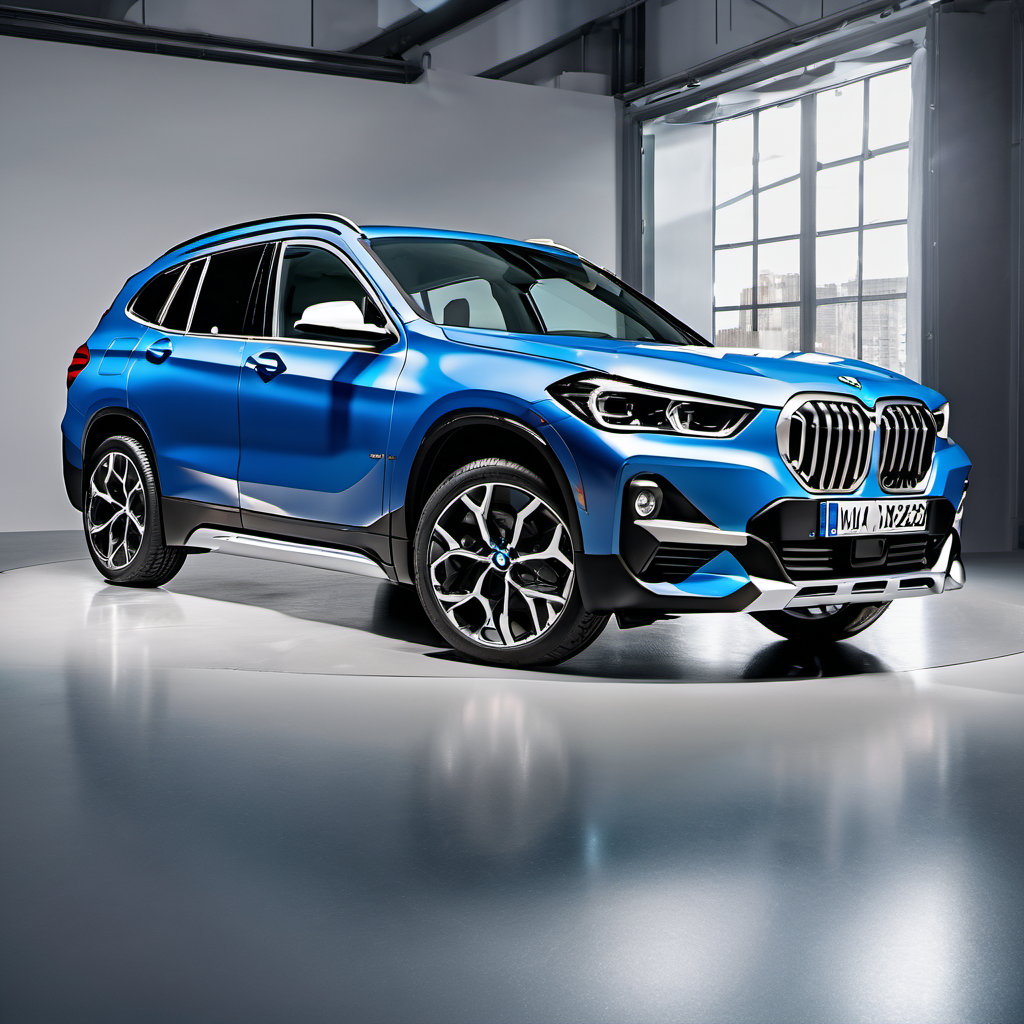
2022 Jaguar E-PACE SUV

2022 Jaguar

E-PACESUV

SUV

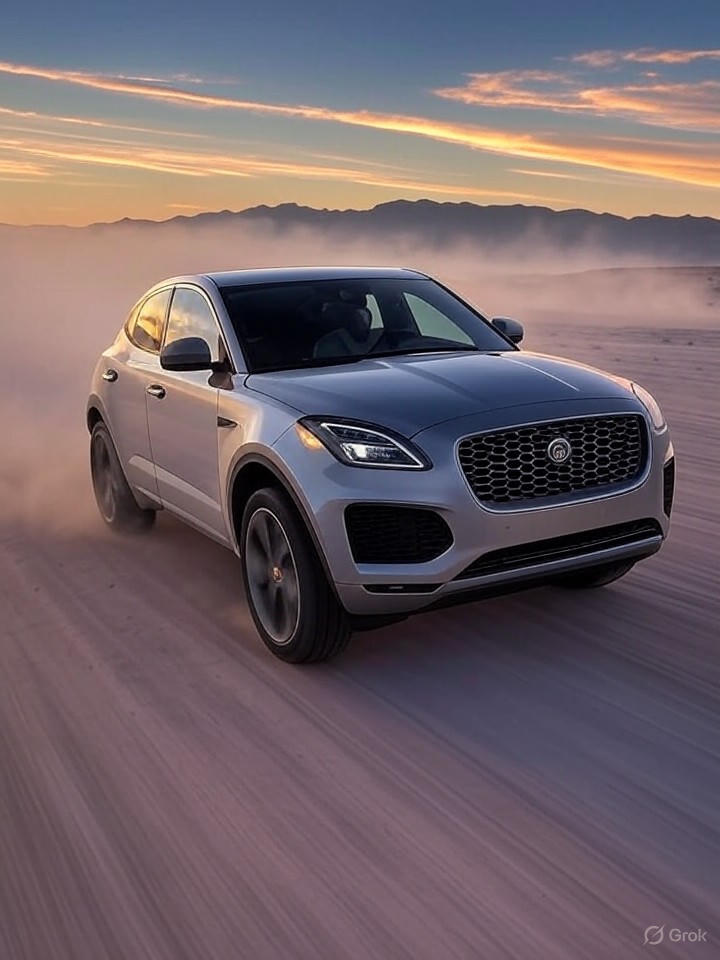
The 2022 Jaguar E-PACE is a compact luxury crossover built on a transverse platform shared with Land Rover, offering genuine European sport-SUV character in a relatively compact package. It punches above its size with sharp steering, a willing turbocharged four-cylinder, and an interior that feels premium without going full Range Rover in price. For drivers who want something distinct from the German trio (Audi Q3, BMW X1, Mercedes GLA), the E-PACE delivers — as long as you go in with realistic expectations about running costs and tech reliability. The 2022 model year benefits from a mid-cycle refresh that brought a new Pivi Pro infotainment system, updated exterior styling, and mild interior improvements over early E-PACE years. The 2.0L turbocharged inline-four is adequate for daily use and delivers respectable performance, though fuel economy requires premium gasoline and won't impress efficiency-minded shoppers. Owning an E-PACE in the Lake Geneva area means respecting its European electronics in a Wisconsin winter. Battery health, brake fluid moisture absorption, and undercarriage corrosion from road salt are the three things that will define your long-term experience. Budget for higher-than-average maintenance costs compared to Japanese or domestic competitors, and find an independent shop familiar with JLR vehicles before you need one.

Reliability
2/5
Verified data
Specs shown for E-Pace — the most common configuration. Other trims may vary in engine, drivetrain, or fuel economy. Sign in to see your vehicle's exact specs.
Engine
[object Object]
Drivetrain
AWD
Fuel
Premium gasoline
MPG
20 city / 26 hwy / 23 combined
Seats
Doors
Body
Small Sport Utility Vehicle 4WD
Length
173.0 inches

Overview

AI-curated

The 2022 Jaguar E-PACE is a compact luxury crossover built on a transverse platform shared with Land Rover, offering genuine European sport-SUV character in a relatively compact package. It punches above its size with sharp steering, a willing turbocharged four-cylinder, and an interior that feels premium without going full Range Rover in price. For drivers who want something distinct from the German trio (Audi Q3, BMW X1, Mercedes GLA), the E-PACE delivers — as long as you go in with realistic expectations about running costs and tech reliability. The 2022 model year benefits from a mid-cycle refresh that brought a new Pivi Pro infotainment system, updated exterior styling, and mild interior improvements over early E-PACE years. The 2.0L turbocharged inline-four is adequate for daily use and delivers respectable performance, though fuel economy requires premium gasoline and won't impress efficiency-minded shoppers. Owning an E-PACE in the Lake Geneva area means respecting its European electronics in a Wisconsin winter. Battery health, brake fluid moisture absorption, and undercarriage corrosion from road salt are the three things that will define your long-term experience. Budget for higher-than-average maintenance costs compared to Japanese or domestic competitors, and find an independent shop familiar with JLR vehicles before you need one.

Known for
  • Sharp, sporty handling for a compact crossover
  • Distinctive British styling inside and out
  • Willing 2.0L turbo that feels lively in daily driving
  • Higher-than-average ownership costs for the segment
  • Infotainment and electronics that can be temperamental
Best for
  • Drivers who prioritize style and driving feel over practicality
  • Couples or small families who want a premium daily driver
  • Buyers comfortable with European luxury maintenance costs
  • Those who want something different from mainstream German luxury
Watch for
  • Infotainment system freezes and reboots — a known, documented issue
  • Coolant leaks from the water pump or cooling system hoses
  • Premium fuel required — factor that into ongoing cost comparisons
  • Jaguar dealer network is thin; find a qualified independent shop early
  • Battery drain in cold climates (very relevant for Wisconsin winters)

Common issues by mileage

6 known

Random / Multiple Cylinder Misfire

medium
Typically appears
40–70k mi
Estimated repair
$200 – $500

Coolant Leak — Water Pump or Cooling System Hoses

medium
Typically appears
50–80k mi
Estimated repair
$400 – $900

Turbocharger Bypass Valve Faults

low
Typically appears
60–100k mi
Estimated repair
$200 – $600

Battery Drain in Cold Weather

medium
Typically appears
0–60k mi
Estimated repair
$150 – $400

Maintenance schedule

  1. 1
    Every 10,000 miles or 12 months Engine oil and filter change — 6.3 qts 5W-30 full synthetic

    Jaguar's 10k-mile OCI assumes full synthetic. Don't stretch it further; the turbo runs hot and dirty oil accelerates wear on the VVT system, which is already a known weak point.

  2. 2
    Every 7,500 miles or 6 months Tire rotation

    AWD systems distribute torque unevenly at times; uneven wear is common if rotation is skipped. Also a good time to inspect brake pads while the wheel is off.

  3. 3
    Every 20,000 miles Cabin air filter replacement

    Wisconsin road dust and pollen load the cabin filter quickly. A clogged filter stresses the blower motor and degrades A/C and defrost performance — both matter here.

  4. 4
    Every 30,000 miles Engine air filter replacement

    Turbocharged engines are sensitive to restricted airflow. A dirty air filter can worsen fuel economy and contribute to MAF sensor contamination.

  5. 5
    Every 24 months or 30,000 miles Brake fluid flush — DOT 4

    DOT 4 absorbs moisture over time, lowering its boiling point. In Wisconsin winters with frequent temperature swings, degraded brake fluid is a real safety concern. Use only DOT 4 as specified.

  6. 6
    Every 2 years Battery load test

    The E-PACE's electronics put a constant parasitic load on the battery. Cold Wisconsin winters accelerate battery aging. A failing battery can trigger a cascade of electronic fault codes before it dies completely.

  7. 7
    Every 50,000 miles or as needed Cooling system inspection — hoses, water pump, coolant condition

    Cooling system leaks are a documented issue on this platform. Catching a weeping water pump early is a $400 job; ignoring it until the engine overheats is a $3,000+ job.

  8. 8
    Every 30,000–40,000 miles Differential fluid change — front and rear 75W-90

    AWD differentials on JLR platforms benefit from fresh fluid to protect clutch packs. Often overlooked at non-specialist shops.

Always defer to the manufacturer's service manual for warranty-mandated intervals.

Cost of ownership

Annual maintenance
$900 – $1,800
Fuel
Premium (91+ octane) required. At 23 MPG combined and ~15,000 miles/year, expect roughly $2,400–$2,900/year depending on pump prices.
Insurance
Expect $1,400–$2,000/year in the Lake Geneva area for a driver with a clean record. Luxury classification and import parts costs push premiums above mainstream crossovers.

The E-PACE costs noticeably more to own than a Honda CR-V or Toyota RAV4, and sits on the higher end even within the compact luxury segment. Routine maintenance is manageable, but parts (especially electronics and cooling components) carry a European price premium. Budget $1,000–$1,800/year for routine maintenance at an independent shop, and keep a $1,500–$2,500 reserve for unplanned repairs. The first 50k miles are relatively predictable; costs tend to climb sharply after that.
Seasonal care

Lake Geneva, WI
Winter
  • Load-test the battery every fall — the E-PACE's always-on electronics drain batteries faster than simpler vehicles, and sub-zero Wisconsin temps can kill a marginal battery overnight.
  • Switch to winter tires if you're in the Lake Geneva area; the AWD system improves traction but does not compensate for summer or all-season rubber on ice.
  • Flush brake fluid (DOT 4) before winter if it's been more than 2 years — moisture-saturated fluid can vapor-lock in extreme cold during hard stops.
  • Use a quality winter-rated washer fluid rated to at least -30°F. The standard reservoir filler is easy to access; don't let it run low in January.
  • Check and treat rubber door seals with a silicone protectant to prevent freezing shut — this is a real problem on European vehicles with tight body tolerances.
  • Rinse the undercarriage regularly at a self-serve car wash after salt events. The aluminum-intensive structure resists corrosion better than steel, but brake lines, calipers, and suspension components are still vulnerable to Wisconsin road salt.
Summer
  • Check tire pressure monthly — every 10°F rise in temperature adds roughly 1 PSI. The E-PACE's run-flat or performance tires are sensitive to overinflation and affect ride quality and wear.
  • Inspect the cooling system (hoses, coolant level, overflow tank) before summer heat sets in — this platform has a documented water pump leak history and heat stress accelerates it.
  • Run the A/C on recirculate during peak heat to reduce compressor load; if cooling is weak, have the refrigerant charge and cabin filter checked — a clogged filter kills airflow fast.
  • Check that the infotainment system is up to date on software. Heat soak can exacerbate existing software instability; Jaguar releases OTA and dealer updates that address known freezing issues.

Comparable vehicles

If you're shopping for one

Red flags
  • Any history of coolant loss, overheating, or multiple shop visits for 'no fault found' — classic signs of an intermittent cooling leak that hasn't been resolved.
  • Infotainment system that's slow to boot or freezes during the test drive — this is unlikely to self-correct and can be expensive to fix.
  • Check engine light, rough idle, or any mention of misfire codes in the service history — could indicate ignition system neglect on a turbo motor that depends on clean combustion.
  • Gaps in oil change records — the turbo and VVT system degrade quickly with inconsistent oil changes on this engine.
  • A used example with no software update history or a dealer who can't confirm the Pivi Pro TSB updates have been applied.
What to inspect
  • Connect a scan tool and check for stored or pending U-codes (network communication faults) — these often flag infotainment or module issues that don't always trigger a visible warning light.
  • Ask for a full software/OTA update history from the selling dealer; the 2022 Pivi Pro system has had multiple updates addressing known freeze/reboot bugs.
  • Check coolant level and inspect the expansion tank and hoses for staining, residue, or dried coolant — early signs of a weeping water pump or hose fitting.
  • With the engine at operating temp, listen for turbo wastegate chatter or hesitation under light throttle — can indicate bypass valve issues.
  • Verify the battery is original and check its age/condition with a proper load tester, not just a voltage meter.
  • Test every infotainment function: navigation, Apple CarPlay/Android Auto, climate controls, and backup camera — all are known to have intermittent failures.
AI profile generated 4 days ago · claude-sonnet-4-6 · v2.