MBUX Infotainment System Freezing / Reboots
high- Typically appears
- 0–30k mi
- Estimated repair
- $200 – $600
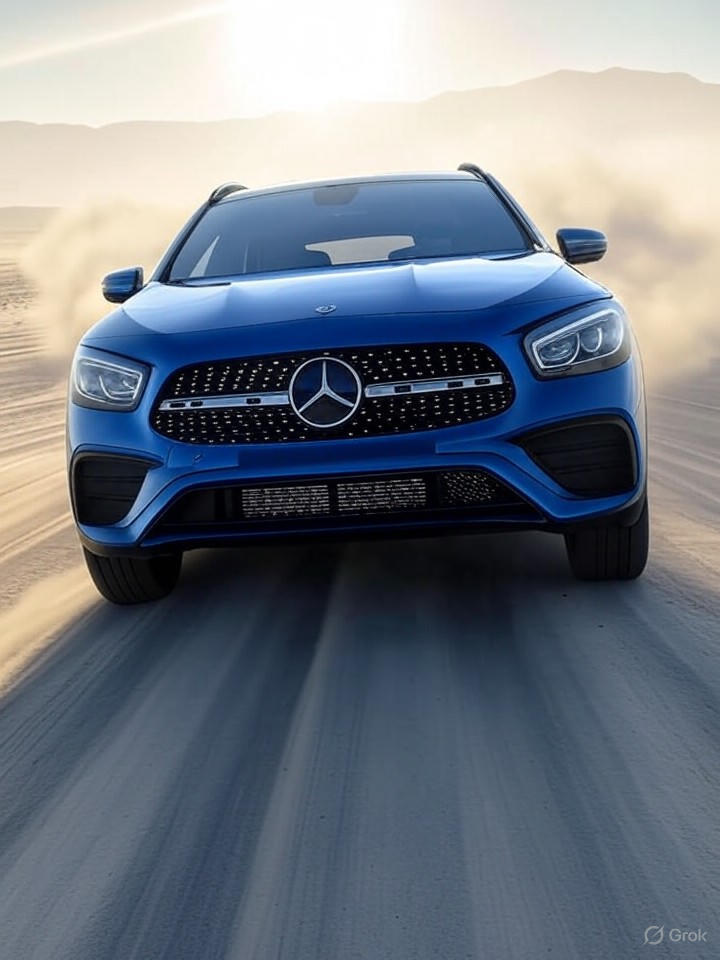
2022 Mercedes-Benz
2.0L I4 Turbocharged · SUV
The 2022 Mercedes-Benz GLA is the second generation of Mercedes' entry-level subcompact luxury crossover, now riding on the MFA2 platform shared with the A-Class. Compared to its predecessor, this generation grew meaningfully in both interior space and ride height, making it a more practical daily driver without sacrificing the premium feel buyers expect from the badge. The standard GLA 250 packs a 2.0L turbocharged four-cylinder producing 221 hp, paired with an 8-speed dual-clutch transmission and available 4MATIC all-wheel drive — a genuine asset in Wisconsin winters. Inside, the GLA punches above its class with the MBUX infotainment system, a wide dual-screen dashboard, and high-quality materials throughout. Cargo space improved substantially over the first gen, and rear-seat legroom is now genuinely usable for adults. It competes directly with the BMW X1, Audi Q3, and Volvo XC40 in the entry luxury compact crossover segment. Ownership costs are higher than non-luxury competitors — parts, fluids, and service intervals require Mercedes-spec items that carry a premium. That said, the 2.0L turbo engine itself has proven reasonably durable. The bigger long-term risks are the complex electronics and the dual-clutch transmission's low-speed behavior, both of which are well-documented owner pain points on this generation.
The 2022 Mercedes-Benz GLA is the second generation of Mercedes' entry-level subcompact luxury crossover, now riding on the MFA2 platform shared with the A-Class. Compared to its predecessor, this generation grew meaningfully in both interior space and ride height, making it a more practical daily driver without sacrificing the premium feel buyers expect from the badge. The standard GLA 250 packs a 2.0L turbocharged four-cylinder producing 221 hp, paired with an 8-speed dual-clutch transmission and available 4MATIC all-wheel drive — a genuine asset in Wisconsin winters. Inside, the GLA punches above its class with the MBUX infotainment system, a wide dual-screen dashboard, and high-quality materials throughout. Cargo space improved substantially over the first gen, and rear-seat legroom is now genuinely usable for adults. It competes directly with the BMW X1, Audi Q3, and Volvo XC40 in the entry luxury compact crossover segment. Ownership costs are higher than non-luxury competitors — parts, fluids, and service intervals require Mercedes-spec items that carry a premium. That said, the 2.0L turbo engine itself has proven reasonably durable. The bigger long-term risks are the complex electronics and the dual-clutch transmission's low-speed behavior, both of which are well-documented owner pain points on this generation.
Mercedes specifies a 10k-mile oil change interval, but with a turbocharged engine and reports of oil consumption on this platform, checking the oil level every 3,000–4,000 miles between changes is wise. Never let it run low.
A clogged air filter stresses the turbocharger and reduces fuel economy. The 20k interval is Mercedes' spec; dusty driving conditions may warrant sooner replacement.
Wisconsin road dust and pollen load up this filter fast. A clogged cabin filter reduces A/C and defroster effectiveness — both important for seasonal comfort and visibility.
The AWD system places uneven loads across all four corners. Regular rotation maximizes tire life and maintains consistent handling in wet and snowy conditions.
DOT 4 fluid is hygroscopic and absorbs moisture over time, which lowers its boiling point. Wisconsin's humidity and winter driving cycles accelerate this degradation.
The dual-clutch unit is sensitive to fluid degradation. Some reported shudder complaints have been improved with a fresh fluid fill using factory-spec ATF. Do not substitute generic ATF.
This engine requires the specific Mercedes-Benz blue-formula coolant. Mixing types or using generic green coolant can cause corrosion in the aluminum engine block.
This vehicle's complex electronics draw significant standby current. A borderline battery that starts fine in October may fail at -10°F in January. Test it every fall — batteries over 4 years old should be replaced proactively.
Always defer to the manufacturer's service manual for warranty-mandated intervals.
The GLA 250 is an entry-level luxury vehicle but comes with upper-tier ownership costs. Routine maintenance is manageable if you stay on top of oil changes and use spec-correct fluids, but any repair involving MBUX electronics, the dual-clutch transmission, or sensor systems will cost noticeably more than a comparable Honda or Toyota crossover. Budget for an extended warranty if buying used — out-of-warranty electronic repairs can run $500–$1,500 per visit.
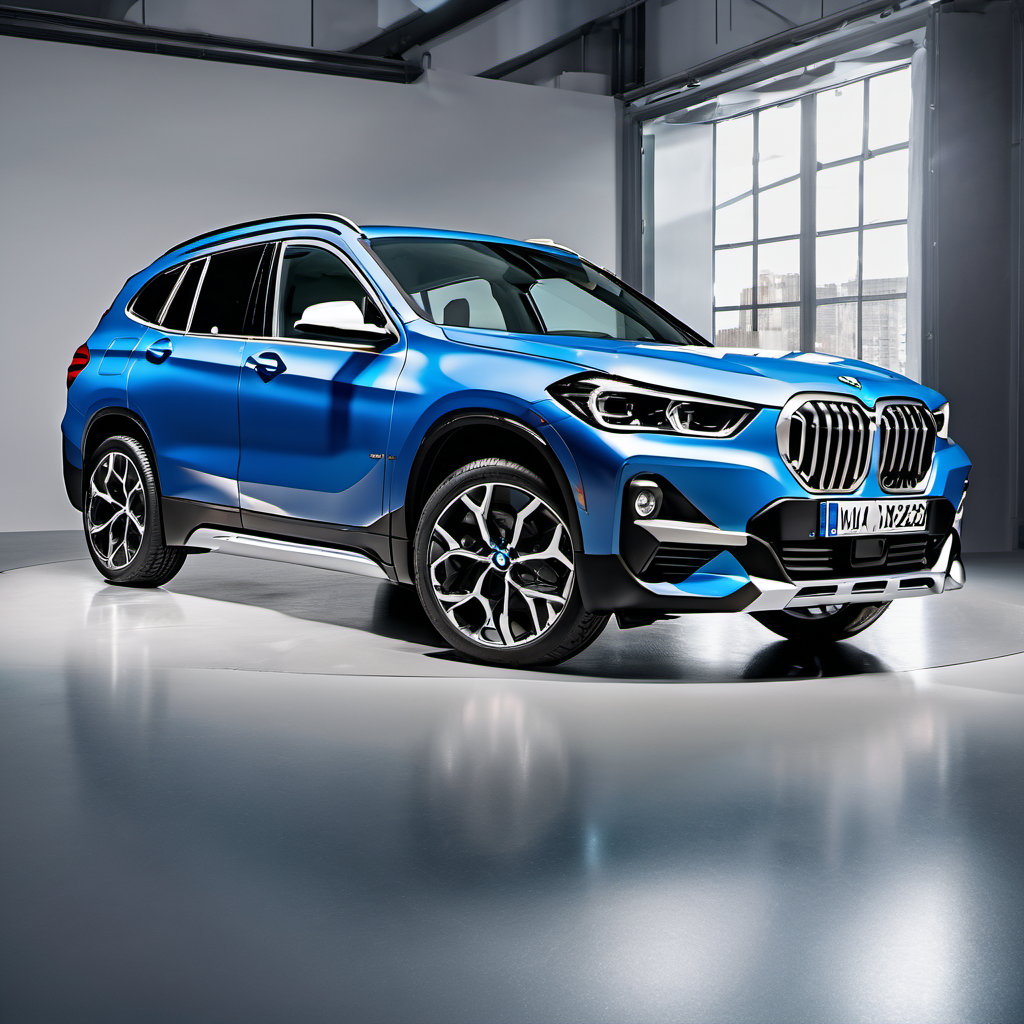
Direct rival in the entry luxury compact crossover segment. Similar price, footprint, and turbocharged four-cylinder powertrain. The X1 has a slight edge in driving dynamics; the GLA has more rear headroom.
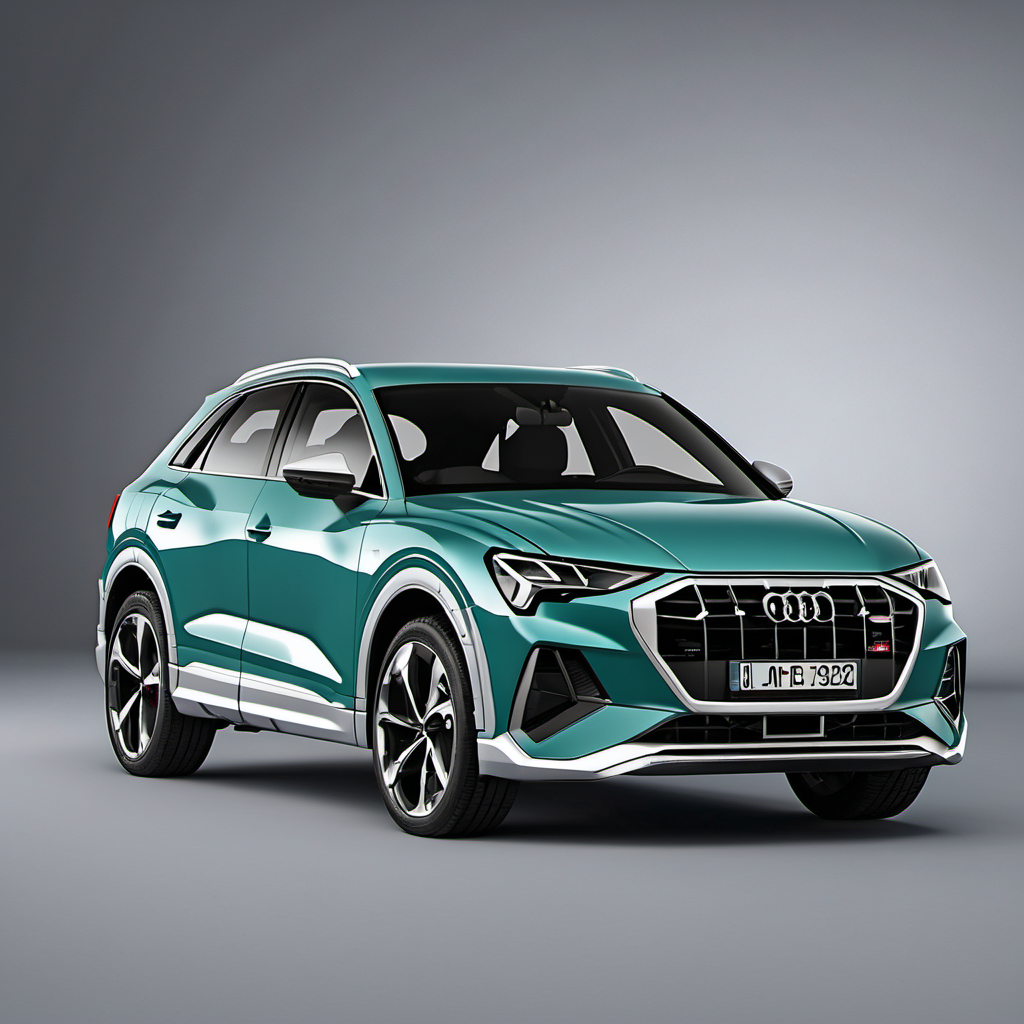
Nearly identical price point and mission. The Q3 offers a more traditional automatic transmission (torque converter) which avoids the GLA's DCT shudder issue. Quattro AWD is well-proven in winter.
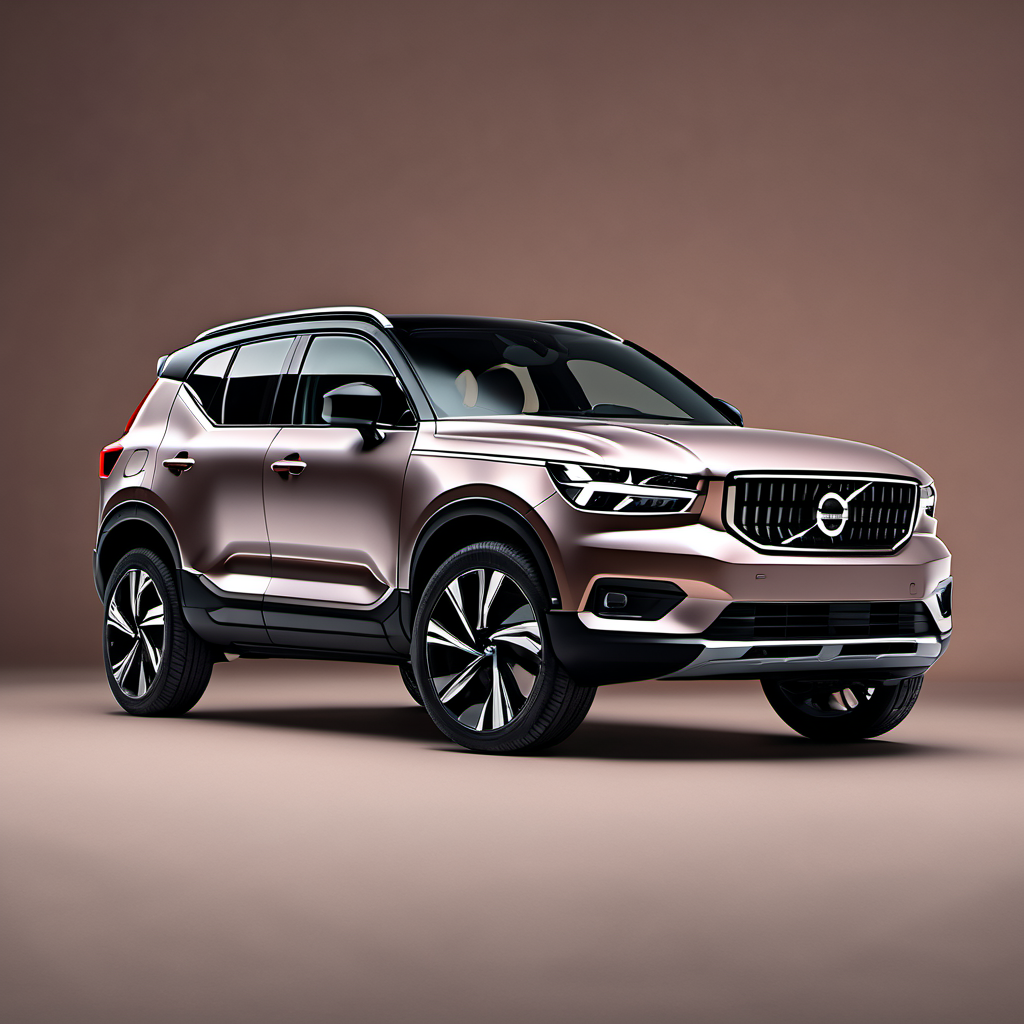
Priced similarly and competes on luxury feel and safety tech. The XC40 consistently scores higher in reliability surveys than the GLA and offers a simpler, more intuitive infotainment system.
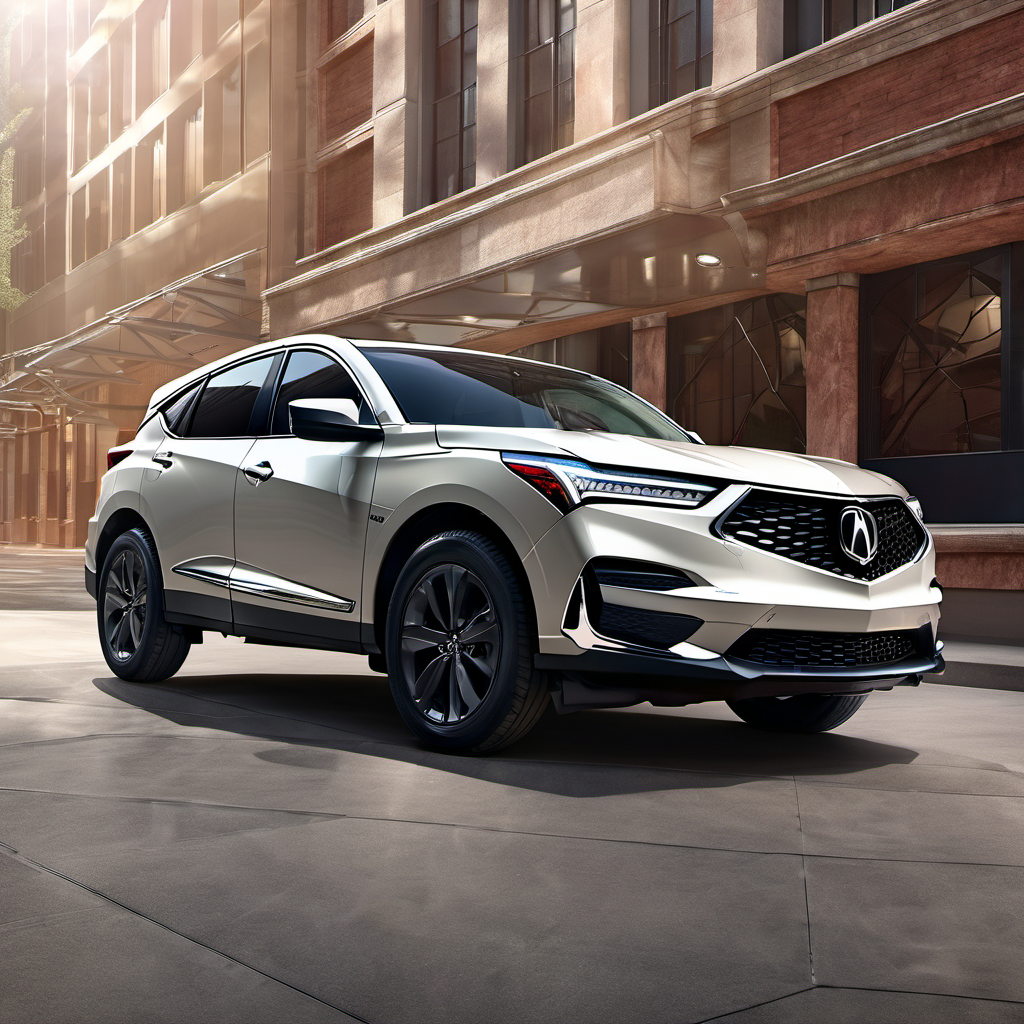
Slightly larger and a step up in price, but worth considering for buyers who want premium features with a stronger long-term reliability track record and lower ownership costs.