Mechatronics Unit Failure (DCT Transmission)
medium- Typically appears
- 50–80k mi
- Estimated repair
- $2,500 – $3,500
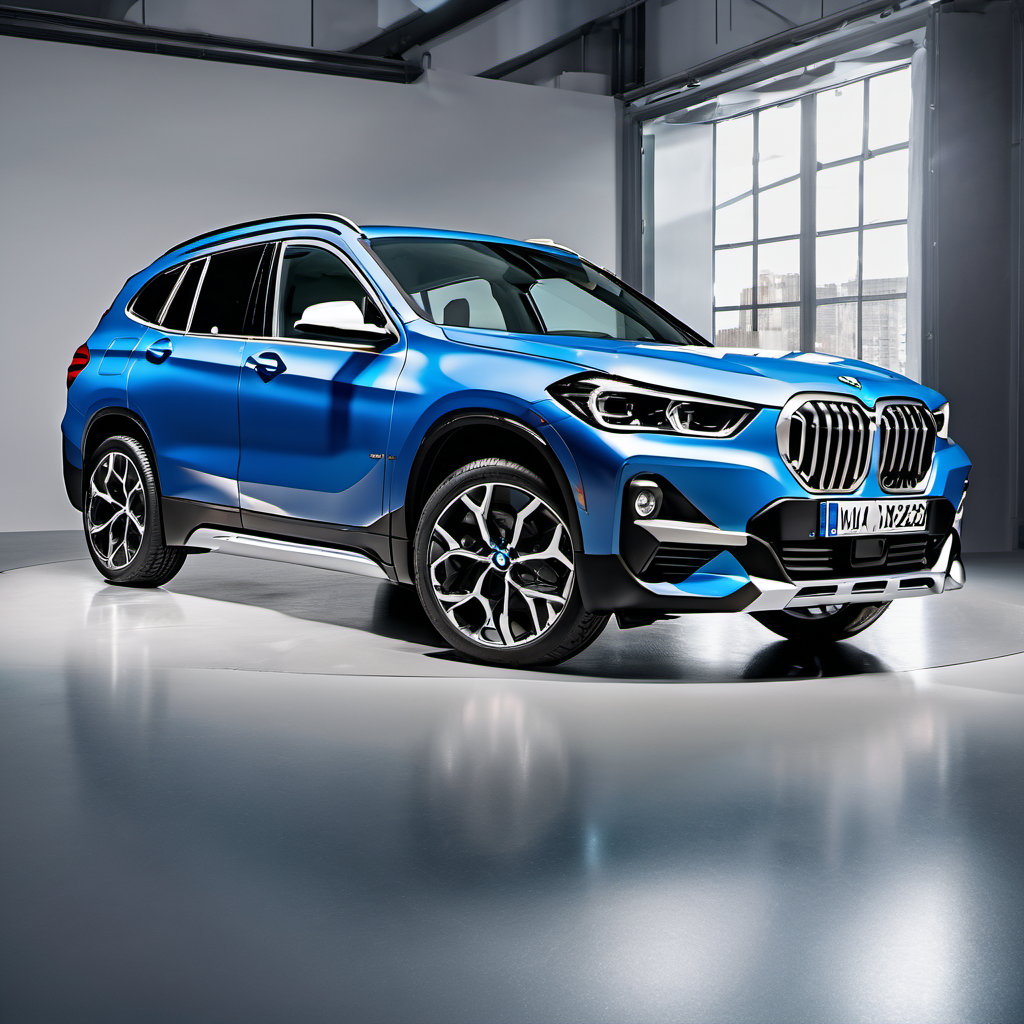
2022 BMW
SUV
The 2022 BMW X1 is the second-generation (F48 facelift) entry-level luxury compact crossover from BMW. It sits at the bottom of BMW's X-line but punches above its weight in driving dynamics, cabin quality, and feature content. The turbocharged 2.0L four-cylinder paired with BMW's xDrive all-wheel drive makes it a genuinely engaging daily driver that holds its own against heavier, less sporty compact luxury SUVs. For 2022, the X1 received updated styling, revised interior trim, and the latest iDrive 7 infotainment. It's a strong fit for buyers who want a premium feel and sport-oriented handling without stepping into a larger, more expensive X3. Cargo space is modest versus mainstream compact SUVs, but the rear seat is more generous than its footprint suggests. Ownership costs run higher than non-luxury compact SUVs — premium fuel is required, labor rates are elevated even at independent shops, and the dual-clutch transmission (DCT) is a known cost center. Go in with eyes open and budget accordingly.
The 2022 BMW X1 is the second-generation (F48 facelift) entry-level luxury compact crossover from BMW. It sits at the bottom of BMW's X-line but punches above its weight in driving dynamics, cabin quality, and feature content. The turbocharged 2.0L four-cylinder paired with BMW's xDrive all-wheel drive makes it a genuinely engaging daily driver that holds its own against heavier, less sporty compact luxury SUVs. For 2022, the X1 received updated styling, revised interior trim, and the latest iDrive 7 infotainment. It's a strong fit for buyers who want a premium feel and sport-oriented handling without stepping into a larger, more expensive X3. Cargo space is modest versus mainstream compact SUVs, but the rear seat is more generous than its footprint suggests. Ownership costs run higher than non-luxury compact SUVs — premium fuel is required, labor rates are elevated even at independent shops, and the dual-clutch transmission (DCT) is a known cost center. Go in with eyes open and budget accordingly.
BMW specifies 0W-20 full synthetic. The 10k interval is acceptable only with strict adherence and quality oil. In cold Wisconsin winters, on-time changes are especially important — oil thickens in sub-zero temps and sludge builds faster if the interval slips.
DOT 4 fluid absorbs moisture over time, lowering its boiling point. In a performance-oriented vehicle used in Wisconsin's hilly terrain and winter salt conditions, degraded brake fluid is a real safety risk. BMW specifies 2-year intervals — stick to it.
Wisconsin's road conditions include gravel, dust, and debris kicked up through winter and summer. A clogged air filter hurts turbo response and fuel economy. Check it visually at 20k if the car sees a lot of gravel or rural road use.
With a turbocharged engine and premium HVAC system, cabin filter health matters for both air quality and A/C efficiency. Road salt dust in Wisconsin accelerates clogging.
Given the known coolant leak history on this generation, proactively inspect the water pump, hose clamps, and expansion tank. BMW HT-12 coolant should not be mixed with other types.
BMW calls the DCT fluid 'lifetime,' but fluid degradation contributes to mechatronics stress. At an independent shop, a fluid condition check is inexpensive insurance against a $3,000+ mechatronics replacement.
BMW AGM batteries must be tested with an AGM-compatible tester. A marginal battery that passes a summer test can fail hard at -10°F. Replacement requires BMW coding at a shop with proper software — do not swap in a standard flooded battery.
AWD vehicles wear tires more evenly front-to-rear but rotation still extends tire life. Brake inspection catches early rotor wear and corrosion from Wisconsin road salt before it becomes a caliper or line issue.
Always defer to the manufacturer's service manual for warranty-mandated intervals.
The X1 costs more to own than its size suggests. Routine maintenance at an independent BMW-familiar shop runs $900–$1,800/year covering oil, filters, and brake fluid. The big wildcard is the DCT — a mechatronics unit replacement alone can run $2,500–$3,500 and isn't covered under standard warranty past 4 years/50k miles. Premium fuel is non-negotiable. Budget for these realities and the X1 is a rewarding ownership experience; ignore them and costs pile up fast.
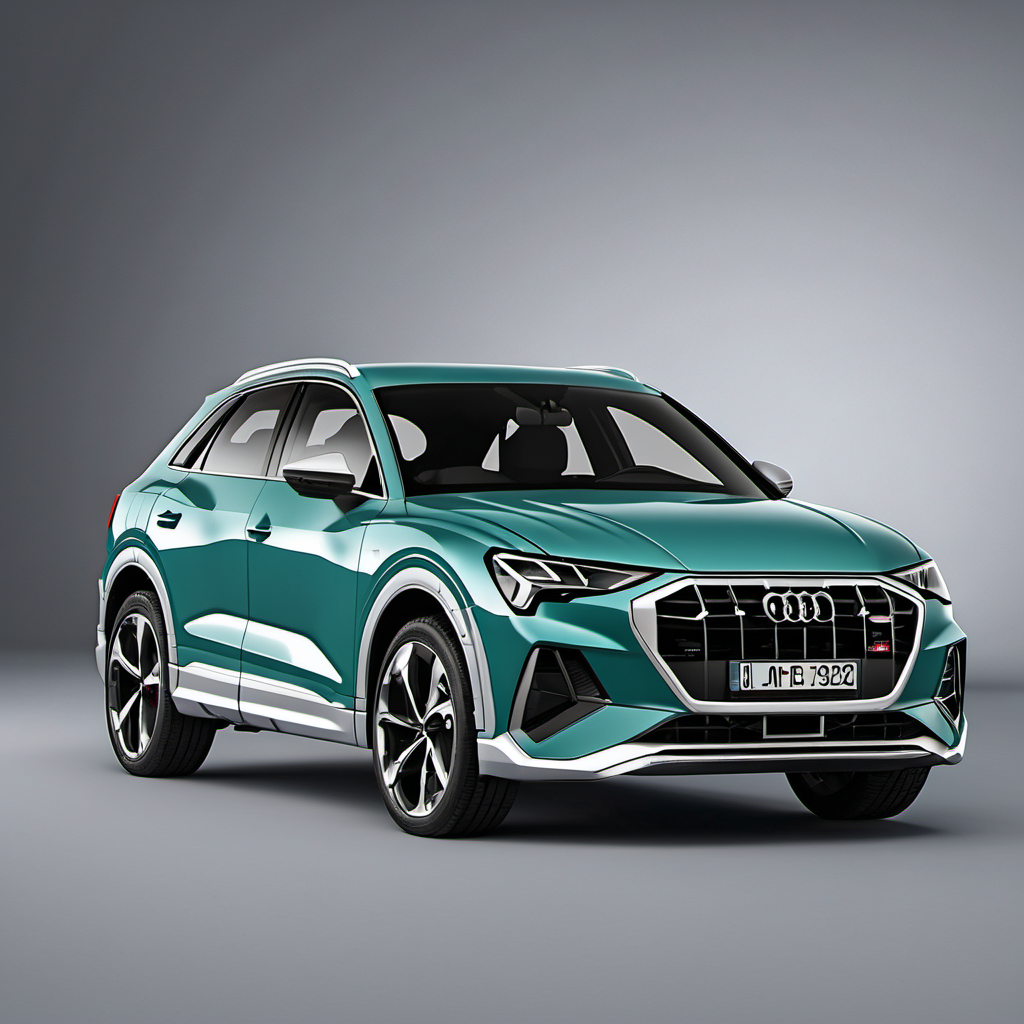
Near-identical footprint, price, and mission. Quattro AWD is similarly capable in winter. Slightly softer ride tuning; S tronic DCT has its own reliability reputation to research.
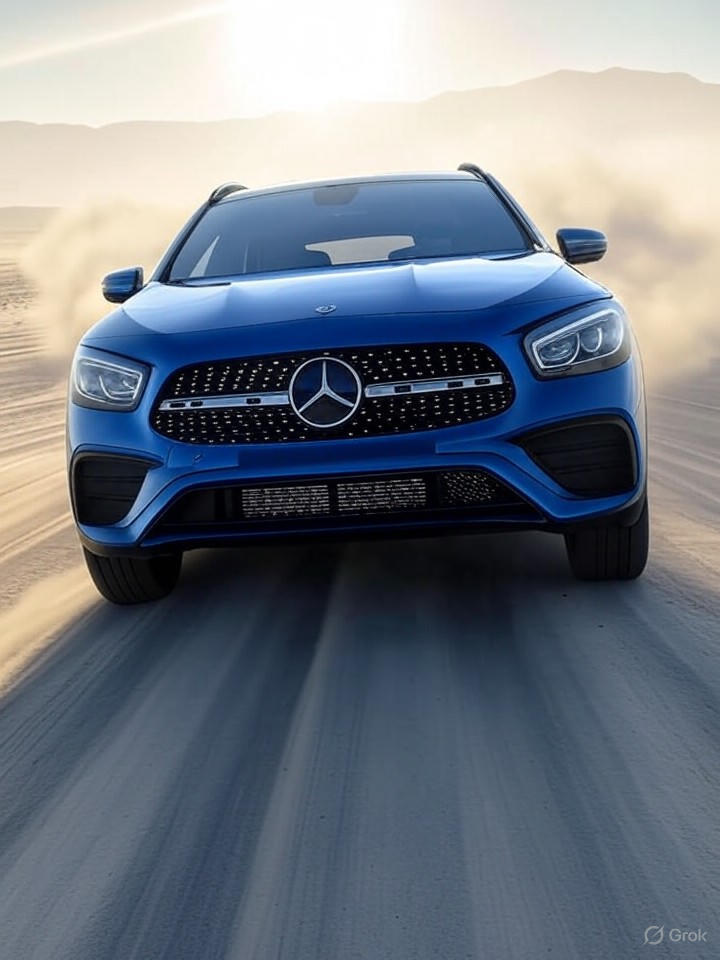
Direct luxury compact crossover rival. 4MATIC AWD, similar power output, and comparable pricing. Interior feels more plush; less driver-focused than the X1. DCT transmission is also a shared concern.
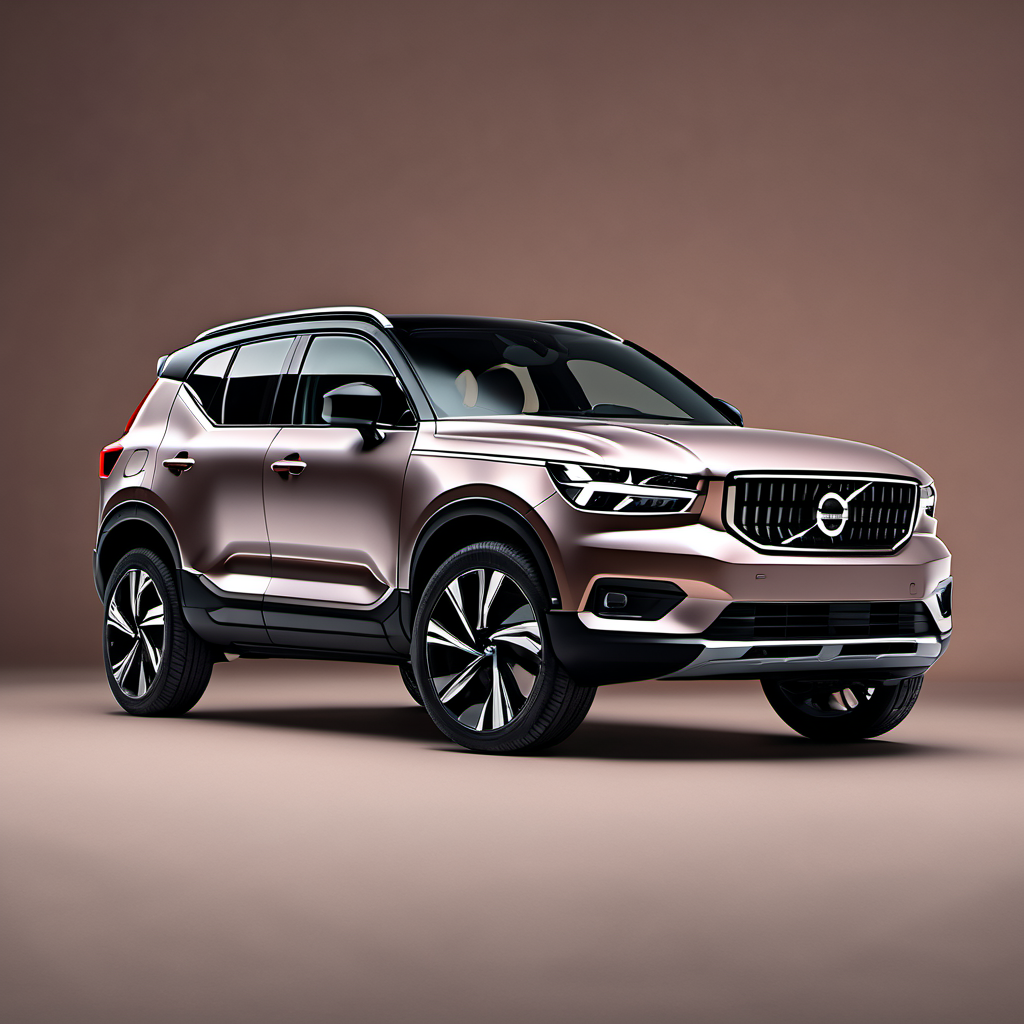
Strong safety record, standard AWD, and a more spacious interior than the X1. Slightly less engaging to drive but better reliability reputation and simpler maintenance needs.
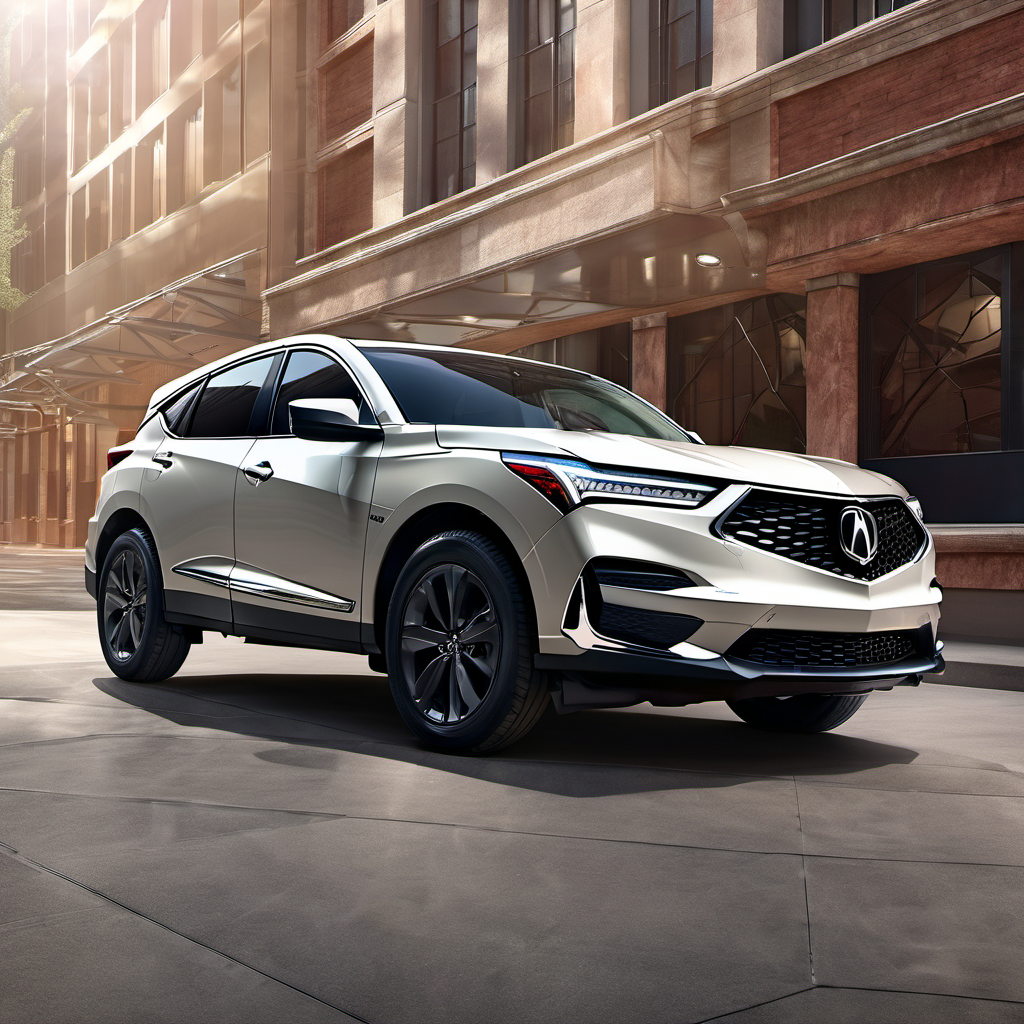
Slightly larger but similarly priced. SH-AWD is one of the best AWD systems in the segment. Stronger long-term reliability history than the X1; engine and transmission costs are lower.