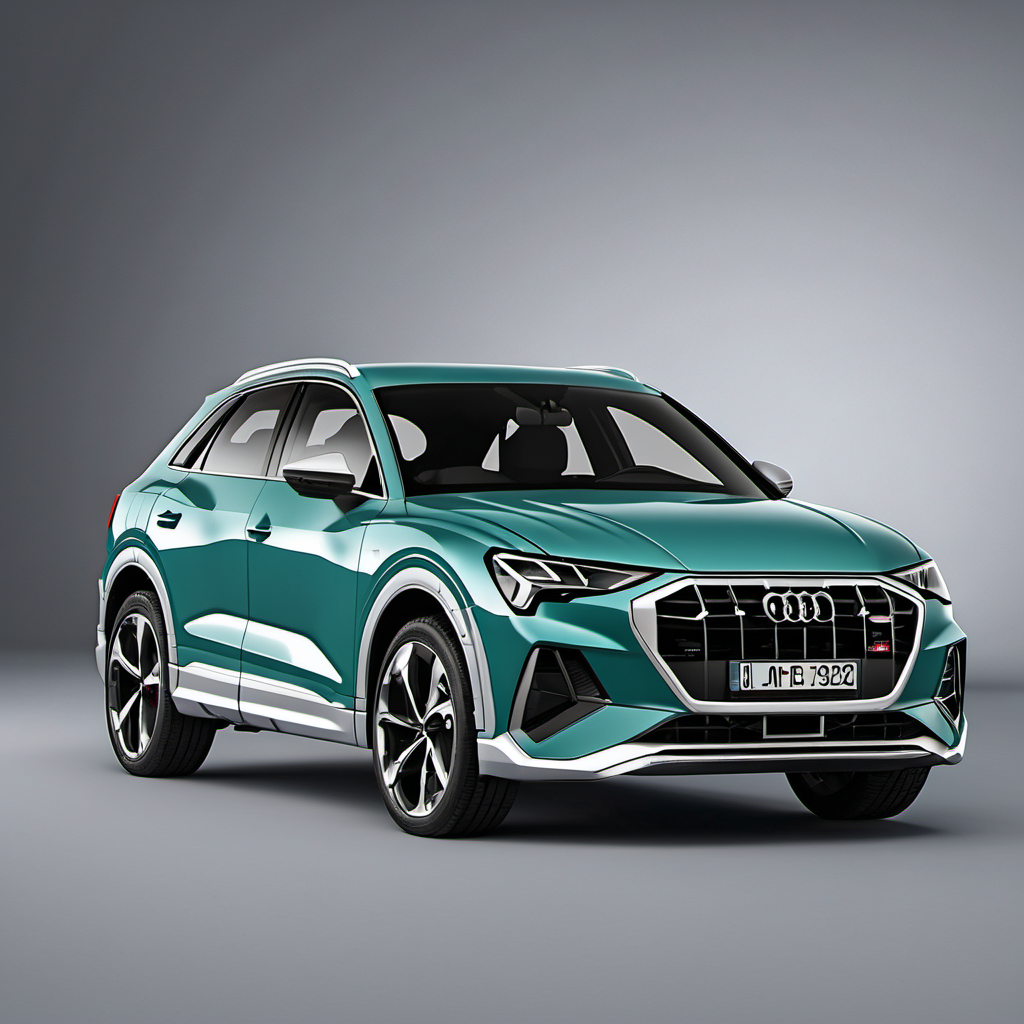
2022 Audi Q3 SUV

2022 Audi

Q3SUV

SUV

The 2022 Audi Q3 is Audi's entry point into the luxury compact SUV segment, riding on the MQB platform shared with several Volkswagen Group vehicles. It pairs a turbocharged 2.0L four-cylinder with Audi's Quattro AWD system in a well-proportioned package that fits comfortably in tight parking while still offering real cargo space and a genuinely upscale interior. For daily driving in the upper Midwest, the Q3 checks a lot of boxes: standard Quattro AWD, 6.7 inches of ground clearance for snow-covered streets, and a cabin that feels more expensive than its price tag suggests. Fuel economy is adequate — 24 combined — but not class-leading for a vehicle this size. The 2.0T engine is a known quantity across the VW/Audi lineup and has proven reasonably durable when oil changes are kept on schedule. Where it falls short is long-term cost of ownership. Parts and labor cost more than a comparable Japanese or domestic crossover, the MMI infotainment system has a documented glitch history in this generation, and sunroof seal issues have surfaced earlier than you'd hope on a near-$40k vehicle. It's a solid buy for someone who wants European refinement at a modest entry price, but eyes-open on repair costs.

Reliability
3/5
Verified data
Specs shown for Q3 S line quattro — the most common configuration. Other trims may vary in engine, drivetrain, or fuel economy. Sign in to see your vehicle's exact specs.
Engine
[object Object]
Drivetrain
AWD
Fuel
Gasoline
MPG
21 city / 28 hwy / 24 combined
Seats
Doors
Body
Small Sport Utility Vehicle 4WD
Length
176.6 inches

Overview

AI-curated

The 2022 Audi Q3 is Audi's entry point into the luxury compact SUV segment, riding on the MQB platform shared with several Volkswagen Group vehicles. It pairs a turbocharged 2.0L four-cylinder with Audi's Quattro AWD system in a well-proportioned package that fits comfortably in tight parking while still offering real cargo space and a genuinely upscale interior. For daily driving in the upper Midwest, the Q3 checks a lot of boxes: standard Quattro AWD, 6.7 inches of ground clearance for snow-covered streets, and a cabin that feels more expensive than its price tag suggests. Fuel economy is adequate — 24 combined — but not class-leading for a vehicle this size. The 2.0T engine is a known quantity across the VW/Audi lineup and has proven reasonably durable when oil changes are kept on schedule. Where it falls short is long-term cost of ownership. Parts and labor cost more than a comparable Japanese or domestic crossover, the MMI infotainment system has a documented glitch history in this generation, and sunroof seal issues have surfaced earlier than you'd hope on a near-$40k vehicle. It's a solid buy for someone who wants European refinement at a modest entry price, but eyes-open on repair costs.

Known for
  • Quattro AWD standard on all trims
  • Upscale interior quality relative to price
  • Peppy 2.0T engine with 228 hp
  • Compact footprint that's easy to place in tight spaces
  • VW Group MQB platform — wide parts ecosystem
Best for
  • Commuters who want luxury feel with AWD capability
  • Buyers stepping into the Audi brand for the first time
  • Suburban drivers who prioritize interior refinement
  • Wisconsin winters — standard Quattro handles snow well
Watch for
  • MMI infotainment freezing and random reboots
  • Sunroof seal and drainage issues leading to interior water damage
  • Higher-than-average dealership and independent repair costs
  • Start/stop system reliability complaints
  • Battery drain in sustained cold-weather operation

Common issues by mileage

6 known

MMI Infotainment System Freezing / Reboots

high
Typically appears
15–40k mi
Estimated repair
$0 – $600

Sunroof Drain Clog / Seal Leak

medium
Typically appears
20–50k mi
Estimated repair
$200 – $900

Start/Stop System Malfunction

medium
Typically appears
20–60k mi
Estimated repair
$150 – $500

Camshaft Timing / VVT Solenoid Issues (Valvelift System)

low
Typically appears
60–100k mi
Estimated repair
$300 – $900

Catalyst Efficiency Below Threshold (Bank 1)

low
Typically appears
50–100k mi
Estimated repair
$800 – $1,400

Cold-Climate Battery Drain

medium
Typically appears
0–60k mi
Estimated repair
$200 – $450

Maintenance schedule

  1. 1
    Every 10,000 miles or 12 months Engine oil and filter change — 5.2 qts 5W-30 full synthetic

    Audi's extended 10k interval is fine with full synthetic, but the turbocharged engine punishes dirty oil hard. In Wisconsin winters with frequent cold starts, consider going to 7,500 miles if the car sits in an unheated garage.

  2. 2
    Every 7,500 miles or 6 months Tire rotation

    Quattro AWD doesn't mean even tire wear — front tires still carry steering load. Rotation protects a $700–$900 tire set and keeps AWD stress balanced.

  3. 3
    Every 24 months or 30,000 miles Brake fluid replacement — DOT 4

    DOT 4 absorbs moisture over time, lowering its boiling point. Wisconsin's wet winters accelerate this. Fresh fluid prevents brake fade and internal caliper corrosion.

  4. 4
    Every 30,000 miles Engine air filter replacement

    Dirty air filter on a turbocharged engine hurts throttle response and can stress the turbo. Part number 06K-129-620.

  5. 5
    Every 20,000 miles Cabin air filter replacement

    Wisconsin road salt and pollen load up the cabin filter quickly. A plugged filter strains the blower motor and reduces defrost effectiveness — important in winter.

  6. 6
    Annually before winter Sunroof drain channel cleaning

    This generation Q3 has documented sunroof leaks tied to clogged drain tubes. A 10-minute blowout with compressed air each fall can prevent a $500–$900 interior water damage repair.

  7. 7
    Every 2 years or as needed Battery load test

    The Q3's extensive electronics and start/stop system tax the battery. In Lake Geneva winters, a weak battery will leave you stranded. Test it before the first hard freeze.

  8. 8
    Every 50,000 miles or per Audi schedule Spark plug replacement

    Worn plugs on a direct-injection turbo engine cause misfires that can foul injectors and stress the catalytic converter. Stay on schedule.

Always defer to the manufacturer's service manual for warranty-mandated intervals.

Cost of ownership

Annual maintenance
$900 – $1,800
Fuel
At 24 mpg combined and ~15,000 miles/year, expect roughly $2,000–$2,400/year at current Wisconsin gas prices. Premium fuel (91 octane) is recommended for the 2.0T — budget accordingly.
Insurance
Expect $1,400–$2,000/year in the Lake Geneva area for a driver with a clean record. Luxury branding and import parts costs push insurance slightly above a comparable domestic crossover.

The Q3 is the least expensive way into the Audi lineup, but 'entry-level luxury' still means elevated running costs. Routine maintenance at an independent VAG-familiar shop runs $900–$1,800/year including oil, filters, brakes, and tires. Budget an additional $500–$1,000 as a repair reserve — the MMI system and sunroof are the most likely unplanned expenses in the first 50k miles. Premium fuel and slightly pricier wear items (European brake pads, OE-spec synthetic oil) keep the cost-per-mile above a Toyota RAV4 or Honda CR-V.
Seasonal care

Lake Geneva, WI
Winter
  • Test battery load before first freeze — the Q3's electronics and start/stop system drain batteries faster than average, and sub-zero Lake Geneva mornings will expose a weak cell fast.
  • Flush and refill washer fluid with a -30°F or better rated formula. Stock fluid freezes in the lines and can crack the reservoir or pump.
  • Clear sunroof drain tubes before winter. Standing water in clogged drains freezes, expands, and can crack the drainage system or force water inside the headliner.
  • Switch to dedicated winter tires if you're in an area with sustained snow. Quattro improves traction, but it doesn't change how quickly you stop — winter tires do.
  • Inspect underbody and wheel wells for salt and debris buildup every 4–6 weeks. The Q3's aluminum and composite panels help, but brake lines and suspension components can still corrode.
  • Check coolant freeze protection (rated to -35°F minimum). Audi G12++ purple coolant is specified — do not mix with green or universal coolants.
Summer
  • Check tire pressure every 2–3 weeks. Tire pressure rises roughly 1 PSI per 10°F of ambient temperature — overinflated tires reduce traction and wear unevenly.
  • Run the A/C system fully and check for weak cooling or musty odors early in the season. The 2.0T generates meaningful underhood heat, and a low-refrigerant system won't keep up on a hot Wisconsin highway.
  • Inspect the cabin air filter — a restricted filter makes the A/C work harder and reduces airflow to the windshield.
  • After a hard winter, get a full brake inspection. Salt corrodes rotors and can seize caliper slide pins, which you won't notice until summer braking demands reveal uneven wear.
  • Check coolant level and condition after winter. If it looks brown or smells burned, flush and refill with fresh G12++ before summer heat adds more stress.

Comparable vehicles

If you're shopping for one

Red flags
  • Any sign of moisture or staining inside the headliner or around the sunroof frame — water damage repairs are expensive and mold is worse.
  • Infotainment that is slow, blank, or requires a reboot during the test drive — indicates a systemic issue, not a one-time glitch.
  • No oil change records or evidence of extended OCI intervals — a neglected turbo engine can have internal wear that won't show up until 20k miles later.
  • Mismatched tire brands or significant tread depth differences between axles — suggests the AWD system may have been stressed.
  • Rough idle or hesitation under light throttle — could indicate VVT solenoid or camshaft timing issues beginning to develop.
What to inspect
  • Pull up infotainment and cycle through all screens — watch for lag, freezing, or reboot mid-demo. This is a known issue and software updates don't always fix it.
  • Check the headliner and A-pillar trim around the sunroof for water stains, soft spots, or musty odor. Sunroof leaks often show up here before the owner notices.
  • Inspect the underbody and wheel arches for rust and road-salt corrosion, especially on brake lines and rear suspension points.
  • Verify oil service history — the 2.0T turbo degrades quickly on old oil. Look for documentation of 10k-or-less oil changes with full synthetic.
  • Test the start/stop system at a red light. If it hesitates, fails to restart smoothly, or throws a warning, the battery or start/stop module needs attention.
  • Check all four tires for even wear. Uneven wear on an AWD vehicle often signals a neglected rotation schedule or an alignment issue.
AI profile generated 1 mo ago · claude-sonnet-4-6 · v2.