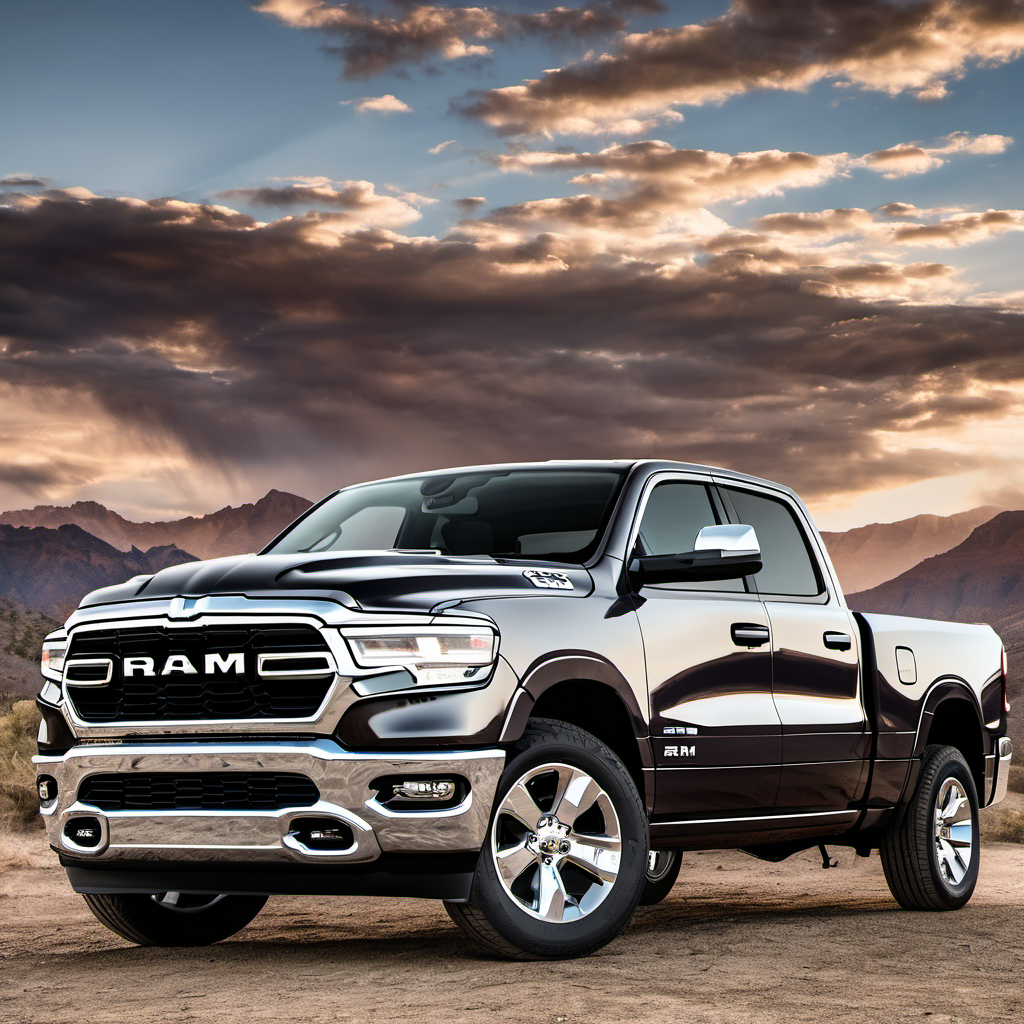
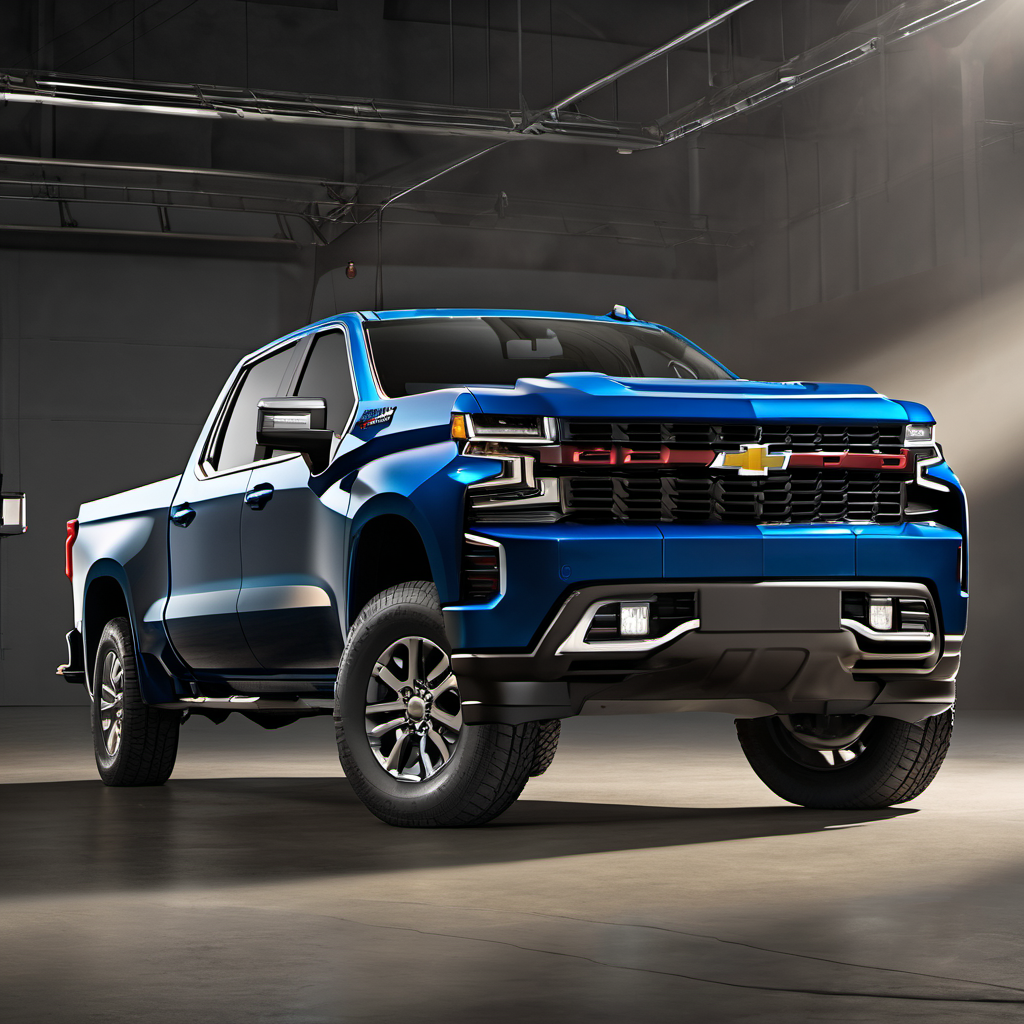
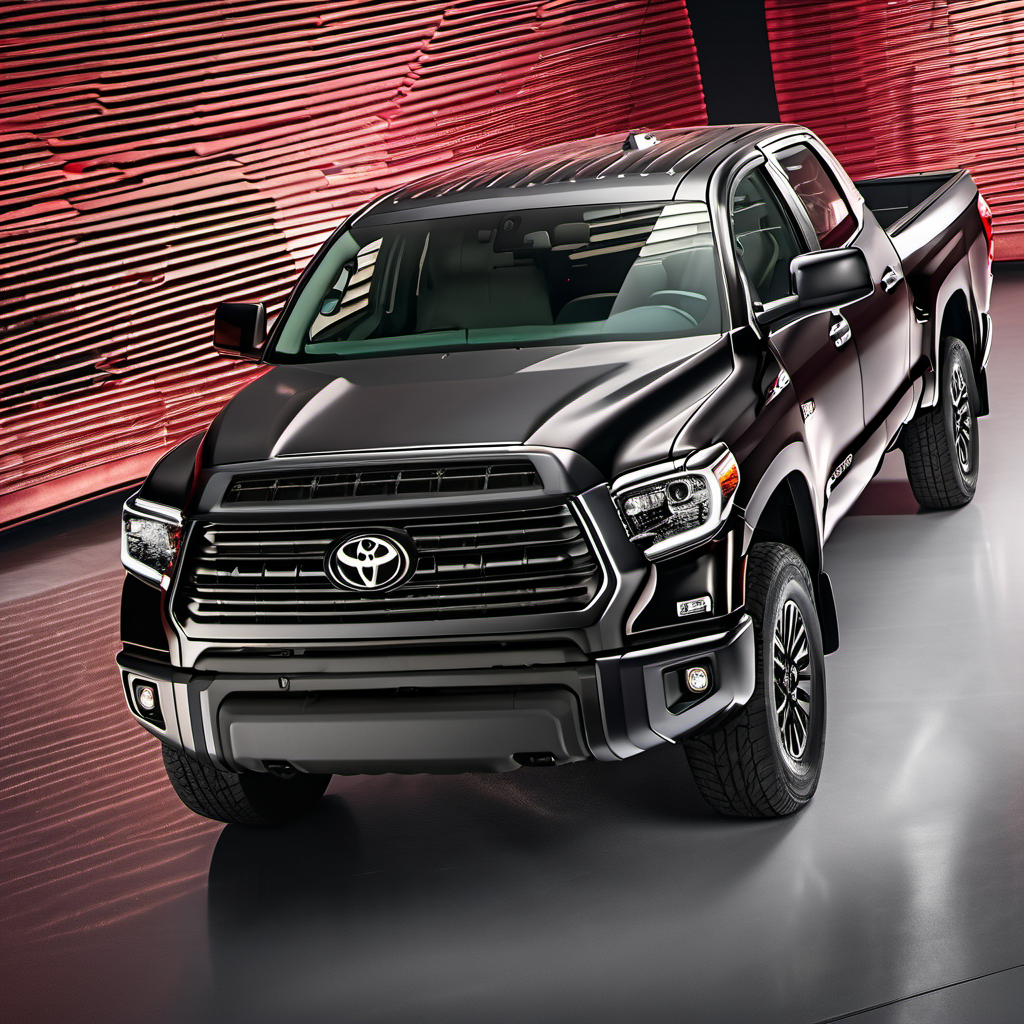
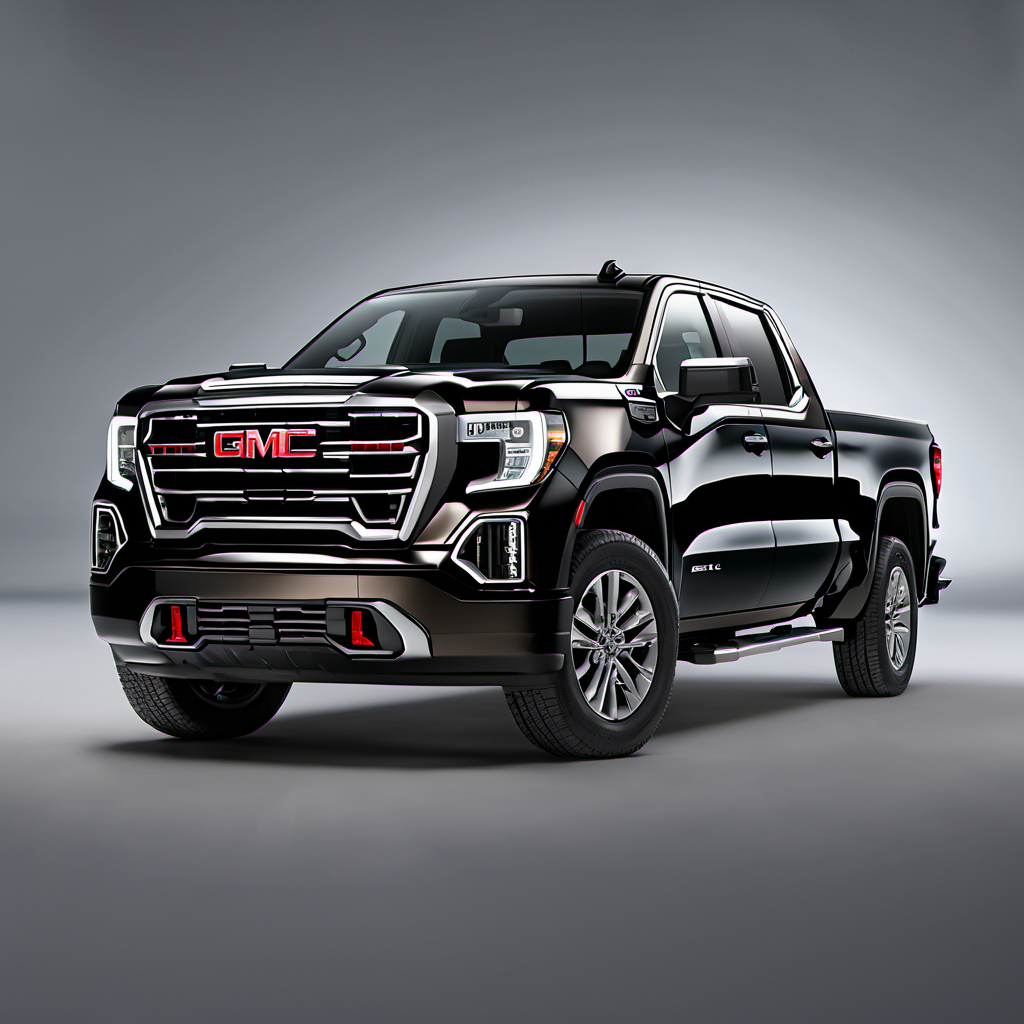
2021 Ram 1500 Quad Cab Pickup

2021 Ram

1500 Quad CabPickup

5.7L V8 HEMI · Pickup

The 2021 Ram 1500 Quad Cab is a full-size half-ton pickup built around Ram's fifth-generation platform. It pairs a coil-spring rear suspension — rare in this segment — with a well-appointed interior that consistently earns praise for ride quality and cabin refinement. The Quad Cab body offers a shorter rear door and a 6.4-foot bed, making it a practical middle ground between the smaller Regular Cab and the longer-doored Crew Cab. The standard 5.7L HEMI V8 produces 395 hp and 410 lb-ft of torque, mated to an 8-speed automatic. With a max tow rating of 12,750 lbs and a payload of 1,720 lbs, this truck can handle serious work while still being comfortable on the highway. The eTorque mild-hybrid system is available on this engine and adds light stop-start capability along with a small torque supplement at low speeds. For Lake Geneva owners this truck is a capable year-round hauler, but its size and fuel consumption are real considerations. Frame and undercarriage rust protection should be a priority given Wisconsin road salt exposure, and the coil-spring rear suspension air bag option (if equipped) adds long-term maintenance complexity.

Reliability
3/5
Verified data
Engine
[object Object]
Drivetrain
4WD
Fuel
Gasoline
MPG
15 city / 22 hwy / 17 combined
Seats
6
Doors
4
Body
Pickup
MSRP
$47,075

Overview

AI-curated

The 2021 Ram 1500 Quad Cab is a full-size half-ton pickup built around Ram's fifth-generation platform. It pairs a coil-spring rear suspension — rare in this segment — with a well-appointed interior that consistently earns praise for ride quality and cabin refinement. The Quad Cab body offers a shorter rear door and a 6.4-foot bed, making it a practical middle ground between the smaller Regular Cab and the longer-doored Crew Cab. The standard 5.7L HEMI V8 produces 395 hp and 410 lb-ft of torque, mated to an 8-speed automatic. With a max tow rating of 12,750 lbs and a payload of 1,720 lbs, this truck can handle serious work while still being comfortable on the highway. The eTorque mild-hybrid system is available on this engine and adds light stop-start capability along with a small torque supplement at low speeds. For Lake Geneva owners this truck is a capable year-round hauler, but its size and fuel consumption are real considerations. Frame and undercarriage rust protection should be a priority given Wisconsin road salt exposure, and the coil-spring rear suspension air bag option (if equipped) adds long-term maintenance complexity.

Known for
  • Best-in-class ride quality thanks to coil-spring rear suspension
  • 5.7L HEMI V8 with strong towing and hauling credentials
  • Premium interior quality that outclasses most competitors at this price
  • Strong resale value in the used truck market
  • Uconnect infotainment — class-leading when it works, frustrating when it doesn't
Best for
  • Towing boats, campers, and trailers in the 8,000–12,000 lb range
  • Daily drivers who want truck capability without sacrificing ride comfort
  • Buyers who prioritize interior quality and technology
  • Wisconsin four-season use with 4WD equipped
Watch for
  • Transmission shudder, especially under light acceleration in lower gears
  • Oil cooler leaks — can cause oil loss and engine damage if missed
  • Uconnect system freezes and failures (TSB 18-042-20)
  • Frame and undercarriage rust from road salt — critical in this region
  • Air suspension (if equipped) adds significant repair costs over time

Common issues by mileage

6 known

Transmission Shudder / Torque Converter Vibration

medium
Typically appears
25–50k mi
Estimated repair
$800 – $1,500

Uconnect Infotainment System Freezing or Failure

medium
Typically appears
30–70k mi
Estimated repair
$150 – $600

Engine Oil Cooler Leak

medium
Typically appears
50–80k mi
Estimated repair
$600 – $1,000

Evaporative Emission System Small Leak (P0456)

high
Typically appears
30–60k mi
Estimated repair
$50 – $250

Random/Multiple Cylinder Misfire (P0300)

low
Typically appears
60–100k mi
Estimated repair
$150 – $400

Frame and Undercarriage Rust (Rust Belt)

high
Typically appears
40–100k mi
Estimated repair
$300 – $1,500

Maintenance schedule

  1. 1
    Every 5,000 miles or 6 months — whichever comes first Engine Oil & Filter Change

    The 5.7L HEMI holds 7 quarts and uses 5W-20 synthetic blend. Consistent oil changes are the single biggest factor in HEMI longevity. Cold Wisconsin starts accelerate oil breakdown, so don't stretch intervals.

  2. 2
    Every 7,500 miles Tire Rotation

    4WD trucks develop uneven wear patterns quickly if rotations are skipped. Regular rotation extends tire life and keeps handling predictable in snow.

  3. 3
    Every 60,000 miles Transmission Fluid Change (Mopar ATF+4)

    The 8-speed takes 9 quarts of ATF+4. Degraded fluid is a known contributor to the torque converter shudder complaint. Use only Mopar ATF+4 or a certified equivalent — wrong fluid will cause shudder immediately.

  4. 4
    Every 30,000 miles or 36 months Air Filter Replacement

    A clogged filter hurts fuel economy noticeably on a V8. In dusty summer conditions or after gravel driving, inspect sooner.

  5. 5
    Every 20,000 miles Cabin Air Filter Replacement

    Keeps the HVAC system flowing efficiently, which matters for both defrost performance in winter and A/C cooling in summer.

  6. 6
    Inspect annually; flush every 5 years or 100,000 miles Coolant Inspection & Flush

    This engine uses OAT orange coolant. Mixing types or running degraded coolant contributes to oil cooler and water pump issues. In Wisconsin, verify freeze protection to at least -34°F before winter.

  7. 7
    Annually, ideally before first road-salt season Undercoating / Rust Inhibitor Application

    Steel frame rails and suspension components on this truck are vulnerable to Wisconsin road salt. Annual undercarriage inspection and rustproofing treatment is the most cost-effective protection against expensive frame and brake line repairs.

  8. 8
    Every 30,000 miles or when servicing other drivetrain fluids Differential & Transfer Case Fluid Check

    Front and rear differentials use 75W-90 GL-5; transfer case uses 75W-90 GL-4. Contaminated or low fluid causes premature gear wear — easy to miss until damage is done.

Always defer to the manufacturer's service manual for warranty-mandated intervals.

Cost of ownership

Annual maintenance
$700 – $1,400
Fuel
At 17 MPG combined and roughly 15,000 miles/year, expect $2,500–$3,200/year at current mid-grade fuel prices. If towing regularly, real-world economy drops to 10–12 MPG and costs climb accordingly.
Insurance
Expect $1,400–$2,000/year for full coverage in the Lake Geneva area depending on driving history and garaging. Truck values remain high, which keeps comprehensive premiums elevated.

This is not a cheap truck to own. Fuel alone will likely be your largest annual expense. Maintenance costs are reasonable if you stay on schedule — the HEMI is not fragile, but it does not forgive neglect. Budget extra for rust protection, which is not optional in this region, and set aside a reserve for the transmission or infotainment system, as both have a history of needing attention before 75k miles.

Seasonal care

Lake Geneva, WI
Winter
  • Verify coolant freeze protection to -34°F or lower before November — the OAT coolant capacity is 14.7 quarts and protection degrades over time.
  • Test the battery load before first cold snap. The HEMI's large displacement draws significant cranking amperage; a marginal battery that starts fine in October may fail at -10°F.
  • Switch to a winter-rated washer fluid rated to -20°F or colder. The large windshield on this truck ices quickly and refill is frequent.
  • Inspect wiper blades and consider winter-specific blades — the wide cab and tall hood make visibility critical during Lake Geneva lake-effect snow events.
  • After each significant road salt event, rinse the undercarriage at a touchless car wash, paying attention to the frame rails, brake lines, and wheel wells.
  • If equipped with air suspension, check for height inconsistency in extreme cold — air lines and bags are sensitive to temperature swings.
Summer
  • Check tire pressure monthly — every 10°F of temperature rise adds roughly 1 PSI, and these trucks run large-diameter tires where under-inflation has a real handling impact.
  • Inspect A/C system operation early in the season. The A/C compressor on high-mileage examples can fail in hot weather; recharging a system with a bad compressor wastes money.
  • Watch the engine temperature gauge under heavy towing in summer heat. The 5.7L runs warm when working hard — if the gauge climbs above normal, pull over and let it cool rather than pushing through.
  • Check brake pad depth before summer towing season. Heavy trailers on Wisconsin's hilly terrain eat pads faster than typical highway driving.

Comparable vehicles

If you're shopping for one

Red flags
  • Any shudder or vibration under light highway acceleration — torque converter repairs on this transmission run $800–$1,500 and are not always a permanent fix.
  • Oil spots directly under the front of the engine — oil cooler leaks can escalate to engine damage and are a $600–$1,000 repair.
  • Uconnect screen that boots slowly, freezes, or shows pixelation — module replacement can hit $500+ and is not always covered by extended warranties.
  • Frame rust that has progressed past surface oxidation to pitting or flaking — brake line replacement and structural rust repair on a full-size truck is expensive.
  • Any signs the transmission fluid has been neglected (dark, burned smell) on a truck with transmission shudder complaints in its history.
What to inspect
  • Start the engine cold and look for any oil spots under the engine — oil cooler leaks often show up as seepage around the front of the engine block.
  • Test drive specifically at highway speeds under light throttle in 3rd–5th gear to feel for torque converter shudder (a RPM-dependent vibration, not road noise).
  • Pull up the Uconnect system and cycle through all screens, test backup camera, and verify Bluetooth pairing — software failures may not throw a DTC but are obvious in use.
  • Inspect the frame rails, crossmembers, and brake lines for rust scale, especially if the truck has spent its life in the Midwest.
  • If air suspension is equipped, cycle it through all height settings and listen for compressor noise or slow response, which signals impending bag or compressor failure.
  • Check rear differential cover and transfer case for any seepage — often overlooked on trucks used for towing.
AI profile generated 1 hr ago · claude-sonnet-4-6 · v2.