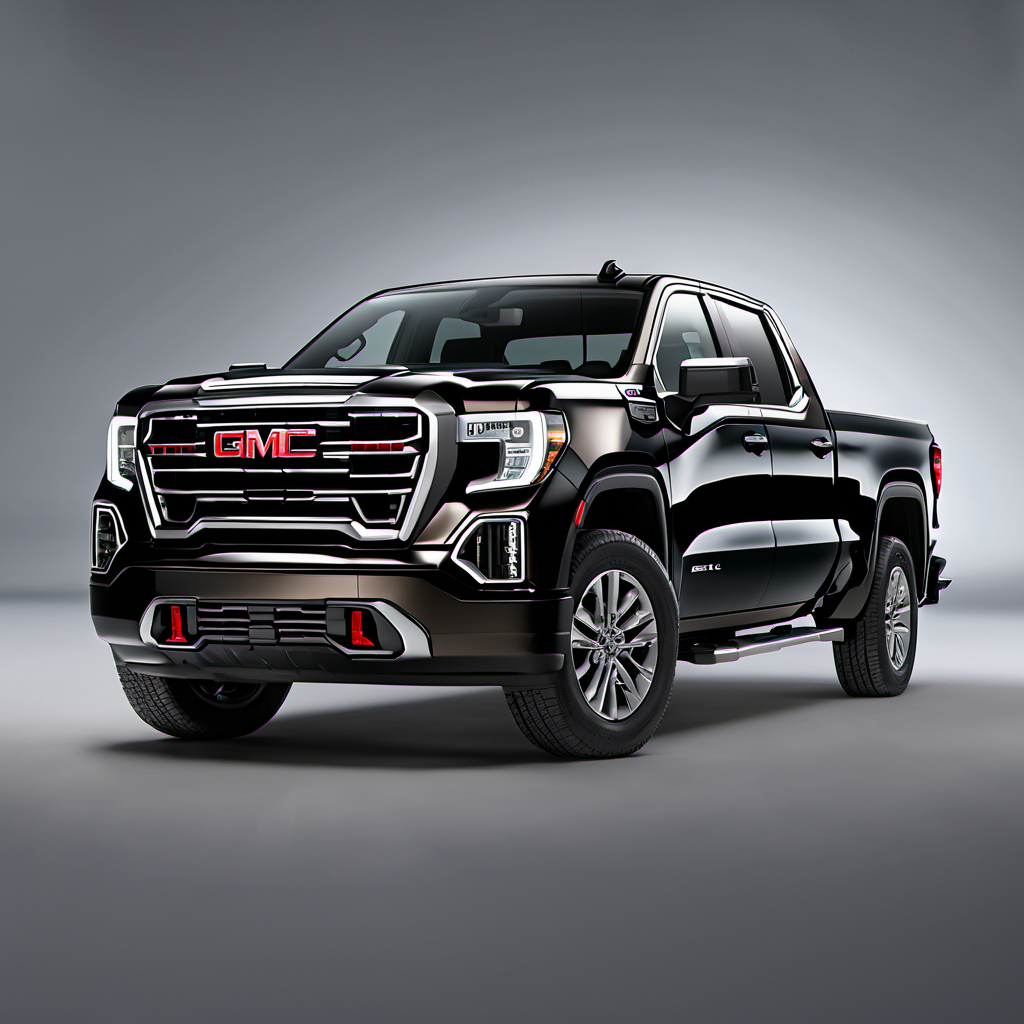
2021 GMC Sierra 1500 Double Cab Pickup

2021 GMC

Sierra 1500 Double CabPickup

5.3L V8 EcoTec3 · Pickup

The 2021 GMC Sierra 1500 Double Cab is GMC's full-size workhorse pickup, riding on GM's T1 platform shared with the Chevy Silverado 1500. The Double Cab body style seats five, offers a longer bed than the Crew Cab, and slots naturally into work-oriented or outdoor-lifestyle ownership. With a 5.3L V8 producing 355 hp and 383 lb-ft of torque, it handles 11,600 lbs of towing and nearly a ton of payload — numbers that genuinely satisfy most real-world needs. The 2021 model year brought over the revised interior GMC introduced with the 2019 generation, including the available MultiPro tailgate and a reasonably upscale cabin for a truck. The 5.3L EcoTec3 V8 with Active Fuel Management (cylinder deactivation) is the heart of the lineup, paired with GM's 8-speed automatic — a combo that's both capable and occasionally problematic due to the AFM/transmission shudder issue that affects a meaningful number of owners. For Lake Geneva-area buyers, this truck is at home in four seasons. The 4WD system is confidence-inspiring in Wisconsin winters, and the high ground clearance handles packed snow without drama. Just plan for the salt-belt realities: regular undercoating and washing are not optional here.

Reliability
3/5
Verified data
Engine
[object Object]
Drivetrain
4WD
Fuel
Gasoline
MPG
15 city / 20 hwy / 17 combined
Seats
5
Doors
4
Body
Pickup
MSRP
$40,200

Overview

AI-curated

The 2021 GMC Sierra 1500 Double Cab is GMC's full-size workhorse pickup, riding on GM's T1 platform shared with the Chevy Silverado 1500. The Double Cab body style seats five, offers a longer bed than the Crew Cab, and slots naturally into work-oriented or outdoor-lifestyle ownership. With a 5.3L V8 producing 355 hp and 383 lb-ft of torque, it handles 11,600 lbs of towing and nearly a ton of payload — numbers that genuinely satisfy most real-world needs. The 2021 model year brought over the revised interior GMC introduced with the 2019 generation, including the available MultiPro tailgate and a reasonably upscale cabin for a truck. The 5.3L EcoTec3 V8 with Active Fuel Management (cylinder deactivation) is the heart of the lineup, paired with GM's 8-speed automatic — a combo that's both capable and occasionally problematic due to the AFM/transmission shudder issue that affects a meaningful number of owners. For Lake Geneva-area buyers, this truck is at home in four seasons. The 4WD system is confidence-inspiring in Wisconsin winters, and the high ground clearance handles packed snow without drama. Just plan for the salt-belt realities: regular undercoating and washing are not optional here.

Known for
  • Proven 5.3L EcoTec3 V8 engine with strong power and torque
  • Best-in-class towing and payload for the Double Cab configuration
  • MultiPro tailgate with six functional positions
  • Upscale interior finish compared to Silverado equivalent
  • Strong resale value retention
Best for
  • Towers, haulers, and contractors needing real work capability
  • Outdoor and recreational use (boats, campers, ATVs)
  • Wisconsin four-season drivers who need 4WD confidence
  • Buyers who want truck utility with a more refined interior
  • Those with longer daily drives who want V8 flexibility
Watch for
  • Active Fuel Management (AFM) cylinder deactivation linked to transmission shudder and lifter failures
  • Infotainment system freezing and reboots — common on 2020–2021
  • Exhaust manifold bolt breakage, especially after heat cycles in cold climates
  • Frame and underbody rust in Wisconsin's salt-heavy winters
  • Tailgate mechanism failures reported on some units

Common issues by mileage

6 known

Transmission Shudder / Torque Converter Clutch

high
Typically appears
20–50k mi
Estimated repair
$200 – $600

Active Fuel Management (AFM) Lifter Failure

medium
Typically appears
80–150k mi
Estimated repair
$1,500 – $4,000

Infotainment System Freezing / Rebooting

high
Typically appears
0–30k mi
Estimated repair
$100 – $400

Exhaust Manifold Bolt Breakage

medium
Typically appears
40–80k mi
Estimated repair
$400 – $900

VVT / Camshaft Phaser Issues

medium
Typically appears
60–120k mi
Estimated repair
$600 – $1,800

Frame and Underbody Rust (Salt Belt)

high
Typically appears
30–80k mi
Estimated repair
$300 – $2,000

Maintenance schedule

  1. 1
    Every 7,500 miles or 6 months, whichever comes first Engine Oil & Filter Change

    0W-20 full synthetic is required. The AFM lifters and VVT phasers are oil-pressure-sensitive components — dirty or degraded oil accelerates wear on both. Don't stretch this interval even if the DIC says you can. 8-quart capacity means the full drain-and-fill matters.

  2. 2
    Every 45,000 miles (especially if shudder is present; don't wait for 97,500) Transmission Fluid Change

    GM's 'lifetime' fluid claim is optimistic. The Dexron VI fluid degrades and is directly linked to the TCC shudder issue. An independent shop fluid flush at 45k intervals is cheap insurance against a $400–$600 transmission repair — use the correct updated fluid spec per TSB 19-NA-073.

  3. 3
    Every 7,500 miles (with every oil change) Tire Rotation

    4WD trucks with staggered load patterns wear tires unevenly. Rotating on the oil change schedule keeps wear even, extends tire life, and helps you monitor brake wear at the same time.

  4. 4
    Inspect at 22,500 miles; replace by 45,000 miles Air Filter Inspection & Replacement

    Dusty rural and gravel-road driving around Lake Geneva will clog filters faster than the published interval. A dirty filter hurts fuel economy on an already thirsty V8.

  5. 5
    Every 15,000 miles or annually Cabin Air Filter Replacement

    Wisconsin road salt and debris loads the cabin filter faster than in mild climates. A clogged filter strains the HVAC blower motor and reduces defroster effectiveness — both matter in winter.

  6. 6
    Wash after every significant salt event; undercoat annually before winter Underbody Wash & Undercoating

    Lake Geneva roads get heavy salt treatment. The truck's steel frame, brake lines, and fuel lines will rust faster without active protection. This is the single highest-ROI maintenance item for Wisconsin ownership.

  7. 7
    Check annually; flush every 3 years Brake Fluid Check & Flush

    DOT 3 fluid absorbs moisture over time, lowering its boiling point. In a heavy truck used for towing in hilly terrain, degraded brake fluid is a real safety concern. Annual inspection catches contamination early.

  8. 8
    Every 5 years or 150,000 miles DEX-COOL Coolant Service

    DEX-COOL is long-life but not forever. Neglected coolant becomes acidic and attacks the water pump, intake gaskets, and heater core. With 15.4-quart capacity, a proper flush matters — don't just top off.

Always defer to the manufacturer's service manual for warranty-mandated intervals.

Cost of ownership

Annual maintenance
$600 – $1,200
Fuel
At 17 MPG combined and ~15,000 miles/year, expect roughly $2,600–$3,200/year in fuel at current Wisconsin prices. Towing or heavy hauling pushes real-world economy to 10–13 MPG and will noticeably increase that figure.
Insurance
Full-size 4WD pickups typically run $1,400–$2,000/year for full coverage in southern Wisconsin, varying by driver history and trim. Higher trim levels with MultiPro tailgate and premium tech cost slightly more to insure.

The Sierra 1500 is not a cheap truck to operate, but it's not unreasonable for the segment. Fuel is the biggest ongoing cost. Maintenance is straightforward if you stay ahead of it — the AFM transmission shudder repair (~$400) and a potential lifter job (~$2,500+) are the major cost wildcards. Proactive fluid maintenance and keeping the AFM system healthy (or disabled) can push 150k+ miles with no major unplanned repairs.

Seasonal care

Lake Geneva, WI
Winter
  • Switch to a dedicated winter tire set — the stock all-seasons lose grip below 25°F, and 4WD does not help you stop faster on ice. Lake Geneva sees real sub-zero temps and lake-effect ice events.
  • Check the battery before November. The 5.3L V8's 8-quart oil sump and high compression make cold starts harder on a weak battery. Load-test annually; replace anything under 70% health.
  • Use winter-rated windshield washer fluid rated to at least -25°F. The stock reservoir is large; drain and refill with winter fluid — don't dilute.
  • Apply fresh undercoating in October before the salt season begins. Pay special attention to frame rails, fuel and brake lines, and wheel wells.
  • Verify 4WD engagement in all modes (2WD, 4-Hi, 4-Lo) before the first snowstorm — don't discover a problem when you need it.
  • Keep the fuel tank at least half full through winter to reduce condensation in the fuel system and add weight over the rear axle.
Summer
  • Check tire pressure monthly — summer heat increases pressure roughly 1 PSI per 10°F rise. Properly inflated tires matter for payload and towing stability.
  • Inspect the A/C system before Memorial Day. The compressor on the 5.3L generates a lot of heat soak under the hood; a sluggish A/C system will feel worse on hot Wisconsin days. Recharge if cooling is marginal.
  • Inspect coolant concentration and level — the 5.3L runs hot under tow loads in July and August. Confirm DEX-COOL is at the correct 50/50 mix for both freeze and boil protection.
  • Check trailer wiring harness and hitch ball condition before the summer boat/camper season. Corrosion from winter salt can damage connector pins and ground wires.

Comparable vehicles

No comparable vehicles documented yet.

AI profile generated 1 hr ago · claude-sonnet-4-6 · v2.