Transmission Shudder / Torque Converter Shudder
high- Typically appears
- 30–80k mi
- Estimated repair
- $150 – $450
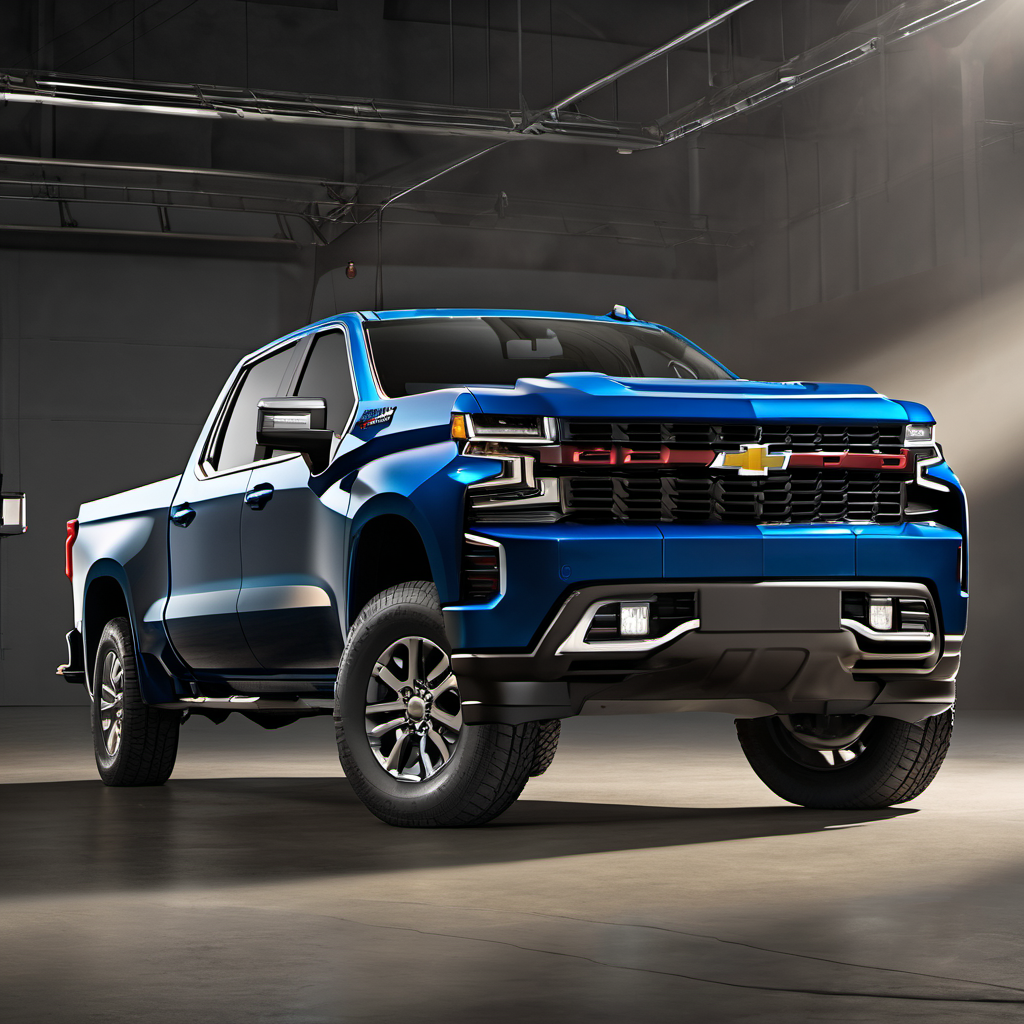
2021 Chevrolet
5.3L V8 · Pickup
The 2021 Chevrolet Silverado 1500 Crew Cab is GM's fourth-generation full-size pickup, sitting on the T1 platform introduced in 2019. With the 5.3L V8 (L84) under the hood, this truck delivers a proven combination of towing capability (up to 11,500 lbs when properly equipped), comfortable ride quality, and everyday usability. The crew cab body style gives rear passengers genuine legroom, making it a practical family hauler that still earns its keep on a job site or towing a boat on Lake Geneva. The L84 5.3L V8 pairs with a 10-speed automatic and features Dynamic Fuel Management (DFM), which can deactivate cylinders to save fuel. In practice, that cylinder-deactivation hardware is responsible for most of the reliability complaints owners raise — the transmission shudder issue that plagued early T1 trucks is closely tied to DFM behavior and torque converter engagement. GM issued TSB 21-NA-067 to address the shudder, and most cases respond well to a fluid flush and TCM calibration update. Overall, the 2021 Silverado is a capable and well-built truck. It's not the segment leader in interior refinement or infotainment polish, but its powertrain has decades of proven durability behind it and the 4WD system is robust. For Wisconsin owners who need a reliable, rust-aware workhorse through long winters, it's a solid choice — provided you stay on top of undercoating and the maintenance items unique to this engine.
The 2021 Chevrolet Silverado 1500 Crew Cab is GM's fourth-generation full-size pickup, sitting on the T1 platform introduced in 2019. With the 5.3L V8 (L84) under the hood, this truck delivers a proven combination of towing capability (up to 11,500 lbs when properly equipped), comfortable ride quality, and everyday usability. The crew cab body style gives rear passengers genuine legroom, making it a practical family hauler that still earns its keep on a job site or towing a boat on Lake Geneva. The L84 5.3L V8 pairs with a 10-speed automatic and features Dynamic Fuel Management (DFM), which can deactivate cylinders to save fuel. In practice, that cylinder-deactivation hardware is responsible for most of the reliability complaints owners raise — the transmission shudder issue that plagued early T1 trucks is closely tied to DFM behavior and torque converter engagement. GM issued TSB 21-NA-067 to address the shudder, and most cases respond well to a fluid flush and TCM calibration update. Overall, the 2021 Silverado is a capable and well-built truck. It's not the segment leader in interior refinement or infotainment polish, but its powertrain has decades of proven durability behind it and the 4WD system is robust. For Wisconsin owners who need a reliable, rust-aware workhorse through long winters, it's a solid choice — provided you stay on top of undercoating and the maintenance items unique to this engine.
The DFM system is oil-pressure sensitive. Degraded oil accelerates lifter wear. Do not stretch to the GM Oil Life Monitor's full recommendation if the truck sees frequent short trips, towing, or cold Wisconsin starts — those conditions degrade oil faster than the algorithm assumes.
The 4WD drivetrain and varying front/rear loads cause uneven wear. Rotating on the same schedule as oil changes costs little and extends tire life significantly.
A clogged cabin filter reduces HVAC airflow and can overwork the blower motor. In Wisconsin, pollen and road debris load filters faster in spring and fall.
Dusty summer conditions or unpaved job sites can shorten this interval. Inspect at 30k if the truck sees significant off-pavement use.
GM's extended interval assumes ideal conditions. If the TSB 21-NA-067 shudder appears before 97,500 miles, a fluid flush is the first step in the repair procedure and should not be delayed.
Salt-belt frame rust is the single biggest long-term threat to this truck's value and structural integrity. An annual treatment pays for itself many times over.
The auto stop/start system, DFM electronics, and cold-start demands put heavy stress on the battery. A marginal battery that passes a summer test will often fail a Wisconsin January cold-crank. Replace proactively every 4–5 years.
The 4WD system uses 75W-85 GL-5 in both axles and 75W-90 GL-4 in the transfer case. These are often overlooked. Contaminated or low fluid causes premature gear and bearing wear — especially important if the truck has been in deep water or mud.
Always defer to the manufacturer's service manual for warranty-mandated intervals.
Routine annual maintenance — oil changes, tire rotations, filters — runs $500–$900 at an independent shop if nothing breaks. Budget an additional $300–$600 every few years for undercoating and seasonal prep. The big financial risks are a DFM lifter failure ($2,500–$5,500) and transmission work; both are avoidable with disciplined oil-change intervals and prompt attention to the transmission shudder TSB. Parts and service availability for this truck are excellent — it's one of the most-serviced vehicles in the country, which keeps independent-shop labor rates competitive.
No comparable vehicles documented yet.