Secondary Air Injection Pump Failure
high- Typically appears
- 70–100k mi
- Estimated repair
- $1,100 – $1,800
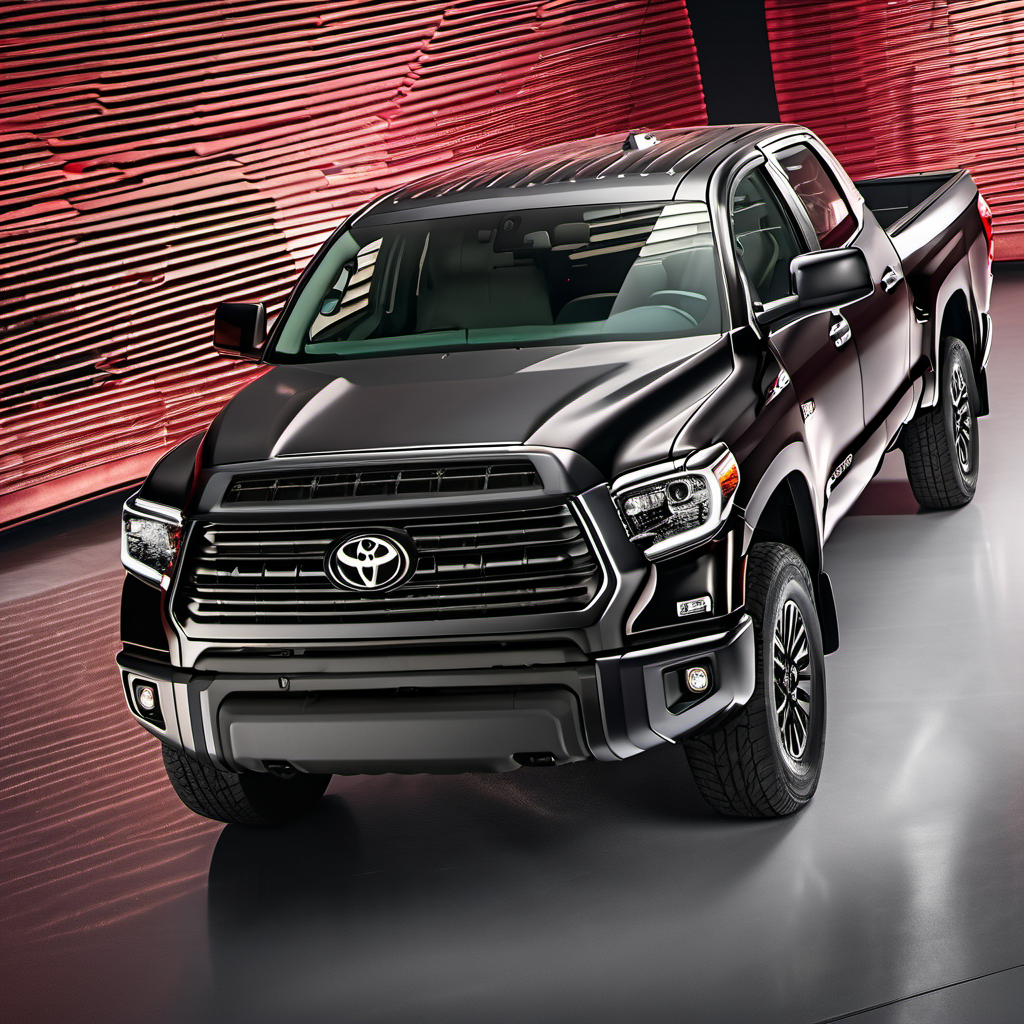
2021 Toyota
5.7L V8 · Pickup
The 2021 Toyota Tundra Double Cab is the final model year of the first-generation Tundra's long-running platform before Toyota's complete redesign arrived for 2022. It carries the legendary 5.7L V8 — one of the most proven truck engines ever built — paired with a 6-speed automatic. While the platform was aging by 2021 (infotainment and fuel economy lag behind rivals), the powertrain's durability record is exceptional. Owners regularly push past 200,000 miles with straightforward maintenance. The Double Cab body gives you a full-size rear seat that's genuinely usable for adults, an 8-foot bed option, and a towing rating of up to 10,400 lbs. It's a working truck first — not the most refined ride on the highway, but it more than earns its keep when you actually put it to work. For Lake Geneva-area owners, the main caution is the salt belt: Wisconsin roads are hard on underbodies, and the Tundra's frame and exhaust components need proactive attention each fall and spring. Budget for annual undercoating and keep up with those fluid changes, and this truck will reward you with a decade-plus of low-drama ownership.
The 2021 Toyota Tundra Double Cab is the final model year of the first-generation Tundra's long-running platform before Toyota's complete redesign arrived for 2022. It carries the legendary 5.7L V8 — one of the most proven truck engines ever built — paired with a 6-speed automatic. While the platform was aging by 2021 (infotainment and fuel economy lag behind rivals), the powertrain's durability record is exceptional. Owners regularly push past 200,000 miles with straightforward maintenance. The Double Cab body gives you a full-size rear seat that's genuinely usable for adults, an 8-foot bed option, and a towing rating of up to 10,400 lbs. It's a working truck first — not the most refined ride on the highway, but it more than earns its keep when you actually put it to work. For Lake Geneva-area owners, the main caution is the salt belt: Wisconsin roads are hard on underbodies, and the Tundra's frame and exhaust components need proactive attention each fall and spring. Budget for annual undercoating and keep up with those fluid changes, and this truck will reward you with a decade-plus of low-drama ownership.
Toyota specifies 0W-20 synthetic for this engine. In Wisconsin winters, that low-viscosity cold-flow is especially important for quick lubrication on sub-zero starts. Don't stretch this interval — dirty oil is the #1 cause of VVT-i actuator problems.
The 5,670-lb curb weight accelerates uneven wear, especially on 4WD models. Rotating on the same schedule as oil changes is the easiest way to stay on top of it and extends tire life significantly.
A restricted air filter on a high-displacement V8 noticeably affects fuel economy and throttle response. At Wisconsin's dusty summer road conditions and salty winter air, don't push past this interval.
A clogged cabin filter reduces heater and defroster airflow — a real problem in Wisconsin winters when you need that defroster working hard. Easy DIY swap.
Toyota WS fluid is required — don't substitute a generic ATF. The 6-speed automatic is durable but heat from towing degrades fluid faster. If you tow regularly, consider dropping to 45,000-mile intervals.
Use Toyota SLLC or a compatible pink OAT coolant only. Mixing coolant types causes gel deposits that can clog the radiator and accelerate water pump wear. Capacity is 14.9 qts.
The 5.7L V8 has 8 cylinders and iridium plugs. Worn plugs on a high-displacement engine like this cause rough idle, misfires (P0300), and reduced fuel economy. Don't let them go past 90k.
Lake Geneva sees heavy road salt from October through March. An annual inspection of the frame, exhaust hangers, brake lines, and differential covers — followed by fresh undercoating where needed — is the single best investment you can make for this truck's long-term health in Wisconsin.
Always defer to the manufacturer's service manual for warranty-mandated intervals.
Day-to-day running costs are modest — the engine and drivetrain are simple and parts are affordable. The big wildcard is the secondary air injection pump, which will likely need replacement once in the truck's life at $1,100–$1,800. Fuel is this truck's largest ongoing cost given the 5.7L's appetite. Budget $2,500–$3,500/year all-in for maintenance and fuel outside of any surprise repairs.
No comparable vehicles documented yet.