Death Wobble / Front-End Shimmy
medium- Typically appears
- 30–80k mi
- Estimated repair
- $200 – $900
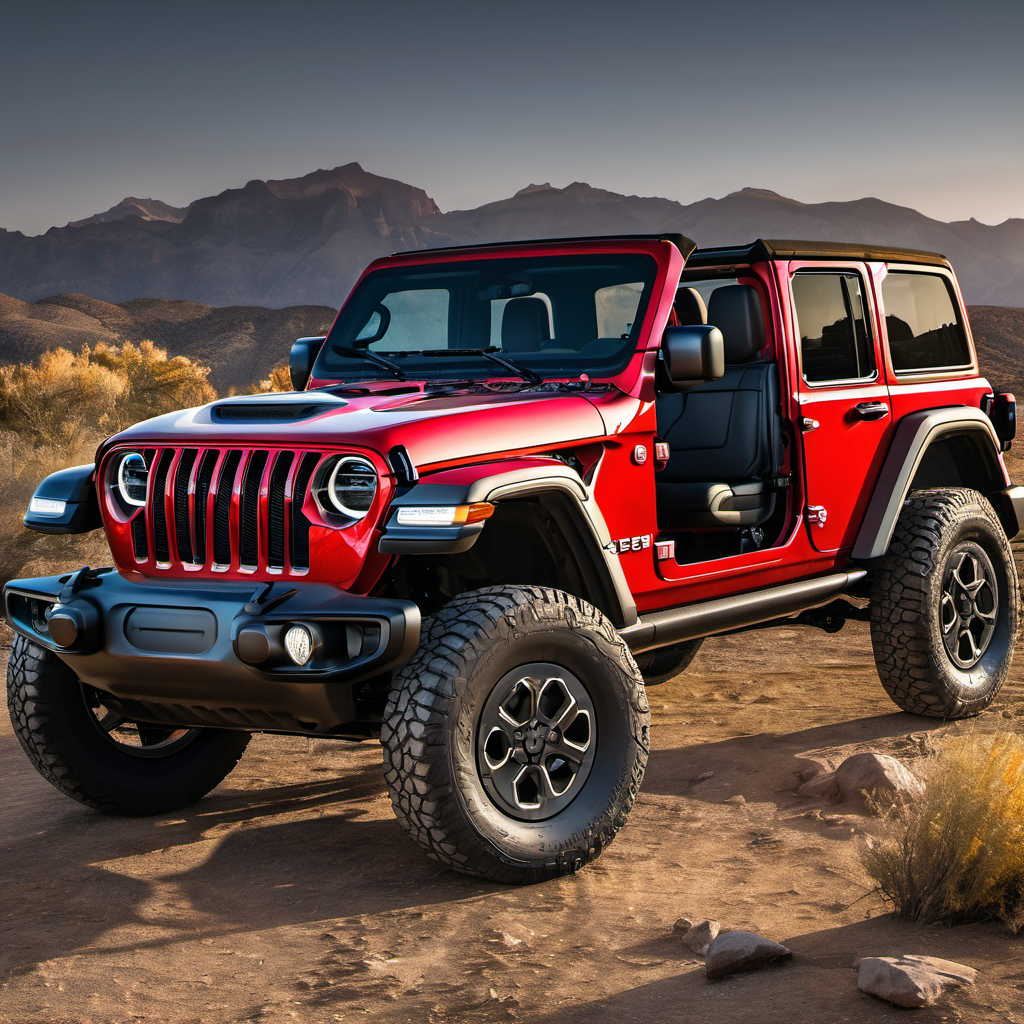
2021 Jeep
3.6L V6 Pentastar · SUV
The 2021 Jeep Wrangler (JL generation, launched 2018) is one of the few vehicles that has genuinely earned its own cultural identity. Built on a body-on-frame platform with solid front and rear axles, it prioritizes off-road capability and open-air driving in ways no other mainstream SUV attempts. The 2021 model year brought refinements over the original JL launch, including wider availability of the 2.0L turbocharged four-cylinder and the 3.6L Pentastar V6, plus the eTorque mild-hybrid option. On pavement, the Wrangler is a compromise vehicle — it rides stiffly, wanders on the highway, and drinks more fuel than a crossover of comparable size. Off the pavement, it's hard to beat at any price point near $30K–$40K. The Dana 44 axles, electronic sway-bar disconnect, and available locking differentials (Rubicon) give it genuine go-anywhere credentials from the factory. For Lake Geneva area owners, the Wrangler handles Wisconsin winters well thanks to its 4WD system and generous ground clearance, but the open body design means drafty cabins if door seals age out, and rust on the undercarriage can accelerate quickly if road salt is left unaddressed. Keep the undercoating fresh and the drain holes clear.
The 2021 Jeep Wrangler (JL generation, launched 2018) is one of the few vehicles that has genuinely earned its own cultural identity. Built on a body-on-frame platform with solid front and rear axles, it prioritizes off-road capability and open-air driving in ways no other mainstream SUV attempts. The 2021 model year brought refinements over the original JL launch, including wider availability of the 2.0L turbocharged four-cylinder and the 3.6L Pentastar V6, plus the eTorque mild-hybrid option. On pavement, the Wrangler is a compromise vehicle — it rides stiffly, wanders on the highway, and drinks more fuel than a crossover of comparable size. Off the pavement, it's hard to beat at any price point near $30K–$40K. The Dana 44 axles, electronic sway-bar disconnect, and available locking differentials (Rubicon) give it genuine go-anywhere credentials from the factory. For Lake Geneva area owners, the Wrangler handles Wisconsin winters well thanks to its 4WD system and generous ground clearance, but the open body design means drafty cabins if door seals age out, and rust on the undercarriage can accelerate quickly if road salt is left unaddressed. Keep the undercoating fresh and the drain holes clear.
The 3.6L Pentastar's VVT system relies on clean oil pressure to operate timing solenoids correctly. Dirty oil is the #1 cause of P001x/P002x codes on this engine.
Water intrusion during off-road use contaminates these fluids faster than normal on-road driving. Neglecting this leads to expensive axle and transfer case repairs.
Worn track bar bushings, ball joints, and steering stabilizers are the primary cause of death wobble. Early detection is far cheaper than the full steering rebuild.
Wisconsin road salt attacks Wrangler frame rails and skid plates aggressively. An annual undercoating and frequent washes are essential in this climate.
Seal rubber dries and cracks with seasonal temperature swings. A silicone-based conditioner extends seal life and prevents water leaks into the cabin.
Cold cranking demand on a 4WD system with accessory loads is high. A battery showing 70% or less capacity should be replaced before Wisconsin winter sets in.
The Pentastar has 6 plugs in tight quarters. Skipping the interval leads to misfires and coil failures. Replacing all six at once is cost-effective.
Moisture absorption in brake fluid accelerates in open-air vehicles where temperature cycling is more extreme. Wet fluid lowers boiling point and can cause corrosion in the ABS module.
Always defer to the manufacturer's service manual for warranty-mandated intervals.
The Wrangler costs more to own annually than a typical compact crossover. Fuel economy is its biggest recurring cost, followed by the more frequent fluid services required for 4WD components. If you're not off-roading, these drivetrain service costs still apply. Budget for tire replacement every 40–50k miles — aggressive all-terrains are pricey but worth it in Wisconsin.

Direct rival with solid axles (on Badlands/Wildtrak), removable doors and roof, and comparable off-road capability. Often available at similar price points and addresses most of the same buyer needs.
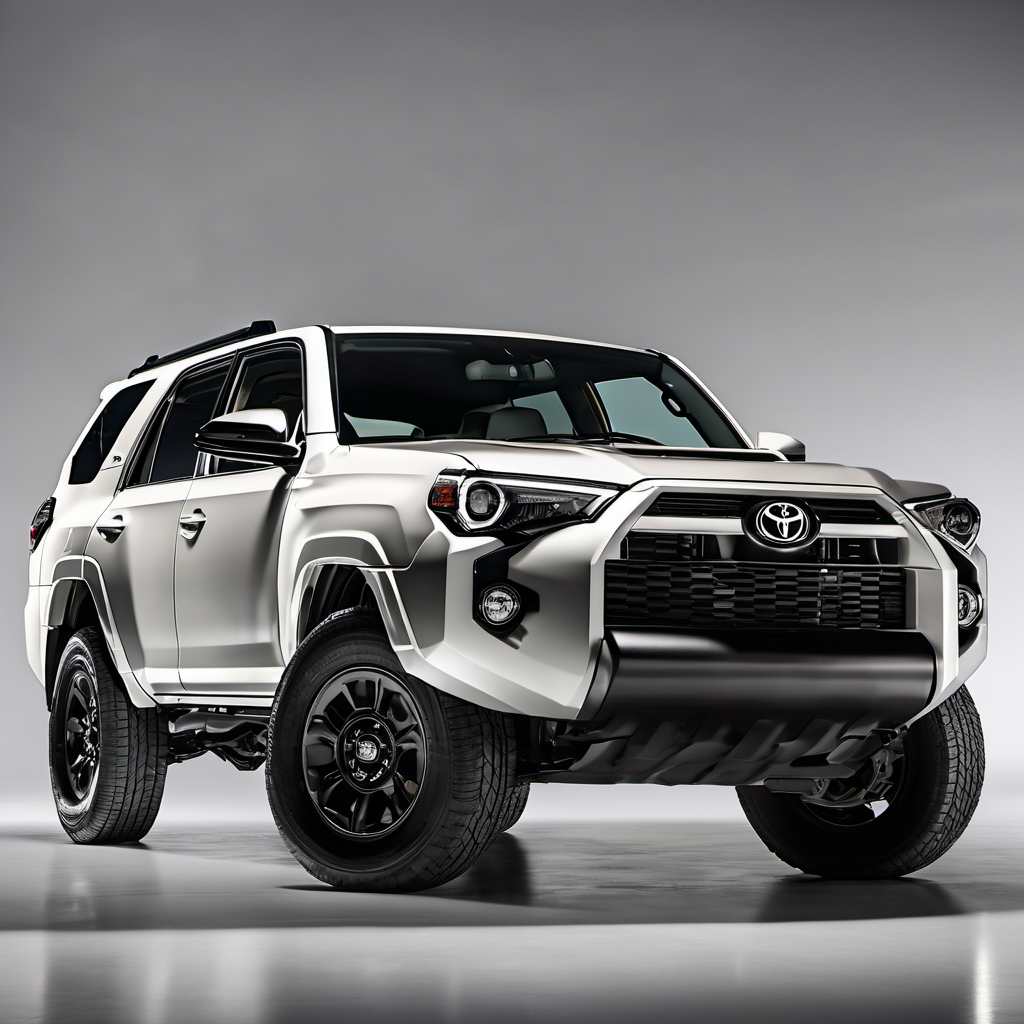
Body-on-frame, solid rear axle, proven off-road capability, and significantly better long-term reliability scores. More practical daily driver but lacks open-air experience and removable panels.
If the buyer is drawn to off-road performance rather than open-air driving, the ZR2 offers class-leading suspension travel and better fuel economy in a pickup format at a similar price.
No catalog match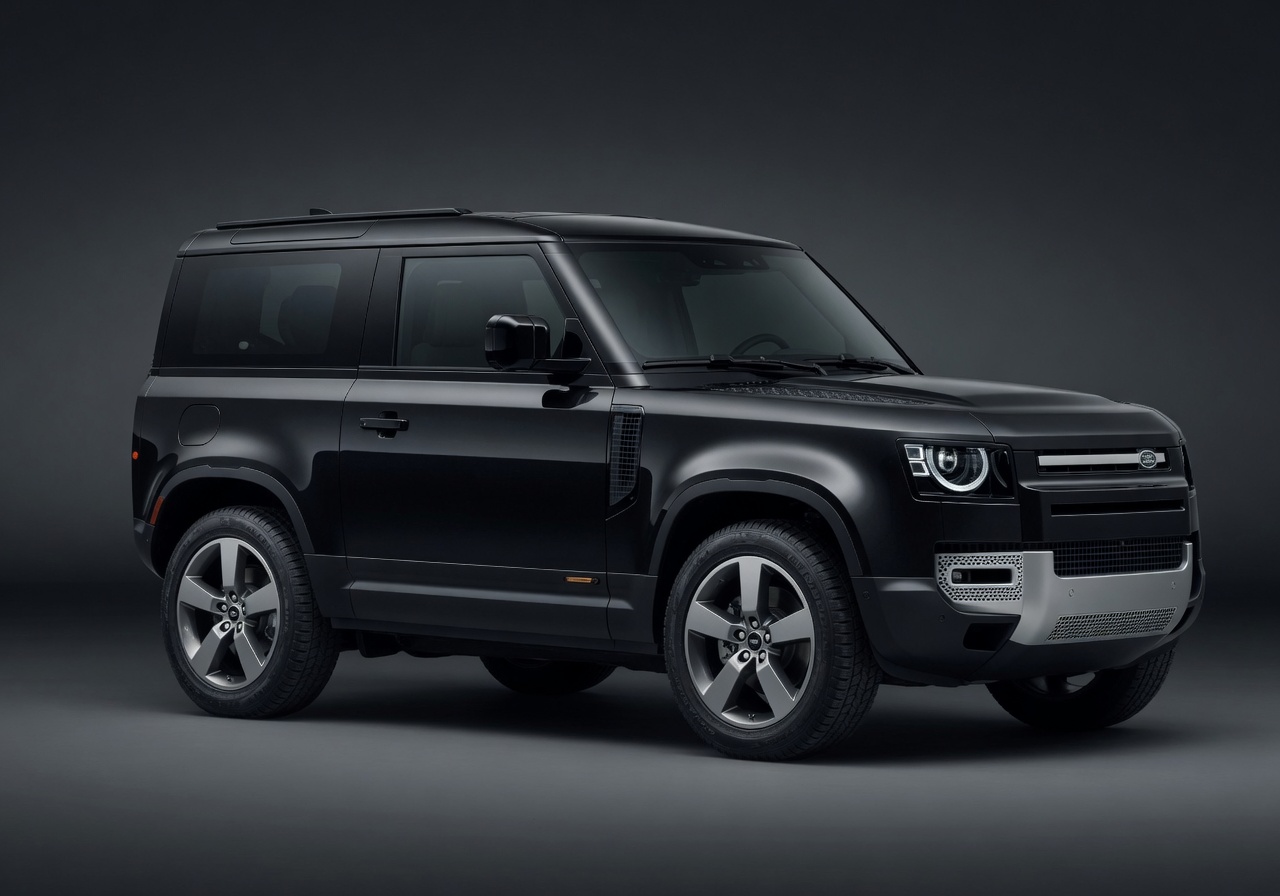
Premium alternative with comparable off-road credentials and a modern unibody platform. Considerably higher ownership cost and repair complexity, but worth considering for buyers with a larger budget.