Secondary Air Injection Pump Failure
high- Typically appears
- 70–100k mi
- Estimated repair
- $900 – $1,400

2021 Toyota
SUV
The 2021 Toyota 4Runner is a fifth-generation body-on-frame SUV that has changed very little since its 2010 redesign — and that's largely a feature, not a bug. It's built around a proven 4.0L V6 paired with a 5-speed automatic, a combination Toyota has refined into near-bulletproof reliability. The 4Runner is one of the few remaining SUVs that can genuinely go off-road without modifications, thanks to a solid rear axle, generous ground clearance, and available locking rear differential and crawl control. What you give up is fuel economy and modern tech refinement. At 17 mpg combined, it's thirsty by any standard, and the infotainment system feels a generation behind competitors. The ride on pavement is truck-firm. But buyers who choose a 4Runner aren't trading it for a crossover — they want something that will haul the boat, handle the logging road, and still be running strong at 250,000 miles. In the upper Midwest, the 4Runner has a strong following for good reason: it handles Wisconsin winters well, the 4WD system is confidence-inspiring on packed snow, and the body-on-frame construction holds up to years of abuse better than unibody competitors. Frame rust is a legitimate concern in the salt belt and should be addressed proactively.
The 2021 Toyota 4Runner is a fifth-generation body-on-frame SUV that has changed very little since its 2010 redesign — and that's largely a feature, not a bug. It's built around a proven 4.0L V6 paired with a 5-speed automatic, a combination Toyota has refined into near-bulletproof reliability. The 4Runner is one of the few remaining SUVs that can genuinely go off-road without modifications, thanks to a solid rear axle, generous ground clearance, and available locking rear differential and crawl control. What you give up is fuel economy and modern tech refinement. At 17 mpg combined, it's thirsty by any standard, and the infotainment system feels a generation behind competitors. The ride on pavement is truck-firm. But buyers who choose a 4Runner aren't trading it for a crossover — they want something that will haul the boat, handle the logging road, and still be running strong at 250,000 miles. In the upper Midwest, the 4Runner has a strong following for good reason: it handles Wisconsin winters well, the 4WD system is confidence-inspiring on packed snow, and the body-on-frame construction holds up to years of abuse better than unibody competitors. Frame rust is a legitimate concern in the salt belt and should be addressed proactively.
Toyota specifies 0W-20 synthetic. In Wisconsin's cold winters, this low-viscosity oil flows fast on cold starts, protecting the VVT-i system which is sensitive to oil quality and change intervals. Skipping this accelerates VVT sludge issues.
Toyota markets WS fluid as 'lifetime,' but independent shops in the Midwest routinely see rough-shifting 4Runners that have never had a fluid change. Changing at 60k prevents the solenoid wear and clutch pack degradation that leads to expensive repairs.
Front and rear differentials use 75W-85 GL-5; transfer case uses 75W GL-4. Off-road use or water crossings can contaminate fluid. Contaminated gear oil accelerates bearing and gear wear — cheap insurance on a $40k vehicle.
Gravel roads and off-road use load the filter faster than city driving. A clogged filter reduces power and fuel economy, and in very dirty conditions can stress the MAF sensor.
Wisconsin pollen and road dust clog cabin filters quickly. A restricted filter strains the blower motor and reduces defrost effectiveness — critical for winter visibility.
Frame rust is the 4Runner's single biggest threat in the salt belt. Inspect the frame rails, crossmembers, and brake lines annually. Address surface rust early; penetrating rust on brake lines or the frame is a safety issue and far more expensive to fix late.
DOT 3 is hygroscopic — it absorbs moisture over time, lowering its boiling point and accelerating corrosion in the ABS modulator. Wisconsin temperature swings make this more relevant than in mild climates.
Toyota SLLC is genuinely long-lived, but do not mix with green or orange coolant — it degrades the protection chemistry. Capacity is 10.4 qts; always pressure-test the system when servicing.
Always defer to the manufacturer's service manual for warranty-mandated intervals.
The 4Runner's routine maintenance costs are modest for its size — oil changes, filters, and fluid services at an independent shop run $600–$1,200/year in normal operation. The big wildcard is a secondary air injection pump failure ($900–$1,400) or transmission repair ($1,500–$3,500) if fluid service has been deferred. Fuel is the largest ongoing expense. On the flip side, depreciation is extremely low — the 4Runner holds value better than almost any other SUV, which partially offsets higher running costs over a long ownership period.

Body-on-frame off-road SUV in the same price range. More modern interior and tech than the 4Runner, similar off-road credentials. Less proven long-term reliability track record at this point.
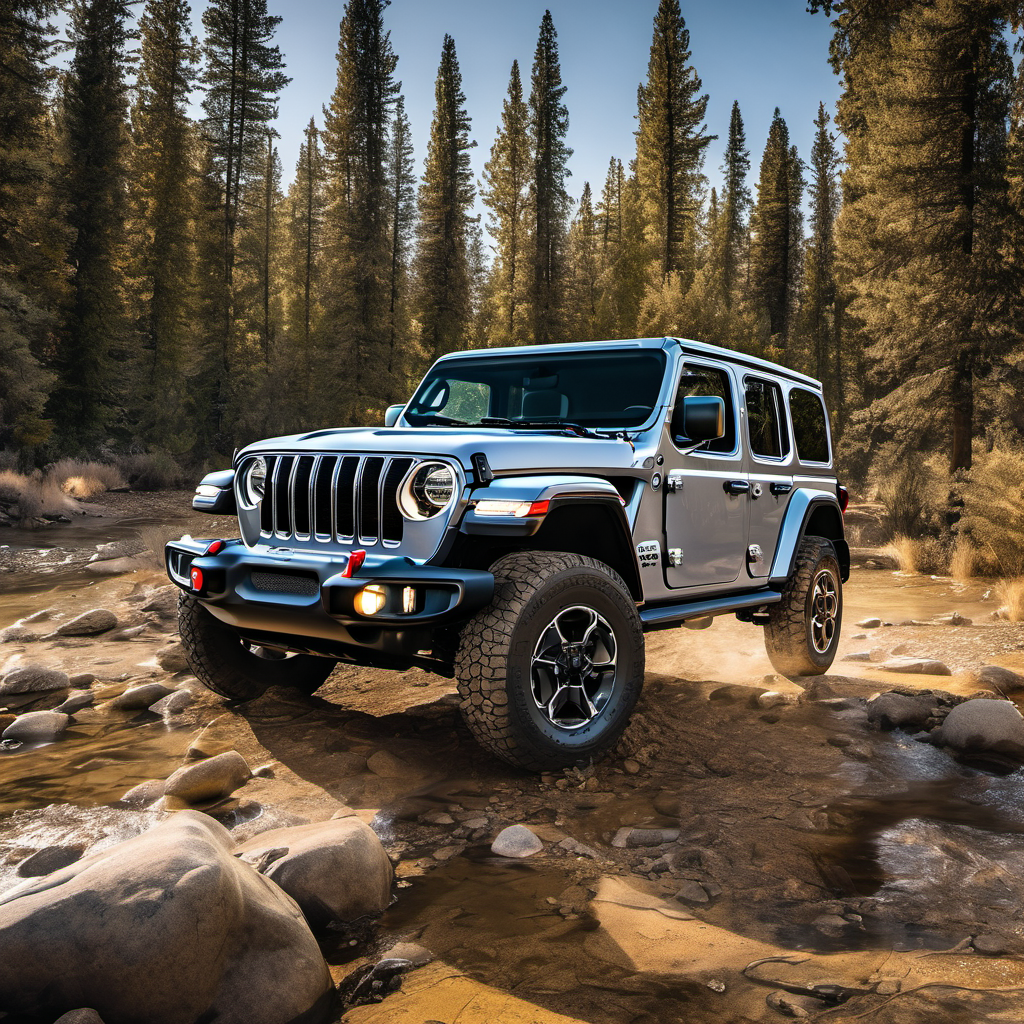
The other benchmark for body-on-frame off-road SUVs. More off-road capable out of the box in some configurations, but significantly higher ownership costs and lower reliability scores than the 4Runner.

If the priority is towing capacity and passenger space over off-road use, the Tahoe offers more of both. Higher running costs and softer resale value compared to the 4Runner.
Direct off-road segment competitor — though Xterra production ended in 2015, used examples compete directly with the 4Runner in the used market at a lower price point with similar body-on-frame durability.
No catalog match