Electrical / Infotainment Gremlins
high- Typically appears
- 0–30k mi
- Estimated repair
- $100 – $600

2021 Ford
SUV
The 2021 Ford Bronco is the highly anticipated revival of an American off-road icon, returning after a 25-year absence. Built on a body-on-frame platform with solid front and rear axles as standard equipment, it brings serious trail capability to a segment dominated by softer unibody crossovers. The 2021 model year launched with significant demand and equally significant early production and quality-control growing pains — something buyers should weigh carefully. Powered by a 2.3L turbocharged four-cylinder (or optional 2.7L twin-turbo V6), the base engine delivers 270 hp and 310 lb-ft of torque — more than adequate for both highway driving and rock crawling. The Bronco is offered in two- and four-door configurations with removable doors and roof panels, making it a genuinely fun open-air machine. The GOAT (Goes Over Any Type of Terrain) drive modes, front and rear locking differentials, and available 35-inch tires from the factory give it off-road credentials that few competitors can match straight off the lot. The 2021 model year is the first of a new generation, which means some early-adopter risk. Electrical gremlins, soft-top leak complaints, and transmission shudder reports were widespread in owner forums and NHTSA complaints. Most mechanically inclined owners and shops consider the platform fundamentally sound — these are largely refinement issues, not structural ones — but a used 2021 should be inspected carefully for signs of deferred fixes.
The 2021 Ford Bronco is the highly anticipated revival of an American off-road icon, returning after a 25-year absence. Built on a body-on-frame platform with solid front and rear axles as standard equipment, it brings serious trail capability to a segment dominated by softer unibody crossovers. The 2021 model year launched with significant demand and equally significant early production and quality-control growing pains — something buyers should weigh carefully. Powered by a 2.3L turbocharged four-cylinder (or optional 2.7L twin-turbo V6), the base engine delivers 270 hp and 310 lb-ft of torque — more than adequate for both highway driving and rock crawling. The Bronco is offered in two- and four-door configurations with removable doors and roof panels, making it a genuinely fun open-air machine. The GOAT (Goes Over Any Type of Terrain) drive modes, front and rear locking differentials, and available 35-inch tires from the factory give it off-road credentials that few competitors can match straight off the lot. The 2021 model year is the first of a new generation, which means some early-adopter risk. Electrical gremlins, soft-top leak complaints, and transmission shudder reports were widespread in owner forums and NHTSA complaints. Most mechanically inclined owners and shops consider the platform fundamentally sound — these are largely refinement issues, not structural ones — but a used 2021 should be inspected carefully for signs of deferred fixes.
The EcoBoost turbo runs hot oil through tight VCT passages. Sticking to this interval prevents sludge buildup that causes camshaft timing codes and premature VCT actuator wear — the single most preventable failure on this engine.
4WD trucks wear tires unevenly if not rotated regularly, especially with off-road use. Keep all four tires matched to protect the transfer case.
Off-road use dramatically shortens air filter life. If you wheel it, inspect at every oil change and replace earlier than the book interval.
Especially important on soft-top models where dust and debris enter more freely. Also helps prevent mold smell if the interior has gotten wet.
Water intrusion from stream crossings or deep puddles can contaminate differential fluid. Milky or gritty fluid means immediate service to prevent gear damage.
Transmission shudder is a documented issue on 2021 Broncos. Fresh fluid is the first and cheapest fix. Use only MERCON ULV — incorrect fluid will make shudder worse.
Wisconsin winters are brutal on rubber seals. Cracked or compressed seals allow water and road salt spray into the cabin. A $10 rubber conditioner application twice a year prevents a $300+ leak repair.
DOT 3 absorbs moisture over time, lowering the boiling point. This matters more on a 4WD truck used off-road with heavier brake demands.
Always defer to the manufacturer's service manual for warranty-mandated intervals.
The Bronco is not a cheap vehicle to own, but it's not unreasonably expensive either. Routine maintenance is straightforward and DIY-friendly for basic services. The main cost wildcard on 2021 models is electrical issues — diagnosing gremlins takes labor time. Keeping up with oil changes and transmission fluid is the single best investment you can make in this vehicle's long-term health. Soft top models add ongoing seal maintenance costs that hardtop owners avoid.
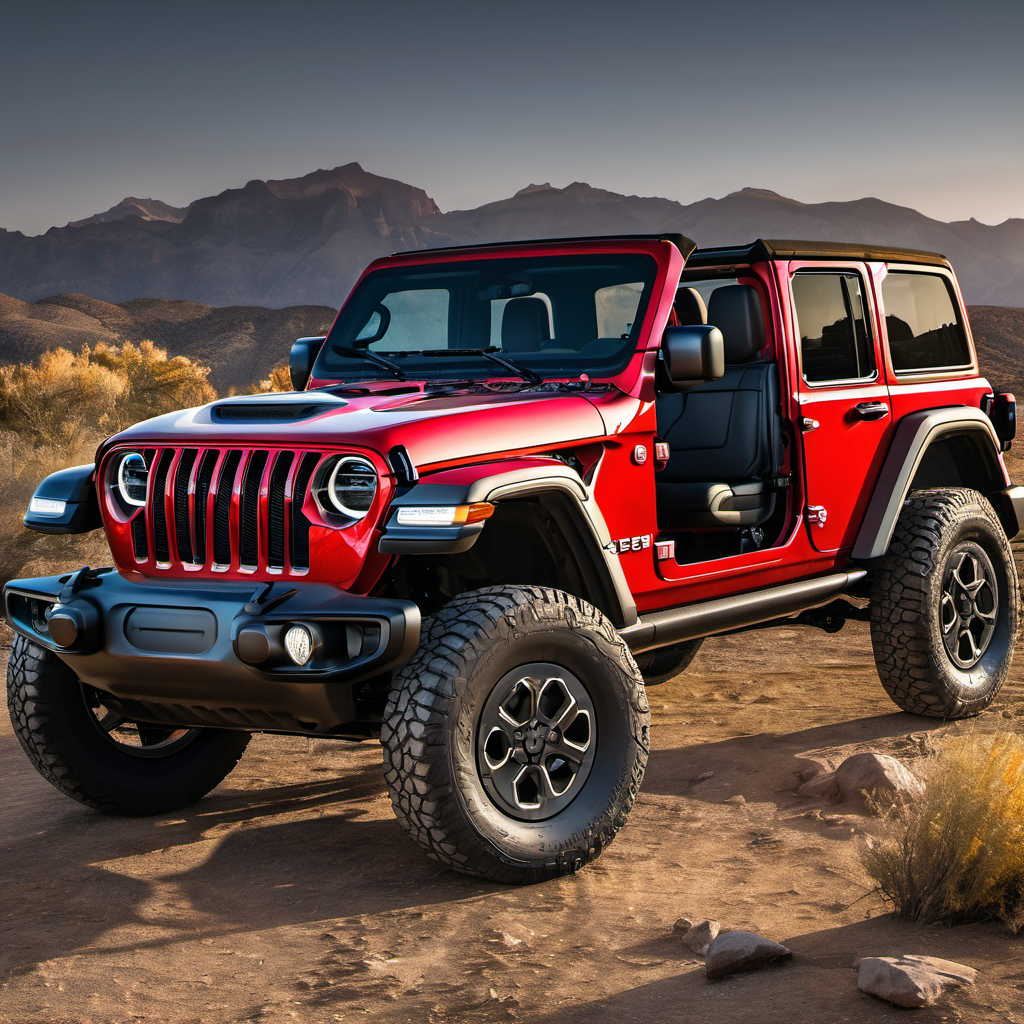
The most direct competitor — body-on-frame, removable doors and roof, solid axles, similar off-road focus. Wrangler has a longer reliability track record but trails the Bronco in on-road manners and horsepower.
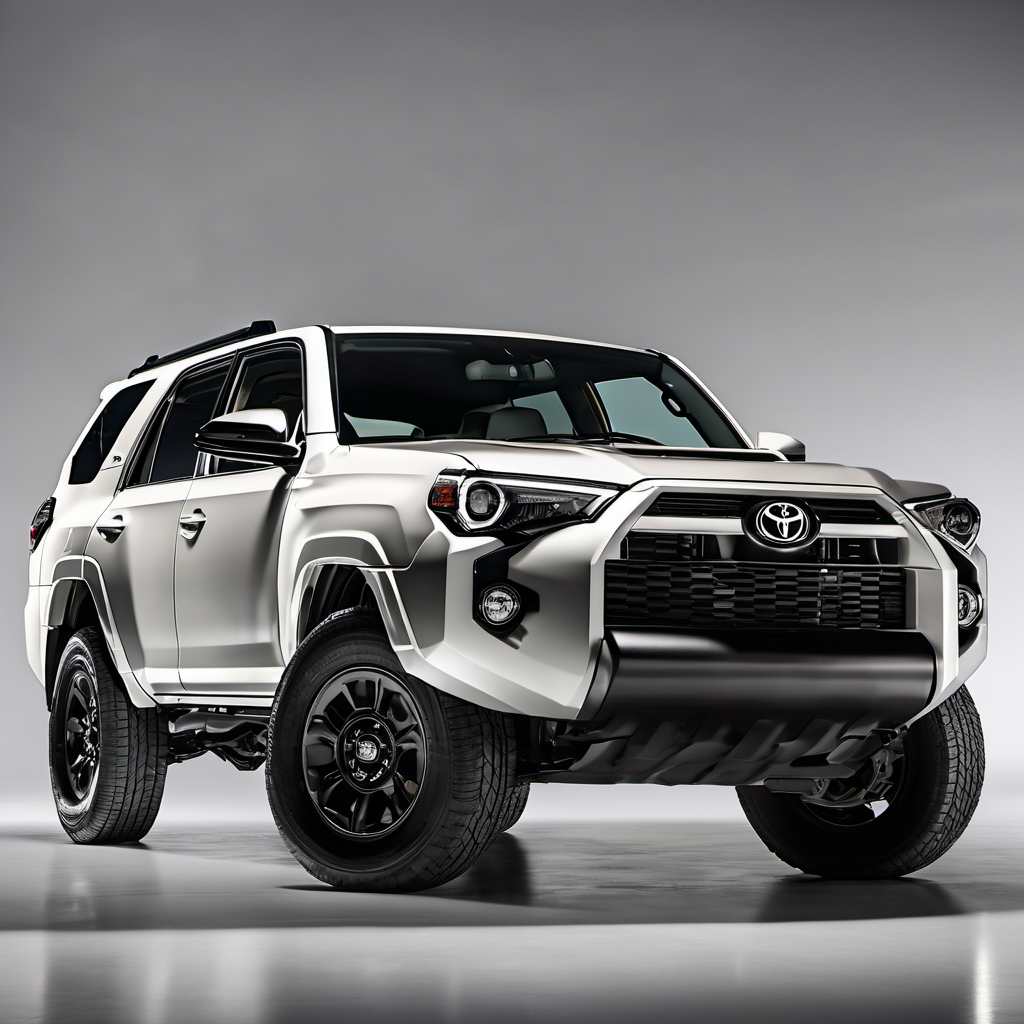
Body-on-frame 4WD SUV with a proven, bulletproof V6. Less capable off-road out of the box than the Bronco, but significantly more reliable in the first 100k miles and easier to service in rural Wisconsin.

Mid-size SUV alternative in a similar price range, though unibody and less off-road focused. Worth considering if primary use is on-road with only occasional light trail use.
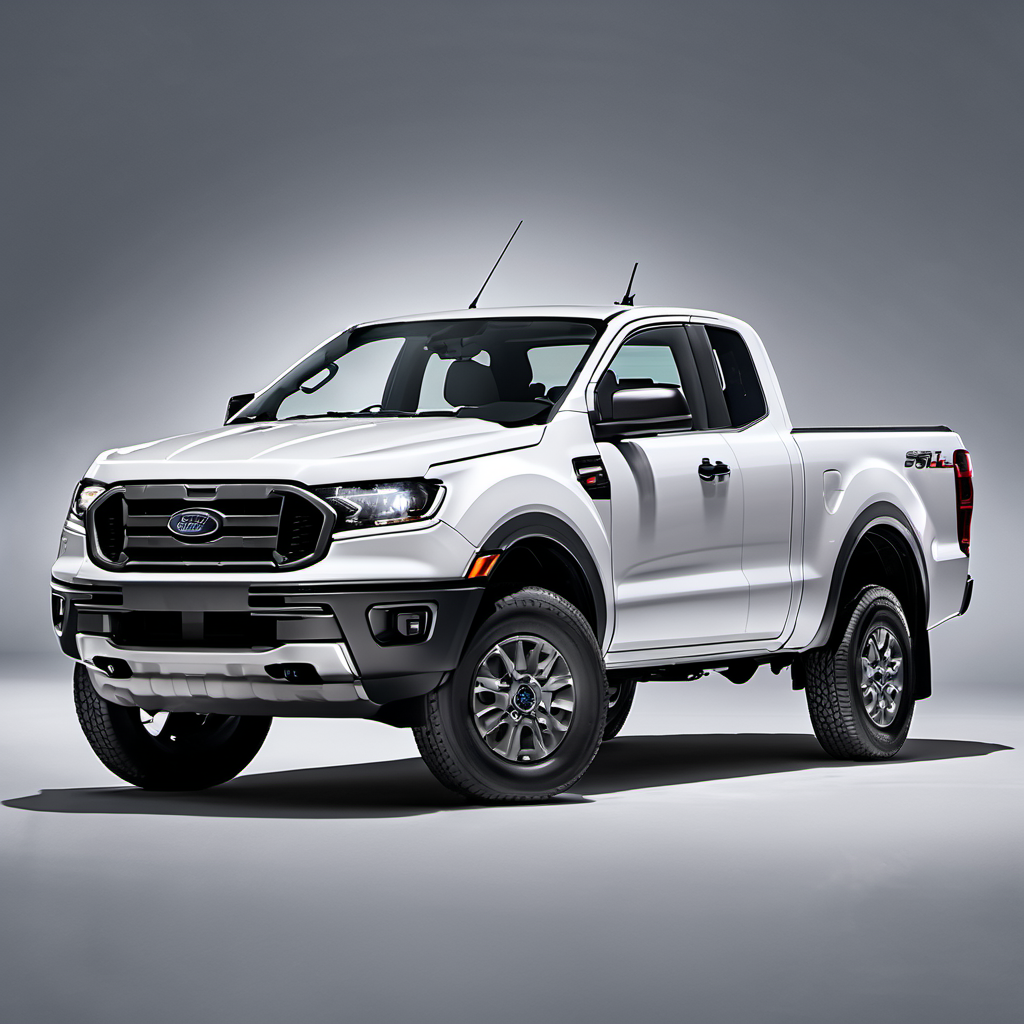
Shares the same 2.3L EcoBoost engine and 4WD platform DNA. Gives up the removable top and Bronco styling but adds truck-bed utility. A good benchmark for buyers debating between a truck and an off-road SUV.